Thief: Deadly Shadows
You are Garrett, the master thief. Rarely seen and never caught, Garrett is the best that ever was. Able to sneak past any guard, pick any lock, and break into the most ingeniously secured residences. Garrett steals from the wealthy and gives to himself, making his living in the dark and foreboding City.
🎮Game Details
💬What Players Say
"The best stealth game, rich atmosphere and the world feels alive."
"thankfully i only spent a dollar on the game. bought it because i never got to beat the game when i was younger. looks like it wont be happening again but this time due to the game being unplayable past the locking picking part of the tutorial...."
"A classic series with another game that just doesn't work well on a modern machine."
📝Editorial Analysis
The damp stone of the Old Quarter presses in—not just on Garrett’s shoulders, but on your breath. You’re crouched behind a rain-slicked barrel, listening to the uneven shuffle of a guard’s boots echo off wet brick, the flicker of a guttering torch casting long, trembling shadows across cobblestones that haven’t seen sunlight in decades. There’s no HUD, no minimap pulse—just the low thrum of distant city life beneath your feet, the faint metallic click of a lock mechanism you haven’t even touched yet, and the quiet, almost sacred weight of being unseen. That’s not gameplay—it’s presence. The official description nails it: Garrett is “rarely seen and never caught,” a phantom who lives “in the dark and foreboding.” And player reviews confirm it—not as nostalgia, but as atmosphere so thick it feels alive, so immersive it makes modern machines groan under its weight.
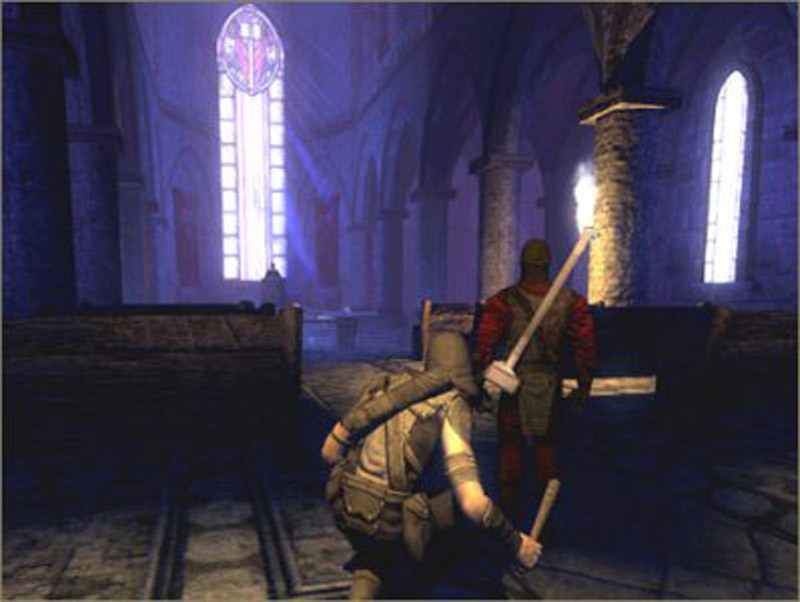
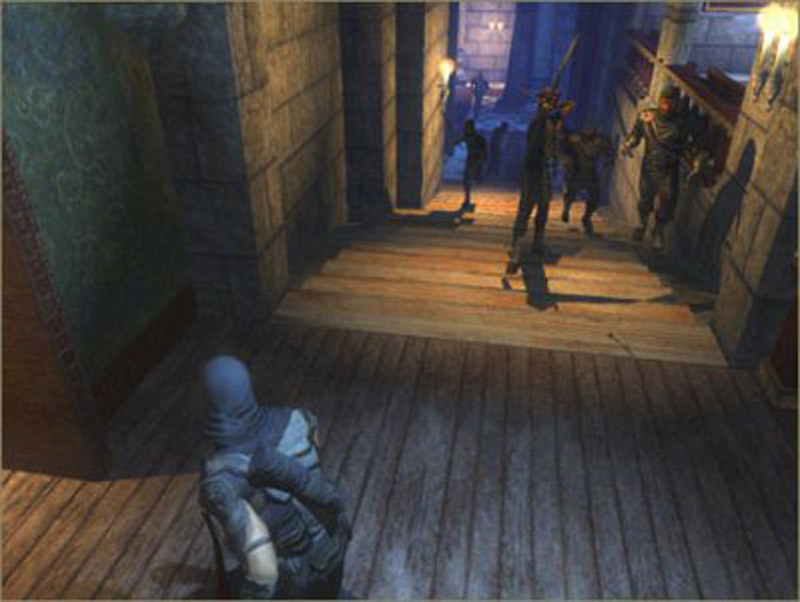
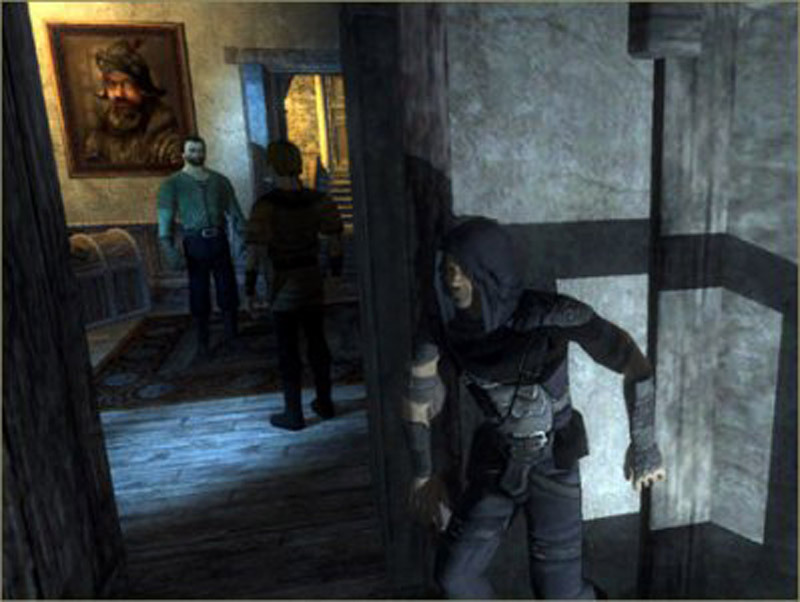
What makes Thief: Deadly Shadows’ atmosphere singular isn’t its stealth mechanics—it’s the texture of solitude. It’s the way silence isn’t empty; it’s layered with dripping eaves, muffled arguments from upstairs windows, the rustle of rats in walls that feel occupied, not abandoned. You don’t infiltrate buildings—you slip into their history, into the accumulated weight of forgotten wealth and buried secrets. This isn’t tension built on threat alone. It’s the dread of exposure, yes—but also the euphoria of control, of moving through a world that assumes you’re not there, while you know every creak, every blind spot, every breath of wind that might betray you. It’s deeply nocturnal, not just visually, but psychologically: a world where morality is smudged, motives are self-serving, and light doesn’t reveal truth—it reveals vulnerability.
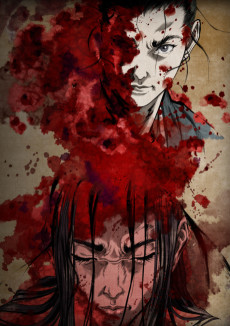
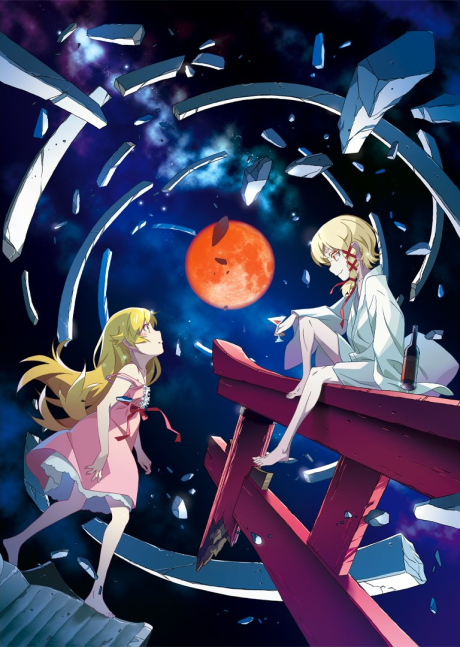
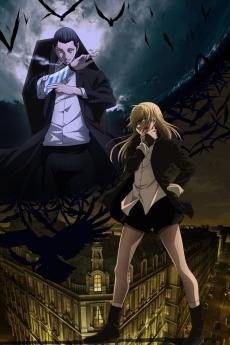
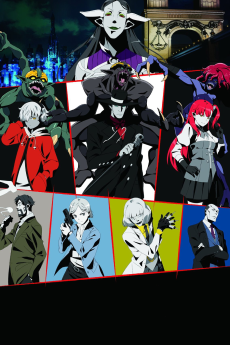
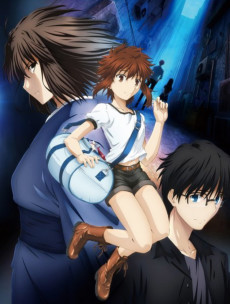
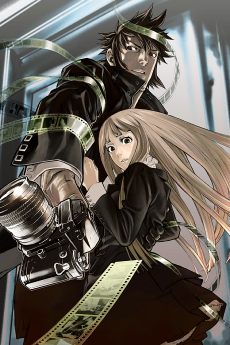
That same nocturnal gravity pulses through Kizumonogatari Part 2: Nekketsu, where blood isn’t spilled—it unfurls, viscous and luminous against neon-drenched alleyways, its body horror not grotesque but ritualistic, like Garrett’s careful disarming of a pressure plate: precise, intimate, charged with consequence. The shared Neon Noir dimension isn’t about aesthetics—it’s about chiaroscuro as psychology: characters (and players) navigating moral ambiguity under artificial light that casts long, deceptive shadows. Likewise, the Garden of sinners Chapter 5: Paradox Paradigm mirrors Thief: Deadly Shadows’ haunted stillness—the way a hallway holds its breath before violence erupts, how silence between characters hums with unspoken history and occult weight. Its Dark Fantasy isn’t dragon-slaying; it’s the slow realization that the rules of reality are fraying at the edges, just as Garrett realizes the Keepers aren’t myth—they’re watching, and their gaze changes everything. And Undead Murder Farce, with its Body Horror & Occult dimensions, shares that same visceral unease: bodies that shouldn’t move, doors that shouldn’t open, spaces that breathe back at you—not as jump scares, but as architectural dread, where the environment itself feels sentient, ancient, and quietly hostile.
This pairing isn’t for fans of fast-paced action or clear-cut heroes. It’s for the person who lingers in doorways just to watch light shift across a floorboard, who replays a single stealth sequence three times—not to optimize, but to feel the rhythm of footsteps, the timing of breath, the exact millisecond a guard turns his head. It’s for the reader who underlines sentences about silence in novels, who watches anime not for plot twists but for the way a character’s shadow stretches too far down a corridor, or how rain reflects fractured neon in a puddle beside a corpse. It’s for those who find beauty in constraint, who understand that true power lies not in domination, but in negotiation with darkness—whether it’s Garrett holding his breath behind a tapestry, or a ghoul in Tokyo Ghoul: [PINTO] staring at his own distorted reflection in a broken storefront, knowing the monster isn’t outside—it’s woven into the architecture of survival.
→136 Anime That Match the Vibe
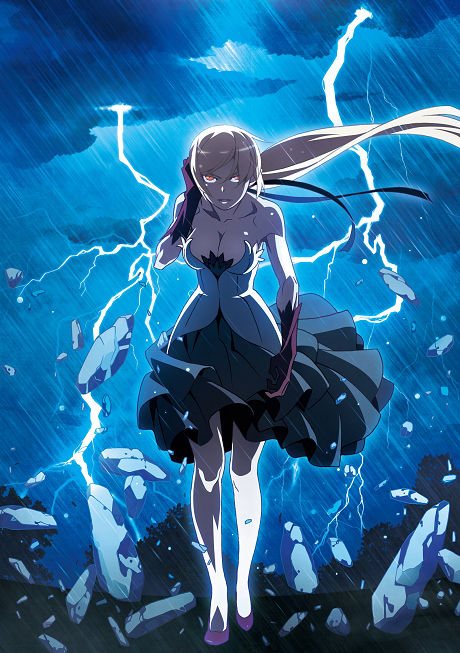
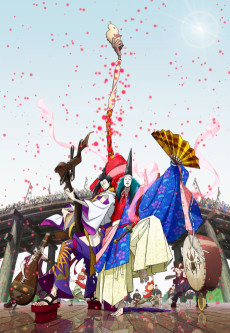
Garrett’s breath hitches in the cathedral’s stained-glass gloom—shadows cling like wet velvet, every footfall echoing like a blasphemy—while Koyomi’s blood-soaked transformation in *Nekketsu* unfolds under flickering neon and arterial crimson. Both weaponize 🌃 Neon Noir not as backdrop but as psychological pressure: light doesn’t reveal, it betrays; darkness isn’t empty—it *watches*. That shared dread of the body unraveling mid-heist or mid-battle makes their dark fantasy feel terrifyingly intimate, not just atmospheric.
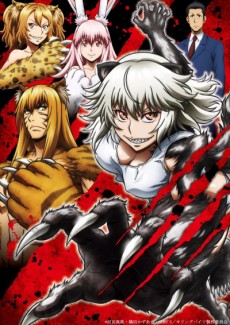
Dark worlds where beauty and brutality coexist — every victory comes at a cost.

Dark worlds where beauty and brutality coexist — every victory comes at a cost.
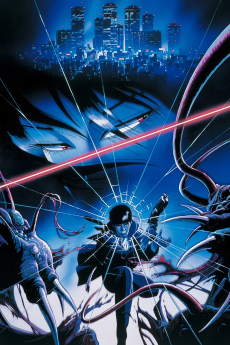
Dark worlds where beauty and brutality coexist — every victory comes at a cost.
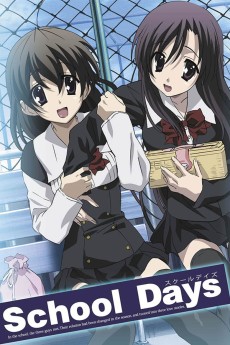
Dark worlds where beauty and brutality coexist — every victory comes at a cost.
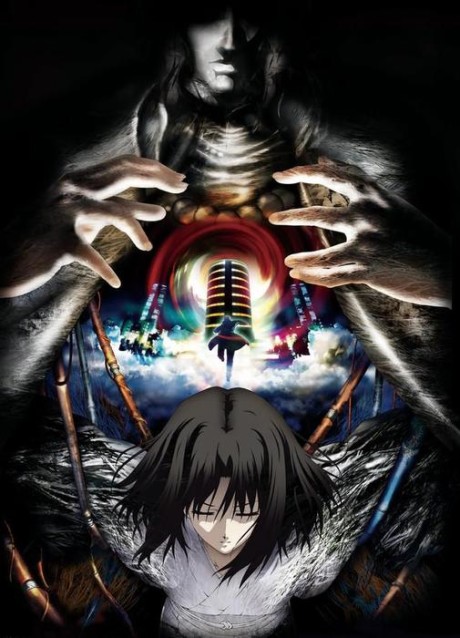
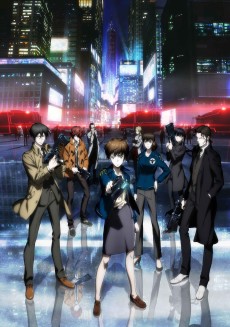
Garrett’s breath hitches in the rain-slicked alley behind the Keepers’ Temple—shadows cling like wet silk, neon signs bleeding color onto wet cobblestones. Just as Shiki watches Tomoe vanish into the flickering glow of a convenience store sign in *Paradox Paradigm*, both stories weaponize 🌃 Neon Noir to frame fugitives who move unseen not through power, but precision and erasure. What’s startling is how each treats invisibility: Garrett masters architecture and light; Tomoe, haunted by his own reflection, embodies it as ontological collapse—dark fantasy made intimate, not epic.
Dark worlds where beauty and brutality coexist — every victory comes at a cost.
Dark worlds where beauty and brutality coexist — every victory comes at a cost.
Dark worlds where beauty and brutality coexist — every victory comes at a cost.

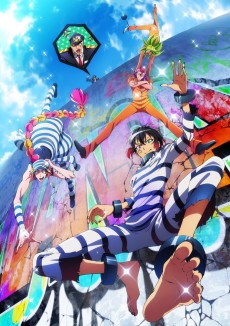
Garrett’s breath hitches in the cathedral’s stained-glass gloom—shadows cling like wet silk—as Aya Rindo’s severed head, suspended mid-air in a gaslit parlor, coolly narrates a murder she witnessed *while decapitated*. Unlike most dark fantasy pairings, this resonance thrums not just in 🌃 Neon Noir lighting but in shared ontological unease: both weaponize invisibility (Garrett’s uncanny stealth, Aya’s post-mortem consciousness) to expose how power hides in plain sight. The horror isn’t just 👻 body horror—it’s the chilling intimacy of seeing *through* walls, skin, and death itself.
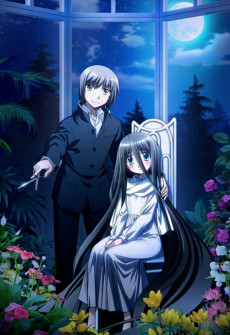
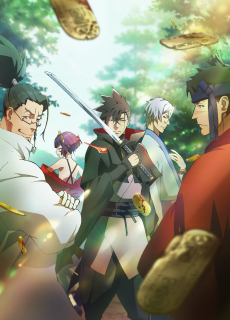
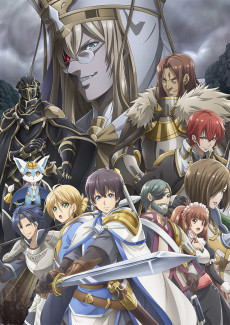
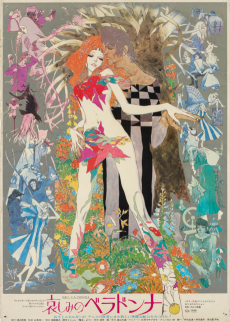








![Tokyo Ghoul: [PINTO]](https://s4.anilist.co/file/anilistcdn/media/anime/cover/medium/bx21326-Vmunxqzj1umc.jpg)







![Fate/stay night [Heaven’s Feel] III. spring song](https://s4.anilist.co/file/anilistcdn/media/anime/cover/large/bx21719-MSdTlkno0Z0u.jpg)


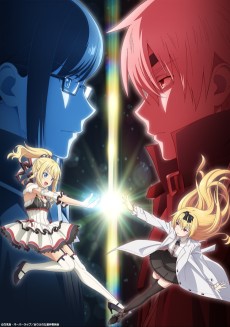


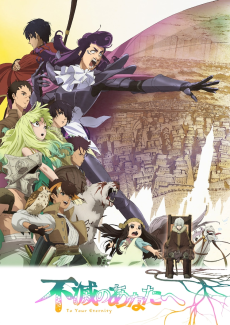

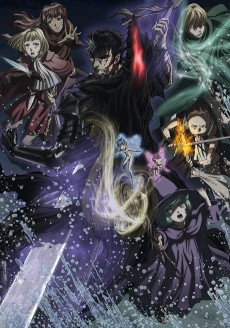
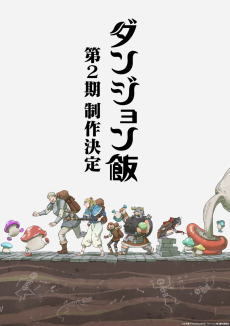






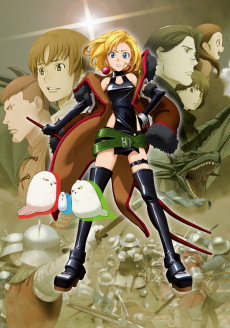

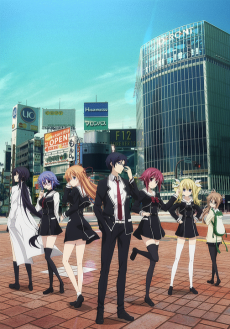
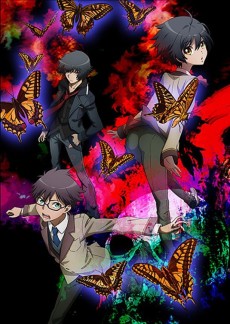
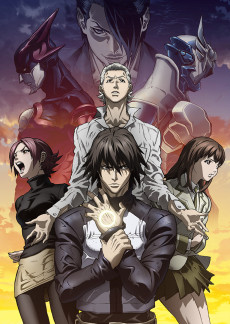

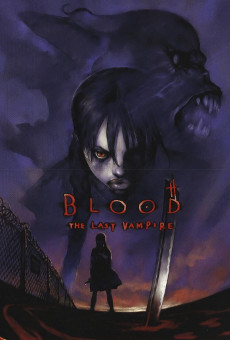
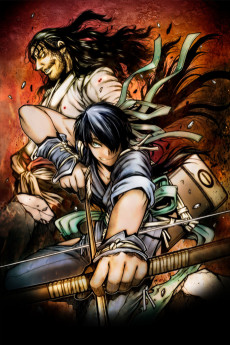

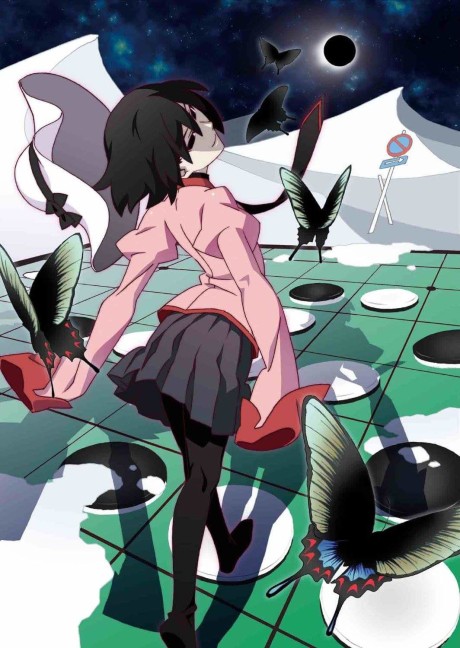

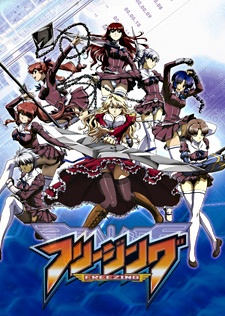

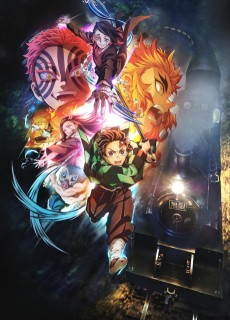



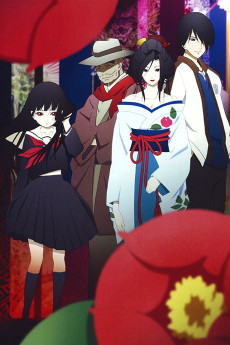

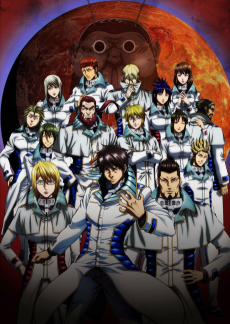
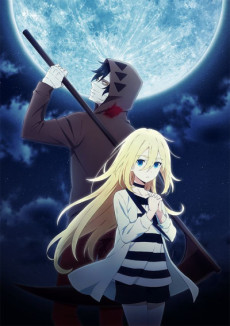
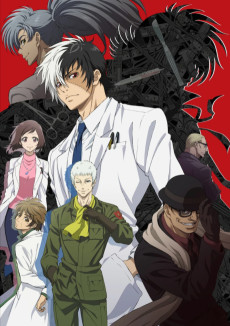
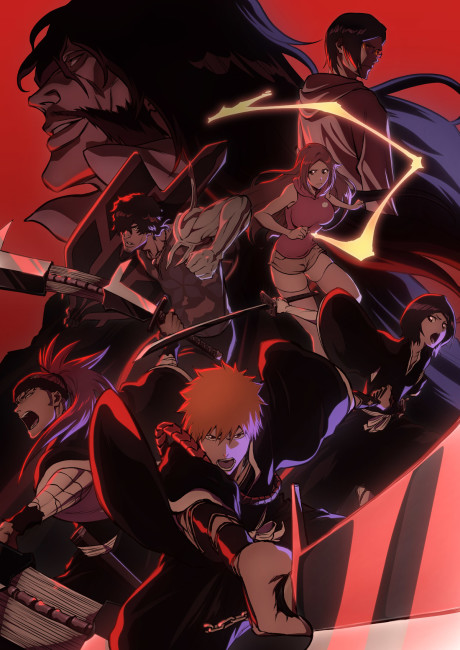
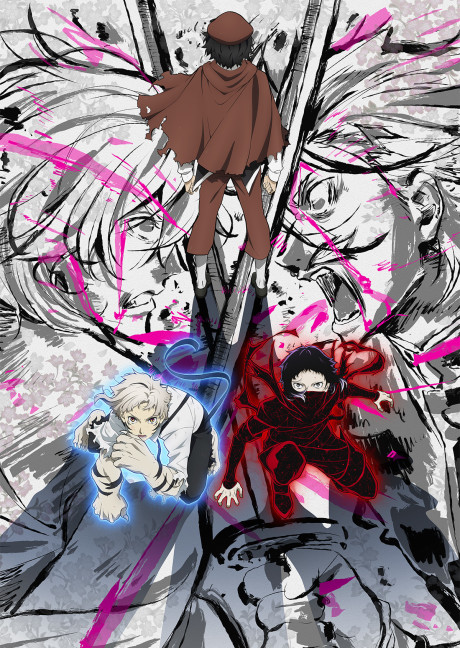

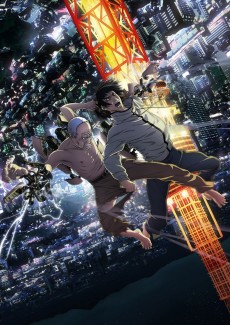

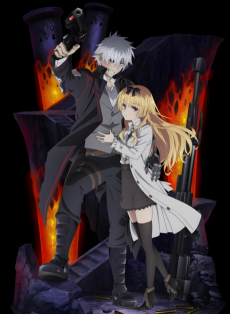
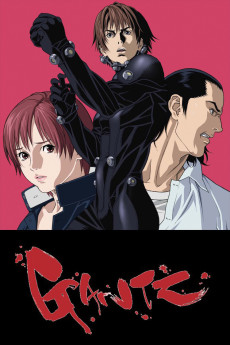
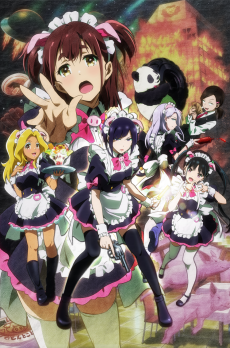
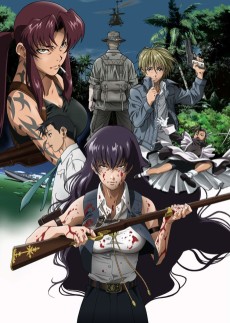

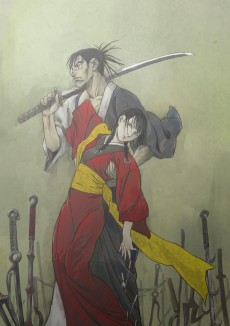


















Match Dimensions Explained
❓Frequently Asked Questions
Why is Kizumonogatari Part 2: Nekketsu recommended for fans of Thief: Deadly Shadows?
Because both lean hard into that oppressive, rain-slicked neon-noir atmosphere where shadows aren’t just absence of light—they’re *tactile*, like Garrett slipping past guards in the Clocktower district or Araragi moving unseen through blood-drenched alleyways. The way Kizumonogatari frames Kiss-Shot’s lair—low angles, flickering fluorescents, silence broken only by dripping water and a heartbeat—mirrors Garrett’s tense, breath-held moments crouched behind crates in the Keepers’ Archives.
Is there an anime adaptation of Thief: Deadly Shadows?
Nope—no official anime adaptation exists (and honestly, it’d be tough to capture Garrett’s wordless, tactile stealth without losing the soul of it). But if you love how Thief makes you *feel* like a ghost in the city—like when Garrett disables a guard’s torch with a flashbomb and vanishes mid-step—the Garden of Sinners Chapter 5 nails that same vibe with Shiki’s predatory stillness and the way Tokyo’s streets seem to hold their breath before violence erupts.
How does Tokyo Ghoul: [PINTO] compare to Thief: Deadly Shadows in terms of stealth and tension?
Tokyo Ghoul’s [PINTO] isn’t about lockpicking or shadow-stalking like Garrett—it’s about *hiding in plain sight* while your body betrays you, like Kaneki suppressing his kagune in crowded train stations, heart pounding as CCG officers scan the platform. That same visceral, claustrophobic dread? It’s straight out of Thief’s ‘Light Gem’ mechanic—where one wrong move from Kaneki, like a stray drop of ink-black blood on white tile, is as fatal as Garrett stepping into a spotlight beam in the Baron’s manor.
What’s the best anime like Thief: Deadly Shadows if I want that grim, rain-soaked, morally gray heist-vibe?
Undead Murder Farce—it’s got that exact same layered noir texture: fogged windows, flickering streetlamps, and a protagonist who moves like smoke through decaying architecture (think Garrett scaling the cathedral spire vs. Rokurou navigating the labyrinthine, corpse-strewn halls of the cursed mansion). Plus, its Body Horror & Occult dimensions echo Thief’s unsettling lore—like when Garrett finds those twisted, half-melted statues in the Lost City, mirroring Rokurou’s grotesque encounters with reanimated flesh and whispering walls.