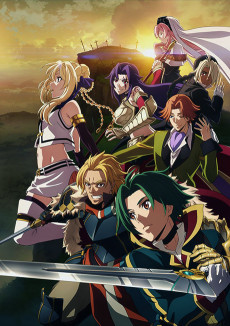
Record of Grancrest War
The series takes place on a continent ruled by chaos. The chaos breeds disaster, but the Lords of the continent have the power of "Crest" (Holy Seal) that can calm the chaos and protect the people. However, before anyone realizes it, the rulers cast aside their creed of purifying the chaos, and instead start to fight each other for each others' Crests and to gain dominion over one another. Siluca, an isolated mage who scorns the Lords for abandoning their creed, and a wandering knight named Theo, who is on a journey to train to one day liberate his hometown, which is under tyrannical rule, make an everlasting oath to each other as master and servant and work together to reform this continent dominated by wars and chaos.
(Source: Anime News Network)
📺Anime Details
📝Editorial Analysis
The first time Siluca watches a crest flare—not in defense, but in conquest—a village burns behind her, its people scattering like cinders. She doesn’t scream. She doesn’t weep. She just stills, fingers tightening around her staff as the golden sigil above the invading lord’s banner pulses—not with calm, not with protection—but with hunger. That silence, that awful, precise stillness—it’s not resignation. It’s the moment ideology curdles into arithmetic: how many lives balance one more crest? How many oaths dissolve before ambition stops counting?
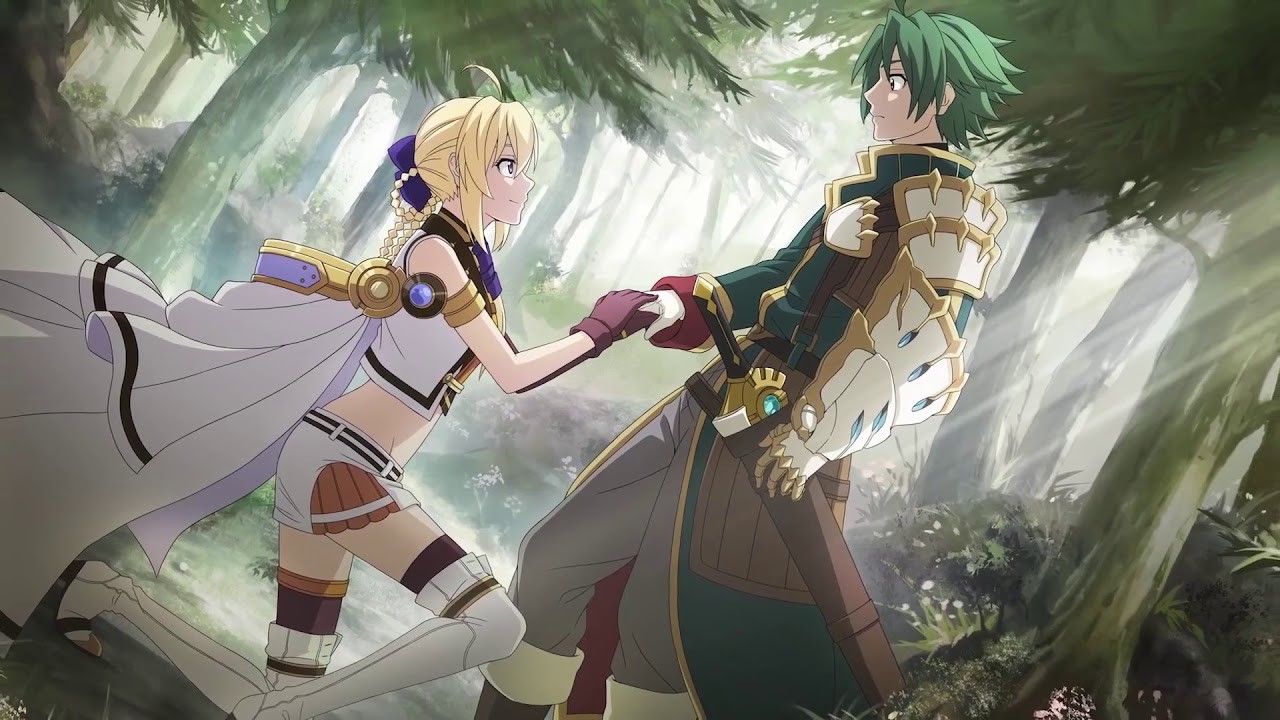
That’s the feeling Record of Grancrest War lives inside: moral erosion disguised as inevitability. Not chaos as spectacle, but chaos as infrastructure—the slow, grinding collapse of covenant into calculus. You don’t feel heroic here. You feel accountable. Every alliance is a ledger entry. Every kiss is weighed against a border treaty. Every crest isn’t a blessing—it’s a liability, a target, a reason to betray the person standing beside you. The medieval setting isn’t backdrop; it’s pressure. The werewolves don’t howl at the moon—they’re conscripted scouts. The vampires aren’t seductive aristocrats—they’re court physicians trading blood for immunity. Even adoption isn’t warmth—it’s strategic kinship, a legal shield against inheritance wars. This isn’t fantasy despite politics. It’s fantasy as politics—cold, procedural, and exhaustingly human.
Which is why Assassin's Creed™: Director's Cut Edition hits with such uncanny resonance. Its description calls it a “Political Thriller” wrapped in “Tactical Warfare”—not rogue assassins leaping across rooftops, but agents embedded in systems they’re meant to dismantle from within. The player review admits the textures are dated, but doesn’t care—because what lingers isn’t visual fidelity, but the weight of walking through Jerusalem’s markets while knowing every merchant, every guard, every beggar is part of a hierarchy you’re both exploiting and being crushed by. Like Siluca parsing a noble’s decree, you read faces, map patrol routes, calculate risk in real time—not for glory, but survival. The dark fantasy isn’t goblins or curses. It’s realizing your creed is just another seal—and seals can be forged.
Then there’s Dark Messiah of Might & Magic, where the description promises “ferocious combat in a dark and immersive world,” and the player review calls it “a fantastic melee combat game that still holds up.” That’s key: it’s not about spell-slinging spectacle—it’s about impact. The crunch of a boot on stone. The stagger when a shield cracks. The way power feels physical, costly, immediate. In Record of Grancrest War, battles don’t resolve with flash—T’s sword catches light only because it’s just severed a tendon; Siluca’s magic doesn’t bloom like fireworks, it shudders through her ribs like recoil. Both works treat violence as consequence, not catharsis. The emotional narrative isn’t in cutscenes—it’s in the tremor in a hand after parrying a killing blow, the pause before lowering a weapon when surrender looks cheaper than victory.
And The Witcher 3: Wild Hunt, whose description drops you onto “a war-torn, monster-infested continent you can explore at will”—not as a savior, but as Geralt, a man who tracks contracts. The player review celebrates DLC announced eleven years later, not for new powers, but for deepening consequence: choices echo, relationships fray or mend across decades, and “Ciri—the Child of Prophecy” isn’t a MacGuffin, but a daughter whose trust must be earned, not claimed. That’s the same gravity Record of Grancrest War carries: love isn’t a reward—it’s a vulnerability exploited in council chambers; loyalty isn’t sworn, it’s negotiated, revised, revoked. Both understand that tragedy isn’t death—it’s watching someone you love choose the crest over you, and understanding why.
This pairing isn’t for fans of clean triumphs or destined heroes. It’s for the ones who replay a battle three times—not to win faster, but to see if mercy changes the casualty report. For readers who underline political speeches in novels and cross-reference them with real treaties. For players who pause mid-quest to watch NPCs argue about grain tariffs, then sigh and adjust their own faction reputation accordingly. It’s for people who feel relief, not disappointment, when a romance subplot fractures under logistical strain—because that fracture means something. Who understand that the most devastating line in any story isn’t “I love you”—it’s “We need your crest before the harvest.” That quiet, heavy, inescapable weight—that’s where these worlds breathe together.
🎮57 Games That Match the Vibe





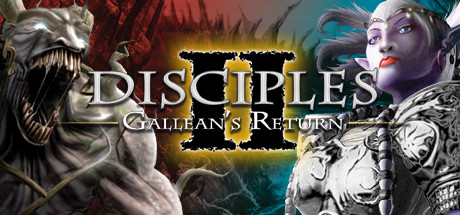
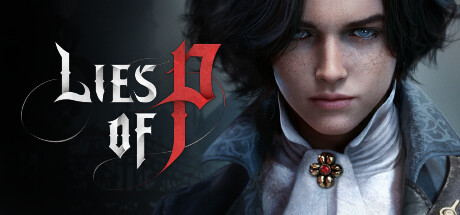
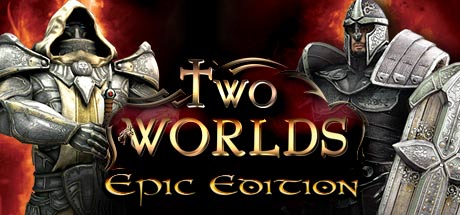



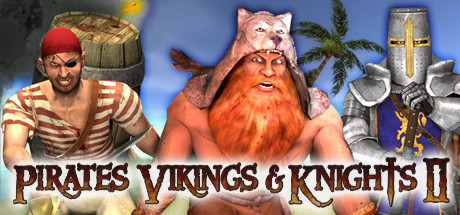
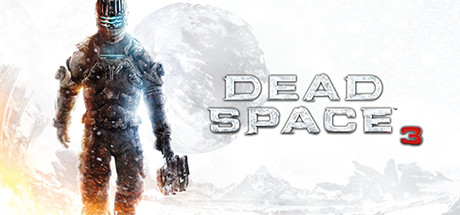

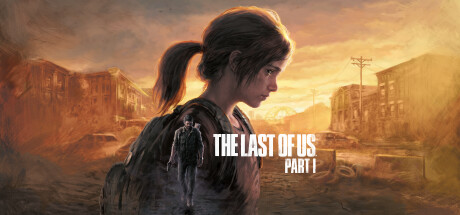
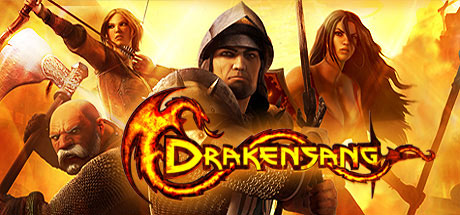




Match Dimensions Explained
❓Frequently Asked Questions
Why is Assassin's Creed: Director's Cut Edition listed as similar to Record of Grancrest War?
Because both lean hard into political intrigue and tactical warfare—think Grancrest’s council debates and battlefield command, mirrored in Assassin’s Creed’s Templar-vs-Assassin power struggle and city-wide control mechanics. The dim of 'Political Thriller' isn’t just flavor; it’s baked into how you gain influence in Damascus or Acre, much like securing lordships and alliances in Grancrest’s war-torn kingdoms.
Is there a Record of Grancrest War game adaptation?
No—there’s no official video game based on Record of Grancrest War. But if you’re craving that same dark fantasy + political warfare blend, Dark Messiah of Might & Magic nails the visceral melee (like Leinas’ dual-wield chaos) and emotional weight (think Theo’s idealism clashing with reality), all wrapped in Valve’s Source Engine grit.
How does Two Worlds II HD compare to The Witcher 3 for Grancrest fans?
Both deliver dark fantasy worldbuilding, but Two Worlds II leans into over-the-top action spectacle—imagine casting fireballs mid-sword duel like in Grancrest’s magic-heavy battles—while Witcher 3 prioritizes emotional narrative depth (Geralt’s bond with Ciri echoes Theo and Aerin’s fraught loyalty arc). Neither has Grancrest’s feudal politics, but Two Worlds II’s Velvet Edition at least matches its bombastic energy.
What’s the best game like Record of Grancrest War if I want grim atmosphere + tactical decision-making?
Assassin’s Creed: Director’s Cut Edition—it’s the only match with *both* ‘Dark Fantasy’ and ‘Tactical Warfare’ dims, and its score (80) is the highest on the list. You’ll feel that Grancrest-style weight in every mission: choosing which district to liberate first in Jerusalem directly shifts faction control, just like picking which noble house to back before a siege. Even the dated textures add to the gritty, lived-in tension.