Heretic: Shadow of the Serpent Riders
In a realm corrupted by the evil magic of three brothers known as the Serpent Riders, you are a heretic. As one of the last Sidhe elves, and a capable mage, you embark on a quest for vengeance against those who slaughtered your friends, family, and entire race.
🎮Game Details
💬What Players Say
"Pick up the remaster."
📝Editorial Analysis
The first time you step into that ruined Sidhe grove—stone arches cracked like broken ribs, moss glowing faintly violet over petrified bark, the air thick with the scent of burnt myrrh and something older, something that hums just below hearing—you feel it: not fear, exactly, but the cold, quiet weight of inheritance. You’re not a hero stepping into legend. You’re the last one left holding the ash of your people, a mage whose spells taste like copper and regret, walking ground where your kin bled out under the Serpent Riders’ black sigils. The official description doesn’t call it grief—it says vengeance—but the player review’s raw urgency—“Pick up the remaster…”—isn’t about nostalgia. It’s about needing to stand again in that silence, to feel the weight of the staff in your hand, to hear the low, guttural chant of a summoned Mephit echo down a corridor that used to hold lullabies.
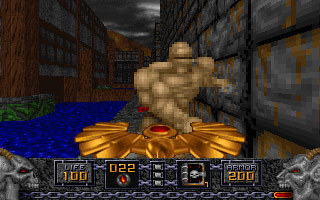
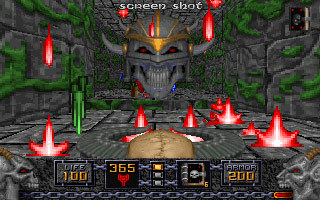
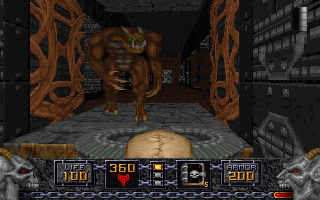
This isn’t grimdark for spectacle. Heretic’s atmosphere is resonant desolation: every crumbling chapel, every warped glyph etched into dungeon walls, every enemy that unravels at the edges—not just dying, but unmaking—feeds a slow, insistent truth: magic here isn’t power. It’s contamination. The Serpent Riders didn’t just kill the Sidhe—they unwove them. Their corruption isn’t external; it bleeds into architecture, into flesh, into memory itself. You don’t fight monsters—you fight the afterimage of your own obliterated world. That’s why the game lingers in your bones long after the final boss falls: it makes you mourn the texture of what was lost, not just the people. It forces you to reckon with legacy as wound, not trophy.
Lord of Mysteries shares that same suffocating gravity of inherited decay. Its world doesn’t just have occult rules—it breathes them. Every ritual, every transformation, every whispered title carries the risk of unraveling not just the body, but identity, history, even causality. Like Heretic’s Sidhe, its protagonists inherit legacies soaked in forbidden knowledge and catastrophic consequence—not as birthright, but as sentence. The body horror isn’t gore for shock; it’s the visceral manifestation of metaphysical trespass—flesh warping under the weight of truths it wasn’t built to hold. Both demand you feel the cost of touching the unseen.
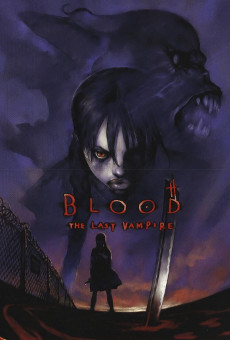
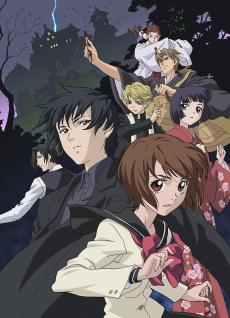
Blood Lad matches not in tone—but in structure of loss. Its dark fantasy isn’t brooding; it’s jagged, sarcastic, violently alive because everything is already rotting. Like Heretic’s heretic wielding fire and frost while standing atop his people’s grave, Blood Lad’s Staz wears absurdity like armor over profound, unspoken grief. The body horror—the grotesque transformations, the visceral disintegration of demonic forms—isn’t nihilistic. It’s ritualized mourning. Each mutated limb, each melted face, echoes the Serpent Riders’ violation: a reminder that survival demands adaptation to corruption, not resistance to it. The humor isn’t escape—it’s the Sidhe elf’s dry chuckle before casting a spell that burns his own fingertips.
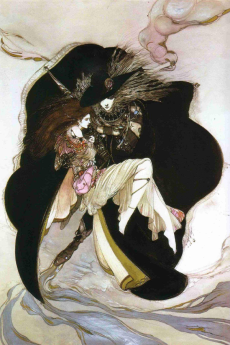
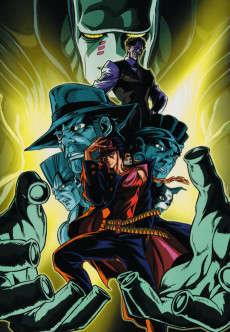
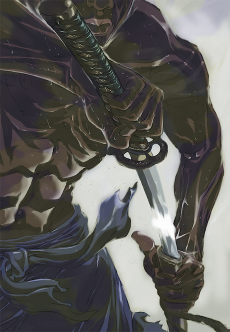
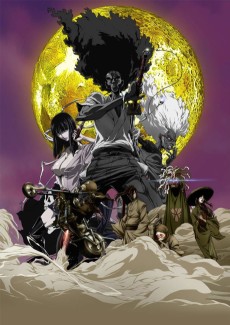
VAMPIRE HUNTER D lives in the exact same twilight. Not the gothic romance of castles and capes, but the exhausted grandeur of a world where beauty and ruin are fused at the molecular level—where a cathedral’s stained glass depicts saints weeping black ichor, where D’s prosthetic arm whirs with the same eerie precision as Heretic’s enchanted gauntlets. Its body horror is elegant, inevitable: flesh reknitting wrong, memories leaking like ink in rain, immortality as slow erosion. Like the heretic walking through his ancestors’ hollowed sanctums, D moves through landscapes where every stone remembers slaughter—and every relic hums with the same dangerous, beautiful, corrupted magic.
This pairing isn’t for fans of “cool powers” or “epic battles.” It’s for the ones who pause mid-fight to stare at a cracked mosaic of a Sidhe child, or who rewatch Tokyo Ghoul’s [PINTO] finale not for the action, but for the way Kaneki’s voice breaks when he names his own reflection. It’s for players who reload a save not to win faster—but to linger longer in that grove, breathing the same air their people breathed before the serpents came. It’s for viewers who understand that dark fantasy isn’t about shadows—it’s about the unbearable, luminous clarity of what remains after the light has been poisoned.
→91 Anime That Match the Vibe

Dark worlds where beauty and brutality coexist — every victory comes at a cost.

Dark worlds where beauty and brutality coexist — every victory comes at a cost.

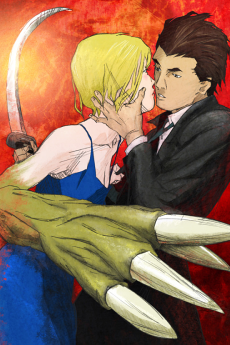
Staz’s grotesque transformation into a feral, multi-limbed beast during the Blood War arc mirrors Heretic’s visceral body horror—rotting flesh peeling to reveal arcane sigils as Serpent Rider cultists mutate mid-spell. Unlike most dark fantasy pairings, this resonance isn’t just tonal: both weaponize occult dread through *ritual failure*—Yanagi’s accidental soul-binding echoes the Sidhe’s corrupted magic backfiring in cursed temples. Surprisingly, their shared 👻 Body Horror & Occult dimension turns vengeance into grotesque intimacy: Staz devours his own power to save Yanagi; the Heretic unleashes forbidden eldritch glyphs knowing each spell unravels his Sidhe form.

Dark worlds where beauty and brutality coexist — every victory comes at a cost.
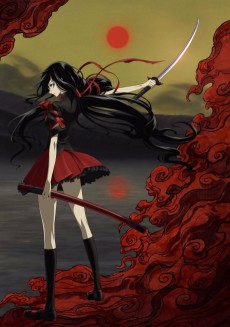
Dark worlds where beauty and brutality coexist — every victory comes at a cost.
![Tokyo Ghoul: [PINTO]](https://s4.anilist.co/file/anilistcdn/media/anime/cover/medium/bx21326-Vmunxqzj1umc.jpg)
Shuu Tsukiyama’s delicate, almost ritualistic dissection of a ghoul corpse in *Tokyo Ghoul: [PINTO]* mirrors the visceral, arcane autopsies of corrupted Sidhe bodies in *Heretic*’s cursed tombs—both steeped in **Body Horror & Occult** precision. Unlike most revenge tales, neither work romanticizes vengeance; instead, they frame it as a grotesque liturgy—Tsukiyama’s obsession with beauty-as-violence echoes the heretic’s grim sacraments against the Serpent Riders’ flesh-warping magic. That a single-episode OVA and a 1995 dark fantasy shooter converge on such unsettling, tactile dread is quietly revelatory.
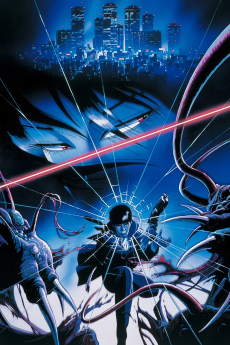
Dark worlds where beauty and brutality coexist — every victory comes at a cost.
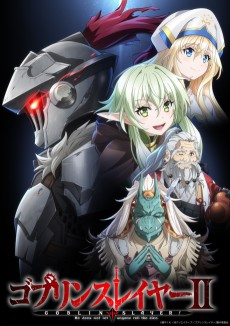
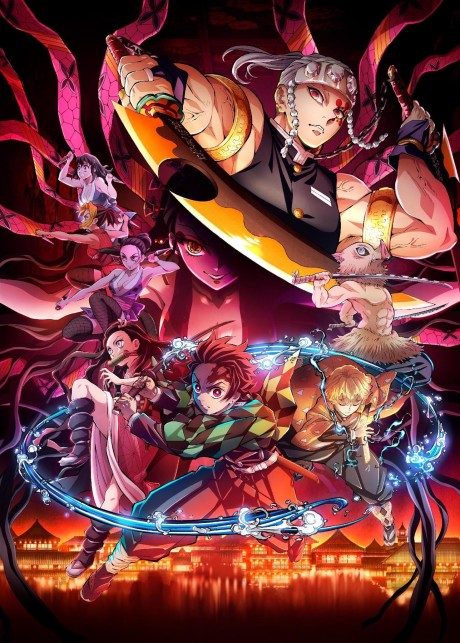
That gut-churning shrine scene in *Goblin Slayer II*—where the Priestess’s corrupted prayer warps flesh into serpentine coils—echoes Heretic’s very first dungeon: a necrotic temple where Serpent Rider glyphs melt stone and twist corpses into writhing, multi-limbed abominations. Where Heretic weaponizes Sidhe elven grace against occult decay, *II* fractures purity itself—Lizardman shamanism, goblin alchemy, and the Black King’s ritual scars all manifest as visceral body horror. This isn’t just dark fantasy; it’s shared ontological dread—the conviction that magic doesn’t corrupt *morally*, but *anatomically*.

Dark worlds where beauty and brutality coexist — every victory comes at a cost.

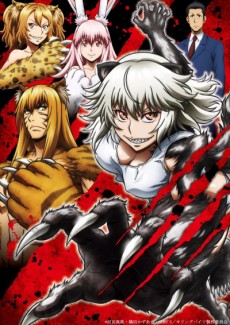
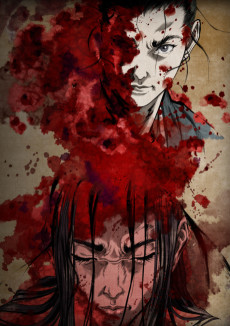
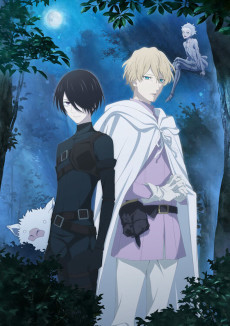
Victorian fog clings to Klein Moretti’s collar as tightly as the Serpent Riders’ blight clings to Heretic’s decaying elven ruins—both worlds breathe dread through *Dark Fantasy*’s cracked lens. Where Heretic’s body-horror transformations twist Sidhe flesh into serpentine abominations, *Lord of Mysteries* Season 2 deepens that unease with Klein’s unstable evolutions and the Church of the Fool’s grotesque apostles. This isn’t just shared gloom; it’s a precise, chilling alignment of occult consequence—magic that corrupts the self as surely as it unravels reality.













![Fate/stay night [Heaven’s Feel] III. spring song](https://s4.anilist.co/file/anilistcdn/media/anime/cover/large/bx21719-MSdTlkno0Z0u.jpg)
























![Fate/stay night [Heaven's Feel] II. lost butterfly](https://s4.anilist.co/file/anilistcdn/media/anime/cover/large/bx21718-Hjj26Sapx1bd.jpg)

Match Dimensions Explained
❓Frequently Asked Questions
Why is Lord of Mysteries recommended for fans of Heretic: Shadow of the Serpent Riders?
Because both dive deep into forbidden occult systems where magic has real, gruesome costs—like Lord of Mysteries’ ‘Pathway’ degeneration scenes (e.g., Silas turning feral after overusing ‘Watcher’ abilities) mirroring Heretic’s Sidhe elves suffering physical corruption from channeling Serpent Rider–tainted mana. You’ll feel that same slow-burn dread when characters like Klein navigate eldritch hierarchies just as the Heretic uncovers the three brothers’ blasphemous rituals in the Sunken Catacombs.
Is there an anime adaptation of Heretic: Shadow of the Serpent Riders?
No—there’s no official anime adaptation, and none is in development. The game remains a cult-classic PC RPG (originally 1994, remastered in 2023), so all current anime matches—like Tokyo Ghoul: [PINTO] or VAMPIRE HUNTER D—are *spiritual* parallels, not adaptations. That said, Tokyo Ghoul’s Ken Kaneki enduring visceral body horror during his 'Dragon' transformation hits the same raw nerve as the Heretic’s Sidhe physiology unraveling mid-spellcast.
How does GOBLIN SLAYER II compare to Heretic: Shadow of the Serpent Riders in tone and themes?
Both weaponize grim pragmatism against cosmic evil: GOBLIN SLAYER II’s squad doesn’t romanticize vengeance—they methodically dissect goblin lairs with fire, traps, and cold precision, just like the Heretic using rune-scribed daggers and entropy glyphs to dismantle the Serpent Riders’ cultist networks in the Ashen Spire. And when the High Priestess of the Serpent Riders reveals her third eye splitting open mid-incantation? That’s pure GOBLIN SLAYER II-level body horror meets dark ritual escalation.
What if I love Heretic’s tragic Sidhe elf protagonist and want more anime with morally gray, magically cursed heroes?
Then Blood Lad is your next watch—Staz’s vampiric curse forces him to balance goofy charm with lethal power, much like the Heretic’s dual identity as last Sidhe heir *and* a mage steeped in enemy magic. When Staz’s arm mutates mid-battle trying to stabilize a collapsing dimensional rift (S2 Ep 7), it echoes the Heretic’s own flesh warping while casting ‘Serpent’s Reprisal’—same stakes, same beautiful, painful cost.