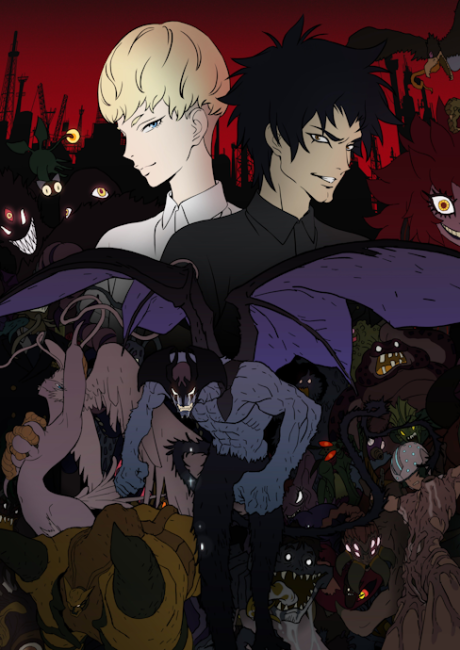
Devilman Crybaby
New Devilman project marking Go Nagai's 50th anniversary as a creator.
The protagonist Akira Fudou learns from his best friend, Ryou Asuka, that an ancient race of demons has returned to take back the world from humans. Ryou tells Akira that the only way to defeat the demons is to incorporate their supernatural powers, and suggests that he unite with a demon himself. Akira succeeds in transforming into Devilman, who possesses both the powers of a demon and the soul of a human. The battle of Devilman and Akira Fudou begins.
(Source: Netflix)
📺Anime Details
📝Editorial Analysis
The first time Akira Fudou screams—not in pain, not in rage, but in raw, animal surrender as his bones crack and split beneath his skin, veins blooming black like ink in water—you don’t hear the music. You feel the silence before the sound: a held breath in the throat of the world. His fingers curl into claws, his jaw unhinges just slightly too far, and for one fractured second, he’s neither boy nor demon—he’s threshold, trembling on the edge of self-annihilation. That moment isn’t spectacle. It’s confession.
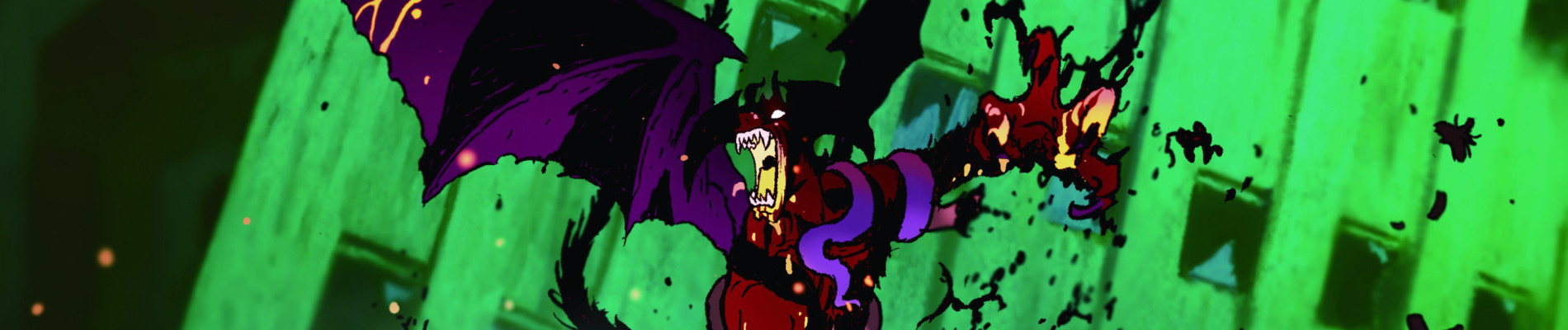
Devilman Crybaby doesn’t trade in mythic grandeur or heroic ascension—it trades in erosion. Not of morality, exactly, but of the illusion that identity is stable, that the body is a vessel you own, that love can survive unmediated by violence. Its horror isn’t demonic; it’s recognition. Every transformation is a violation of intimacy—skin peeling not to reveal power, but to expose how thin the line is between devotion and devouring. The urban decay isn’t backdrop—it’s psychic weather. The nudity isn’t titillation; it’s vulnerability stripped bare, not as shame, but as evidence: here is where the soul leaks out when the shell cracks. You don’t watch it to win. You watch it to witness—and feel your own pulse stutter when Ryou’s calm smile flickers, just once, into something ancient and hollow.
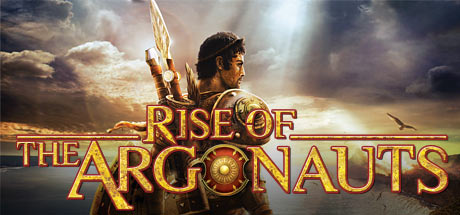
That emotional DNA—the weight of irreversible change, the way myth bleeds into personal collapse—echoes in games that treat folklore not as costume, but as infection. Rise of the Argonauts, for instance, drops Jason into grief so absolute it fractures time itself—his fiancé murdered on their wedding day, his vow to resurrect her twisting him through underworlds and divine betrayals. The player review notes it “does ancient history right”—but what makes it resonate with Devilman Crybaby isn’t accuracy. It’s the adult & dark seinen dimension: the way vengeance curdles into complicity, how every mythic trial chips away at Jason’s humanity until resurrection stops feeling like salvation and starts feeling like possession. Like Akira, he doesn’t gain power—he borrows it from forces that demand payment in pieces of himself.
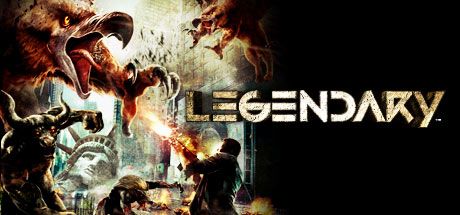
Then there’s Legendary, where Pandora’s Box isn’t metaphor—it’s literal containment, and the creatures inside aren’t monsters to slay, but repressed truths made flesh: werewolves, minotaurs, things that shapeshift because they remember what humans tried to forget. Its description names body horror & occult outright—and the player review praises its “incredible” animations, specifically how bodies move unnaturally, jarringly, with that same PS3-era “jank” that makes every transformation feel unwieldy, uncontrollable. That’s the point. When Deckard opens the box, he doesn’t unlock power—he unlocks consequence. Like Akira’s fusion, it’s not mastery. It’s surrender to the shape already living in your blood.
Even Jade Empire™: Special Edition, though tagged under romance & shoujo, carries that same tremor in its moral architecture. You don’t choose between good and evil—you choose between open palm and closed fist, philosophies baked into bone and breath. The player review mentions needing Reddit fixes to launch—a telling detail. This isn’t a polished fantasy. It’s fragile, demanding care just to function. And like Devilman Crybaby, its emotional narrative hinges on relationships that warp under ideological pressure: master-student bonds that become cages, loyalties that calcify into dogma, love that must be fought for in the same breath as survival. The romance isn’t decorative—it’s pressure, another force reshaping the self.
Who lives for this? Not the collector of lore, but the person who stares at their own reflection after a fight with someone they love—and wonders which version of themselves just won. The one who replays a cutscene not for plot, but to catch the micro-tremor in a character’s hand before they lie. The one who plays games not to conquer worlds, but to feel the ground give way beneath their choices—and who, when the screen cuts to black, sits very still, listening to the echo of their own heartbeat in the silence. They don’t want catharsis. They want resonance: that low, vibrating hum where myth meets marrow, where every scream is both warning and invitation.
🎮31 Games That Match the Vibe
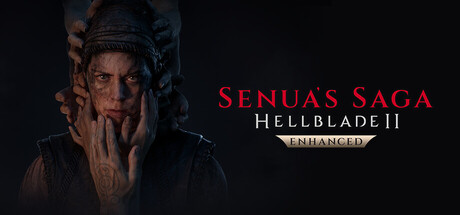
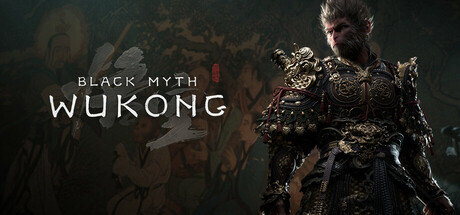
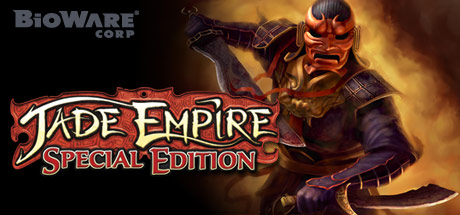







Match Dimensions Explained
❓Frequently Asked Questions
Why is Rise of the Argonauts listed as similar to Devilman Crybaby when it’s about Greek myth and not demons?
Because both lean hard into adult, dark seinen energy—Rise’s opening wedding massacre, Jason’s descent into morally gray vengeance, and the visceral, gory combat against cursed mythic beasts mirror Crybaby’s tone and emotional brutality. It’s not about demon lore specifically, but that same blend of tragic romance, mythic scale, and unflinching violence you get in episodes like 'The Night of the Black Sun'.
Is there a Devilman Crybaby game adaptation?
No—there’s never been an official Devilman Crybaby game. But Legendary comes closest in spirit: it stars Deckard, a thief who unleashes ancient mythic horrors from Pandora’s Box, and its body horror visuals (think writhing, biomechanical minotaurs and melting flesh effects) directly echo Crybaby’s grotesque transformations and apocalyptic dread.
How does Loki compare to Rise of the Argonauts for myth-based action?
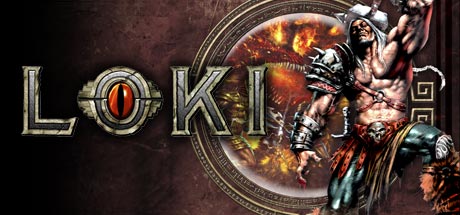
Rise delivers tighter, more cinematic melee combat with weighty swordplay and impactful boss fights—like your duel with the undead King Pelias—while Loki feels more like a glitchy Diablo-lite with four mythic heroes (e.g., the Norse berserker) but suffers from crashes and an anticlimactic ending. If you want mythic action *with emotional stakes*, Rise wins hands-down.
What’s the best game like Devilman Crybaby if I want that overwhelming, tragic-romance + mythic-horror vibe?
Jade Empire™: Special Edition—it’s got the emotional narrative depth and shoujo-tinged romance (like your bond with Dawn Star or Master Li) layered over mythic martial arts and cosmic stakes, plus that same sense of identity crisis and moral ambiguity. Just be ready to copy-paste 'steam.dll' from Reddit to get it running smoothly!