
DOOM + DOOM II
Developed by id Software, and originally released in 1993 and 1994, the definitive, newly enhanced versions of DOOM + DOOM II are available as a combined product.
🎮Game Details
💬What Players Say
"This game was the reason my dad and I built our first computer. A 486, in 1993. We even had a Sound blaster sound card!..."
"Great game! Sadly my pc can only run it at 5fps :( Hope that issue gets fixed!"
"Without a Doubt The Best Game of all time ??? I want you to know games like this are completely unmatched They will go along unmatched by anyones standards past, present and future makes me laugh when people say our generation grew up no no it's a fact "We've forgotten what makes us strong" and instead settle of baked 3d models front and back coloured all brown all over the place no subtance. no subtance what so ever what you call mechanics and realism i call gimmicks and cheese...."
📝Editorial Analysis
The thump-thump-thump of your own heartbeat syncing with the bassline of the soundtrack — not because it’s composed that way, but because your pulse is hammering against your ribs as you round a corner in E1M1 and three imps materialize from smoke, their eyes burning crimson, their claws already swinging. You’re on a 486, your dad’s hand still warm on the case fan he just cracked open to clean the dust, the Sound Blaster crackling with digitized screams and shotgun blasts that shake the cheap speakers. There’s no pause menu, no tutorial pop-up — just raw, unmediated velocity. That moment isn’t nostalgia. It’s presence: your fingers glued to the keyboard, your breath shallow, your entire nervous system locked into the rhythm of reload-fire-dodge-kill-reload.
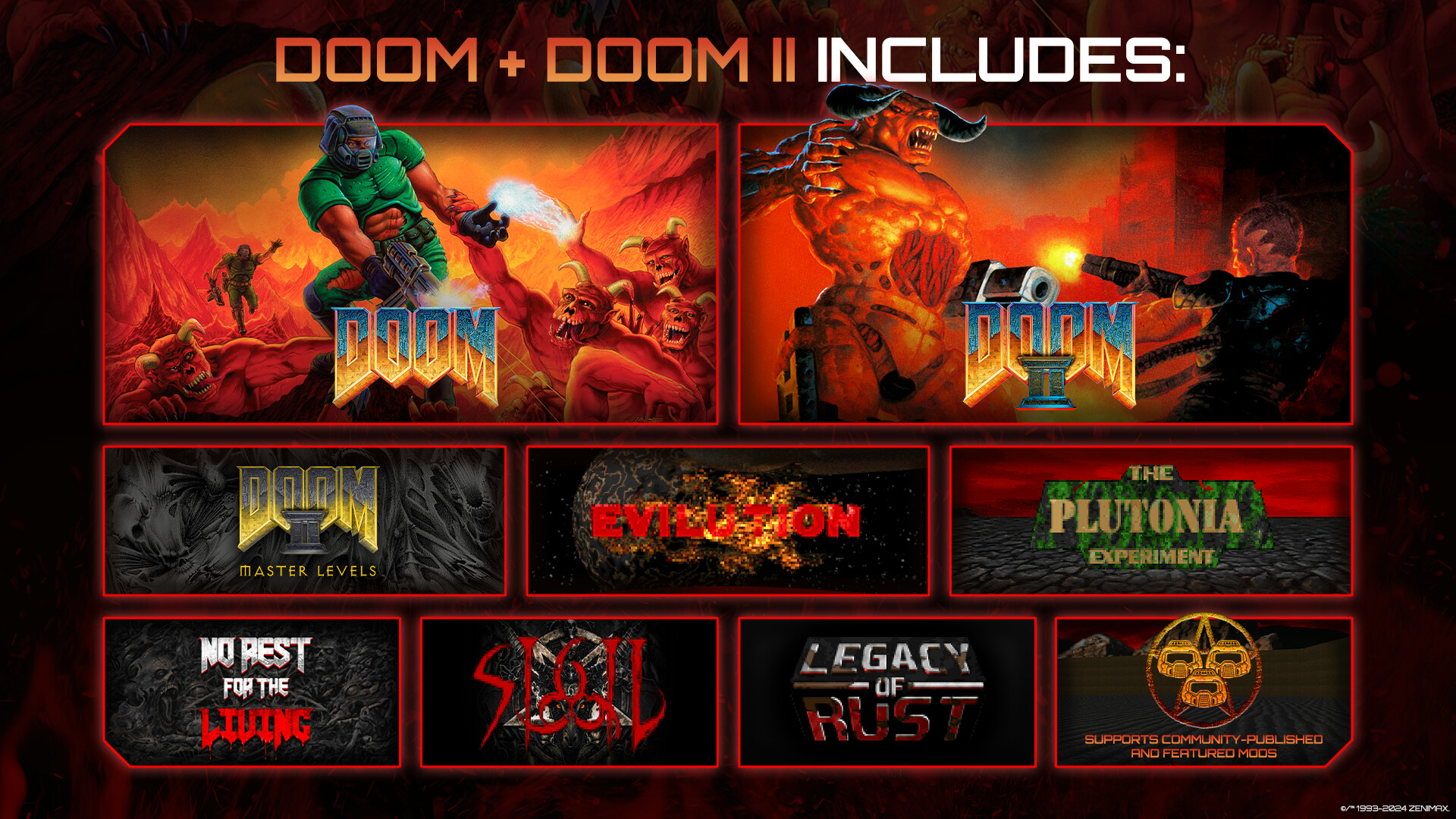
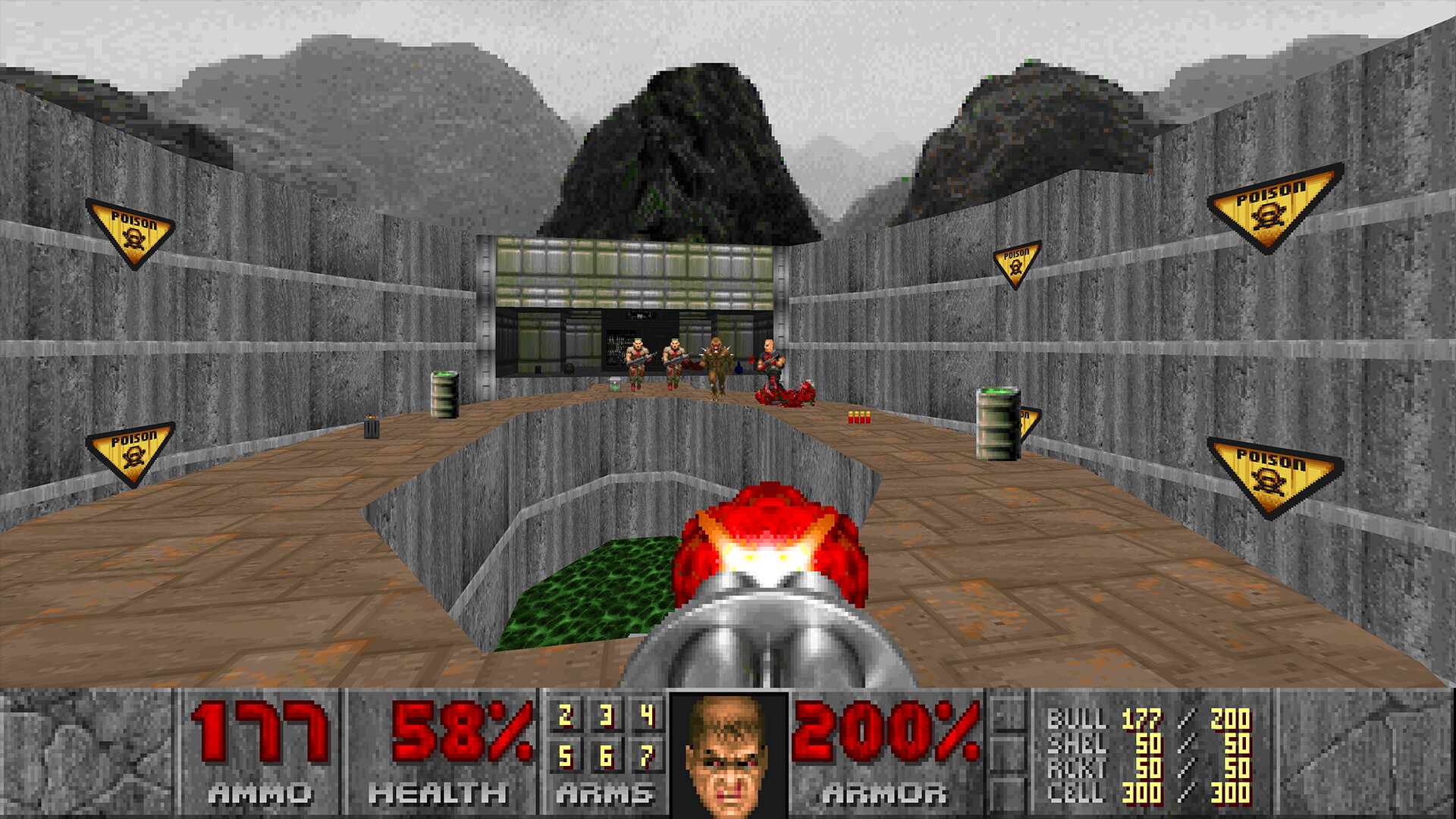
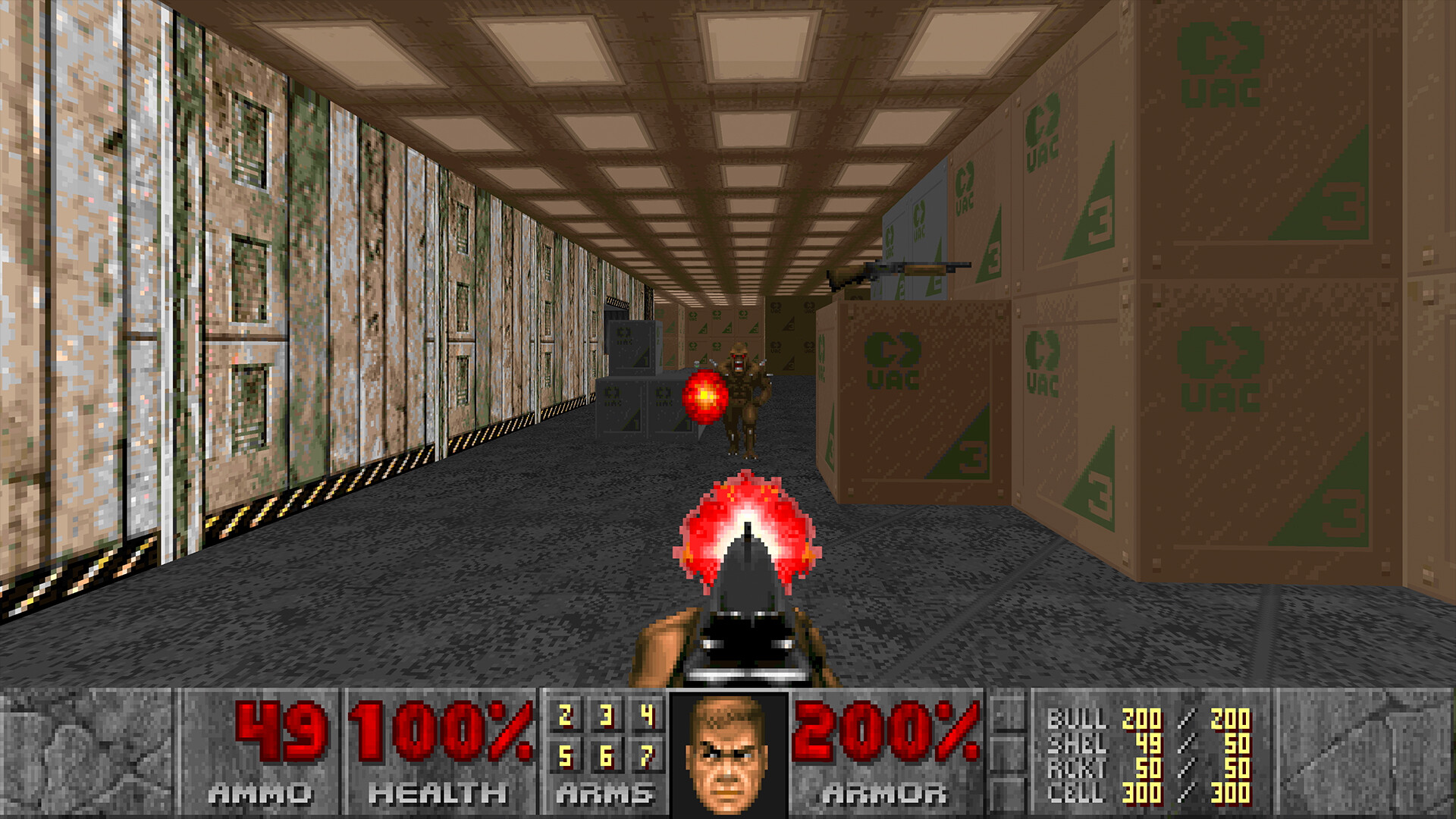
What makes DOOM + DOOM II singular isn’t its tech or even its legacy — it’s how it weaponizes immediacy. No cutscenes, no exposition dumps, no moral ambiguity: hell opens, you walk in, and every corridor, every flickering light, every distant growl through the walls feels like an extension of your own adrenal wiring. It doesn’t ask you to empathize — it forces embodiment. You don’t watch the horror; you breathe it, stumble through it, blast your way out of it with sheer, sweaty, defiant refusal. The player reviews nail it: “WOO!” isn’t exclamation — it’s release. “5fps” isn’t a complaint — it’s reverence for the sheer effort required to run this thing, to earn that speed, that chaos, that aliveness. This isn’t escapism. It’s engagement at the nerve level — frantic, tactile, gloriously unapologetic.
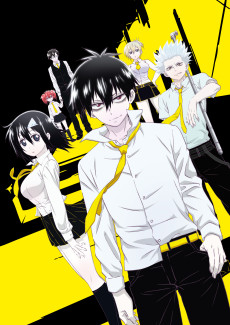
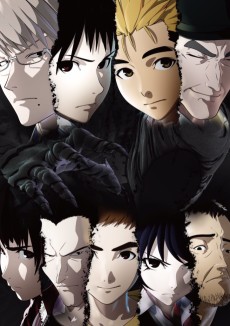
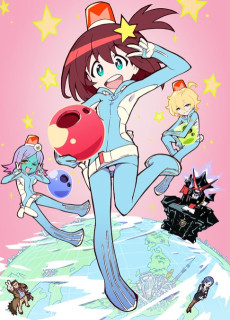
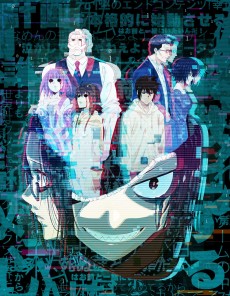
That same voltage surges through Gintama.: Slip Arc, where action isn’t choreographed — it’s collapsing. Bodies twist mid-air like broken puppets, limbs detach with cartoonish gore that somehow lands with visceral weight, and the occult isn’t mystical — it’s leaking, oozing from alleyways and subway tunnels like something that shouldn’t hold shape. The shared DNA isn’t in plot — it’s in the Action Spectacle dimension fused with Body Horror & Occult: both treat flesh as unstable terrain, physics as optional, and consequence as secondary to the sheer impact of motion. Likewise, Go! Go! Loser Ranger! Season 2 mirrors DOOM + DOOM II’s reckless propulsion — space isn’t explored, it’s violated. Ships explode in jagged polygons, enemies shatter into glittering debris, and every fight feels less like combat and more like a high-speed collision between willpower and entropy. The Sci-Fi & Space dimension here isn’t about wonder — it’s about scale-as-assault, where the void isn’t empty — it’s loaded, waiting to detonate.
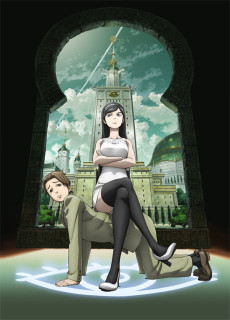
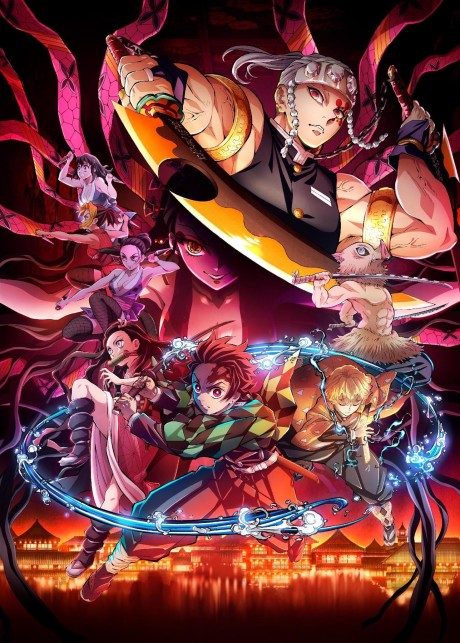
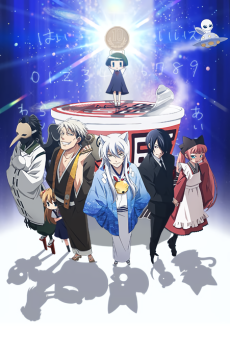
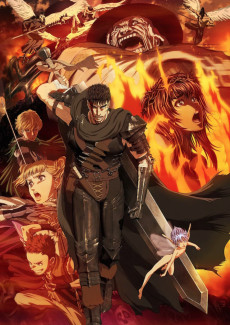
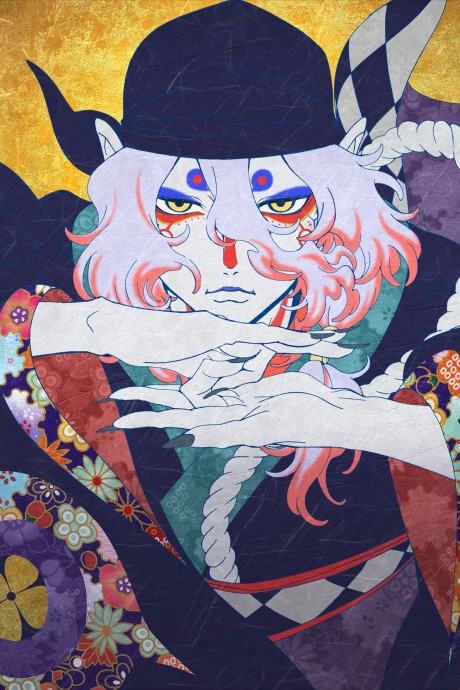
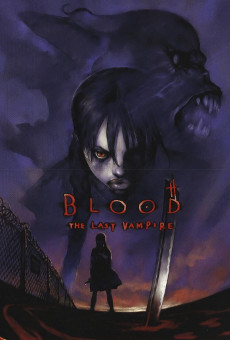
Then there’s Malevolent Spirits: Mononogatari, where the Adult & Dark Seinen layer deepens the resonance. Like DOOM + DOOM II, it refuses comfort. Its body horror isn’t shock-for-shock’s-sake — it’s ontological violation, the slow unraveling of what “human” means when spirits wear skin like ill-fitting suits. The action isn’t heroic — it’s desperate, flawed, often ugly, echoing that same 486-era feeling of fighting with tools barely holding together. And Demon Slayer: Kimetsu no Yaiba Entertainment District Arc hits the exact same frequency in its Action Spectacle + Body Horror & Occult fusion: Tanjiro’s breath control isn’t technique — it’s survival rhythm, matching the game’s relentless tempo, while the demons’ transformations — melting, splitting, reassembling — mirror the way a cacodemon’s belly splits open mid-leap, all grotesque geometry and snapping jaws. Even Bleach, with its Hollow masks cracking to reveal screaming faces beneath, taps into that same id-driven dread: the enemy isn’t outside — it’s already inside the frame, wearing a face you almost recognize.
This pairing isn’t for the patient. It’s for the person who keeps a CRT monitor powered on just to feel the scanlines vibrate under fast motion. It’s for the viewer who rewinds fight scenes not to study angles — but to re-experience the lurch in their stomach when a character’s arm gets replaced by a writhing mass of teeth. It’s for the player who still hears the thump-thump-thump in silence — and smiles, because they know that rhythm isn’t fading. It’s waiting.
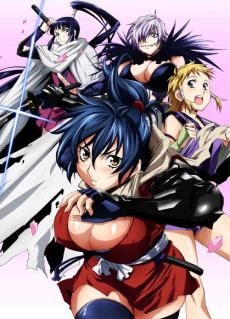
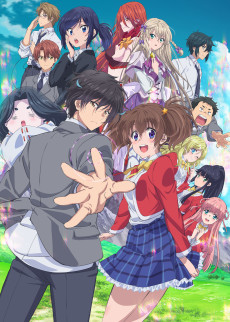
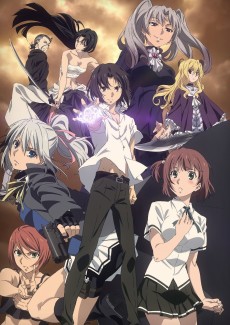
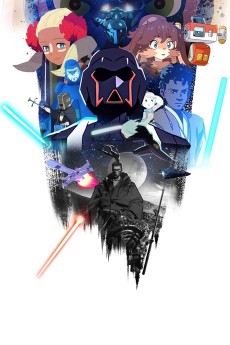
→167 Anime That Match the Vibe

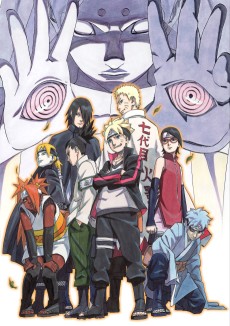
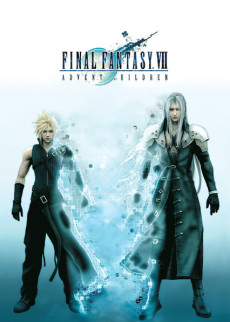
Pure kinetic energy — the action choreography in both is some of the best in their medium.
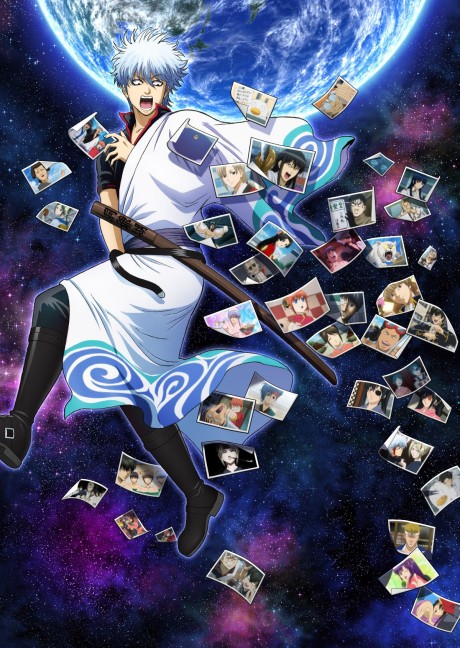
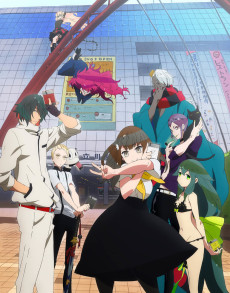
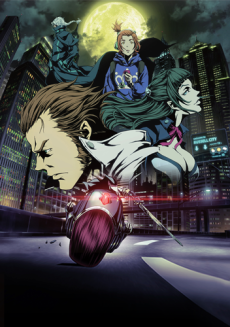
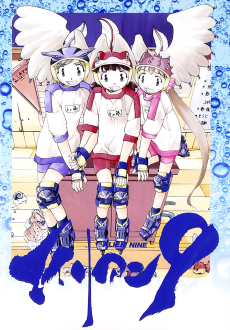
Porori’s watery onomatopoeia echoes the gurgling, biomechanical ruptures of DOOM’s demon limbs—both weaponize visceral body horror as punctuation. Where DOOM II’s Hell levels escalate with grotesque spatial logic, *Gintama.: Slip Arc* fractures tonal gravity mid-battle: a severed arm sprouts tentacles *then* cracks a joke about ramen broth. This shared commitment to sci-fi chaos—💥 Action Spectacle fused with 👻 Body Horror & Occult—makes their collision feel less like crossover and more like dimensional bleed.

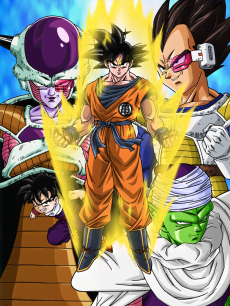
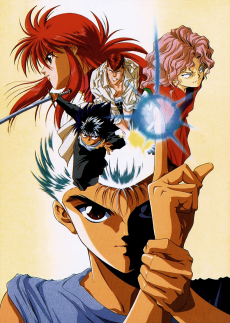
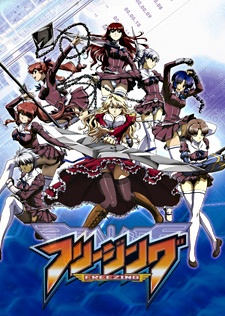
Freeza’s planet-destroying Death Ball mirrors DOOM’s hellish energy blasts—both weaponize cosmic-scale destruction as visceral spectacle. Where Goku’s Super Saiyan transformation erupts in blinding gold light, DOOM’s BFG 9000 unleashes a screen-filling wave of green plasma: pure, unmediated action spectacle rooted in raw power fantasy. Unlike most sci-fi, neither pauses for exposition; they sprint from crater to crater, space station to Namek, feeding adrenaline through relentless escalation.
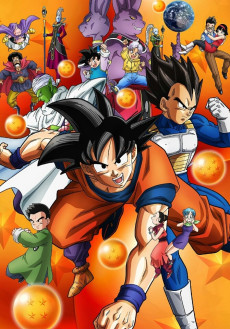
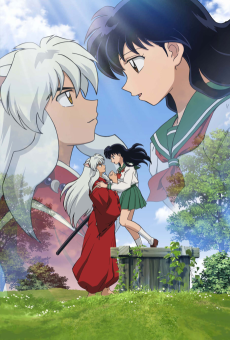
Goku’s Ultra Instinct clashes—where reality fractures into strobing light and shattered terrain—mirror the DOOM Slayer’s corridor-slicing frenzy: both weaponize chaos as catharsis. Unlike most action media, neither pauses for exposition mid-battle; Dragon Ball Super’s Tournament of Power collapses dimensions while DOOM II’s Hell levels detonate geometry, feeding the same adrenal *Action Spectacle*. That shared refusal to let physics or silence interrupt momentum makes their synergy startlingly physical—not thematic, but visceral.

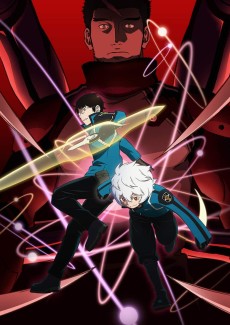
Pure kinetic energy — the action choreography in both is some of the best in their medium.
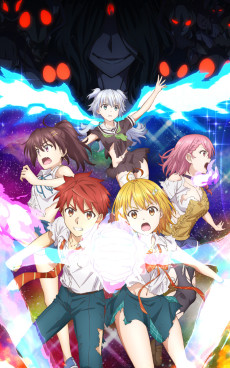
Pure kinetic energy — the action choreography in both is some of the best in their medium.

Pure kinetic energy — the action choreography in both is some of the best in their medium.

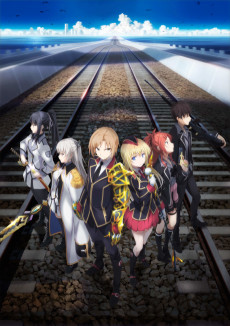
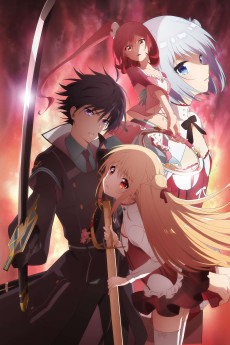
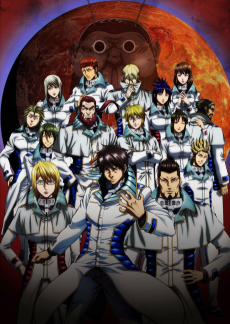
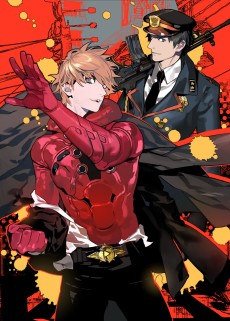
A blood-splattered shotgun blast in DOOM II’s Hell dimension hits with the same chaotic glee as Loser Ranger Red’s botched teleportation mid-battle—both weaponize failure as spectacle. Where DOOM’s relentless demon hordes escalate through claustrophobic corridors, Season 2 of *Go! Go! Loser Ranger!* leans harder into cosmic absurdity: the Rangers’ new space-based missions and escalating alien threats mirror DOOM’s shift from military base to interdimensional inferno. This shared commitment to **Action Spectacle**—unhinged, physics-defying, and joyfully excessive—makes their resonance feel less like coincidence and more like a shared punk ethos: victory isn’t clean, it’s loud, messy, and gloriously unapologetic.
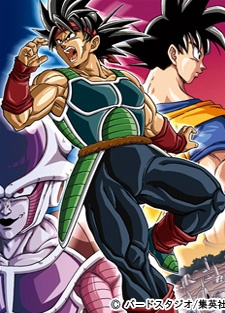
Bardock’s time-traveling crash onto a prehistoric alien world—where he battles reptilian warriors with raw ki blasts—echoes DOOM’s hellish corridors erupting with grotesque, biomechanical demons. Unlike most sci-fi action, both weaponize visceral *Action Spectacle*: the shotgun blast shattering a cacodemon’s skull mirrors Bardock’s final, defiant energy wave tearing through Frieza’s henchmen. That shared, unrelenting kinetic fury—grounded in spatial disorientation and bodily rupture—makes their convergence startlingly coherent.
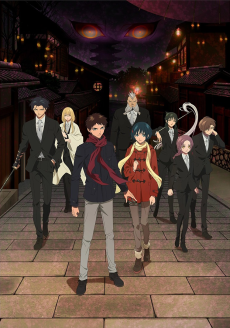
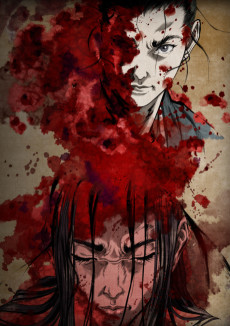
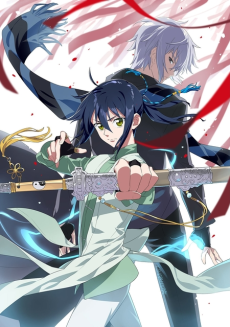
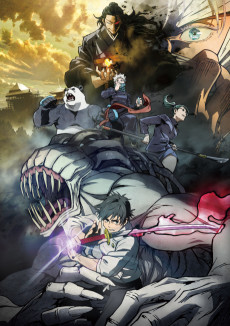
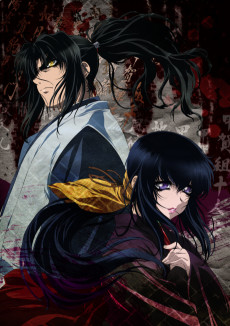
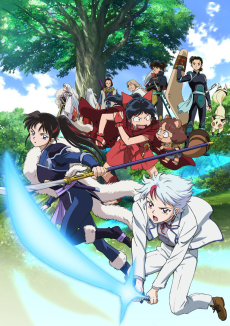
A guttural roar echoes as Hyoma’s arm tears open to reveal writhing spirit-rot—mirroring the visceral *spurt* of green blood when a Doomguy rips a Cacodemon’s jaw off. Unlike most supernatural action, both weaponize **Body Horror & Occult** not for shock alone, but as physical metaphors for rage made flesh: Hyoma’s cursed transformations and the marine’s biomechanical hellscapes alike turn trauma into grotesque, kinetic spectacle. That shared commitment to unflinching, adult-oriented escalation makes their dark synergy startlingly coherent—not stylistic mimicry, but parallel evolution of fury into form.










![Fate/stay night [Heaven’s Feel] III. spring song](https://s4.anilist.co/file/anilistcdn/media/anime/cover/large/bx21719-MSdTlkno0Z0u.jpg)
















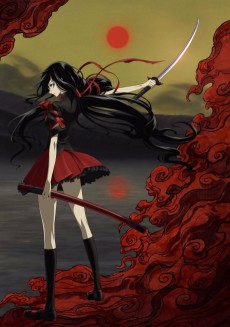


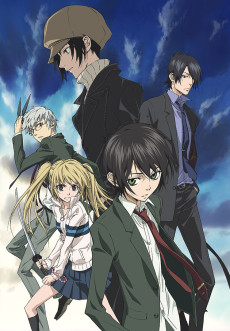




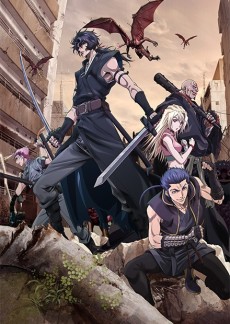
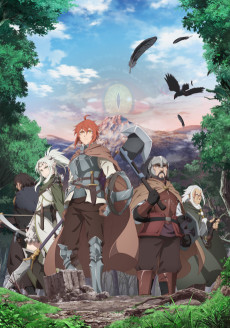
















![Fate/stay night [Heaven's Feel] I. presage flower](https://s4.anilist.co/file/anilistcdn/media/anime/cover/medium/bx20791-yPCX5GJuMH2k.png)


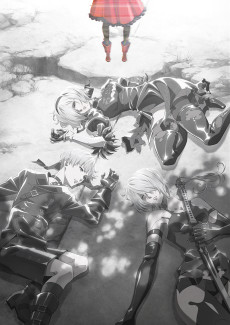
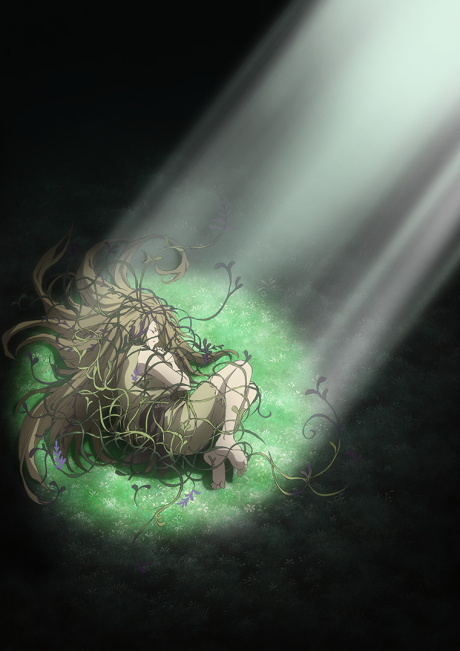
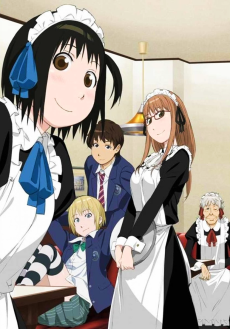
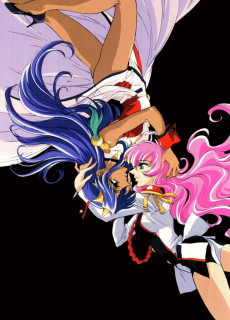



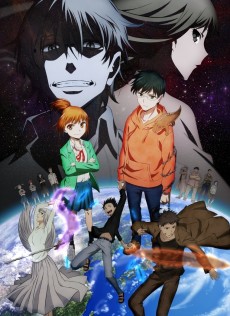
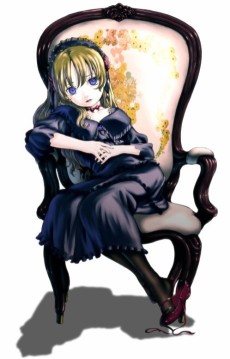

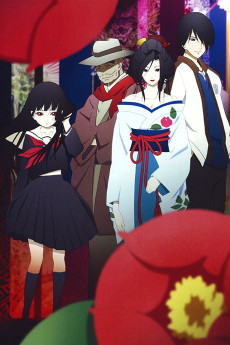
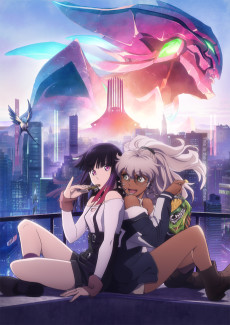



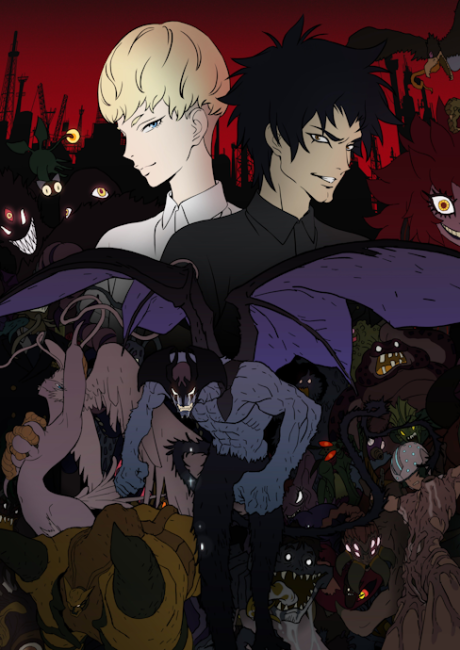


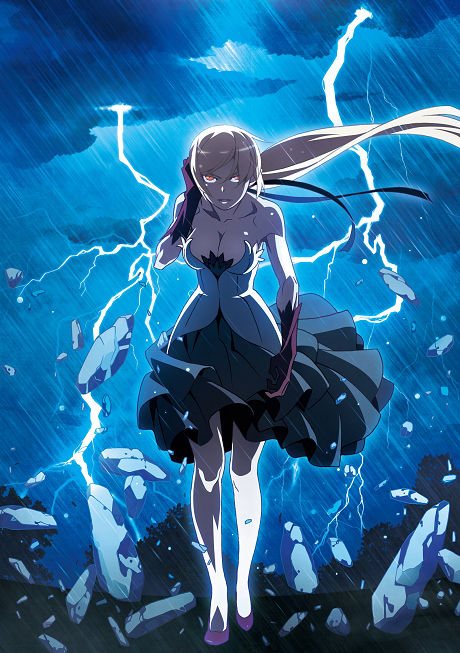


Match Dimensions Explained
❓Frequently Asked Questions
Why is Gintama. Slip Arc considered like DOOM + DOOM II?
Because both weaponize chaotic, over-the-top action with zero chill—like when Gintoki’s wooden sword shatters a demon’s jaw mid-air while screaming nonsense, mirroring DOOM’s shotgun blast that sends a Baron of Hell flying backward in ragdoll physics. The Slip Arc’s body horror (e.g., alien parasites bursting from hosts) and sci-fi chaos (space pirates, cybernetic cults) hit the same visceral, unrelenting energy as id Software’s ‘press forward, shoot everything’ design.
Is there an anime adaptation of DOOM or DOOM II?
No official anime adaptation exists—but Malevolent Spirits: Mononogatari comes closest in *spirit*: its cursed spirit battles feature rapid-fire exorcism combos, grotesque transformations (like a priest’s arm melting into a writhing tentacle mass), and that same oppressive, claustrophobic dread as navigating DOOM II’s hellish E2M8 map. It’s not licensed, but fans who love DOOM’s adult-dark tone and relentless pacing consistently cite it as the spiritual anime twin.
How does Demon Slayer’s Entertainment District Arc compare to Bleach for DOOM-like energy?
Both nail DOOM’s ‘action spectacle + body horror’ vibe, but Demon Slayer leans harder into visceral, frame-by-frame brutality—think Akaza’s blood-bursting teleport slashes or Daki’s hair-thrashing swarm attacks—while Bleach’s Hollow transformations (like Ulquiorra’s second release) emphasize eerie stillness before explosive violence. If DOOM is a chainsaw revving nonstop, Demon Slayer is the chainsaw; Bleach is the chainsaw *and* the haunted garage it’s stored in.
What’s the best anime like DOOM + DOOM II if I want that ‘built my first PC in ’93’ nostalgic adrenaline rush?
Go! Go! Loser Ranger! Season 2—it’s pure analog-era chaos: low-budget-looking mecha fights, absurdly loud sound design (like your Sound Blaster card finally clipping), and self-aware, sweaty desperation as the rangers literally reboot their own suits mid-battle. That ‘486 build’ feeling? It’s right there in every scene where they yell ‘WE’RE NOT LOSERS… YET!’ while firing a glitchy, screen-filling beam—just like DOOM’s ‘WOO!’ moment meets ‘I want you to know games like this are completely unmatched’ energy.