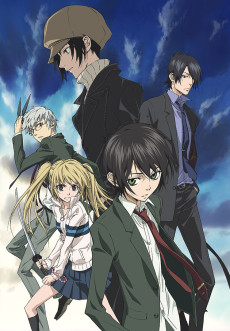
Nabari no Ou
Silent, apathetic yet mischievous, 14-year-old Rokujou Miharu is the bearer of the hijutsu, "Shinrabanshou", a powerful technique many ninja clans desire to possess to become the ruler of Nabari. Fellow classmate Kouichi and his English teacher Kumohira are both secretly Banten clan ninjas, pledging themselves to protect Miharu from his many attackers. Keeping apathetic, Miharu attempts to reject their invitation to join their ninja ‘club’ however, after numerous attacks; he finds no choice but to join their group as a means for his survival. Slowly, Miharu takes a step closer to becoming the ruler of Nabari.
📺Anime Details
📝Editorial Analysis
Rain slicks the pavement outside Miharu’s apartment window—not the gentle kind, but the cold, insistent drizzle that turns streetlights into smeared halos and makes every shadow feel like it’s holding its breath. He stands there, barefoot, watching a stray cat dart across the wet asphalt, then freeze mid-stride—head cocked, ears pricked—not at sound, but at presence. A second later, a blade whistles past where his throat had been. No shout, no warning. Just silence, then steel, then the slow drip of blood from a shallow cut on his collarbone. That’s Nabari no Ou: not spectacle for spectacle’s sake, but the weight of being watched, the exhaustion of existing as both weapon and target, the quiet dread that settles in your ribs when you realize your own body holds something others would kill to own.
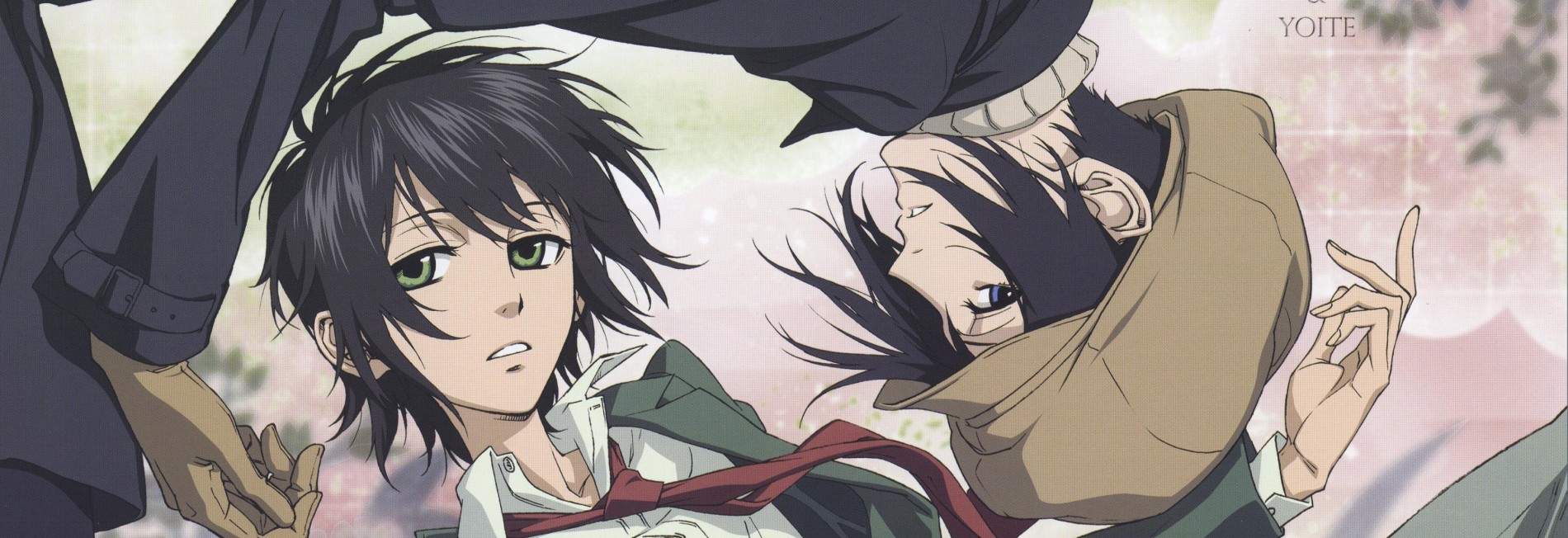
What makes Nabari no Ou ache so distinctly isn’t its ninja clans or hijutsu—it’s how relentlessly interior it feels, even during fights. This isn’t about glory or mastery; it’s about a boy who’s forgotten himself trying to hold onto the one thing he hasn’t lost: the right to say no. His apathy isn’t detachment—it’s armor worn thin by years of erasure. The urban fantasy isn’t glittering or mythic; it’s fluorescent-lit convenience stores, cramped school corridors, the hum of a broken AC unit in Kumohira’s apartment—places where violence erupts not as grand confrontation, but as violation of ordinary space. You don’t feel empowered watching Miharu—you feel tense, hyper-aware of doorways, stairwells, the gap between footsteps. It’s the emotional DNA of perpetual low-grade siege: the exhaustion of being perpetually on watch, the loneliness of carrying a secret so heavy it reshapes your posture, your silences, the way you flinch at sudden movement.
That same tension lives in Prince of Persia—not the acrobatic flourish, but the dread beneath the romance. Its description calls it “an all-new epic journey” built by Ubisoft Montreal, and player reviews note it’s the third reboot, introducing “a new prince, new lands and a brand new story completely separate from the sands…”—a deliberate severing, an amnesia of legacy. Like Miharu, this Prince carries inherited power he didn’t ask for, navigating treacherous politics where trust is tactical, not tender. The romance isn’t sugary—it’s fraught, conditional, layered with duty and deception. You feel the same tightness in your shoulders here: the weight of lineage, the fatigue of performance, the way intimacy becomes another kind of vulnerability to manage.
Then there’s Persona 5 Royal, whose description positions it as a stylish RPG about “building relations” while exploring Tokyo—but player reviews zero in on the soundtrack and the seamless transition between daily life and danger. That duality is Miharu’s world: solving math problems in class while calculating escape vectors, sharing bento boxes while sensing the chakra signature of a Banten guard three floors up. The Phantom Thieves operate in plain sight, just as Miharu walks past Kouichi in the hallway, neither acknowledging what they both know—that safety is borrowed time, and every normal moment is a fragile, conscious choice. The game’s “adult & dark seinen” dimension mirrors Nabari no Ou’s refusal to soften its stakes: relationships aren’t safe havens—they’re high-stakes negotiations where affection and survival blur.
Even the raw, unrelenting velocity of DOOM + DOOM II resonates—not in tone, but in physiology. Its description cites id Software’s 1993–94 originals, enhanced but unchanged in core design; player reviews recall building a 486 computer just to run it, the Sound Blaster crackling like live wire. That visceral, almost painful immediacy—the way your pulse spikes at the first growl of a demon, the way your thumbs lock into muscle memory before thought catches up—is Nabari no Ou’s fight choreography distilled: no flash, no pause, just impact, reflex, consequence. When Miharu’s Shinrabanshou activates—not as light show, but as a sudden, nauseating shift in gravity, a split-second where time thins and bodies move wrong—it hits with the same bodily certainty as a shotgun blast in DOOM: less “look at this cool move,” more “you are now inside the danger.”
This pairing isn’t for fans of ninja tropes or action set-pieces. It’s for the ones who remember holding their breath during Miharu’s first real smile—not because it’s joyful, but because it’s risky, because it means he’s letting the walls soften, just a fraction. It’s for players who replay Persona 5 Royal’s rainy Shibuya crosswalk not for the dialogue, but for the way the rain sounds different when you’ve just confessed something true. For those who still feel the phantom recoil of a DOOM shotgun in their palms, or who understand why the Prince’s silence, in that final corridor before the throne room, says more than any monologue ever could. They’re the ones who recognize apathy not as emptiness—but as the last intact boundary of a self under siege.
🎮34 Games That Match the Vibe



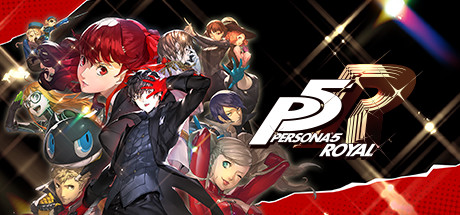



Match Dimensions Explained
❓Frequently Asked Questions
Why does Prince of Persia keep showing up in 'Games Like Nabari no Ou' lists?
Because both hinge on a brooding, hyper-competent male lead (Nabari’s Miharu vs. PoP’s Prince) who masters impossible acrobatics while navigating political intrigue and supernatural stakes—like the Prince’s time-bending dagger mirroring Miharu’s Shinra Banshou scroll. The shared 'Romance & Shoujo' + 'Adult & Dark Seinen' dimensions mean they balance swoony tension with visceral action spectacle, not just flashy fights but emotionally charged betrayals (e.g., the Prince’s confrontation with the Vizier echoes Miharu’s clashes with Raikō).
Is there a Nabari no Ou video game adaptation?
No—there’s never been an official Nabari no Ou game, anime tie-in or otherwise. That’s why fans lean hard into matches like Persona 5 Royal, where Joker’s dual life as a high schooler *and* leader of the Phantom Thieves mirrors Miharu’s quiet student facade hiding world-shaking power—and the Confidant system even echoes how characters like Yoite or Hotarubi slowly open up, just like in the manga’s slow-burn trust arcs.
How does Persona 5 Royal compare to Prince of Persia for Nabari no Ou fans?
If you love Nabari’s blend of grounded teen drama and high-stakes supernatural conflict, Persona 5 Royal nails the former (Joker’s Tokyo school life, Confidants like Ann or Makoto) while Prince of Persia delivers the latter (razor-edge parkour, mythic scale, that jaw-dropping sand-trap sequence). Both score high on 'Romance & Shoujo' *and* 'Adult & Dark Seinen'—so you get emotional intimacy *and* mature themes, unlike Quake III Arena or DOOM, which are pure 'Action Spectacle' without the character depth.
What’s the best Nabari no Ou-like game if I want that intense, lonely-yet-destined vibe?
Go straight to Persona 5 Royal—it captures that exact feeling: Joker starts isolated, underestimated, then gradually gathers allies who see his true strength, just like Miharu slowly earning loyalty from Yoite, Toki, and even Raikō. The rainy Shibuya crosswalk, the quiet moments in Leblanc after a heist, the way your Confidant with Goro Akechi twists from mentorship to betrayal—it’s all soaked in the same melancholy, fated intensity as Nabari’s rooftop confessions and Yoite’s ‘I’ll erase myself for you’ scenes.