Shank
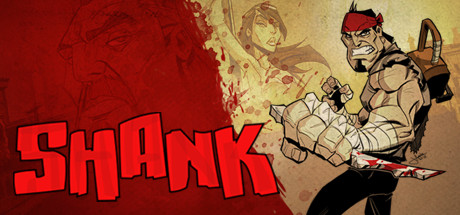
Shank is the cult-classic revival of the sidescrolling beat-em-up. Play as Shank in an over-the-top grindhouse game, packed to the rim with enemies, bosses, combos, and more by the award-winning team at Klei Entertainment.
🎮Game Details
💬What Players Say
"I must have rose tinted glasses back then because I enjoy this in the past. The game is still enjoyable, but with newer better titles this feels outdated & janky. I don't like the delay input style this game react to controls...."
"finished it in 3hrs now but 15 years ago i couldnt even pass the stage 1 bought and played for memories 8/10 shanks"
"simple and good ."
📝Editorial Analysis
The screen erupts—not with light, but gore: a spray of crimson arcs as Shank’s machete cleaves a thug clean at the waist, his torso toppling forward while his legs stay rooted, knees locked in mid-lunge. No pause, no flinch—just the wet thunk of impact, the crunch of bone snapping under steel, and the camera jerking sideways like a handheld cam in a battered VHS tape. That’s Shank: not just violence, but grindhouse rhythm—a sidescrolling beat-em-up where every parry, every chain combo, every dismemberment lands with the tactile, unapologetic weight of a Tarantino shootout filmed on 16mm stock. It’s raw, it’s janky, it’s deliberately unrefined—exactly what Player Review 3 meant when they called it “like tarantino moviee”: all swagger, sweat, and splatter, held together by sheer stylistic conviction.
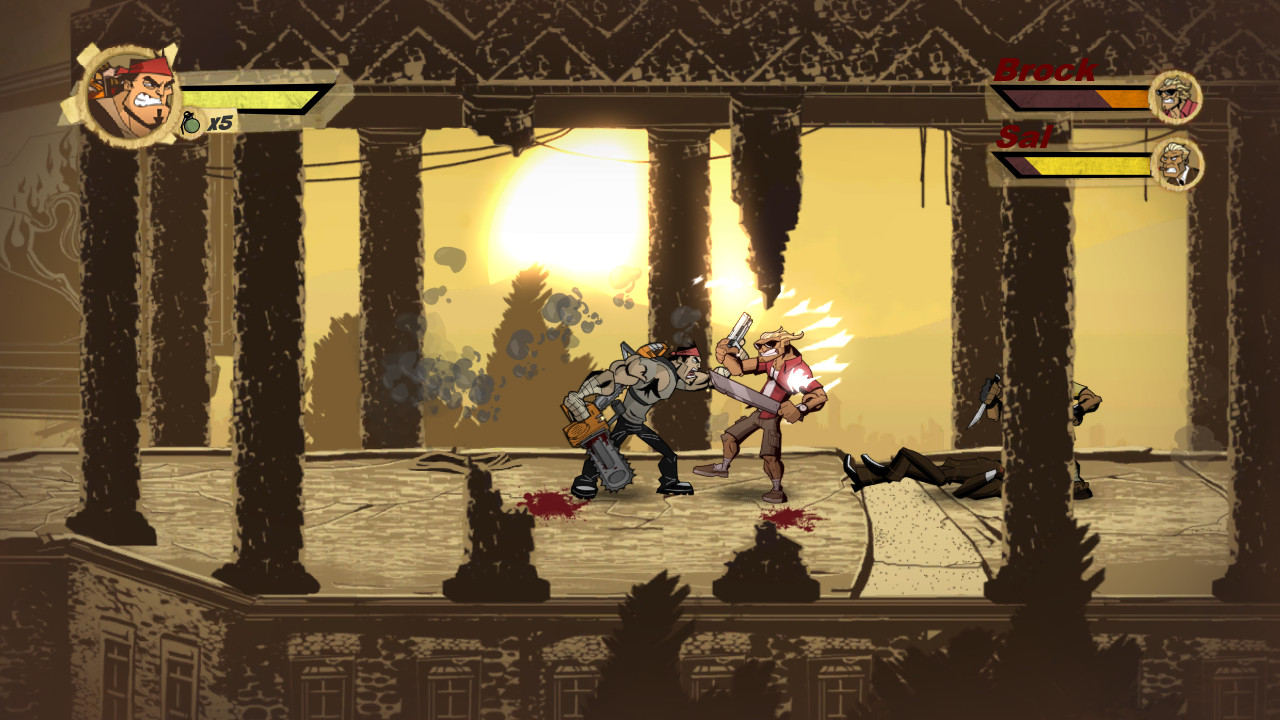
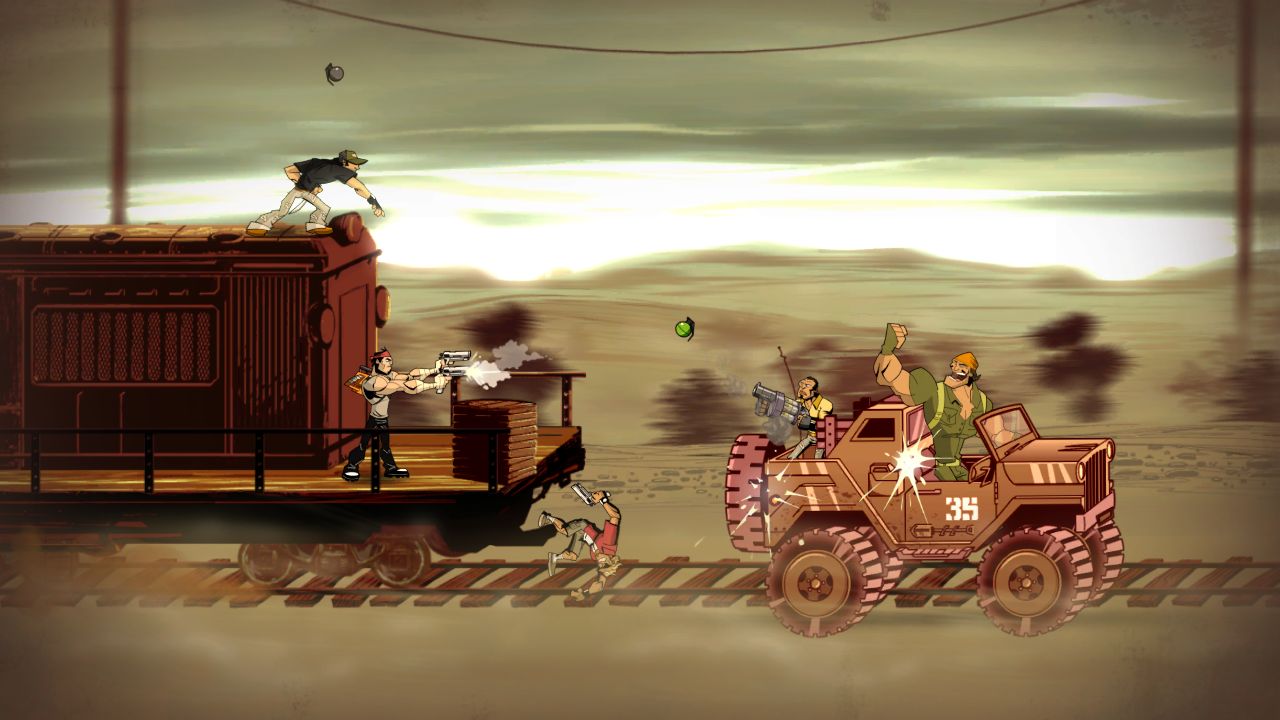
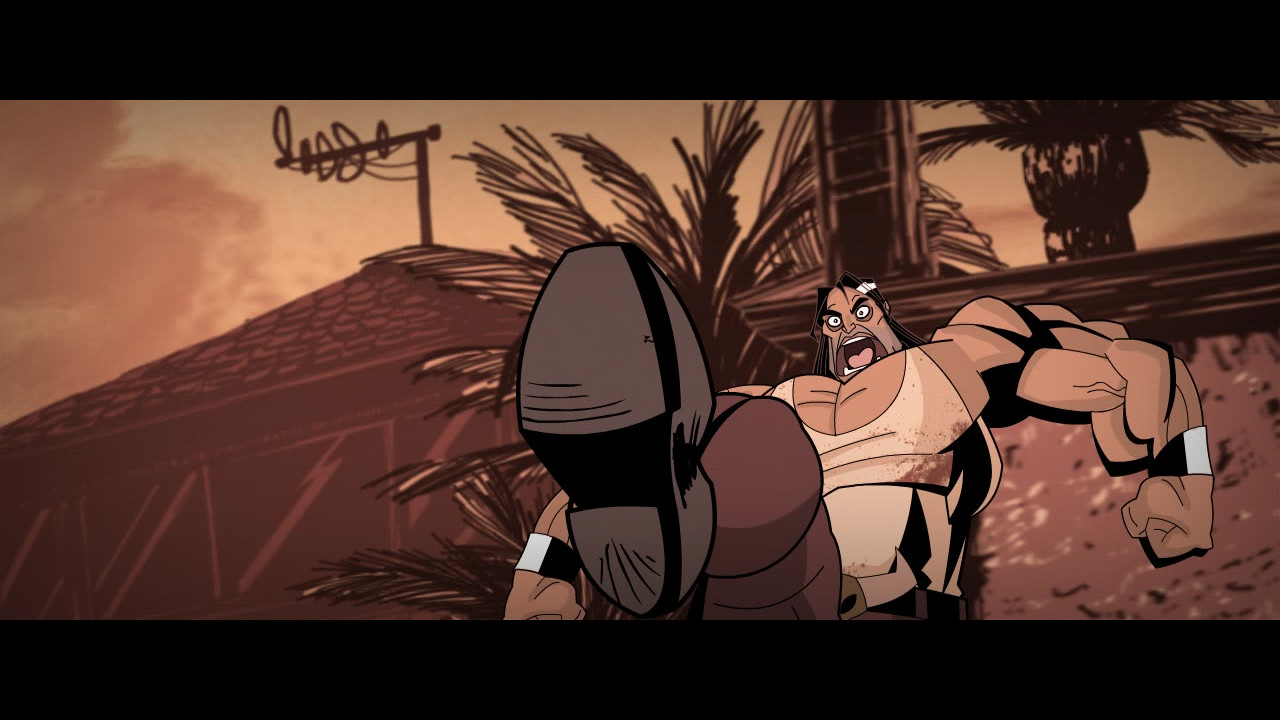
What makes Shank’s atmosphere unique isn’t its genre—it’s the feeling of controlled chaos. Not chaos as randomness, but chaos as ritual: the way combos flow like choreographed bloodletting, the way bosses aren’t puzzles to solve but spectacles to survive—each one a grotesque set piece dripping with over-the-top menace. You feel physically present in that world—not because it’s realistic, but because it’s textured: the delay in input (as Player Review 1 gripes about) isn’t a flaw—it’s part of the grindhouse grammar, like the slight film wobble before a gunshot. It forces you into Shank’s tempo: deliberate, brutal, unhurried in its cruelty. You don’t just defeat enemies—you perform their erasure. And that performance echoes something older, darker, more visceral than gameplay polish: it’s the thrill of mythic retribution, stripped of moral scaffolding and drenched in stylized consequence.
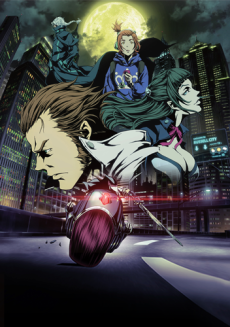
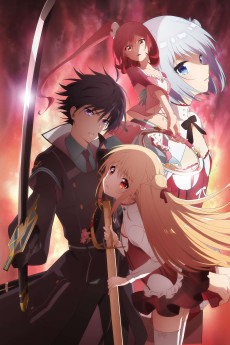
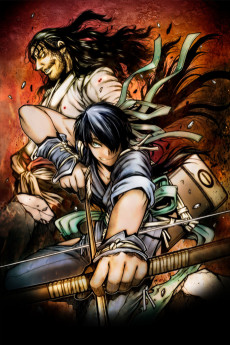
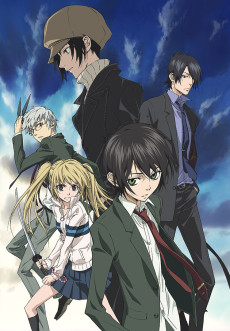
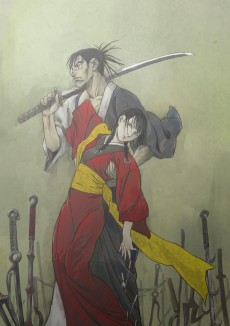
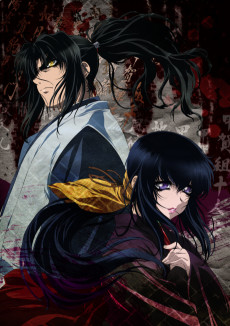
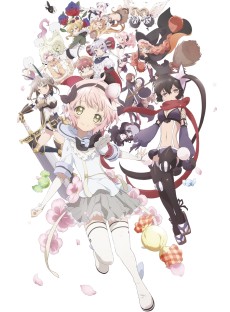
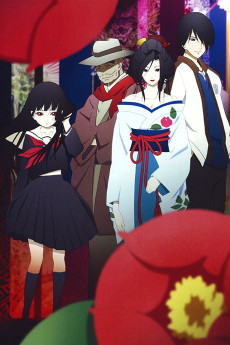
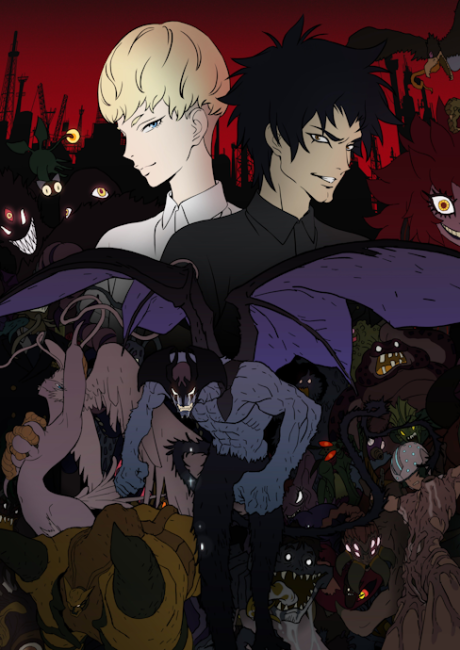
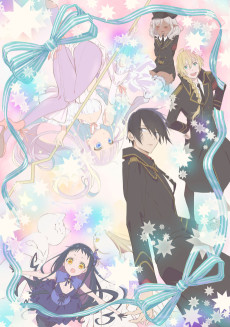
Malevolent Spirits: Mononogatari shares that same ritualistic dread. Its action isn’t about winning—it’s about unmasking, about peeling back layers of spiritual rot until the body itself becomes a site of revelation. Like Shank’s dismemberments, Mononogatari’s body horror isn’t shock for shock’s sake; it’s symbolic anatomy—the jaw unhinging to reveal truth, the limbs dissolving into ink and memory. Both treat violence as exposition: Shank’s machete carves through thugs to expose the hollow core of vengeance; Mononogatari’s exorcisms carve through spirits to expose the wound beneath trauma. The adult & dark seinen dimension isn’t just tone—it’s perspective: no redemption arc promised, no innocence preserved—just the cold clarity of consequence, rendered in saturated reds and jagged linework.
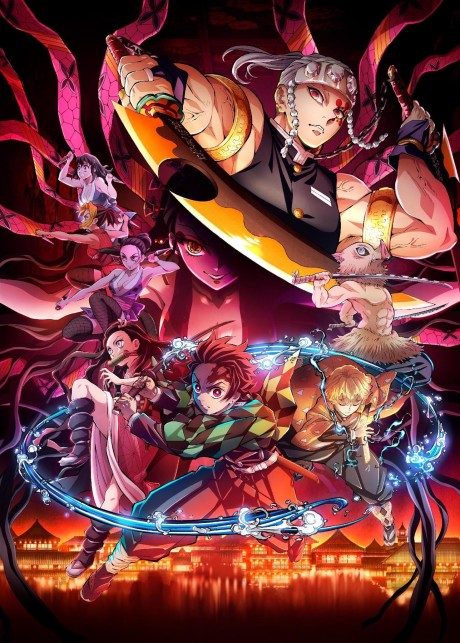
Demon Slayer: Kimetsu no Yaiba Entertainment District Arc matches Shank in action spectacle fused with body horror & occult. Watch Tanjiro’s Hinokami Kagura—each spin, each slash, each breath-driven motion isn’t just combat; it’s kinetic incantation. Like Shank’s combos, it’s rhythmic, almost dance-like—but every flourish ends in viscera: a demon’s arm severed mid-swing, their flesh bubbling and reforming, only to be cleaved again. The fight choreography doesn’t hide the cost—it lingers on the aftermath: torn kimonos, arterial spray catching lamplight, the wet resistance of cutting through cursed flesh. That’s Shank’s DNA: spectacle that refuses to look away from the physical toll, where power isn’t clean—it’s messy, exhausting, and deeply, deeply corporeal.
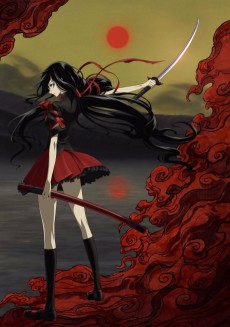
Bleach, especially its Soul Society arc, mirrors Shank’s emotional architecture: a lone figure moving through hostile, vertically stacked spaces, weapon drawn, surrounded by enemies who don’t just attack—they mock, they taunt, they embody ideological corruption made flesh. Ichigo’s Bankai isn’t just stronger—it’s more violent, more unhinged, like Shank’s rage meter kicking in: everything accelerates, the screen pulses, and the world narrows to blade, blood, and breath. The occult here isn’t mystical abstraction—it’s bureaucratic hellscapes and decaying spirit bodies, just as Shank’s underworld is all neon-drenched alleys and rusted meat lockers. Both treat the supernatural as tactile infrastructure: stairs you climb, walls you kick off, bones you break.
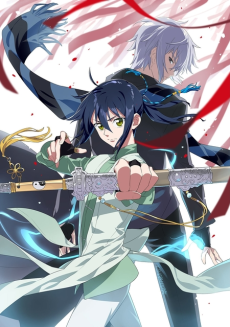
This pairing isn’t for fans of “cool powers” or “epic lore.” It’s for the ones who lean in when the camera holds on a severed hand still twitching, who feel a quiet thrill when dialogue drops into silence just before the first strike, who recognize style as substance. It’s for players who replay Shank not for mastery—but for memory, like Player Review 2 did, buying it “for memories,” finishing it in three hours yet feeling its weight for fifteen years. It’s for viewers who watch Heaven Official’s Blessing Season 2 and don’t just see swordplay—they feel the gravity in Xie Lian’s wrist flick, the exhaustion in his smile after carving through a hundred revenants. They understand that the most powerful moments aren’t loud—they’re visceral, textured, and utterly, unflinchingly human—even when the humans are already dead.
→120 Anime That Match the Vibe
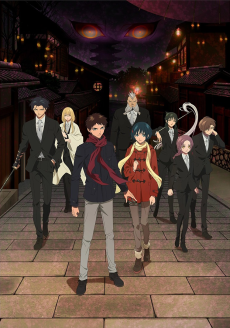
Shank’s arterial spray and dismemberment—like the chainsaw decapitation of a mob boss—meet Malevolent Spirits’ tsukumogami grotesqueries: a teapot’s porcelain cracking to reveal weeping flesh, Botan’s arm splitting open mid-battle to unleash spirit-steel. Where Shank weaponizes grindhouse excess, Mononogatari channels it into visceral body horror & occult dread—both treat violence as ritual, not catharsis. This pairing shocks precisely because their darkness isn’t stylized escape; it’s anatomical, ancestral, and unflinchingly adult.
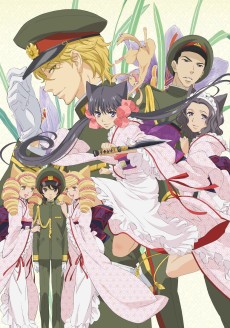
Pure kinetic energy — the action choreography in both is some of the best in their medium.
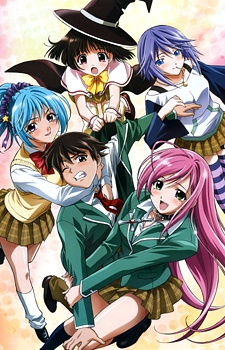
Pure kinetic energy — the action choreography in both is some of the best in their medium.
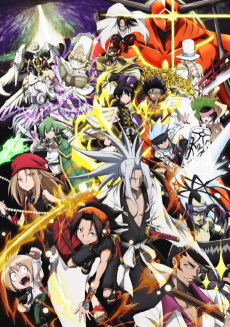
Pure kinetic energy — the action choreography in both is some of the best in their medium.
Pure kinetic energy — the action choreography in both is some of the best in their medium.
Pure kinetic energy — the action choreography in both is some of the best in their medium.

Pure kinetic energy — the action choreography in both is some of the best in their medium.
Pure kinetic energy — the action choreography in both is some of the best in their medium.

Pure kinetic energy — the action choreography in both is some of the best in their medium.
Pure kinetic energy — the action choreography in both is some of the best in their medium.



![Fate/stay night [Heaven’s Feel] III. spring song](https://s4.anilist.co/file/anilistcdn/media/anime/cover/large/bx21719-MSdTlkno0Z0u.jpg)






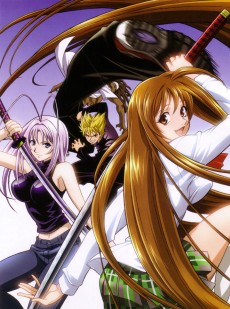
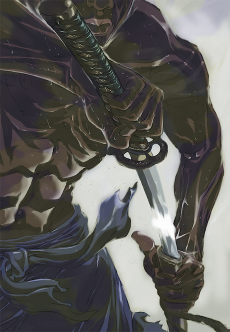
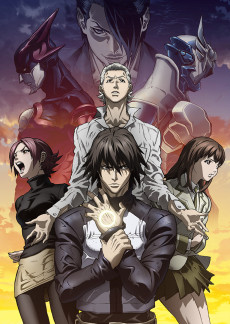
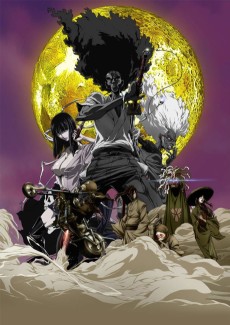














![Fate/stay night [Heaven's Feel] I. presage flower](https://s4.anilist.co/file/anilistcdn/media/anime/cover/medium/bx20791-yPCX5GJuMH2k.png)


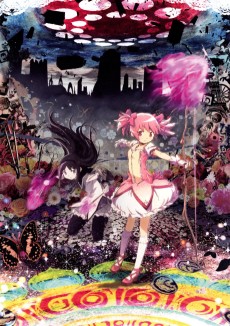
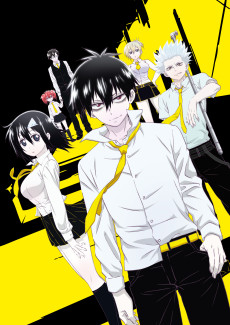
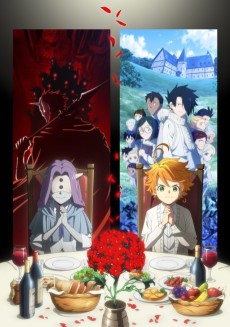

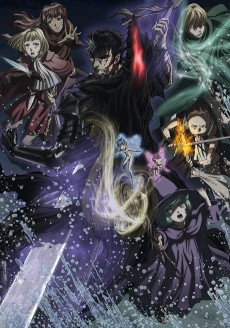


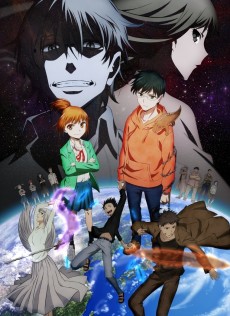
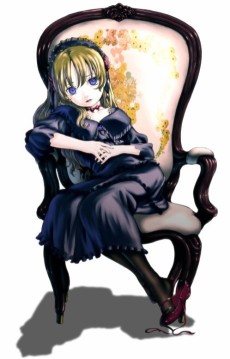

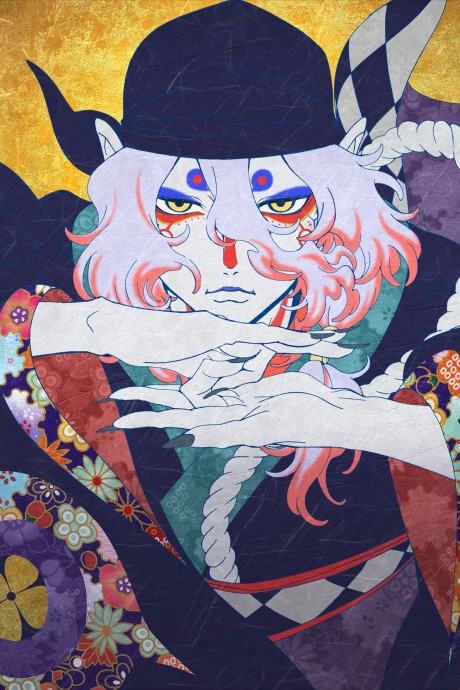





Match Dimensions Explained
❓Frequently Asked Questions
Why is Malevolent Spirits: Mononogatari recommended for Shank fans?
Because both lean hard into grindhouse-style action spectacle with visceral, almost cartoonish violence—like when Kuroda dismembers a yokai mid-air with a single katana slash in Episode 12, mirroring Shank’s brutal combo finishers. It nails that same adult, dark seinen tone: morally gray characters, occult dread, and body horror that’s shocking but never gratuitous (think Shank’s decapitation animations synced to heavy metal riffs).
Is there an anime adaptation of Shank?
Nope—Shank was developed by Klei Entertainment as a standalone indie game, and despite its cult status and Tarantino-esque flair (per that player who called it 'like a tarantino moviee'), it’s never been adapted into anime or manga. So if you’re craving that same over-the-top sidescrolling chaos, you’ll want to lean into titles like Demon Slayer’s Entertainment District Arc, where the fight choreography—especially Akaza’s blood-clotting claws vs. Tanjiro’s flame-blade flurry—feels ripped from a Shank boss rush.
How does Bleach compare to Shank in terms of action pacing and brutality?
Super close—Bleach’s early Soul Society arc has that same relentless, enemy-swarm energy: Ichigo plowing through dozens of Hollows in one corridor, just like Shank clearing a hallway full of machete-wielding thugs before facing off against the chainsaw-wielding boss ‘The Butcher’. Both use exaggerated physics, screen-shaking hits, and gory-but-stylized body horror (Hollow masks cracking, limbs flying) without slowing down for exposition.
What’s the best anime like Shank if I want that raw, cathartic, ‘3-hour adrenaline rush’ vibe?
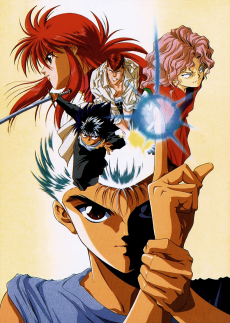
Go straight to Yu Yu Hakusho: Ghostfiles—the 2023 reboot captures Shank’s tight, punchy pacing perfectly. Watch Yusuke’s Spirit Gun barrage in the Chapter Black prologue: rapid-fire combos, zero filler, enemies exploding on hit like Shank’s ‘Rip & Tear’ finisher. One player even said they ‘finished [Shank] in 3hrs’, and Ghostfiles delivers that same lean, no-nonsense, high-octane satisfaction—just with more spirit energy and less jank.