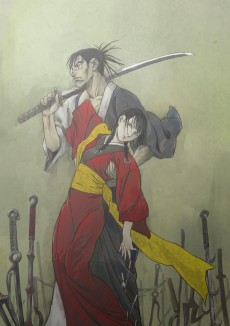
Blade of the Immortal (ONA)
New adaptation of Mugen no Juunin.
Damned to wander the Earth in an endless cycle of carnage and murder, the fallen samurai known as Manji seeks the chance to win back his mortality. To do so, he must first balance the deaths weighing against him by slaying 1000 evil souls, a task that would take even the greatest warriors a lifetime. Manji, however, has all the time in the world to kill, and his lonely quest leaves a trail of bloody bodies in his wake… until his path crosses with that of Rin, who has sworn vengeance against the murderers of her family and school, even though the cost will almost certainly be her own life.
(Source: Sentai Filmworks)
📺Anime Details
📝Editorial Analysis
Rain slicks the cobblestones of Edo-era Kyoto—not gently, but in cold, stinging sheets that turn blood into thin, rust-colored rivulets before it even cools. Manji stands motionless in the center of a ruined teahouse, his katana sheathed, his breath shallow, his left hand already half-severed at the wrist—yet he doesn’t flinch. Not because he’s numb. Because he feels too much: the weight of every life he’s taken, the hollow echo of each vow broken, the quiet horror of watching his own flesh knit itself back together while the dead around him stay still. That stillness—between strikes, between breaths, between lifetimes—is where Blade of the Immortal (ONA) lives.
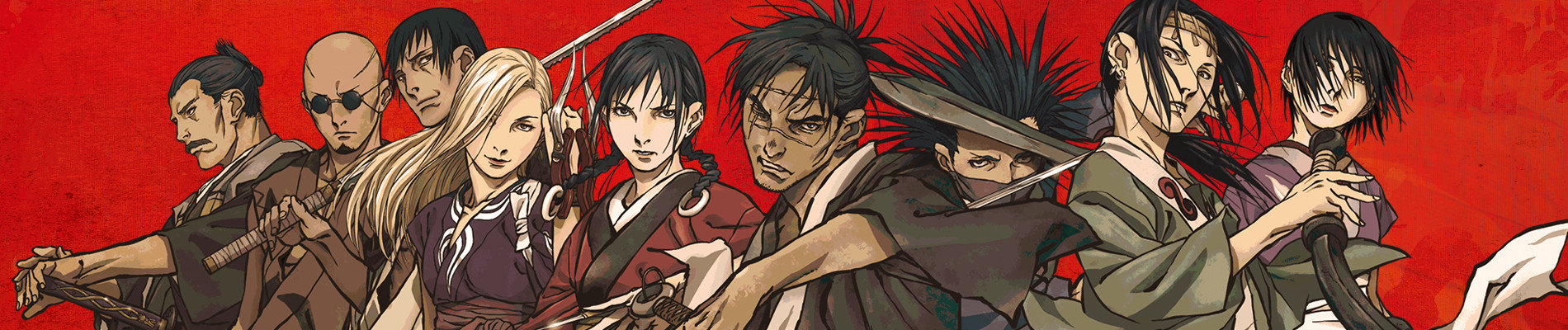
This isn’t just samurai action with gore slapped on like lacquer. It’s exhaustion made visible—the kind that settles in your jaw, tightens behind your eyes, makes silence louder than any clash of steel. The world feels unforgivingly tactile: straw mats soaked through, the grit of ash under fingernails, the wet shuck of a blade withdrawing from tendon. There’s no catharsis in vengeance here—only arithmetic: 1000 evil souls to erase one immortal sin. And every number is a wound reopened. You don’t root for Manji to win. You watch him endure, and in that endurance, you confront something quietly devastating: what does it mean to carry consequence forever? Not as myth—but as muscle memory, as scar tissue, as the slow, grinding wear on a man who cannot die, but refuses to stop hurting.
That emotional DNA—weight, moral erosion, beauty in ruin—pulses strongest in The Witcher 3: Wild Hunt, where Geralt tracks Ciri across a continent rotting from war and grief. Like Manji, Geralt is a weapon forged by trauma, moving through landscapes thick with consequence—not just monsters, but mothers who’ve buried children, soldiers who’ve forgotten why they fight. The player review nails it: “DLC announced 11 years after release, my favourite game keeps getting better…” That longevity isn’t about content volume—it’s about emotional resonance holding up, season after season, like Manji’s cursed body. Both works treat time not as progress, but as accumulation: of loss, of guilt, of small, stubborn acts of mercy that never quite cancel the ledger.
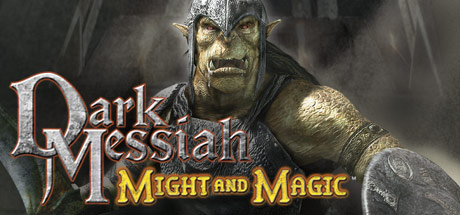
Then there’s Dark Messiah of Might & Magic, where ferocious combat isn’t spectacle—it’s physical consequence. You feel the jolt of a shield bash, the stumble after a parry, the way momentum carries you forward even as your character bleeds out. The review calls it “a fantastic melee combat game that still holds up pretty well today”—and that’s the link: both Blade of the Immortal (ONA) and Dark Messiah reject clean, choreographed violence. Every swing has drag, every block leaves you off-balance, every kill stains your clothes and your posture. It’s not about being good at fighting—it’s about surviving long enough to ask whether survival is worth the cost.
And though Sacred Gold drowns in jank—“full of bugs and not very stable on modern systems”—its description lands with eerie precision: “A shadow of evil has fallen on the kingdom of Ancaria… Battle blood-thirsty orcs & lumbering ogres…” That grim, unrelenting pressure, that sense of wading through decay rather than conquering it—that’s the same air Manji breathes in every fog-choked forest path. Even the instability mirrors the anime’s refusal to offer stability: no safe haven, no narrative reset, no moral high ground that doesn’t crumble underfoot.
You’ll love this pairing if you’ve ever paused mid-fight scene—not to admire the animation, but to notice how the protagonist’s knuckles whiten before the strike; if you replay dialogue not for plot, but to hear the tremor in a voice trying not to break; if you keep playing a game not because it’s polished, but because its flaws make the world feel lived-in, worn, true. These aren’t stories about heroes rising—they’re about people bending, breaking, and somehow still walking forward, sword in hand, rain in their eyes, carrying the unbearable lightness of never being allowed to rest.
🎮76 Games That Match the Vibe












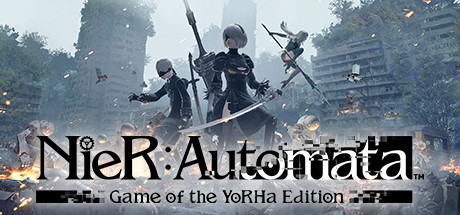
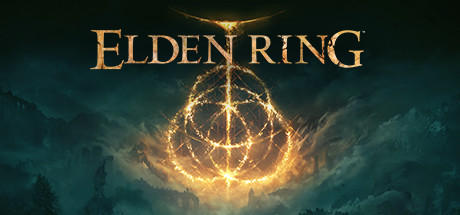
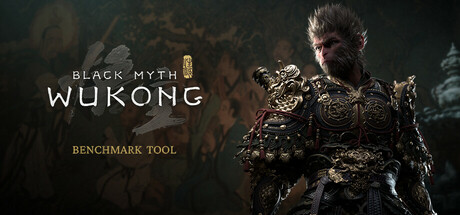


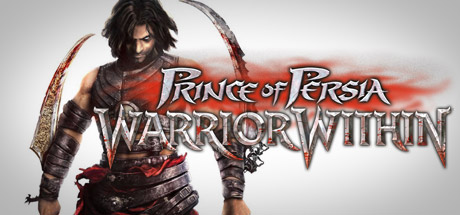


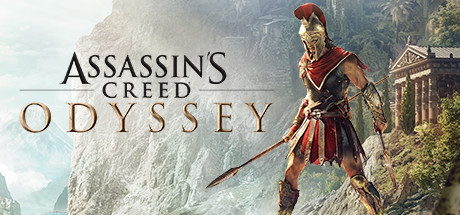
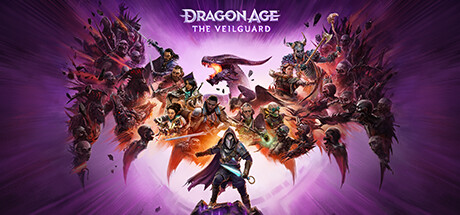
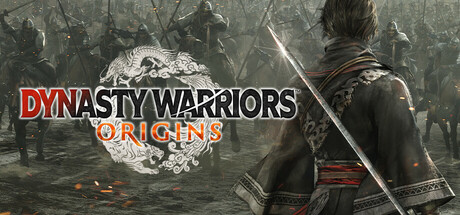
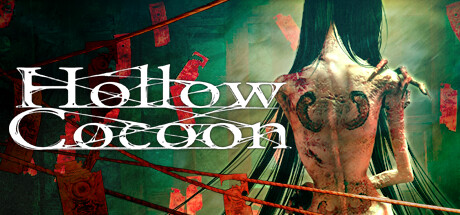
Match Dimensions Explained
❓Frequently Asked Questions
Why does The Witcher 3 keep coming up when I search for games like Blade of the Immortal?
Because both lean hard into adult, morally gray storytelling with brutal swordplay and tragic, immortal-adjacent protagonists—Geralt’s cursed longevity and Ciri’s time-bending powers echo Manji’s curse and Rin’s relentless quest for vengeance. The emotional weight of Geralt’s choices in scenes like the Bloody Baron’s farm or the Skellige burial grounds hits that same dark seinen vibe as Manji’s flashbacks to his slain sister.
Is there a Blade of the Immortal video game adaptation?
No official adaptation exists—no licensed game based on the manga, anime, or live-action films has ever been released. Fans often reach for The Witcher series (especially the original 2007 Witcher: Enhanced Edition) because its gritty tone, morally fraught contracts, and Geralt’s weary, hyper-competent swordsmanship feel like the closest spiritual cousin you can actually play right now.
How does Dark Messiah of Might & Magic compare to Sacred Gold for Blade of the Immortal fans?
Dark Messiah wins on raw, visceral melee combat—its physics-driven dismemberment, environmental takedowns (like kicking enemies down stairs or impaling them on spikes), and fast-paced duels mirror Manji’s acrobatic, blade-first fights far better than Sacred Gold’s janky, loot-driven hack-and-slash. That said, Sacred Gold nails the oppressive dark fantasy setting—fighting hordes of orcs and undead in crumbling ruins *feels* like wandering through a corrupted version of Edo-era Japan.
What’s the best game like Blade of the Immortal if I want that brooding, rain-soaked revenge mood?
The Witcher 2: Assassins of Kings—especially the prologue where Geralt is hunted, branded a traitor, and forced to fight barehanded in a prison yard—hits that exact tone: grimy, rain-lashed, politically charged, and emotionally claustrophobic. It’s less about flashy combos and more about survival, consequence, and the quiet fury of a man who’s seen too much—just like Manji dragging his sword through misty graveyards after another bloody reckoning.