GUN™
When life robs Colton White of all that matters, the only thing left he can trust is his GUN. From award-winning developer, Neversoft, and accomplished screenwriter, Randall Jahnson (The Mask of Zorro, The Doors), GUN follows Colton on his quest for discovery as he seeks to exact vengeful justice on those who have wronged him.
🎮Game Details
💬What Players Say
"Cult classic game that's better than most AAA titles that was released over 20 years ago"
"I couldn't beat this game 20 years ago. I finally completed it. 10/10 Save often!..."
"Not good for Steam Deck. No controller support, and binding the inputs to the Deck controls does't really work well. It's disappointing, I loved this game on Xbox and I don't have any interest in playing it with a mouse & keyboard."
📝Editorial Analysis
The dust doesn’t settle. It hangs—thick, golden, and unforgiving—in the air after Colton White fires his revolver into the belly of a rusted railcar in Redemption Flats. His knuckles are split. His coat is torn at the shoulder. There’s no triumphant music, just the groan of metal, the wet thud of collapse, and the low, exhausted rasp of his breath as he reloads—save often, because the game might crash and erase it all. That moment isn’t cinematic spectacle; it’s weight. It’s what happens when life robs you of all that matters—and the only thing left you can trust is your GUN. Not glory. Not justice yet. Just the cold, reliable heft of steel in your hand, and the grim arithmetic of survival: aim, fire, reload, repeat.


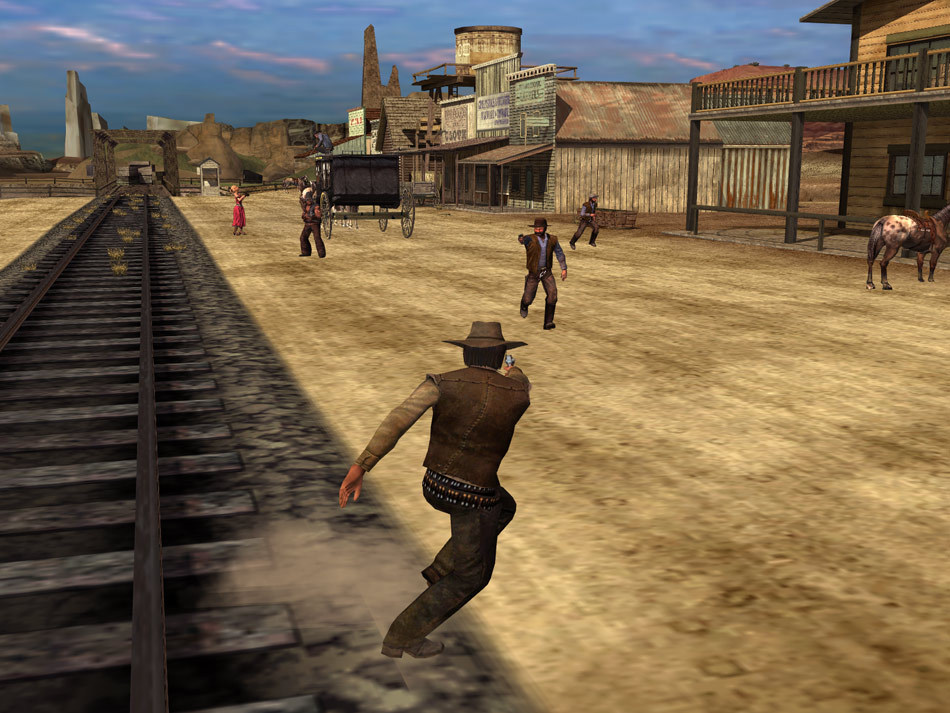
What makes GUN™’s atmosphere singular isn’t its Western setting—it’s the grit of consequence. This isn’t mythic frontier romance; it’s a world where vengeance arrives not with fanfare but with blisters, misfires, and crashes that cost hours. You feel the exhaustion in Colton’s posture as he rides across sun-scorched mesas, the quiet dread before a saloon ambush, the way silence stretches too long before violence erupts. It’s adult, not because of gore or swearing, but because it treats morality like terrain—rugged, unmarked, and navigated alone. The player review calling it “better than most AAA titles” hits something vital: this is a game built on earned tension, not scripted set-pieces. Every bullet counts. Every save matters. Every decision bleeds into the next—not through branching narratives, but through physical, tactile fatigue. You don’t play Colton White—you endure alongside him.
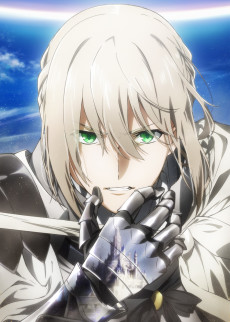
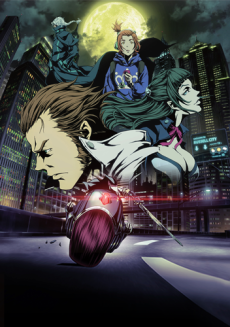
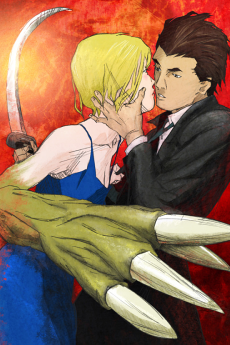
That emotional DNA pulses strongest in Lord El-Melloi II's Case Files {Rail Zeppelin} Grace note, where the Western & Frontier dimension isn’t about horses and six-shooters, but about trains carving iron lines across desolate, occult-bleached landscapes—and the body horror isn’t grotesque for shock, but inescapable, woven into the very rails and flesh of the zeppelin’s passengers. Like Colton navigating a corrupt railroad empire, Lord El-Melloi moves through systems rigged against him, where tactical warfare means reading glyphs mid-chase and choosing which truth to bury. Both demand precision under pressure, where one misstep unravels everything.
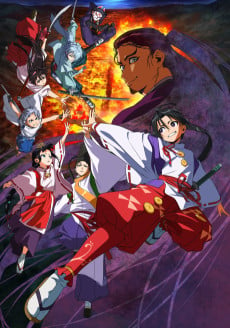
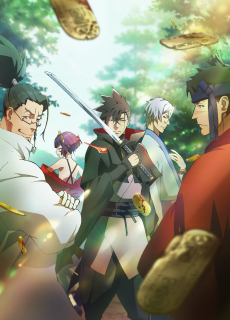
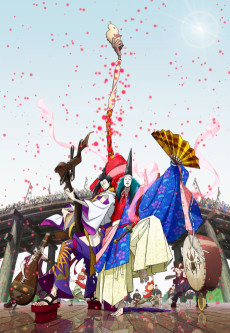
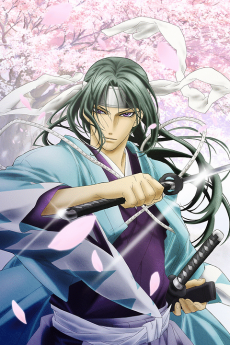
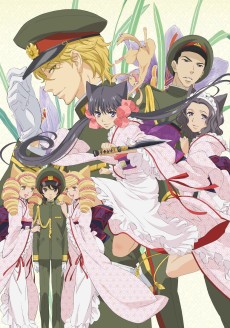
Then there’s House of Five Leaves, where the Western & Frontier aesthetic becomes psychological geography—the dusty town isn’t a backdrop but a cage of quiet desperation. Its adult, dark seinen tone mirrors GUN™’s refusal to flinch: no heroes rise effortlessly here, no villains monologue before falling. Just men who’ve lost their way, moving with the slow, heavy gait of people who’ve already buried too much. When Okura hesitates before drawing his sword—or Colton pauses before lighting the fuse in that abandoned mine—it’s the same breath held in the throat: this changes everything, and there’s no going back.
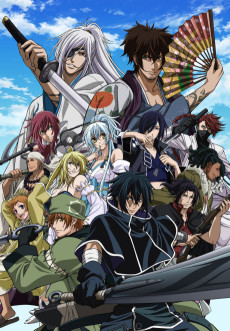
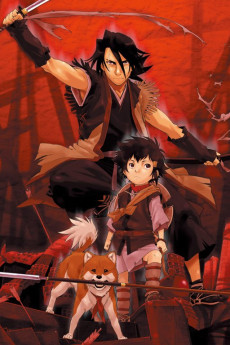
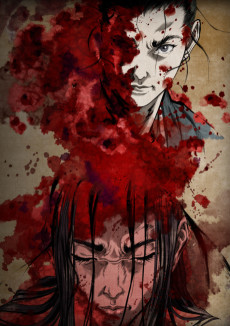
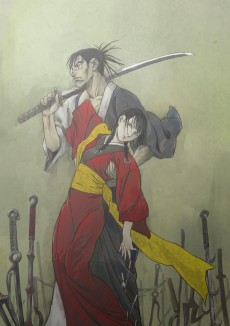
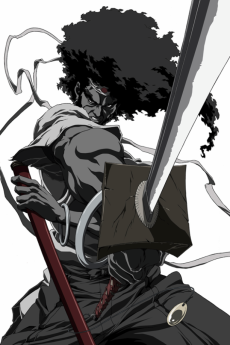
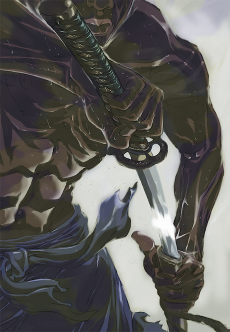
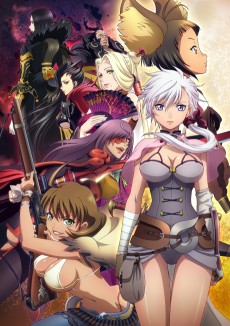
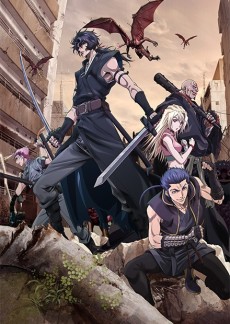
And Blade of the Immortal (ONA)—oh, that relentless forward motion. Same Western & Frontier framing: vast, indifferent land; lone figure walking toward violence he didn’t ask for but can’t refuse. Same adult, dark seinen weight: every kill leaves a stain, every mercy costs blood. Manji doesn’t ride for justice—he rides because stopping would mean remembering what he’s done. Colton doesn’t seek revenge for catharsis—he seeks it because not seeking it would mean surrendering the last thing he owns: his will. Both are defined by what they carry—not just swords or revolvers, but history, sharp and unhealed.
This pairing isn’t for fans of clean arcs or easy redemption. It’s for the person who replays a boss fight three times—not to master it, but to understand why it broke them the first time. It’s for the reader who lingers on a single panel in Blade of the Immortal, tracing the tremor in Manji’s hand, or the viewer who watches House of Five Leaves in near silence, feeling the weight of Okura’s silence more than any dialogue. It’s for those who love games not as power fantasies, but as pressure tests: where the controller feels heavy in your hands, where the screen flickers not from bugs—but from the sheer, unblinking honesty of what it asks you to hold.
→53 Anime That Match the Vibe
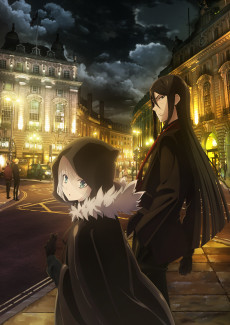
Colton White’s lone ride across scorched Arizona deserts mirrors Lord El-Melloi II’s tense rail zeppelin traversal—both confined, claustrophobic arenas where 🎯 Tactical Warfare reshapes survival. Unlike most Westerns or mage dramas, neither leans on mythic heroism; instead, Waver’s occluded magic and Colton’s bloodied revolver operate under brittle, rule-bound systems where failure means disintegration—not death, but erasure. That shared dread of bodily unraveling amid frontier liminality makes their resonance deeply unsettling, not just stylistic.
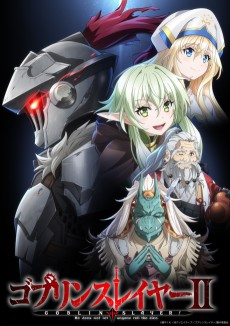
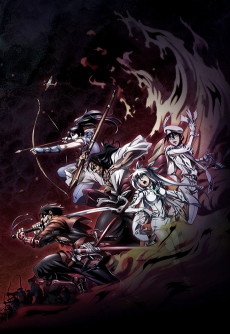
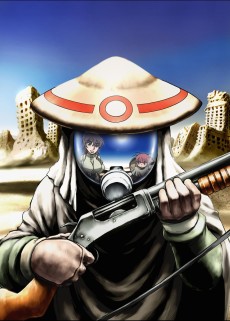
Colton White’s first sunrise over the scorched plains of Redemption—gun smoke curling like desert mist—mirrors Goblin Slayer II’s opening shot: a blood-slicked boot stepping onto mud-caked cobblestones outside a ruined frontier outpost. Where the game leans into gritty Western realism punctuated by sudden, grotesque body horror (like the Wendigo cult’s flayed offerings), Season 2 deepens its occult dread through ritualistic goblin altars and the Priestess’s quiet trauma—both works treat the frontier not as mythic escape but as a raw nerve where flesh, faith, and firepower fray together. That shared tension between stoic endurance and visceral violation makes their resonance unsettlingly precise.
Wide-open spaces and the freedom to forge your own path.
Wide-open spaces and the freedom to forge your own path.
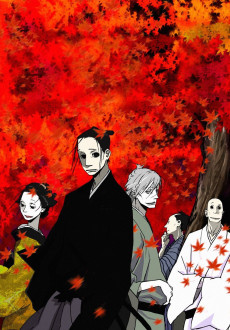
Colton White’s solitary ride across scorched, lawless plains mirrors Masanosuke’s quiet walk into the Five Leaves’ shadowed teahouse—each step a surrender to moral ambiguity in worlds where honor wears a dust-caked mask. 🤠 Western & Frontier grit binds them: not through action, but through the weight of silence, the slow burn of compromised loyalty, and the way both men wield skill they distrust. Unlike most genre pieces, neither offers catharsis—just the hollow click of a revolver’s hammer and the soft rustle of a sword being sheathed, unsatisfied.
Wide-open spaces and the freedom to forge your own path.

Wide-open spaces and the freedom to forge your own path.

Wide-open spaces and the freedom to forge your own path.
Wide-open spaces and the freedom to forge your own path.

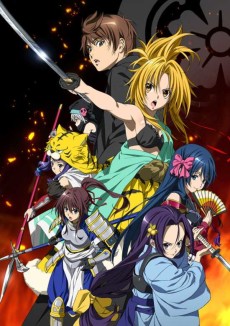
Colton White’s lone ride across sun-blasted canyons mirrors Aladdin’s first steps beyond the sealed chamber—both protagonists thrust into vast, unforgiving frontiers where survival hinges on instinct and precision. 🤠 Western & Frontier isn’t just backdrop; it’s moral terrain, where every standoff (White’s tense saloon duel) and labyrinth corridor (Aladdin’s trial in the Reim dungeon) demands tactical warfare calibrated to breathless consequence. That shared tension—between isolation and duty, gunpowder and magic—makes their resonance startlingly organic, not thematic coincidence.















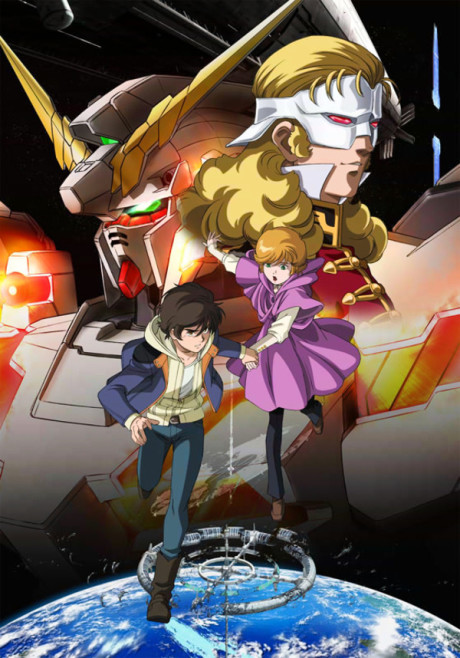
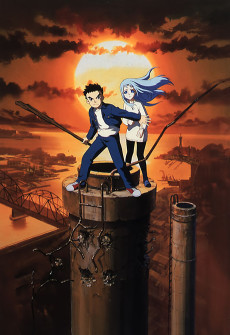
Match Dimensions Explained
❓Frequently Asked Questions
Why is House of Five Leaves ranked so high for fans of GUN™?
Because both lean hard into that morally gray, slow-burn Western frontier vibe—Colton White’s lone-wolf justice mirrors Manjiro’s quiet disillusionment in Edo-era Japan, and the dusty, tense standoffs in House (like the ambush at the river crossing) hit the same nerve as GUN™’s tense saloon shootouts. It’s not about flashy action; it’s about weight, consequence, and characters who carry their past like a worn revolver.
Is there an anime adaptation of GUN™?
Nope—GUN™ has never been adapted into anime, manga, or live-action. It remains a singular, self-contained PS2/Xbox cult classic. That said, if you love its blend of Western grit and occult-tinged tension, Lord El-Melloi II’s Case Files {Rail Zeppelin} hits similar notes with its frontier rail-yard showdowns and body horror twists—like that chilling scene where the Zeppelin’s cargo reveals something *not quite human*.
How does GOBLIN SLAYER II compare to GUN™ in tone and pacing?
They’re shockingly aligned: both open with brutal, personal loss (Colton’s family / Goblin Slayer’s village), then lock into a grim, methodical rhythm—Colton tracking down outlaws one bounty at a time, Goblin Slayer clearing dungeons with surgical brutality. The tavern brawls in GOBLIN SLAYER II? They’ve got the same raw, chaotic energy as GUN™’s bar fights in Dodge City, especially when the knife comes out mid-swing.
What’s the best anime like GUN™ if I want that ‘lone rider at dusk’ melancholy + tactical grit?
Blade of the Immortal (ONA) is your perfect match—Manji’s cursed immortality and relentless, rain-slicked vengeance mirror Colton’s journey beat-for-beat. Think of the ‘Thousand Kill’ arc’s final confrontation on the cliffside: no music swell, just wind, blood, and cold calculation—exactly the kind of stark, tactical intensity GUN™ delivers in its Apache ambush sequences or the final standoff at the mine.