
Hell’s Paradise Season 2
The second season of Jigokuraku.
📺Anime Details
📝Editorial Analysis
The air in the Shangri-La ruins tastes like rust and wet bone—thick with the copper tang of spilled blood, the sour-sweet rot of flesh dissolving mid-lunge, the acrid smoke of a sword’s edge superheated by ki. A ninja’s arm unravels at the shoulder—not severed, but unspooling, tendons peeling like wet parchment as he staggers forward, still swinging. His eyes don’t widen in shock. They’re already hollow. Already resigned. That’s not horror as spectacle. That’s horror as continuum—a slow, inevitable unmaking baked into the world’s physics.
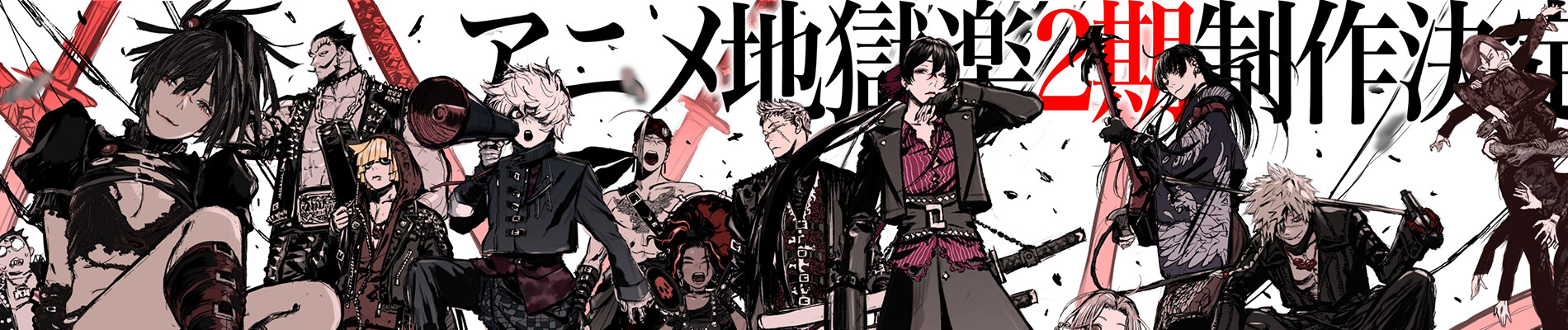
Hell’s Paradise Season 2 doesn’t ask you to survive. It asks whether survival matters when every breath scrapes your throat raw and every victory leaves a scar that pulses with cursed energy. This isn’t grimdark posturing—it’s weight. The weight of a samurai’s blade dragging through viscera, the weight of a healer’s hands trembling as they stitch a wound that refuses to close, the weight of silence between comrades who’ve watched each other vomit black bile after ingesting forbidden elixirs. You feel it in the mud-slicked knees of the ensemble cast, in the way sunlight never quite reaches the canopy, in the quiet dread before a cultivation technique overwrites anatomy. It’s tragedy not as catharsis, but as atmosphere—a suffocating, beautiful, inescapable pressure.
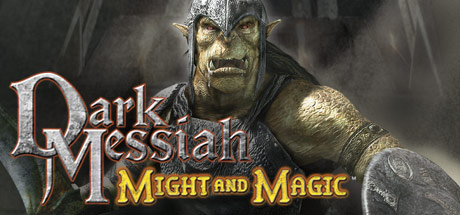
That feeling—the visceral, bodily inevitability of decay woven into action—echoes fiercely in Dark Messiah of Might & Magic. Its description calls it an “Action-RPG… powered by an enhanced version of the Source™ Engine,” built for “ferocious combat in a dark and im…” — and the player review nails it: “A fantastic melee combat game that still holds up pretty well today.” Not flashy spells or cinematic set-pieces—but melee: the crunch of a boot connecting with a ribcage, the slippery resistance of a gut wound, the way your own character stumbles, breath ragged, after parrying three blows in succession. Like Hell’s Paradise Season 2, it makes violence tactile, exhausting, human. The darkness isn’t metaphorical—it’s the grime under your fingernails, the blood spatter on your HUD, the way your sword arm aches in real time.
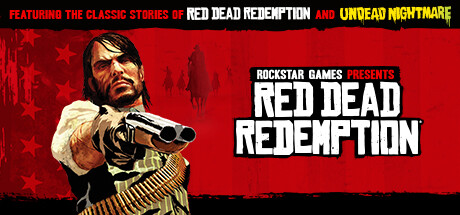
Then there’s Red Dead Redemption 2, where Arthur Morgan rides through snow-choked forests while his lungs fill with blood, coughing into his sleeve like a man trying to hide his own dissolution. The description frames it as a frontier chase—“federal agents and bounty hunters massing on their heels”—but the player review cuts deeper: “The greatest game of all time bro its so peak my words can’t even describe the feeling inside me right now its a roller coaster of emotions…” That feeling inside? It’s the same one that swells when Gabimaru watches a comrade dissolve into ash mid-laugh—not grief alone, but the dread of continuity, the knowledge that no one gets out clean. Both works treat the body as a fragile vessel carrying unbearable meaning; both let you feel the cold seep into your bones long before the fever hits.
And GUN™, that cult classic where Colton White trusts only his GUN after life “robs him of all that matters,” mirrors the anime’s stripped-down fatalism. Its description centers on loss and solitary resolve—no grand prophecy, just a man moving forward because stopping means remembering what was taken. The player review calls it “better than most AAA titles,” not for polish, but for grit: the way dust clings to your coat, how gunpowder burns your nostrils, how vengeance curdles into something quieter, heavier. Like Hell’s Paradise Season 2, it trades exposition for exhaustion, lore for lingering glances, and lets tragedy breathe in the spaces between gunshots and sword strikes.
This is for the person who pauses mid-battle to watch rain wash crimson from a blade—not because it’s pretty, but because it’s true. For the one who replays a death scene not for strategy, but to sit with the silence afterward. For those who don’t want heroes—they want survivors, flawed and feral, whose courage looks less like triumph and more like refusing to blink while the world peels itself apart around them. You’ll love these pairings if you’ve ever held your breath during a quiet moment in a storm, knowing the calm isn’t peace—it’s the before.
🎮144 Games That Match the Vibe















Match Dimensions Explained
❓Frequently Asked Questions
Why does Dark Messiah of Might & Magic keep coming up in Hell’s Paradise Season 2 discussions?
Because both lean hard into visceral, close-quarters combat where every strike feels weighty and consequential—like when Gabimaru slices through enemies with that brutal, physics-driven melee system. The dark fantasy tone, morally grey characters (think Jigokumaru’s tragic intensity vs. Dark Messiah’s antihero protagonist), and emotionally charged narrative beats (betrayal, sacrifice, supernatural dread) make them spiritual cousins.
Is there a Hell’s Paradise game adaptation in the works?
No official Hell’s Paradise game exists yet—no licensed title from Shueisha or MAPPA. But fans often reach for games that *feel* like the show’s vibe: think Red Dead Redemption 2’s haunting body horror during Arthur’s coughing fits and occult undertones in the Grizzlies’ rituals, or Call of Juarez’s morally fractured dual protagonists mirroring Gabimaru and Surtr’s twisted bond.
How does Two Worlds II HD compare to Dark Messiah of Might & Magic for Hell’s Paradise fans?
Both deliver over-the-top action spectacle and dark fantasy worldbuilding—but Two Worlds II leans harder into survival & crafting (e.g., brewing potions mid-battle like Gabimaru mixing poisons), while Dark Messiah focuses on raw, improvisational melee (kicking enemies down stairs, disarming foes, using environmental traps). If you loved the chaotic energy of the Tensen fight in S2, Dark Messiah’s combat flow nails that; if you’re drawn to the lore-dense, magic-weaving side, Two Worlds II’s spellcraft system hits closer.
What’s the best game like Hell’s Paradise Season 2 for that grim, rain-soaked, emotionally exhausting vibe?
Red Dead Redemption 2 is your answer—especially the rainy, mud-caked chapters in the Grizzlies’ territory, where Arthur’s deteriorating health mirrors Gabimaru’s physical toll, and the occult-tinged campfire stories echo the show’s mythic dread. The Western & Frontier + Body Horror & Occult dimensions match perfectly, and that player review calling it a 'roller coaster of emotions'? Yeah—that’s exactly what S2’s finale felt like.