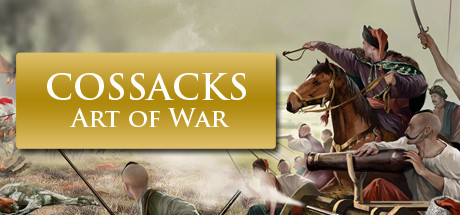
Cossacks: Art of War
Cossacks: The Art of War continues the history of the great battles of XVII–XVIII centuries
🎮Game Details
💬What Players Say
"I love this game and thee authenticity"
📝Editorial Analysis
The smell of wet earth and gunpowder hangs thick—not in a cutscene, but in the pause. You’ve just ordered a line of Ukrainian Cossacks to hold the ridge above the Dnieper, muskets primed, sabers drawn, while enemy dragoons churn the field below. No heroic music swells. No UI flashes red. Just the low hum of 17th-century logistics: the creak of wagons hauling cannon, the distant clatter of hooves, the quiet click of your mouse as you reassign a single unit—because one misstep means annihilation. That’s Cossacks: The Art of War: not spectacle, but weight. Not conquest, but continuity. As the official description says, it continues “the history of the great battles of XVII–XVIII centuries”—not rewrites it, not mythologizes it. And when a player writes, “I love this game and thee authenticity…”, that “thee” isn’t a typo—it’s reverence for texture, for the grit of real war where supply lines fray before morale does.
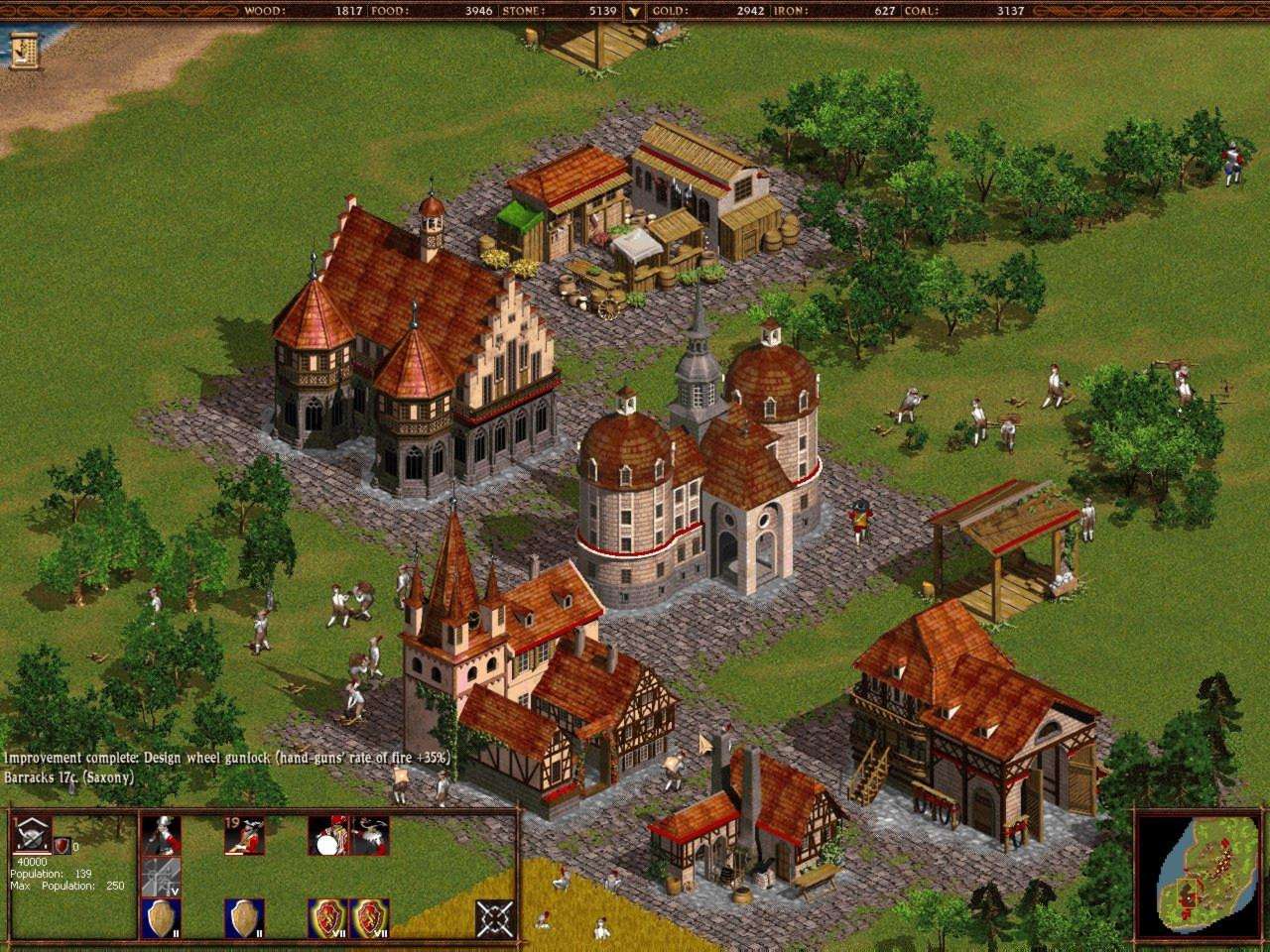
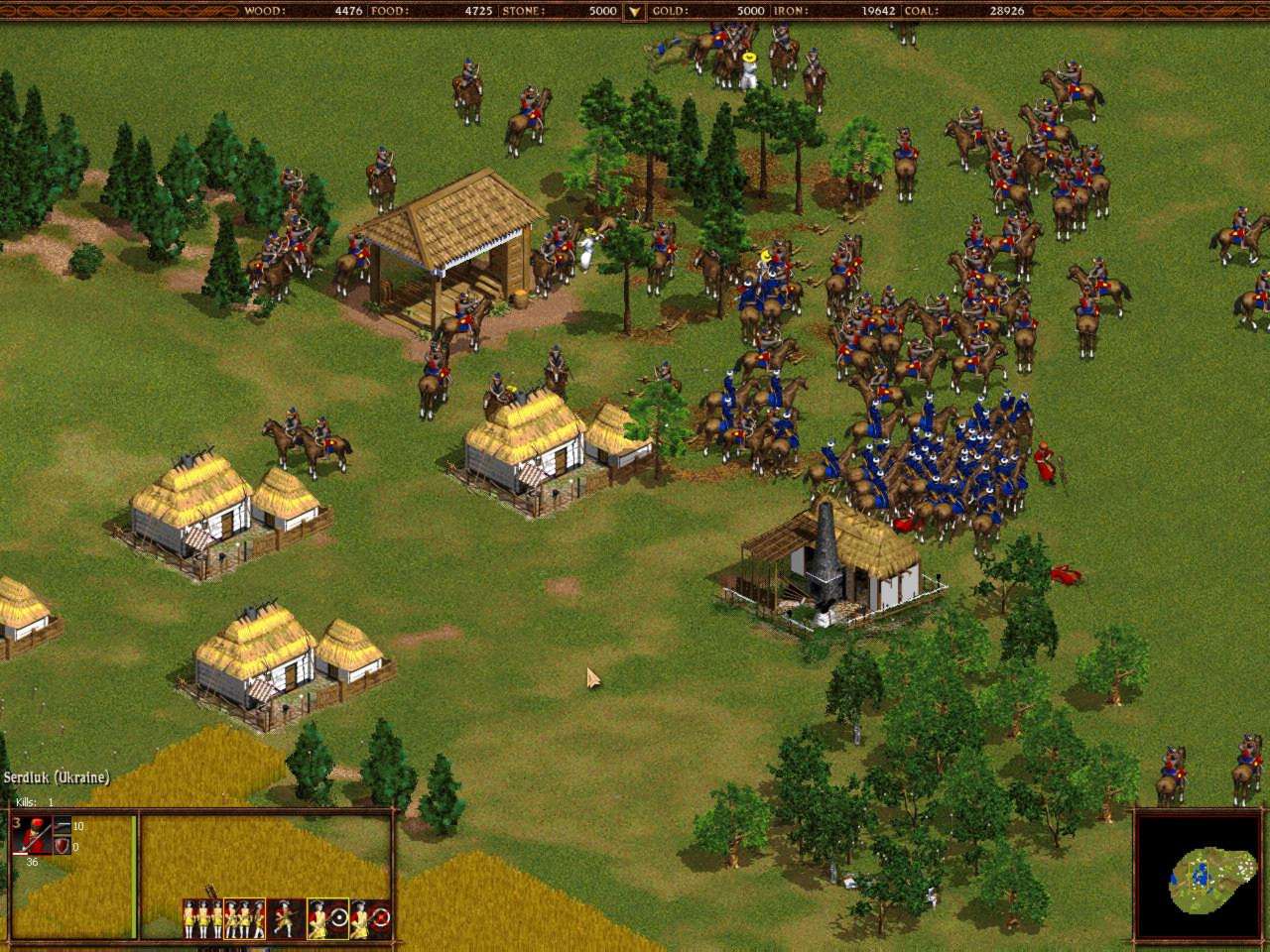
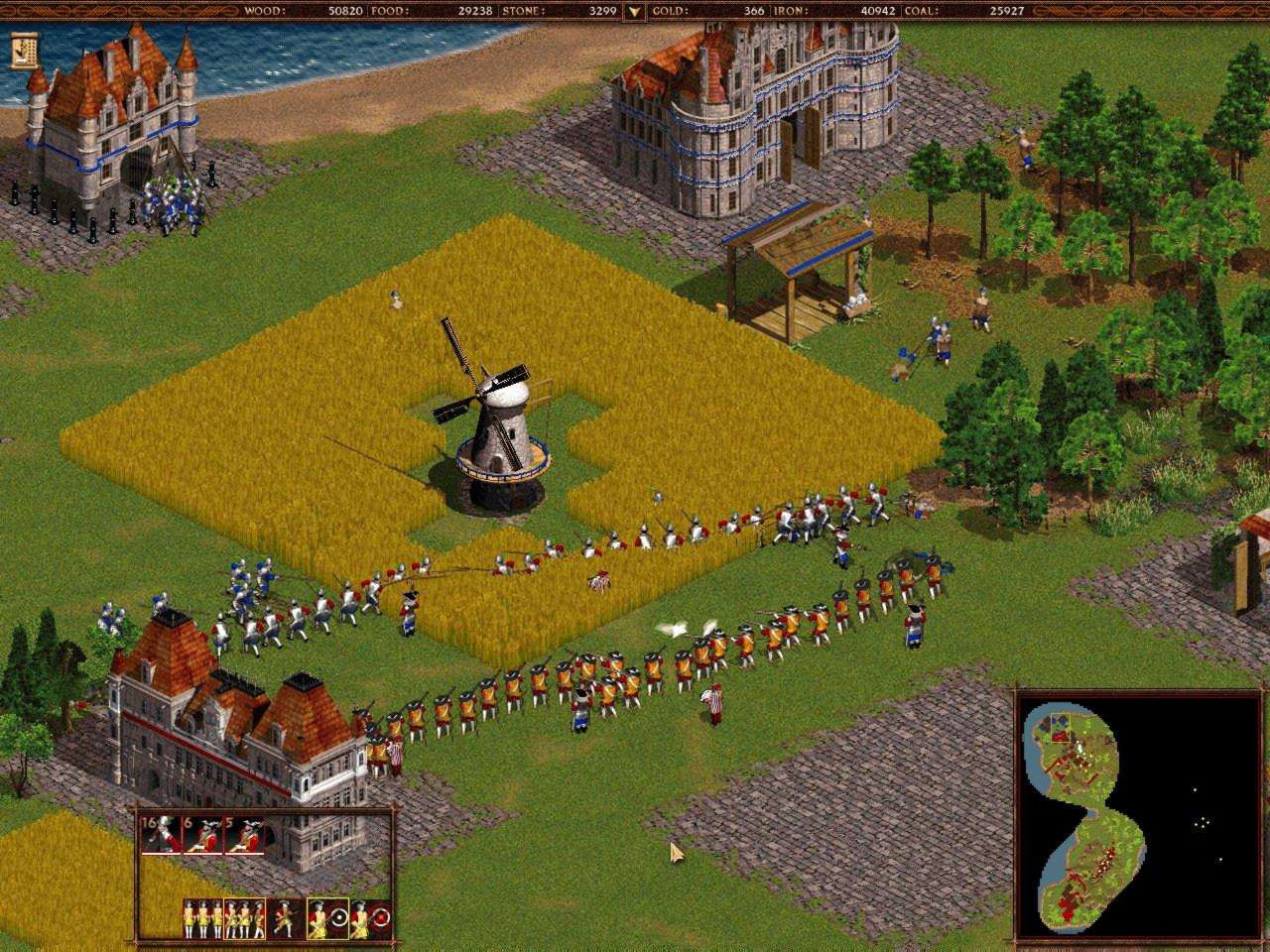
This isn’t about power fantasy. It’s about stewardship. You feel the slow, grinding pressure of seasons changing on the map—frost halting construction, rivers swelling and cutting off bridges. You think in units of grain, lead, and time—not XP or skill trees. Victory emerges from layered decisions: which village to fortify first, whether to divert carpenters from barracks to repair a breached wall, how many cavalry scouts to risk across unknown terrain. There’s no respawn. No do-overs. Just consequence, layered like sediment—tactical, yes, but also tactile. You don’t command armies—you shepherd them, with calloused hands and a ledger in your head. That’s the feeling: gravity, not glory.
Corpse Princess: Aka shares that same unblinking stewardship. Its JRPG Narrative doesn’t revolve around chosen ones—it follows Mako, a girl bound by oath and exhaustion, stitching together fragile alliances between exorcists and undead while rationing every bullet and blessing. Her battles aren’t won by flash, but by positioning, by knowing when to fall back, when to burn a rare talisman, when silence is the only viable cover. Like Cossacks: The Art of War, survival here is arithmetic—crafting purified salt, calibrating incantation durations, rotating exhausted fighters through rest rotations. Every frame breathes the same deliberate scarcity.
World Trigger 3rd Season lands with identical rhythm. The Border agents don’t level up—they adapt. Their Tactical Warfare unfolds in tight, claustrophobic corridors where Trion reserves are tracked like ammunition, where a misjudged dash costs not just health, but team cohesion. The JRPG Narrative treats each mission as a logistical puzzle: who covers the flank, who reloads mid-combat, who sacrifices mobility to anchor a defensive node. You watch characters calculate angles, reload times, shield depletion rates—not as stats, but as physics. That’s the same air Cossacks: The Art of War breathes: no magic, no luck—just terrain, timing, and trade-offs.
Even Fate/Zero Season 2, often remembered for its grand sorcery, carries this DNA in its quieter moments: Kiritsugu’s cold calculus during the Einzbern forest assault—how he weighs collateral damage against tactical necessity, how he repositions his team not for drama, but because one exposed flank could collapse the entire operation. His Survival & Crafting isn’t about potions—it’s about pre-positioned explosives, scouted escape routes, cached weapons. The JRPG Narrative treats magic like artillery: finite, reloadable, vulnerable to counter-battery fire. When he orders a retreat under smoke, it’s not cowardice—it’s resource preservation, the same instinct that makes you pull back a battered regiment to reinforce at a river crossing in Cossacks: The Art of War.
Who lives for this? Not the player who wants to break systems—but the one who listens to them. The viewer who rewinds World Trigger’s border defense sequences to study rotation timing. The fan who pauses BLUE LOCK Season 2 not for Isagi’s soliloquy, but to count how many passes happen before the press triggers—how stamina depletes frame by frame. They’re the ones who find catharsis not in victory, but in precision: the exact moment a Cossack unit pivots to face cavalry, the split-second Kiritsugu pulls the trigger, the silent nod between Trigger agents confirming a shift in formation. They don’t seek escape. They seek engagement—deep, demanding, honest. And in that shared gravity—where every choice leaves a scar, every resource has weight, and survival is measured in breaths, bullets, and barley—they recognize each other.
→17 Anime That Match the Vibe
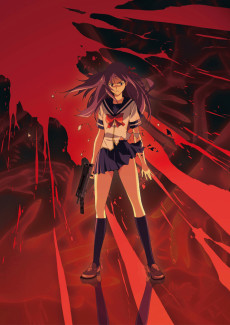
Makina’s relentless, rain-slicked pursuit of the Seven Stars mirrors Cossacks’ grueling siege of Kyiv—both hinge on tactical patience amid decaying infrastructure. Unlike most supernatural revenge tales, *Corpse Princess: Aka* embeds its horror in logistical tension: bullet scarcity, wound management, and cult resource rationing—echoing *Cossacks*’ survival & crafting layer where wheat yields muskets and morale dictates cavalry charges. That shared grit—where vengeance is measured in supply lines and staggered reloads—makes their resonance startlingly tactile, not just thematic.
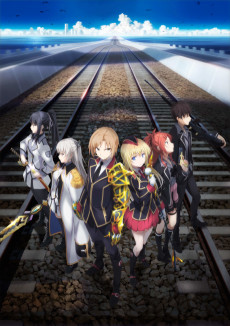
Found family dynamics, turn-based drama, and the weight of saving the world on young shoulders.
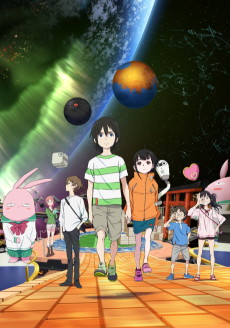
Found family dynamics, turn-based drama, and the weight of saving the world on young shoulders.
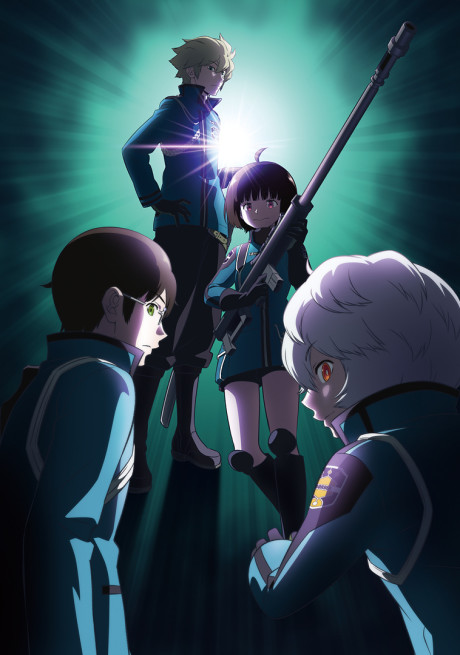
Hyuse’s quiet precision in Tamakoma’s rank-war simulations mirrors the disciplined unit commands required to rally Cossack infantry across muddy 18th-century battlefields. Unlike most sci-fi action, *World Trigger* S3 leans into **tactical warfare**—not just flashy triggers, but layered squad coordination, resource allocation, and terrain adaptation—echoing *Cossacks*’ granular real-time strategy where supply lines and formation integrity decide sieges. This shared reverence for *crafting victory through layered systems*, not spectacle alone, makes their resonance unexpectedly rich.

Risei Kotomine’s chillingly calm arbitration amid the Fourth Holy Grail War’s collapsing alliances mirrors Cossacks’ battlefield diplomacy—where generals must pivot between fragile coalitions and sudden betrayals in real-time. Unlike most tactical games, *Art of War* treats supply lines and terrain as moral pressures, much like Season 2’s psychological siege on Kiritsugu’s ideals during the Einzbern castle assault. This shared 🔨 Survival & Crafting dimension transforms logistics into existential stakes: feeding troops or maintaining mana circuits becomes indistinguishable from preserving one’s humanity.
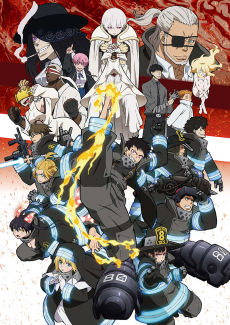
Shinra’s desperate, flame-scorched sprint through Tokyo’s collapsing ruins in *Fire Force* Season 2—where every ember threatens annihilation—mirrors the frantic resource-scramble of a Cossacks village under siege, where peasants rush to reinforce palisades while cannons roar. Unlike most survival narratives, both hinge on *Crafting* as sacred labor: forging gunpowder or steel isn’t background detail—it’s visceral, time-pressed ritual that shapes fate. That shared tension—between human fragility and the defiant act of building amid fire and cannon smoke—makes their resonance startlingly intimate, not just thematic but tactile.

Where *Cossacks: The Art of War* demands split-second unit coordination amid chaotic XVII-century battlefield fog, *BLUE LOCK Season 2*’s U-20 debut mirrors that tension—players like Rin Itoshi recalibrate entire team geometries in real time, turning each match into a high-stakes tactical simulation. This shared **JRPG Narrative** rhythm transforms strategy into visceral drama: not just winning, but *rewriting the rules of engagement* under pressure. Surprisingly, both treat survival not as endurance, but as relentless, collective reinvention—crafting victory from chaos itself.
Found family dynamics, turn-based drama, and the weight of saving the world on young shoulders.

Found family dynamics, turn-based drama, and the weight of saving the world on young shoulders.
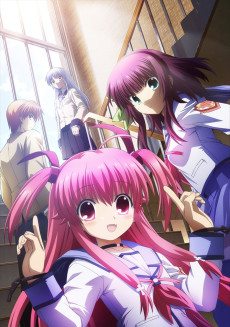
Yuri’s “Operation High Tension Syndrome” — a chaotic, handmade mission built on duct-tape logic and desperate hope — mirrors the Cossacks’ frantic resource scrambling on 17th-century battlefields. Unlike most historical RTS games, *Art of War* treats survival & crafting as visceral, moment-to-moment stakes — just as the *Stairway to Heaven* specials frame heaven’s bureaucracy through scrappy, hand-assembled rituals. That shared JRPG Narrative sensibility — where meaning emerges from flawed, persistent human effort — makes their resonance startlingly tender.



Match Dimensions Explained
❓Frequently Asked Questions
Why is Corpse Princess: Aka listed as similar to Cossacks: The Art of War when it’s about undead exorcists?
Great question—it’s not about the setting, but how Aka fights: her tactical reloads, ammo conservation during shrine sieges, and squad-based positioning against hordes of Shikabane mirror Cossacks’ real-time unit management and resource-limited artillery barrages. That 67-score match comes from shared JRPG Narrative depth *and* Survival & Crafting mechanics—like upgrading her katana mid-mission using scavenged spirit cores, just like reinforcing a Cossack regiment with captured cannons.
Is there an anime adaptation of Cossacks: The Art of War?
Nope—no official anime adaptation exists (and likely never will, since it’s a niche RTS with zero licensing ties to anime studios). But if you’re craving that same gritty, troop-level tension? World Trigger 3rd Season nails it: Yūma’s platoon maneuvers in the Underworld, precise grenade arcs, and real-time command decisions during the Border vs. Neighbors war feel *exactly* like directing Cossack infantry squares under musket fire—hence its 63-match score across Tactical Warfare and Survival & Crafting.
How does Fate/Zero Season 2 compare to World Trigger 3rd Season for Cossacks fans?
Both hit that 63 Tactical Warfare score, but differently: Fate/Zero leans into *commander psychology*—think Kiritsugu’s cold calculus during the Einzbern forest ambush, where he weighs collateral damage like a general choosing artillery targets—while World Trigger focuses on *unit coordination*, like Osamu’s synchronized barrier-and-grenade takedowns. If you love Cossacks’ layered battlefield control, start with World Trigger; if you prefer the grim strategic weight behind each order, go Fate/Zero.
What’s the best anime like Cossacks: Art of War if I want that tense, resource-scarce battlefield vibe?
Go straight to Fire Force Season 2—it’s your pick. When Shinra’s squad runs low on ignition fuel during the Tokyo Tower siege and has to time every flame burst like reloading a flintlock (or managing Cossack powder reserves), that’s pure Art of War energy. Its 63-score match isn’t just about JRPG Narrative—it nails Survival & Crafting too, like upgrading Infernal gear mid-combat using scrap from fallen enemies, mirroring how you’d reinforce a Cossack battalion with captured enemy supplies.