
High School of the Dead: Drifters of the Dead
📺Anime Details
📝Editorial Analysis
The salt-stung wind whips hair across sunburnt shoulders as a group of girls—barefoot, breathless, laughing—wade into the shallows of a deserted coastal cove, their laughter cutting through the low drone of distant groans. No one’s checking the sky for helicopters. No one’s rationing water. They’re here, in this sun-bleached, drug-hazed limbo, where survival isn’t measured in bullets or barricades but in shared swimsuits, stolen snacks, and the electric, unspoken tension of glances held just a beat too long under the glare of midday heat.
That feeling—weightless, sun-drenched, unmoored—defines High School of the Dead: Drifters of the Dead. It’s not dread that lingers; it’s the surreal suspension between panic and playfulness, where pandemic chaos folds into coastal leisure like a tide receding just enough to reveal warm sand beneath rotting seaweed. The ensemble cast doesn’t strategize—they drift. The male protagonist isn’t a leader; he’s a hinge, a quiet center around which female agency, chemistry, and quiet vulnerability orbit. There’s no grand lore dump, no apocalyptic monologue—just the hum of cicadas, the sticky grip of sunscreen, and the unsettling comfort of normalcy persisting despite the dead shambling beyond the dunes. It makes you feel drowsy, intimate, dangerously calm—like lying on hot pavement after a storm, heart still racing but body already surrendering to warmth.
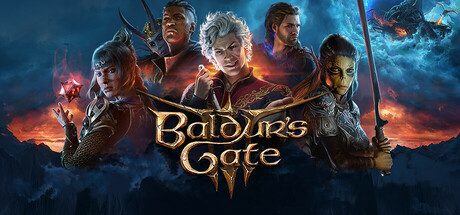
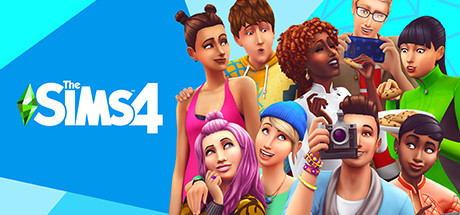
That emotional DNA—romance blooming in survival’s interstices, narrative intimacy layered over existential drift—resonates sharply with Baldur's Gate 3, where romance isn’t a side quest but a breathing, branching pulse woven into every dialogue choice, every campfire confession, every whispered pact sealed under starlight. Its JRPG Narrative dimension mirrors how Drifters of the Dead treats relationships: not as reward systems, but as atmospheric pressure—shifting, responsive, deeply personal. Likewise, FINAL FANTASY XIV Online anchors its survival and crafting dimensions in communal rhythm: gathering herbs at dawn, repairing gear by lamplight, sharing meals in player-built seaside cottages—echoing the anime’s coastal ease, where survival isn’t grim endurance but the quiet, tactile satisfaction of keeping things running, together, alive. And then there’s The Sims™ 4, whose description promises “Play with life and discover the possibilities”—a phrase that lands with eerie precision on the anime’s ethos. One player review complains about DLC dependency and broken systems, yet admits the core fantasy remains potent: creating a world wholly unique. That’s Drifters of the Dead in microcosm—the cast isn’t fighting to restore order; they’re improvising their own order, stitching meaning from beach towels, shared headphones, and the fragile, glittering logic of what feels right now.
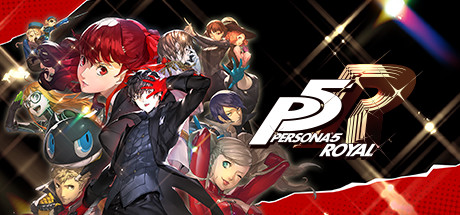
Who lives for this? Not the strategist who needs clean win conditions, nor the lore archaeologist hunting for canon. It’s the viewer who rewatches the scene where two girls share earbuds on a rusted pier, eyes closed, swaying slightly—not because the music matters, but because the proximity does. It’s the player who spends hours arranging a Sims’ bedroom not for efficiency, but for mood: soft light, mismatched pillows, a half-open window catching sea breeze. It’s someone who finds catharsis not in victory, but in continuity—in the way Persona 5 Royal’s daily life loop lets you walk Tokyo streets at golden hour, choosing when to confront shadows, how long to linger at a café, who to hold space for—and how that mirrors the anime’s refusal to rush the quiet, humid moments between crises. These pairings speak to those who understand that survival isn’t just about lasting—it’s about tending: tending to bonds, to beauty, to the stubborn, shimmering insistence of feeling something real, even when the world’s gone softly, strangely, sideways.
🎮17 Games That Match the Vibe






Match Dimensions Explained
❓Frequently Asked Questions
Why does Baldur's Gate 3 keep coming up in 'Games Like High School of the Dead: Drifters of the Dead' lists?
Because BG3 nails that intense, character-driven JRPG narrative where romance and moral stakes collide—just like HSoTD’s tense school-survival drama with shifting loyalties. You’ll recognize the same emotional weight in scenes like Astarion’s betrayal arc or Shadowheart’s conflicted choices, plus those slow-burn shoujo-style relationship moments that mirror Rei’s guarded vulnerability.
Is there a High School of the Dead game adaptation?
No official HSoTD game exists—but fans get that same vibe from Persona 5 Royal’s Tokyo high school setting, phantom heists, and tight-knit squad dynamics (think Makoto’s leadership mirroring Takashi’s growth). The combat isn’t zombie-swinging, but P5R’s turn-based strategy + social sim rhythm delivers that urgent, life-or-death teenage agency HSoTD fans crave.
How does FINAL FANTASY XIV compare to The Sims 4 for survival crafting in a post-apocalyptic mood?
FFXIV wins for gritty, communal survival—think rebuilding towns after Garlemald raids or farming crystals while fending off primal threats—whereas TS4 leans into playful, buggy life-simulation (per that player review: 'packs are insanely expensive and often broken'). Neither’s apocalyptic, but FFXIV’s survival & crafting dimension feels earned; TS4’s is more about whimsy than dread.
What’s the best game like High School of the Dead if I want that anxious, romantic tension during crisis?
Persona 5 Royal—it’s got the exact vibe: high schoolers juggling crushes, secret identities, and life-threatening stakes. Remember Ann’s confession scene in Shibuya? Or Ryuji’s loyalty mission where trust hangs by a thread? That mix of shoujo-style emotional intimacy and JRPG narrative urgency is why it scores 81 and fits HSoTD fans perfectly.