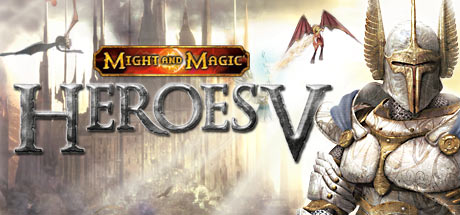
Heroes of Might & Magic V
Witness the amazing evolution of the genre-defining strategy game as it becomes a next-generation phenomenon, melding classic deep fantasy with next-generation visuals and gameplay. In the renowned Might & Magic universe, demon swarms spread chaos over the land in a relentless assault.
🎮Game Details
💬What Players Say
"Best HoMM game ever made. Ignore the deluded HoMMIII fans, this game nukes both HoMMIII and HoMMII from orbit."
"I think HOMM3 is the most fun installment in the series, but this game is pretty good too. The graphics still look decent for such an old game, and the gameplay is excellent."
"Where to begin... I bought this game because i kept hearing wonders about the 'Might & Magic' franchise, and decided to give it a shot. The game is extremely boring, and many of the game mechanics only makes you ask one question: 'why?..."
📝Editorial Analysis
The first time you see the demon swarms descend—not as cutscene spectacle, but as a creeping red stain across your fog-shrouded map in Heroes of Might & Magic V, your breath catches. Not from awe, but from dread. You zoom out: forests burn at the edges, villages flicker off the minimap like dying embers, and your hero’s lone banner—small, defiant—trembles under the weight of that relentless assault. That’s the game’s heartbeat: not grand triumph, but pressure, erosion, the slow, grinding certainty that chaos is winning unless you calculate, adapt, and hold ground one turn at a time. It’s exactly what the official description names: “demon swarms spread chaos over the land in a relentless assault”—not metaphor, not flavor text, but mechanical truth. And when Player Review 1 declares this game “nukes both HoMMIII and HoMMII from orbit,” it’s not hyperbole about polish—it’s the visceral shock of encountering a strategy world where consequence isn’t abstract, but geographic, temporal, inescapable.
What makes Heroes of Might & Magic V’s atmosphere unique isn’t its fantasy setting—it’s how deeply it commits to exhaustion as texture. The visuals aren’t just “next-generation” for 2006; they’re weathered: stone keeps slump under grey skies, unit sprites bear scuffs and battle-worn armor, even victory feels earned through attrition, not flourish. You don’t conquer—you endure. Every recruitment screen weighs on you: gold dwindles, morale dips, scouts return with reports of encroaching hordes—not distant threats, but adjacent. Player Review 2 notes the graphics “still look decent,” but it’s the tone that persists: a world fraying at the seams, where beauty is brittle and survival is tactical, not heroic. This isn’t high fantasy escapism. It’s grit, urgency, resource anxiety made tangible—where every decision hums with the quiet fear of being one misstep from collapse.
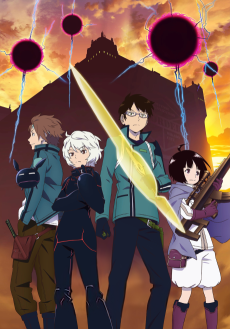
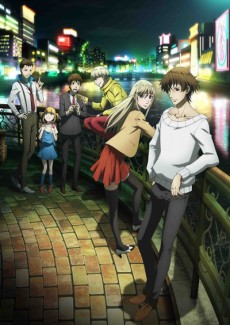
That same resonance pulses through Corpse Princess, where Aka fights not for glory, but to stitch together meaning amid irreversible loss. Her battles aren’t flashy—they’re tight, claustrophobic, grounded in precise timing and environmental awareness, mirroring HoMMV’s grid-based movement and terrain-dependent combat. Both demand you craft safety: Aka refines her cursed abilities like you refine your hero’s skill tree, each upgrade a fragile bulwark against entropy. Then there’s World Trigger 3rd Season, where every skirmish unfolds like a HoMMV scenario—teams deploy across layered maps, scan for weak points, coordinate flanking maneuvers before engagement, and retreat not in defeat, but as calibrated risk management. The shared dimension isn’t action—it’s tactical breathing space, the split-second calculus between advance and collapse. And Fate/Zero Season 2? Its war isn’t mythic—it’s logistical, psychological, territorial. Kiritsugu doesn’t win by overpowering; he secures chokepoints, manipulates supply lines (mana, alliances, intel), and sacrifices long-term ideals for short-term control—just as you might trade a castle’s income for an extra week of defensive positioning before the demon tide breaches your last wall.
Who lives for these pairings? The player who replays the same siege map three times—not to perfect speedrun splits, but to feel the weight shift each time they adjust their archer formation or delay healing to reinforce the gate. The viewer who rewatches Aka’s silent walk through ruined Kyoto not for plot, but for the way her boots crunch on broken tile—that sound, that rhythm, that refusal to look up. It’s the person who watches World Trigger’s command room scenes and leans forward when the tactical overlay flickers—not for exposition, but because they know that grid is real, that those coordinates mean life or collapse. They don’t crave power fantasies. They crave consequence. They love the ache of a well-spent turn, the quiet pride of a defended outpost, the hollow echo after a hard-won battle where no music swells—just wind, smoke, and the next wave already forming on the horizon. That’s the shared pulse: not victory, but continuance. Not legend—but lineage, forged in pressure, held, however briefly, against the swarm.
→108 Anime That Match the Vibe
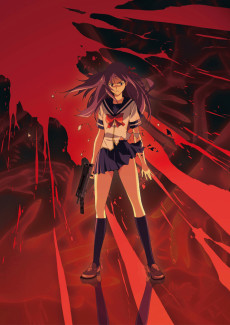
Makina’s relentless, rain-slicked pursuit of the Seven Stars mirrors the grim campaign maps of *Heroes V*, where every fortress captured feels like a hard-won reprieve from encroaching decay. Unlike most JRPG narratives, both commit to tactical warfare as moral labor—each battle in *Corpse Princess: Aka*’s claustrophobic Kyoto alleys demands precise positioning and resource rationing, echoing the game’s survival & crafting loop of healing, mana management, and unit preservation. That shared exhaustion—of bodies, magic, and vengeance—makes their resonance startlingly intimate, not epic.
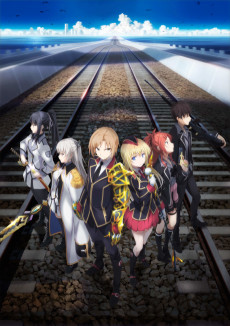
Found family dynamics, turn-based drama, and the weight of saving the world on young shoulders.
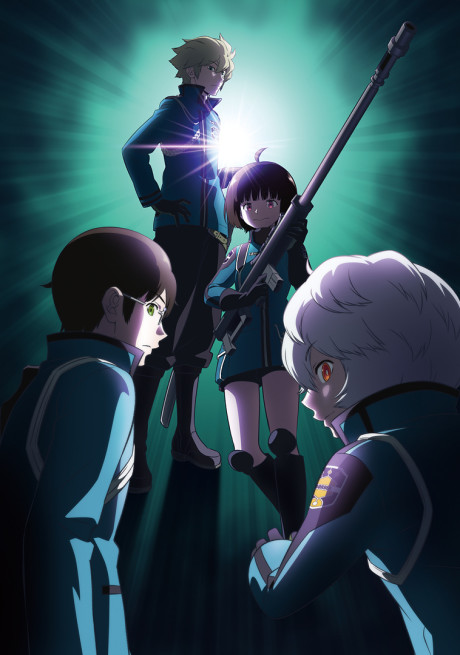
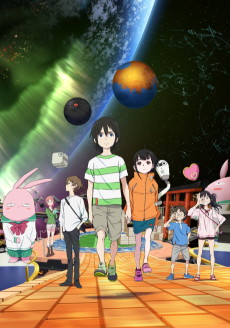
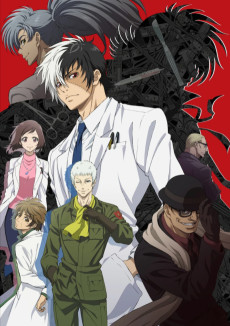
Hyuse’s quiet precision in Tamakoma’s rank wars mirrors the meticulous unit positioning and terrain exploitation demanded by Heroes of Might & Magic V’s tactical warfare—each decision carries weight, each flank matters. Unlike most sci-fi action, *World Trigger*’s third season leans into JRPG Narrative through squad-building loyalty and escalating stakes, echoing HoMM V’s faction-driven lore and consequence-laden campaign choices. This resonance feels surprising: gritty near-future combat and high-fantasy strategy both treat survival & crafting—not of items, but of trust, timing, and tactical identity.
Found family dynamics, turn-based drama, and the weight of saving the world on young shoulders.
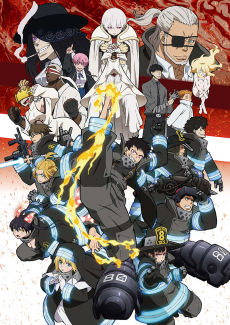
Shinra’s desperate, flame-scorched sprint through Evangelist-controlled ruins in *Fire Force* S2 mirrors the frantic, terrain-scarred marches of Heroes of Might & Magic V’s faction leaders—both grounded in **JRPG Narrative**, where lore isn’t exposition but lived consequence. Unlike most strategy games or anime, neither indulges in clean victories: every hard-won Adolla Burst echoes a captured town’s resource strain, each tactical retreat shaped by scarcity and survival. That shared grit—forged in fire and finite resources—makes their resonance startlingly tactile, not thematic.

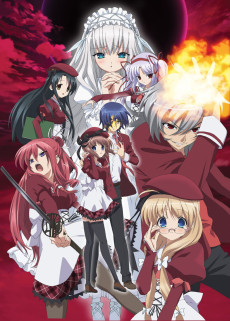
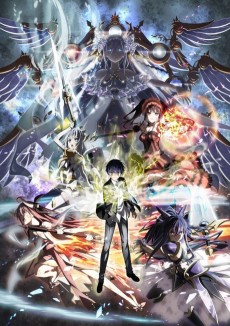
Risei Kotomine’s chilling invocation of “unity” amid the Fourth Holy Grail War’s moral collapse mirrors Heroes of Might & Magic V’s fractured factions negotiating uneasy alliances in shattered realms—both weaponize ✨ JRPG Narrative to turn ideological fracture into visceral stakes. Unlike most tactical fantasies, neither offers clean victories: Kiritsugu’s final stand at Ryuudou Temple and the Sylvan campaign’s desperate siege of Castle Irdya alike force agonizing choices where loyalty and survival collide. That tension—between grand myth and gritty consequence—is what makes their resonance so sharply compelling.

What if tactical mastery felt like a soccer match where every pass is a spellcast and every formation shift reshapes the battlefield? In *Heroes of Might & Magic V*, assembling a fragile army from scattered ruins mirrors *BLUE LOCK Season 2*’s U-20 trials—where players craft identity under pressure, not with hammers and ore, but with split-second decisions and ruthless self-reinvention. This shared **Survival & Crafting** dimension transforms strategy into visceral, high-stakes evolution—surprising because fantasy warfare and youth soccer rarely converse so intimately.
Found family dynamics, turn-based drama, and the weight of saving the world on young shoulders.

Found family dynamics, turn-based drama, and the weight of saving the world on young shoulders.

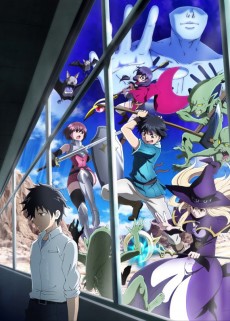
Yuri’s “Operation High Tension Syndrome” — a chaotic, handmade assault on Heaven’s bureaucracy — mirrors Heroes of Might & Magic V’s siege-crafting loops: both weaponize *Survival & Crafting* to turn scarcity into sacred rebellion. Unlike most fantasy epics, neither offers divine grace; instead, they stage defiant, tactile world-building—be it forging siege engines from scrap or rigging stairways to heaven with duct tape and sheer will. That shared insistence on *making meaning through making things* makes their resonance startlingly sincere, not just stylistic.


![Fate/stay night [Heaven’s Feel] III. spring song](https://s4.anilist.co/file/anilistcdn/media/anime/cover/large/bx21719-MSdTlkno0Z0u.jpg)





































![Fate/stay night [Heaven's Feel] I. presage flower](https://s4.anilist.co/file/anilistcdn/media/anime/cover/medium/bx20791-yPCX5GJuMH2k.png)



Match Dimensions Explained
❓Frequently Asked Questions
Why does Corpse Princess match Heroes of Might & Magic V so well?
Because both hinge on tactical warfare against overwhelming demonic hordes—like when Aka and her Shikabane fight waves of undead in Kyoto’s ruined temples, mirroring HoMMV’s demon swarm invasions across the war-torn land. The JRPG Narrative depth (Aka’s tragic backstory, her pact with the Buddhist hierarchy) and Survival & Crafting elements (rebuilding shrines, forging sacred weapons) directly echo HoMMV’s faction-building, hero progression, and resource-driven campaign structure.
Is there an anime adaptation of Heroes of Might & Magic V?
No—there’s never been an official anime adaptation of HoMMV, despite its rich lore and fan demand. But if you’re craving that same vibe, World Trigger 3rd Season nails it: the Border HQ’s strategic war room scenes, tactical deployment of Triggers against massive hostile forces (like the Aftokrator invasion), and layered faction politics mirror HoMMV’s turn-based army management and demon-swarmed campaign map almost beat-for-beat.
How does Fate/Zero Season 2 compare to World Trigger 3rd Season for HoMMV fans?
Fate/Zero S2 leans harder into JRPG Narrative and Tactical Warfare via high-stakes, terrain-aware battles—think Kiritsugu’s sniper ambushes in the snowy forest or the castle siege where he coordinates traps and timed explosions like a HoMMV hero positioning shooters and mages before combat. World Trigger 3rd Season adds more explicit Survival & Crafting (base upgrades, gear calibration) and squad-level unit synergy—closer to HoMMV’s creature recruitment and formation mechanics—but Fate/Zero delivers sharper strategic tension in single-battle execution.
What’s the best anime like HoMMV for someone who loves the demon swarm chaos and grim fantasy tone?
Corpse Princess is your top pick—it’s got the relentless, apocalyptic demon swarms (Shikabane hordes breaching temple wards just like HoMMV’s demons overrunning towns), plus that same grounded, gritty fantasy where magic has real cost and consequences. Aka’s constant survival mode—scavenging sutras, repairing talismans, and fighting through decaying sacred spaces—mirrors HoMMV’s resource-scarce campaigns and dark, mythic atmosphere better than any other match.