
Assassination Classroom Second Season
The second season of Ansatsu Kyoushitsu.
The students return as school is back in session for the second semester. Following their exploits on the island during summer vacation, Class 3-E continues to sharpen their blades with their sights set on their teacher, the slippery Koro-sensei. They have more to worry about than just their teacher, however, as enemy assassins, both old and new, are out for the increased bounty on the octopus' head.
Moreover, their rivals in Class A, as well as Kunugigaoka Junior High's fearsome principal, stand to block Class E from achieving academic excellence. With all of these obstacles opposing them, the group must continue to work together in order to overcome their foes and accomplish their goal of successfully assassinating their teacher.
📺Anime Details
📝Editorial Analysis
The chalk dust hangs in the afternoon light—not floating, but settling, like ash after an explosion no one heard. Koro-sensei’s tentacle flicks a stray eraser back into place as Class 3-E files in, silent for once. No jokes. No frantic scheming. Just backpacks unzipped, notebooks opened, and the low, shared weight of knowing: this is their last semester. Not just because the countdown to his destruction ticks louder—but because they’re changing, visibly, in the way they hold their shoulders, how their eyes skip over each other’s scars before landing steady on the board. That quiet is the heart of Assassination Classroom Second Season: not the explosions or the bounty hunters’ blades, but the unbearable tenderness of time running out while everyone’s still learning how to be human.

What makes it ache so deeply isn’t its shōnen structure or supernatural premise—it’s the duality of urgency and slowness. Every assassination attempt is choreographed with lethal precision, yet the show lingers on the rustle of a uniform sleeve as Karma adjusts his grip on a modified sniper rifle, or the way Nagisa blinks twice before answering a question—not out of confusion, but because he’s measuring how much truth he can afford to speak aloud. It’s a world where trauma and tenderness share the same breath, where laughter cracks open right beside grief, and every victory feels hollow until someone remembers to hand another student a tissue. You don’t just watch it—you hold your breath waiting for the next fracture, the next repair, the next time someone chooses kindness not despite the stakes, but because of them.
That emotional DNA—this precise blend of tactical pressure, intimate ensemble growth, and narrative gravity that never lets you forget who is fighting, not just what they’re fighting for—is why Dragon Age: Origins resonates so fiercely. Its description names “Emotional Narrative” and “Tactical Warfare” as core dimensions—and the player review nails why: “the story is great and its pause attack mechanic is amazing… help a lot to strategist your tactic.” That pause button isn’t just gameplay—it’s breathing room. Like Class 3-E’s classroom debates before a mission, or the slow zoom on a character’s face mid-battle as their resolve hardens: space to feel before you act. Both demand you weigh loyalty against survival, trust against betrayal—not abstractly, but through faces you’ve watched flinch, laugh, lie, and weep across dozens of hours.
Then there’s Persona 5 Royal, tagged with “JRPG Narrative” and “Emotional Narrative,” its description highlighting “build relations” alongside dungeon crawling and strategic combat. The player review raves about “the seamless transition between daily life…”—exactly the rhythm Assassination Classroom Second Season masters. One moment, Nagisa is calibrating a poison-laced dart; the next, he’s helping Kayano re-tie her shoelaces after gym class. The game doesn’t treat social links as side content—it treats them as narrative infrastructure, just as the anime treats lunchtime banter or club meetings as structural pillars holding up the entire assassination arc. In both, emotional labor is the mission.
And though less obvious, Jade Empire™: Special Edition shares that same hushed reverence for moral weight within action. Its description frames your choice as “the path of the open palm or the closed fist”—a duality echoing Koro-sensei’s own paradox: monster teacher who refuses to kill, whose greatest power is restraint. The player review mentions technical hurdles (“had to follow these instructions I got from Reddit…”), but what lingers is the commitment—to a world where philosophy is forged in combat, where every stance, every decision, carries consequence beyond XP. Like when Class 3-E debates whether to use a non-lethal trap that could permanently impair a rival assassin: no flashy cutscene, just murmured voices in the supply closet, the silence after hanging heavier than any explosion.
This pairing isn’t for fans of “cool powers” or “epic battles” alone. It’s for the person who rewinds the scene where Irina quietly leaves her favorite pen on Koro-sensei’s desk—not as a weapon, but as a thank-you—and watches it three times. For the player who pauses Persona 5 Royal not to optimize stats, but to sit with Ann’s voice cracking during a Confidant scene. For the one who replays Dragon Age: Origins’ final confrontation not for tactics, but to hear Alistair’s laugh one more time before the fade to black. They’re the ones who know: the most devastating stakes aren’t measured in bounties or Blights—but in how many seconds it takes someone to lower their guard, and how bravely they reach out, hand trembling, before the clock runs out.
🎮29 Games That Match the Vibe









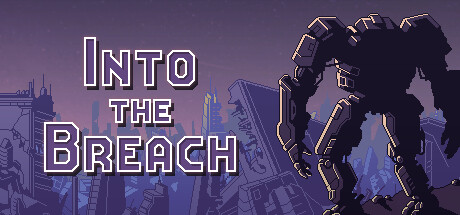













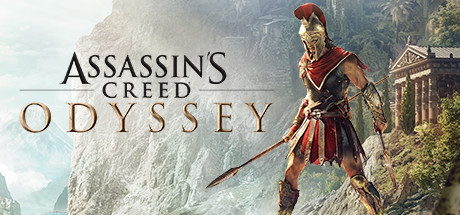

Match Dimensions Explained
❓Frequently Asked Questions
Why does Persona 5 Royal feel so much like Assassination Classroom's second season?
Because both lean hard into that 'misfit students unite to challenge corrupt authority' energy—Persona 5’s Phantom Thieves pulling off heists to change hearts mirrors Class 3-E’s high-stakes missions against government-backed threats. The emotional narrative dimension (74 score) and JRPG Narrative depth let you build bonds with party members like Ann or Ryuji just like you’d grow alongside Karma, Asano, or Nagisa—complete with school life rhythm, dramatic confessions, and a killer soundtrack that *slaps* during pivotal moments.
Is there a video game adaptation of Assassination Classroom Second Season?
No—there’s never been an official Assassination Classroom game, anime or manga adaptation included. But if you’re craving that same blend of tactical classroom tension and emotional character arcs, Dragon Age: Origins nails it: its pause-and-command combat lets you orchestrate ambushes like Class 3-E’s sniper drills, and choices like sparing or executing the Darkspawn Archdemon echo the moral weight of Koro-sensei’s final lessons.
How does King's Bounty: Armored Princess compare to Heroes of Might & Magic V for Assassination Classroom vibes?
Both deliver JRPG Narrative + Tactical Warfare (64 each), but Armored Princess leans into personal agency—you play *as* the heroine making bold, sometimes reckless calls (like Nagisa’s solo gambits), while HoMM V feels more like commanding Class 3-E as a unit across vast maps, with turn-based battles where positioning your griffins or mages mirrors how the class coordinates traps and flanking in Episode 18’s beach assault. Armored Princess has more intimate story beats; HoMM V has grander, system-driven stakes.
What’s the best game like Assassination Classroom S2 if I want that bittersweet, emotionally charged classroom bonding vibe?
Persona 5 Royal is your absolute go-to—it’s got that tight-knit found-family energy, daily school life interwoven with world-shaking stakes, and emotional narrative depth (74 score) that hits like Koro-sensei’s farewell speech. You’ll bond with characters over coffee at Leblanc, face down tyrannical adults in surreal dungeons, and feel every ‘change of heart’ moment land like a well-placed chalkboard eraser—no filler, all heart.