
My Hero Academia FINAL SEASON
The eighth and final season of Boku no Hero Academia.
Deku and the heroes are plunged into a final battle against villains across Japan. Deku, by fully unleashing One For All Quirks, faces off against Shigaraki. A young and refreshed All For One faces Armored All Might, Quirkless in his powered armor suit. Will Deku be able to bring the story of how they all became the greatest heroes to its finale? Or will everything be destroyed?!
(Source: Crunchyroll)
📺Anime Details
📝Editorial Analysis
The city breathes smoke and static—concrete cracked like old bone, streetlights flickering in staggered gasps as Deku’s knuckles split open against Shigaraki’s decay. Not a clean punch. Not a heroic pose. Just raw, trembling force meeting raw, unraveling chaos. His ribs scream. His vision tunnels. And still—he pushes, not because he believes he’ll win, but because every hero behind him is holding the line with broken ribs, burnt lungs, and borrowed time. That’s the FINAL SEASON: war not as spectacle, but as weight—the cumulative gravity of every choice, every sacrifice, every scar worn like a second skin.

This isn’t just shōnen escalation. It’s urban exhaustion. You feel the grit under your nails—the way Tokyo’s skyline isn’t backdrop but battlefield architecture, where alleyways become triage zones and subway tunnels echo with the aftershocks of Quirk detonations. The ensemble cast doesn’t shine in unison; they fracture, regroup, fail, and re-shoulder duty in real-time. Age regression isn’t whimsy—it’s visceral disorientation, a body betraying memory mid-battle. There’s no triumphant fanfare when All Might suits up; just the hydraulic hiss of armor sealing over a Quirkless man, his voice tight, his stance rigid—not invincible, but committed. That’s the feeling: duty as muscle memory, hope as something you have to relearn between breaths.
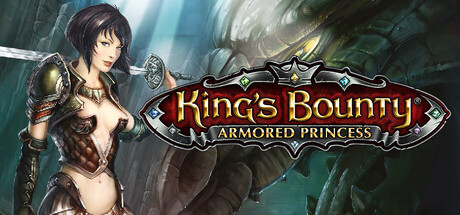
King's Bounty: Armored Princess resonates because it mirrors that same layered burden of command. Its description calls it “tactical warfare” rooted in a “huge hand-crafted world”—not open-world bloat, but terrain that remembers your losses. Like Deku navigating ruined districts, you don’t just move units—you weigh cover, elevation, fatigue, and consequence. A player review says you “play the role of the heroine,” but crucially, not as an untouchable icon: she’s armored, yes—but also armored against doubt, leading troops who bleed, desert, or break under pressure. That tactical intimacy—where every turn feels like a decision made with a dry mouth and a pounding heart—is the same pulse as Class 1-A coordinating under fire, calculating angles while their Quirks sputter.
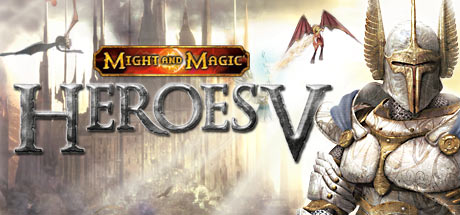
Then there’s Heroes of Might & Magic V, described as melding “classic deep fantasy with next-generation visuals and gameplay.” But look closer: its player review doesn’t praise flash—it declares it “the best HoMM game ever made” because it nukes both HoMMIII and HoMMII from orbit. That’s not arrogance—it’s finality. Like FINAL SEASON’s narrative architecture, HoMMV refuses nostalgia-as-safety. It rebuilds systems from the ground up: morale matters, terrain reshapes combat flow, heroes grow not just stronger but more burdened, carrying relics that demand upkeep, loyalty that frays. When Deku finally unleashes One For All’s full lineage—not as power-up, but as inheritance made flesh—it lands with the same weight as HoMMV’s campaign arcs, where victory isn’t clean conquest, but the slow, costly reclamation of ground already soaked in loss.
Neither game offers power fantasies. They offer stewardship: managing dwindling resources, honoring fallen allies by naming new squads after them, choosing which village to save first knowing another will burn. That’s why the FINAL SEASON’s quietest moments hit hardest—the exhausted silence after a battle, the way Midoriya’s hands shake not from adrenaline but from carrying everyone’s trust—and why HoMMV’s siege maps and King’s Bounty’s fog-of-war corridors feel emotionally adjacent. They’re built on the same truth: heroism isn’t about winning. It’s about who you protect while losing ground.
This pairing is for the viewer who watches Deku’s final sprint toward Shigaraki and doesn’t cheer—but holds their breath, remembering how many times he’s fallen before this hill. For the player who reloads a HoMMV battle not to win faster, but to get the retreat timing right so fewer griffins die. For anyone who’s ever carried grief like armor, and still stepped into the light—not because it was safe, but because someone needed to hold the door open. These aren’t stories about saving the world. They’re about keeping the lights on—one cracked streetlamp, one routed battalion, one trembling fist at a time.
🎮9 Games That Match the Vibe


Match Dimensions Explained
❓Frequently Asked Questions
Why does King's Bounty: Armored Princess feel like the FINAL SEASON's 'U.A. School Festival' arc?
Because it nails that same energetic blend of heroic set-pieces and tactical teamwork—like when Momo uses her Creation quirk to craft cover mid-battle, Armored Princess lets you deploy terrain-altering spells and hero-specific abilities in real-time tactical skirmishes. You're constantly juggling squad positioning, character synergies (think Eraser Head’s command presence meets the Princess’s leadership aura), and high-stakes narrative choices that ripple through the world—just like the festival’s escalating chaos and moral stakes.
Is there a My Hero Academia FINAL SEASON video game adaptation?
No—there’s no official FINAL SEASON game. The closest licensed titles are older mobile games like *My Hero Academia: The Strongest Hero*, which ended support before the FINAL SEASON aired. Instead, fans looking for that same tone and depth turn to narrative-driven tactical RPGs like *Heroes of Might & Magic V*, where your leadership decisions, faction loyalties, and battlefield improvisation echo the season’s themes of legacy, sacrifice, and rebuilding trust after crisis.
King's Bounty: Armored Princess vs. Heroes of Might & Magic V—which one captures FINAL SEASON’s ‘All Might’s final stand’ energy better?
HoMM V wins for raw emotional weight and cinematic scale—it’s got those sweeping, almost operatic battles where your hero rallies broken troops against overwhelming odds, just like All Might’s last fight with All For One. Armored Princess is more intimate and character-driven (think Izuku’s growth arcs), but HoMM V’s faction-specific campaigns, morale mechanics, and ‘last stand’ siege scenarios mirror the FINAL SEASON’s grand, tragic heroism—especially its ‘Fallen Angel’ campaign where hope feels earned, not given.
What’s the best game like My Hero Academia FINAL SEASON if I want that ‘post-war U.A. rebuilding’ vibe—hopeful but heavy, with deep character bonds?
Go with *King's Bounty: Armored Princess*. Its hand-crafted world feels lived-in and scarred—like post-battle U.A.—and your heroine’s journey isn’t just about power, but earning loyalty, healing rifts, and mentoring younger heroes (similar to Deku guiding the new generation). The turn-based tactics force thoughtful cooperation—no solo flashiness—so when you finally unite your squad for a climactic push, it lands with the same quiet, hard-won resonance as Class 1-A standing together on the rebuilt roof.