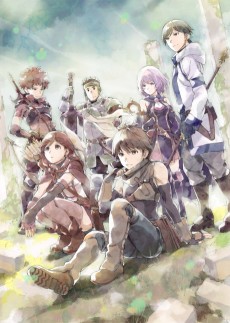
Grimgar of Fantasy and Ash
Fear, survival, instinct. Thrown into a foreign land with nothing but hazy memories and the knowledge of their name, they can feel only these three emotions resonating deep within their souls. A group of strangers is given no other choice than to accept the only paying job in this game-like world—the role of a soldier in the Reserve Army—and eliminate anything that threatens the peace in their new world, Grimgar.
When all of the stronger candidates join together, those left behind must create a party together to survive: Manato, a charismatic leader and priest; Haruhiro, a nervous thief; Yume, a cheerful hunter; Shihoru, a shy mage; Mogzo, a kind warrior; and Ranta, a rowdy dark knight. Despite its resemblance to one, this is no game—there are no redos or respawns; it is kill or be killed.
It is now up to this ragtag group of unlikely fighters to survive together in a world where life and death are separated only by a fine line.
📺Anime Details
📝Editorial Analysis
The smell of wet earth and burnt rope. Haruhiro’s hands shaking as he tightens the leather strap on his borrowed shield—not because it’s loose, but because his fingers won’t stop trembling after the first goblin falls, throat slit, eyes wide and unblinking. No triumphant music swells. No heroic pose follows. Just the ragged inhale of six strangers standing over a corpse they didn’t want to make, breathing like they’ve just surfaced from deep water—exhausted, confused, alive in spite of themselves. That moment isn’t spectacle. It’s residue.
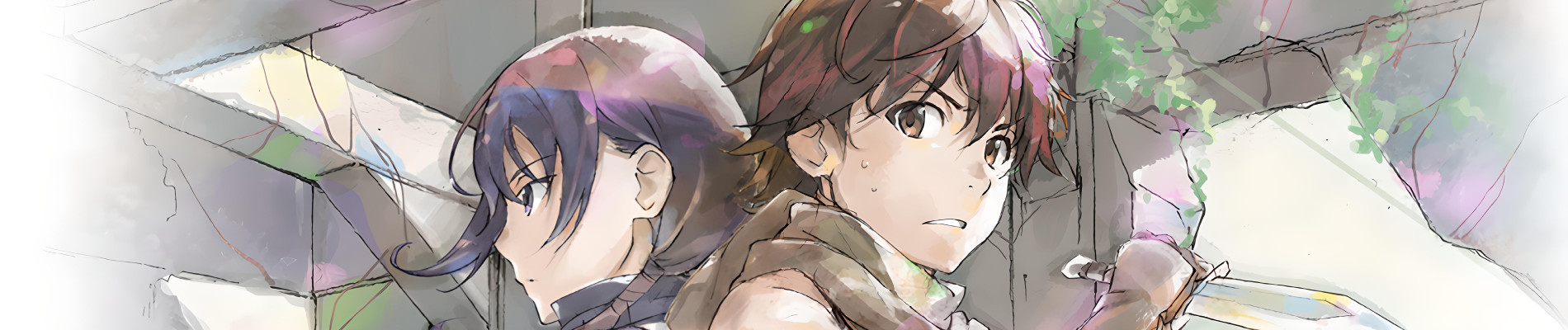
What makes Grimgar of Fantasy and Ash ache so deeply isn’t its isekai setup or its goblin battles—it’s how relentlessly small it keeps everything. There are no chosen ones, no hidden bloodlines, no whispered prophecies. Just names half-remembered, spells mispronounced, armor that chafes, and healing potions that barely stanch the bleeding. The world doesn’t revolve around them; it grinds on, indifferent. You don’t feel powerful watching it—you feel accountable. Every decision carries weight not because it changes fate, but because it might keep someone breathing another day. It forces you to sit with the quiet horror of consequence: not grand tragedy, but the slow erosion of hope when survival demands compromise, silence, and shared guilt.
That emotional DNA pulses strongest in games where narrative isn’t delivered through cutscenes, but worn—like calluses built over time. Chains, despite being a match-3 arcade game, mirrors Grimgar’s rhythm in unexpected ways. Its description calls it “relaxing,” yet the player review reveals its real texture: “link adjacent bubbles… clear enough till you can proceed.” There’s no flash, no fanfare—just incremental progress, physics-driven resistance, and the quiet tension of knowing one misstep unravels the chain. Like Haruhiro calculating angles before a thrust, or Mina double-checking her bowstring in the rain, it’s about precision under fatigue, about doing the same small thing again and again until it becomes second nature—not because it’s easy, but because stopping isn’t an option.
Then there’s Persona 5 Royal, whose description highlights “daily life” and “building relations,” while the player review praises its “seamless transition between daily life…” That duality—between the urgent, violent stakes of the Metaverse and the fragile, tender rituals of coffee shops, study sessions, and train rides—is pure Grimgar. In both, relationships aren’t exposition dumps—they’re practiced. You learn who trusts whom by who shares rations without being asked, who stays behind to cover retreat, who cries silently after a funeral no one else attends. The emotional narrative isn’t told—it’s lived, hour by hour, choice by quiet choice.
And Dragon Age: Origins, with its pause-and-attack combat and player review noting how it “help[s] a lot to strategist your tactic,” echoes Grimgar’s tactical humility. This isn’t about flashy combos or god-tier reflexes—it’s about positioning, resource management, and accepting that sometimes, the smartest move is running. Its description asks, “What will be said about the hero who turned the tide?” But Grimgar refuses that question. Its heroes don’t turn tides—they patch leaks, hold lines, bury friends, and whisper apologies into the dark. Both understand that leadership isn’t charisma—it’s showing up, again and again, with a dull sword and a full heart.
This pairing speaks to the person who watches anime not for power fantasies, but for the tremor in a voice before a speech; who plays games not to conquer worlds, but to inhabit them—feeling the grit of sand in boots, the weight of silence between allies, the way grief settles differently in each character’s posture. It’s for the reader who underlines sentences about exhaustion in novels, the player who saves before every campfire, the watcher who remembers how long it took Ranta to finally say “thank you”—not because it’s plot-relevant, but because it hurts to wait that long. They don’t seek escape. They seek resonance. And in Grimgar of Fantasy and Ash, in the hush after battle, in the click of a match-3 bubble, in the pause before a dragon’s breath—the resonance is real, aching, and utterly undeniable.
🎮25 Games That Match the Vibe


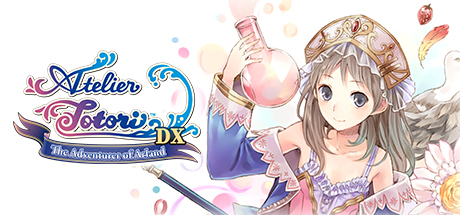

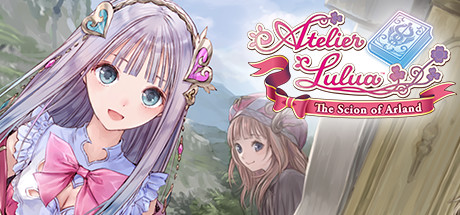
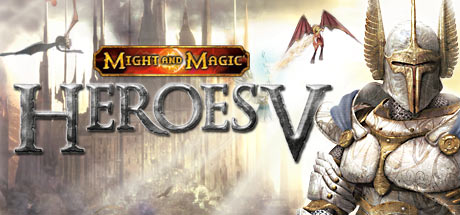
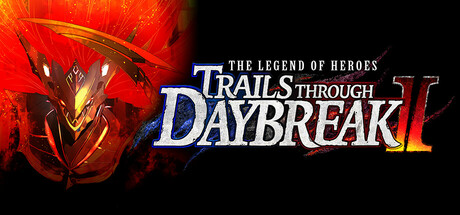
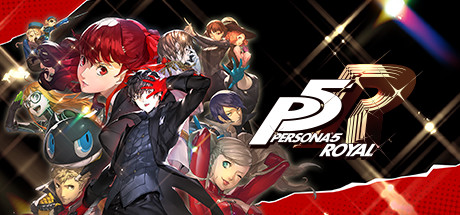
Match Dimensions Explained
❓Frequently Asked Questions
Why does Dragon Age: Origins feel like the closest match to Grimgar’s tone despite being older?
Because both lean hard into emotional weight and morally gray survival—like Grimgar’s early campfire scenes where characters ration rations and grieve fallen comrades, Origins forces you to make brutal choices in Lothering or Ostagar that permanently alter relationships and outcomes. Its pause-and-attack combat even mirrors Grimgar’s tense, tactical skirmishes where positioning and party roles (e.g., Alistair as tank, Morrigan as fragile but vital mage) matter more than flashy combos.
Is there a Grimgar anime adaptation of Heroes of Might & Magic V?
No—HoMM V is a standalone 2006 fantasy strategy game with no anime ties. It *does* share Grimgar’s grounded worldbuilding though: think of its Sylvan faction’s desperate forest encampments or the Necropolis campaign’s grim resource-scarce sieges—not epic heroics, but weary commanders making hard calls with limited troops and supplies, just like Haruhiro’s squad managing gear and morale.
How does Persona 5 Royal compare to Jade Empire in capturing Grimgar’s ‘found family’ vibe?
Persona 5 Royal nails it through daily life systems—like building Confidants with Ann or Ryuji, whose trust unlocks deeper dialogue and combat synergies, mirroring how Grimgar’s group slowly bonds over shared trauma and small victories (e.g., Yume’s quiet support during night watches). Jade Empire leans more on martial philosophy and rigid master-student dynamics, so while emotionally rich, it lacks P5R’s intimate, slice-of-life pacing and character-driven downtime.
What’s the best game like Grimgar if I want that quiet, melancholic survival mood—no power fantasies, just exhaustion and camaraderie?
Dragon Age: Origins is your top pick—it’s got that same low-fantasy grit: your party huddles around a fire in dusty ruins, inventory management feels urgent (you’ll actually count healing poultices), and companions like Leliana or Sten open up slowly through shared hardship—not grand speeches, but tired glances and reluctant loyalty. Even the fade-tinted visuals and somber score reinforce that ‘we’re just trying to survive this war’ ache.