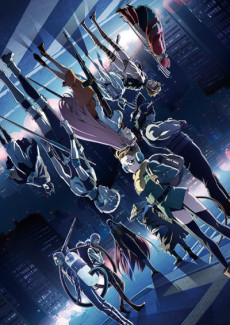
JUNI TAISEN:ZODIAC WAR
📺Anime Details
📝Editorial Analysis
The alley smells of wet concrete and copper. A bare foot slams into brick, toes bleeding, knuckles split open—not from a punch, but from dragging a body through broken glass. No music swells. No hero’s monologue cuts through the silence. Just ragged breath, the thud of a dropped knife, and the slow, deliberate unzipping of a tactical vest—not for drama, but to check pulse points on a corpse whose kemonomimi ears still twitch in neural aftershock. That’s JUNI TAISEN:ZODIAC WAR: not spectacle as celebration, but spectacle as autopsy.
What lingers isn’t adrenaline—it’s weight. The urban grit isn’t backdrop; it’s pressure. Every rooftop leap carries the drag of orphaned childhoods. Every martial arts exchange is stripped of flourish: elbows drive like piston rods, knees buckle with biomechanical finality, and tanned skin glistens not with sweat, but with the dull sheen of exhaustion that predates the war itself. This isn’t fantasy escapism—it’s urban fantasy as forensic realism. You don’t root for survival. You watch how dignity fractures under the arithmetic of attrition. The Zodiac War doesn’t ask “Who will win?” It asks, “What remains when the last name is erased from the list?”—and the answer is never triumph. It’s silence thick enough to taste.
That same suffocating gravity lives in Monster Hunter: World. Not in its lush ecosystems or soaring wyverns—but in the Action Spectacle dimension where every hunt feels like a grim, collaborative triage: you track, you wound, you stagger, you exhaust, then you kneel beside your hunter and share a silent meal while the carcass cools. Its Dark Fantasy isn’t gothic—it’s ecological: decay, infection, territorial collapse—all rendered with clinical reverence. Player reviews don’t praise lore dumps; they cite the “bone-deep fatigue after a 45-minute Nergigante fight”, the way your hands ache in real time just like the hunters’ cracked knuckles in JUNI TAISEN. Both treat violence as labor, not theater.
Then there’s FINAL FANTASY XVI, where JRPG Narrative meets Dark Fantasy not through prophecy, but through consequence. Clive’s rage isn’t cathartic—it’s tired. His sword swings carry the inertia of years spent burying brothers, not avenging them. Like JUNI TAISEN, it refuses catharsis: victories land like body bags dropped at a morgue door. The Action Spectacle here isn’t flash—it’s physics-driven collapse: shields shatter with ceramic brittleness, armor dents permanently, and magic doesn’t glow—it scars, leaving ash-trails and heat-warped air. One player review nails it: “You don’t feel powerful—you feel permitted, barely, to keep moving.” That’s the same permission granted to the Rat or the Ox—granted, then revoked, then granted again, always conditional, never earned.
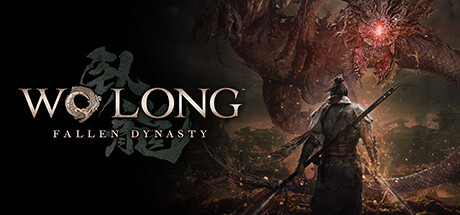
And Wo Long: Fallen Dynasty—its Tactical Warfare isn’t strategy-game abstraction. It’s breath-hold timing, stance-breaking fatigue, the visceral lag between intention and impact when your guard breaks and the enemy’s spearhead catches light for one terrible millisecond before it punches through your ribs. Its Dark Fantasy is Confucian dread: honor isn’t virtue—it’s debt, and every parry accrues interest. Like JUNI TAISEN, it treats martial arts not as philosophy, but as calculated erosion: you don’t master technique—you survive long enough for the opponent’s knee to give, their wrist to twist, their breath to hitch—then you press one more inch. A player review puts it bluntly: “Fights feel less like duels and more like shared collapse.” Exactly. No victor stands tall. They just stop falling first.
This pairing isn’t for fans of “cool fights.” It’s for the ones who pause mid-battle to stare at a character’s trembling hand—not because it’s injured, but because it’s remembering how to hold a child’s. For players who replay the same boss not to optimize damage, but to see if this time, just once, the camera holds on the fallen foe’s face a half-second longer. For viewers who don’t skip the quiet shots of rain on a discarded dog tag, or the way a kemonomimi ear flattens—not in fear, but in the recognition that the next blow won’t be clean. These aren’t stories about winning wars. They’re about carrying the weight of the battlefield inside your ribs, long after the last name is called—and knowing, deep in the marrow, that survival is the most violent act of all.
🎮37 Games That Match the Vibe







Match Dimensions Explained
❓Frequently Asked Questions
Why does the JUNI TAISEN anime’s ‘Rat vs. Dog’ fight feel so different from Monster Hunter: World’s combat?
Because JUNI TAISEN’s fights are hyper-stylized, one-on-one duels with heavy emphasis on psychological warfare and Zodiac-themed abilities—like Rat’s poison manipulation and Dog’s brute-force stamina—whereas Monster Hunter: World is about learning monster tells, managing stamina, and crafting gear between hunts in an open ecosystem. The Action Spectacle and Dark Fantasy overlap is real, but MH:World trades personal vendettas for environmental scale and systemic preparation.
Is there a JUNI TAISEN: Zodiac War video game adaptation?
No—there’s no official JUNI TAISEN game. But if you’re craving that same lethal, ritualistic tournament energy with mythic stakes, Wo Long: Fallen Dynasty nails it: think ‘Ox vs. Tiger’-level intensity translated into its ‘Spirit Stone’ system and brutal, stance-based duels against demonic warlords like Dong Zhuo. It’s not licensed, but the Dark Fantasy + Action Spectacle + Tactical Warfare blend hits shockingly close.
How does FINAL FANTASY XVI compare to JUNI TAISEN in terms of character-driven tragedy?
Both lean hard into doomed, power-wielding protagonists shaped by fate—but while JUNI TAISEN’s Tiger or Boar die for ideology or loyalty in tight, fatalistic matches, FFXVI’s Clive Rosfield unravels across a sprawling JRPG Narrative where Eikon battles (like Ifrit vs. Bahamut) mirror Zodiac War’s spectacle but with deeper political rot and slower-burn grief. The 77-score Dark Fantasy and JRPG Narrative alignment isn’t accidental—it’s tragedy with cutscenes and consequences.
What’s the best game like JUNI TAISEN if I want that grim, high-stakes tournament vibe but hate clunky controls?
Skip Sacred Gold—it’s got the Dark Fantasy and Action Spectacle scores (74), but player reviews confirm it’s riddled with jank and instability on modern systems, which would ruin the tense, precise rhythm JUNI TAISEN demands. Go straight to Wo Long: Fallen Dynasty instead: its parry-heavy combat, demonic arena-like battlefields (e.g., the Burning Citadel), and relentless pacing deliver that ‘life-or-death duel’ rush without the frustration.