Two Worlds II HD
Check out the new Velvet Edition bundle including both Two Worlds II and Pirates of the Flying Fortress DLC.
🎮Game Details
💬What Players Say
"Fails to launch on PC, tried the tips recommended to fix it but it did not work. It will run on SteamDeck without any hassle though."
"The absolute insanity of adding DRM and account requirement many years after release is mind boggling and should not be allowed by steam."
"This game is fun, mostly, the DLCs are ♥♥♥♥, all of them. The DLCs take your main game character and put them in a separate environment isolated from main story progress. There is a mod that tries to integrate everything seamlessly, but you have to know how to implement it and it's not maintained...."
📝Editorial Analysis
You’re standing on the Steam Deck’s screen—crisp, unfazed, alive—while the same game refuses to launch on your desktop, no matter how many forums you scroll, how many registry tweaks you paste. That dissonance is the first breath of Two Worlds II HD: a world that works only where it shouldn’t, humming with possibility in the margins while crumbling under its own infrastructure elsewhere. It’s not the fantasy landscapes or spell-slinging—it’s the quiet betrayal of expectation: a game bundled as “Velvet Edition” (two titles, one promise), yet delivered with post-release DRM shackles so absurd they spark outrage years after launch—stolen but true, as one reviewer writes, not as hyperbole but as lived friction. You boot it anyway—not for polish, but for the stubborn, flickering fun buried beneath.
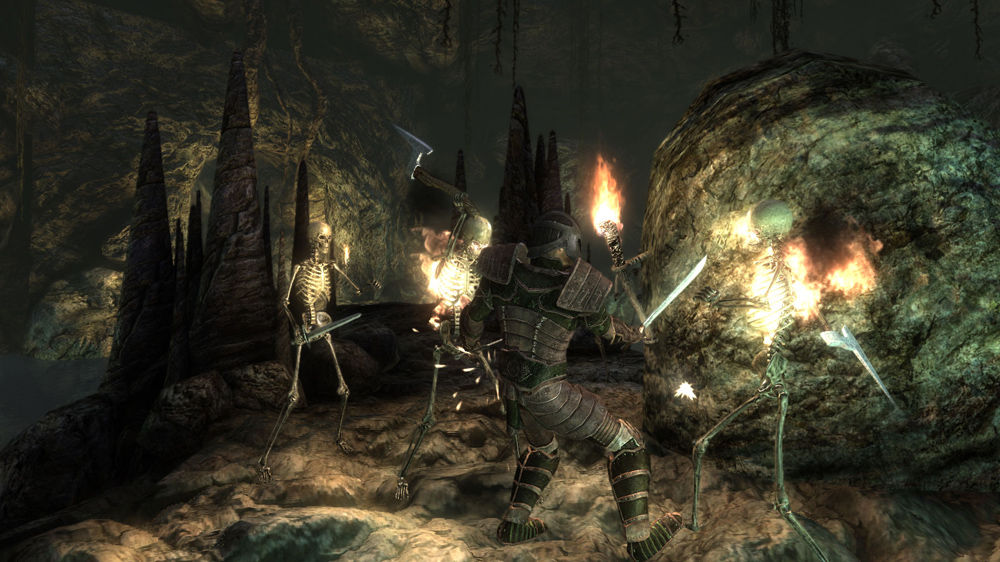
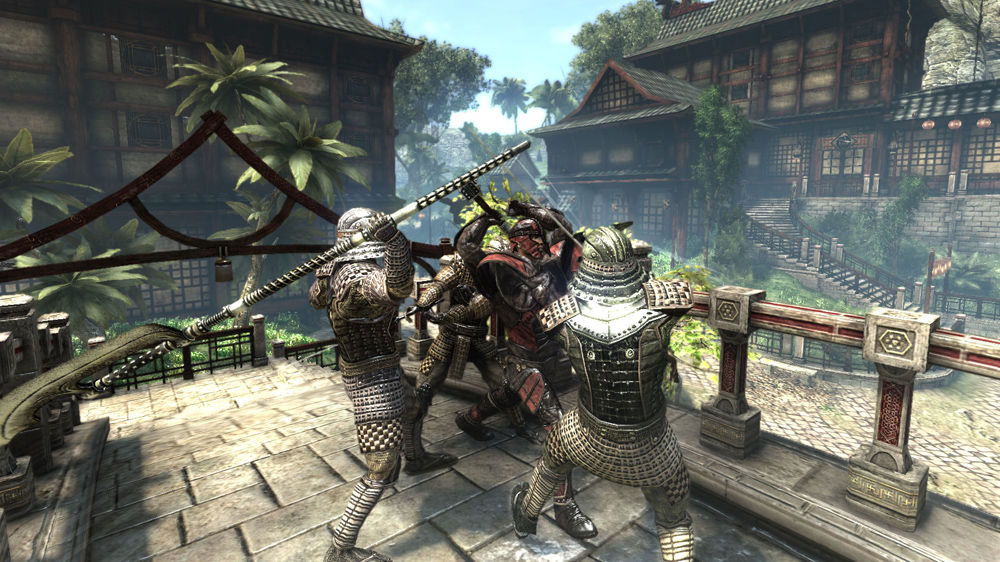
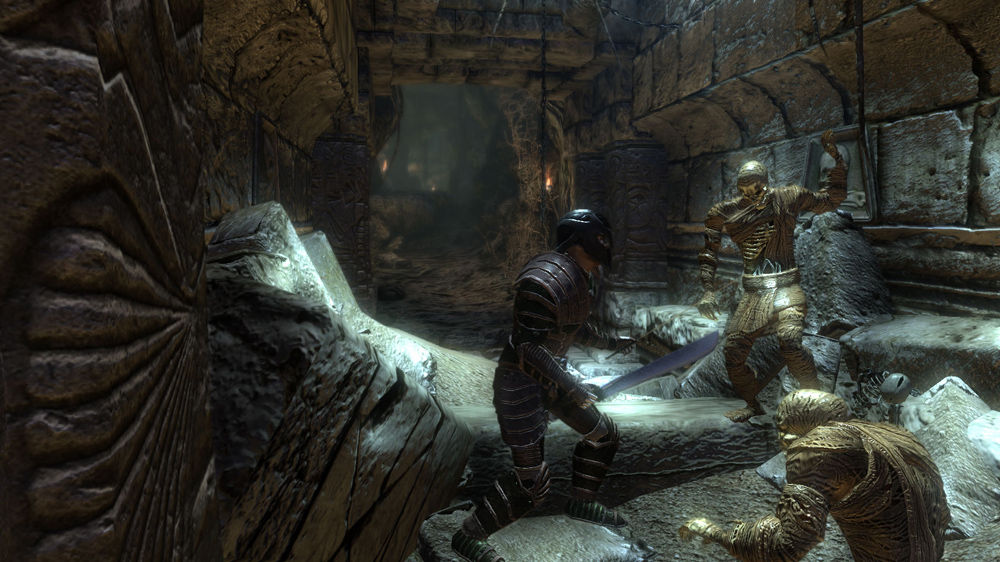
That feeling—the fun—isn’t breezy. It’s gritty, worn, resistant. Not because the combat is deep or the lore dense (neither is confirmed here), but because every interaction carries weight of compromise: the DLCs isolate your character, severing continuity like a snapped thread; the modders scramble to stitch it back; the game runs flawlessly on a handheld but stutters on a rig built for triple-A epics. There’s no grand orchestral swell—just the low hum of something insistent, something refusing erasure despite broken pipes and forced logins. It evokes not wonder, but recognition: the melancholy of systems failing around beauty, the action spectacle happening despite the scaffolding groaning overhead. You don’t feel like a hero—you feel like someone who keeps showing up, even when the door won’t open.
That exact emotional frequency pulses through Demon Slayer: Kimetsu no Yaiba, where every breath-cutting sword strike lands against a backdrop of irreversible loss—melancholic exploration isn’t backstory; it’s the air Tanjiro inhales before leaping. Like Two Worlds II HD, its spectacle doesn’t erase sorrow—it rides it, blade-edge sharp and trembling. Same with Afro Samurai, where the violence isn’t cathartic but recursive, each duel echoing the last, each victory hollowed by memory—dark fantasy as atmosphere, not setting. And The Slayers, often misread as pure parody, actually shares that same tonal tightrope: slapstick colliding with genuine grief, spells misfiring because the world resists clean resolution—action spectacle that feels earned only when it scrapes against exhaustion.
What binds them isn’t lore or mechanics—it’s the shared insistence on feeling real within broken systems. In Hell’s Paradise Season 2, survival isn’t abstract—it’s inventory management under duress, crafting under threat, every resource weighed against mortality. The survival & crafting dimension isn’t about menus—it’s about the weight of choice when stakes are bodily, immediate. Likewise, From Old Country Bumpkin to Master Swordsman doesn’t glorify ascension—it frames growth as adult & dark seinen: scars don’t fade, mentors vanish mid-lesson, power arrives tangled in regret. No tutorial tells you how to carry that. You just do.
This resonance isn’t for the collector who wants flawless launches or lore bibles. It’s for the player who notices when a game boots on Steam Deck but not PC—and feels a strange kinship with that asymmetry. It’s for the viewer who watches Tanjiro kneel in ash and thinks, Yes—that’s how exhaustion looks when you’ve already lost. It’s for people who find poetry in modding communities stitching fractured experiences back together, who watch Afro’s silent walk down a blood-slick corridor and recognize the same stubborn forward motion that keeps them trying launch fixes at 2 a.m. They don’t seek perfection—they seek persistence. And in that stubborn, glitchy, defiantly fun refusal to vanish? They find home.
→233 Anime That Match the Vibe
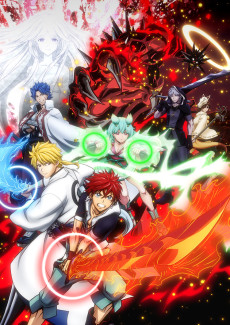
Dark worlds where beauty and brutality coexist — every victory comes at a cost.
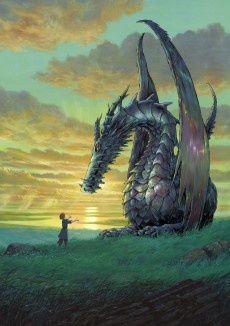
Dark worlds where beauty and brutality coexist — every victory comes at a cost.
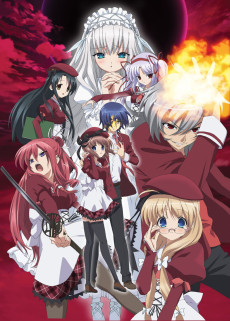
Dark worlds where beauty and brutality coexist — every victory comes at a cost.

Dark worlds where beauty and brutality coexist — every victory comes at a cost.
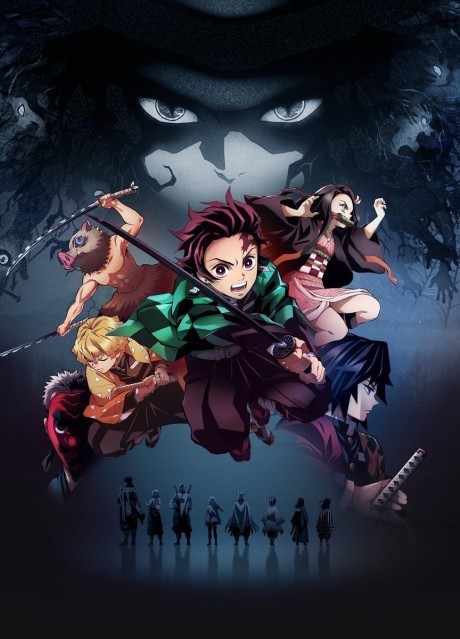
Tanjiro’s ascent of the Natagumo Mountain—where mist-choked forests blur human and demon, grief and rage—echoes Two Worlds II HD’s Velvet Edition: both plunge players/viewers into a world where melancholic exploration 🌿 deepens every blade-swing and spell-cast. Unlike most dark fantasy, neither flinches from sorrow as fuel—Nezuko’s silent resilience mirrors the game’s morally ambiguous magic system, where power demands sacrifice. That shared tension between visceral action spectacle 💥 and quiet, aching beauty makes their resonance startlingly intimate.
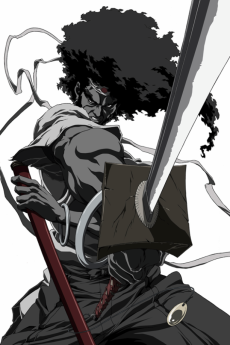
Afro’s silent, rain-slicked duel atop the tower—where vengeance curdles into hollow ritual—mirrors Two Worlds II HD’s desolate Shady Glen, where survival hinges on salvaging broken swords and brewing bitter potions. This shared 🌿 Melancholic Exploration transforms action into elegy: each slash, each crafted blade, echoes loss more than triumph. Surprisingly, their dark fantasy isn’t about power fantasy—it’s about the weight of legacy, carried alone.

Dark worlds where beauty and brutality coexist — every victory comes at a cost.

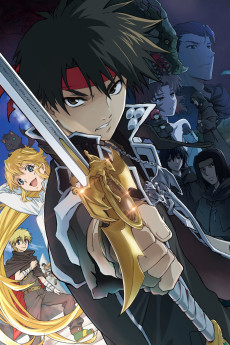
Lina Inverse’s explosive *Dragon Slave* incantations—crackling with reckless power and unintended collateral—mirror Two Worlds II HD’s visceral magic system, where spellcasting risks physical backlash and environmental chaos. Unlike most dark fantasy, both embrace *Action Spectacle* not as empty flash but as emotionally charged rupture: Lina’s laughter mid-blast, or the Velvet Edition’s crumbling citadels under arcane bombardment, reveal vulnerability beneath bravado. That shared tension—melancholy weight within pyrotechnic release—makes their resonance startlingly intimate.

Gritty survival pulses through every frame of *Hell’s Paradise* Season 2—especially when Gabimaru scavenges cursed flora in the Shiki no Kuni’s toxic marshes—mirroring Two Worlds II HD’s relentless crafting loop where players distill moonstone dust and forge enchanted blades mid-battle. Unlike most dark fantasy, neither flinches from bodily fragility: Gabimaru’s mangled hands reknit under supernatural strain just as the game’s protagonist staggers through blighted forests, ribs cracked, potion vials clinking. That raw, tactile *Survival & Crafting* urgency—where magic is labor, not flourish—makes their resonance startlingly physical, not just thematic.
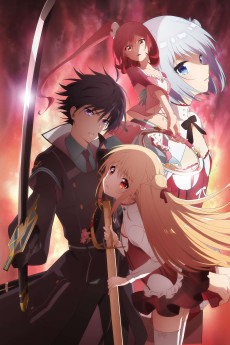
Dark worlds where beauty and brutality coexist — every victory comes at a cost.


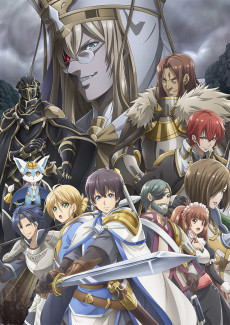

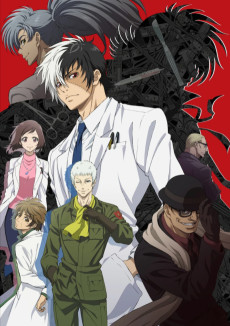
![Fate/stay night [Heaven’s Feel] III. spring song](https://s4.anilist.co/file/anilistcdn/media/anime/cover/large/bx21719-MSdTlkno0Z0u.jpg)







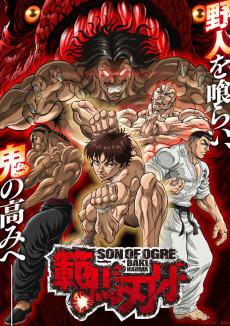
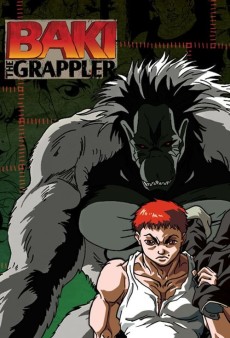
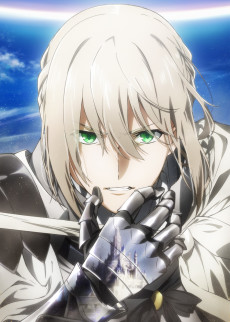



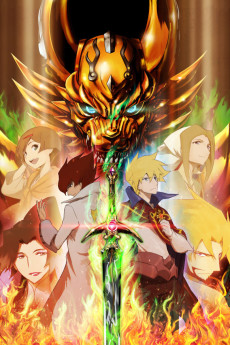





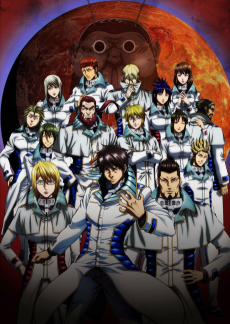
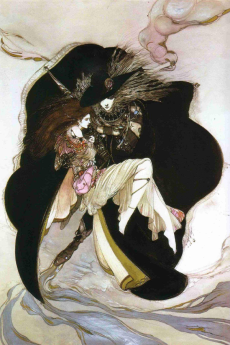
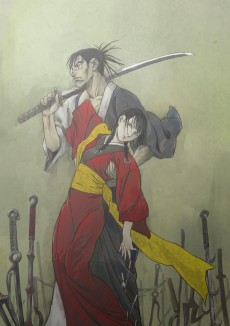
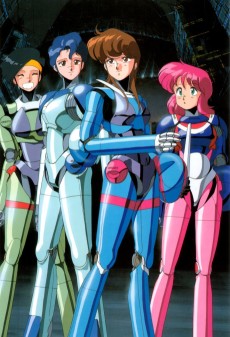









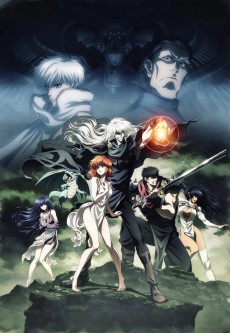

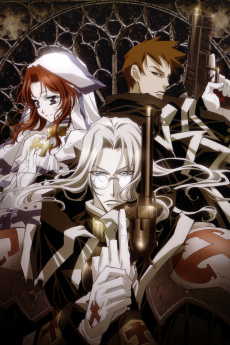
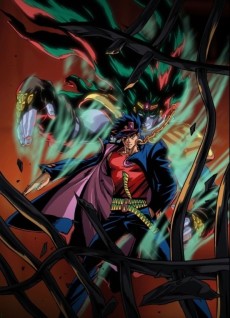
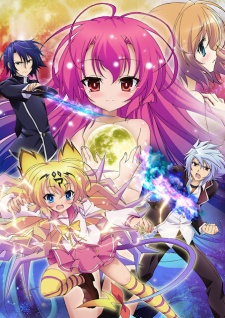
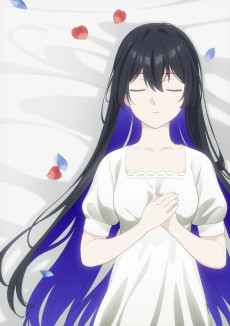
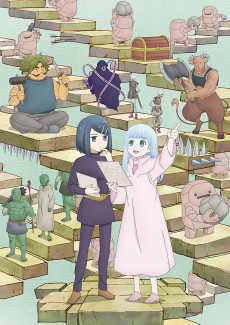
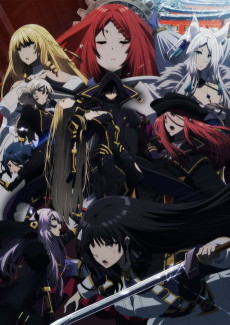


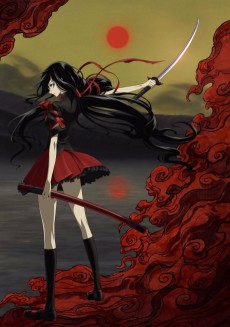





















![Fate/stay night [Heaven's Feel] I. presage flower](https://s4.anilist.co/file/anilistcdn/media/anime/cover/medium/bx20791-yPCX5GJuMH2k.png)



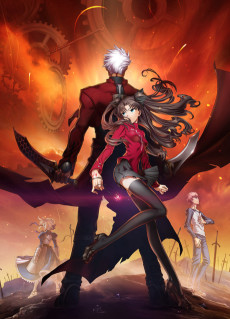
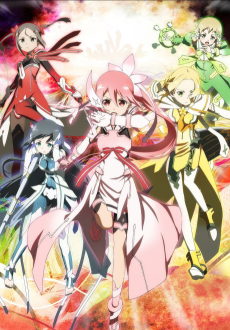
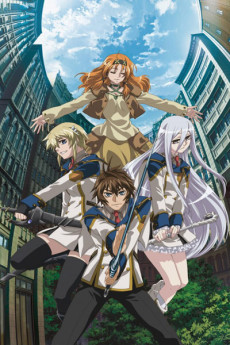




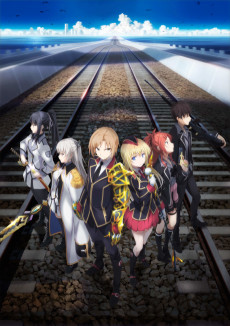
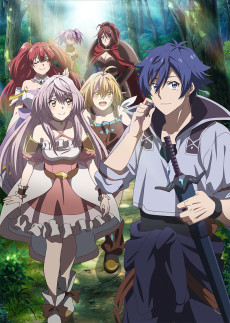
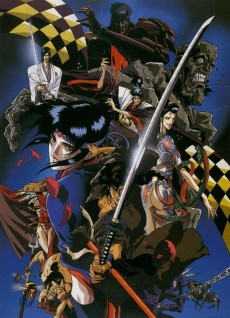

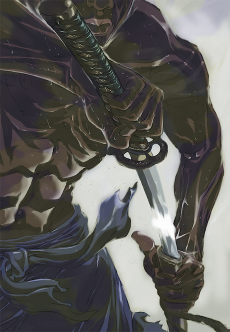
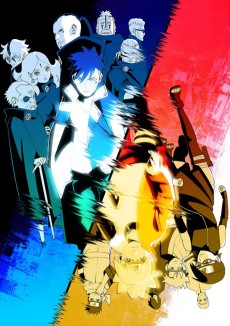
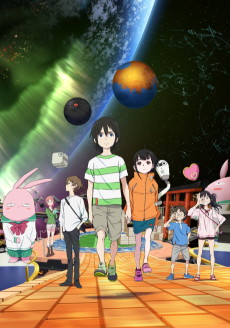


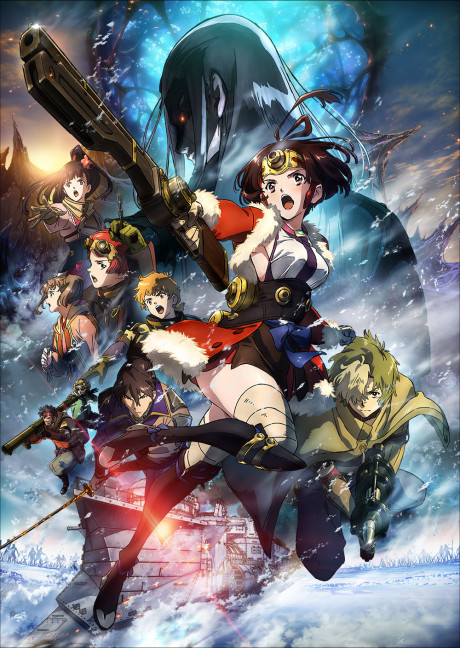
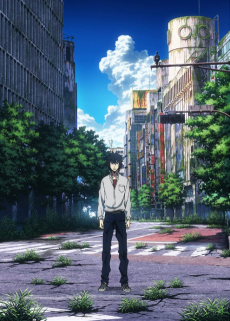













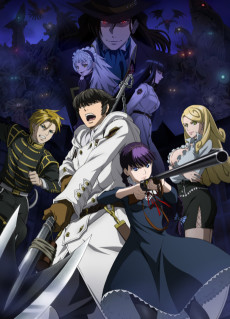


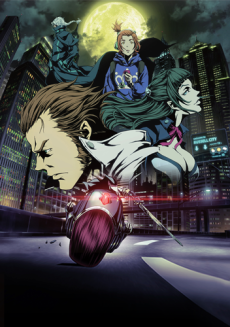
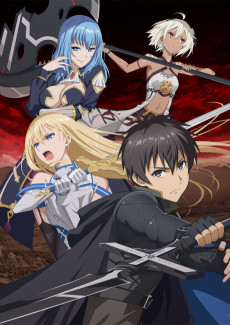
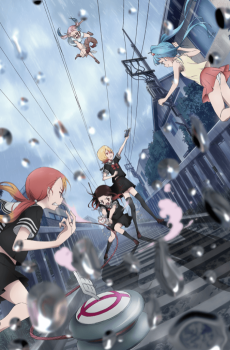
Match Dimensions Explained
❓Frequently Asked Questions
Why is Demon Slayer listed as a top match for Two Worlds II HD when it’s not an RPG?
Great question—it’s all about that shared 'Dark Fantasy, Action Spectacle, Melancholic Exploration' vibe. Think Tanjiro’s quiet grief after the demon attack mirrored in Two Worlds II’s ruined towns and your character’s lone traversal of cursed forests; both use visceral, weighty combat (like Tanjiro’s Water Breathing vs. your staff-swinging magic combos) to punctuate emotional stakes—not RPG systems, but *feeling*.
Is there an anime adaptation of Two Worlds II HD?
Nope—no anime adaptation exists, and there never has been one. Two Worlds II is purely a game (with that messy Velvet Edition bundle including Pirates of the Flying Fortress DLC), so any anime matches—like Afro Samurai or Hell’s Paradise Season 2—are *tonal parallels*, not adaptations. Afro Samurai’s lone-wolf vengeance arc and stylized swordplay? That’s why it scores 83 alongside Demon Slayer.
How does Two Worlds II HD compare to From Old Country Bumpkin to Master Swordsman in terms of dark fantasy tone?
Both lean hard into 'Dark Fantasy, Action Spectacle, Adult & Dark Seinen'—but where Bumpkin uses rural isolation and brutal mentorship (like Kaito’s first kill in the bamboo grove), Two Worlds II hits with oppressive worldbuilding: your character waking up in a blood-stained crypt, the Hollowed King’s voice echoing through corrupted ruins, and that DLC’s sudden shift to pirate chaos (Pirates of the Flying Fortress) mirroring Bumpkin’s tonal whiplash between grim training and surreal power-ups.
What if I love melancholic exploration and action spectacle—but hate DRM-heavy games? Any anime matches that capture that feel without the frustration?
Totally get it—the Steam DRM backlash (‘stolen but true don’t buy this’ review) is real. Skip the game, dive into The Slayers instead: Lina’s explosive Dragon Slave spells + her weary sarcasm while wandering haunted ruins nails that same 'Dark Fantasy, Melancholic Exploration, Action Spectacle' trifecta—no account lock, no launch failures, just pure, unfiltered magical mayhem and emotional weight.