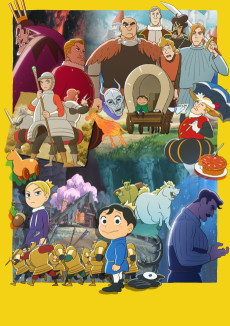
Ranking of Kings: The Treasure Chest of Courage
Get ready for a new collection of stories from Ranking of Kings!
(Source: Crunchyroll)
📺Anime Details
📝Editorial Analysis
The first time Bojji stumbles forward—barefoot on cold stone, gripping a sword twice his height, lips moving silently through words no one hears—the air doesn’t just hush. It thickens. Not with silence, but with the weight of all the things left unsaid: his voiceless grief, the way Kage’s hand hovers—not guiding, not pushing—just there, like breath held too long. That moment isn’t about action. It’s about presence: small bodies in vast, echoing halls; hands that speak louder than tongues; a kingdom built on stories told sideways, out of order, half-remembered.
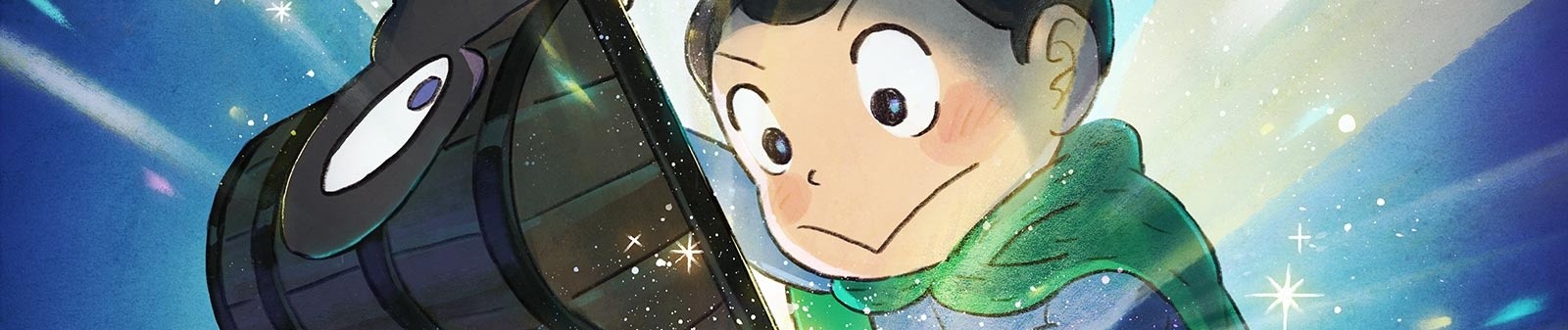
What makes Ranking of Kings: The Treasure Chest of Courage ache so deeply isn’t its fantasy trappings—it’s how it treats time, language, and limitation as emotional textures. The achronological order isn’t a gimmick; it’s how trauma and tenderness live in the body—flashing up unbidden, rearranging cause and effect until feeling becomes the only chronology that matters. The language barrier isn’t plot device—it’s intimacy made tactile: Kage learning to read Bojji’s blink, the tremor in his wrist, the way he tilts his head when hope flickers. This is melancholic exploration not as sorrow, but as quiet, persistent seeking—through ruins of self, through fractured memory, through a world that insists on measuring worth by volume, strength, lineage—while the story measures it by how long someone stays beside you when you can’t speak back.
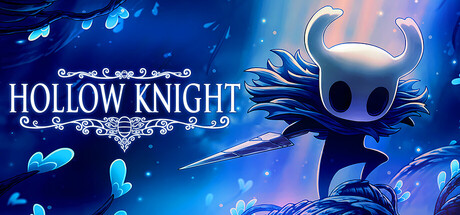
That same resonance hums in Hollow Knight. Its description calls it “an epic action adventure through a vast ruined kingdom of insects and heroes”—but what lingers isn’t the scale, it’s the hush between strikes: the way you pause mid-leap to watch dust motes drift in cathedral light, or how the Hollow Knight’s final chamber isn’t loud with battle, but hollow with shared exhaustion. The player review nails it: “-Beautiful art style. -Great OST. -Lovely story.” No mention of loot, levels, or win conditions—just beauty, music, story. Like Bojji’s silent walk through the royal archives, Hollow Knight’s world speaks in glyphs, echoes, and absences—where meaning gathers in the spaces between dialogue, in the weight of a dropped nail, in the way a bug bows its head not in submission, but recognition.
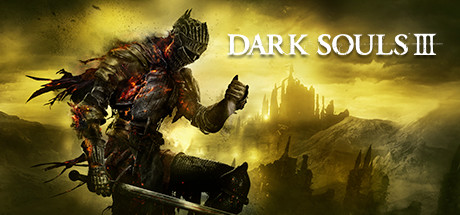
Then there’s DARK SOULS™ III, whose description simply commands: “Prepare yourself and Embrace The Darkness!” But the real clue is in the player’s review: “Why Do We Still Reach for the Fire When It Is Dying?” That question—aching, rhetorical, tender—is pure Ranking of Kings. Both refuse catharsis as conquest. Bojji doesn’t “overcome” his muteness—he redefines power as listening, as waiting, as holding space. So does Dark Souls III: every bonfire is temporary, every victory fragile, every return to the flame an act of stubborn, loving faith—not in triumph, but in continuity. The melancholy isn’t despair. It’s the quiet dignity of showing up again, even when your sword shakes, even when no one hears your name.
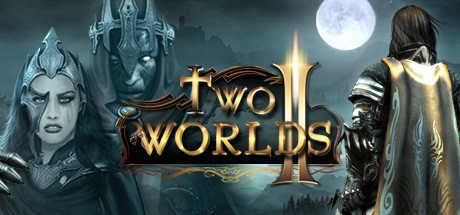
And Two Worlds II HD, with its description of “a brother and sister drawn into conflict” and Kyra’s sudden disappearance—mirrors the anime’s ensemble heartbeat. Not just kings and heirs, but siblings bound by absence, by duty whispered in childhood dialects, by magic that feels less like spellcraft and more like inherited grief. The player review admits technical chaos—“Fails to launch on PC… runs on SteamDeck without hassle”—but that very instability echoes the anime’s own tonal swerves: slapstick pratfalls dissolving into wordless close-ups, fairy-tale whimsy curdling into raw, unvarnished fear. Both trust the audience to hold contradiction—to laugh at a clumsy ogre and feel the chill when his shadow falls across a child’s face.
This pairing isn’t for fans of “epic battles” or “power fantasies.” It’s for the ones who cry when a character finally ties their own shoelaces. For players who replay Hollow Knight’s City of Tears just to sit on a bench beside a mute ghost. For viewers who rewatch Bojji’s first solo walk—not to see him win, but to feel the courage in his unsteady breath, the way his small hand grips the hilt like it’s the only real thing in a world built on lies. It’s for people who understand that the most radical magic isn’t fire or flight—it’s staying, witnessing, translating love across every kind of silence.
🎮23 Games That Match the Vibe



Match Dimensions Explained
❓Frequently Asked Questions
Why does Hollow Knight feel so much like Ranking of Kings despite having no royal plot?
It’s all in the melancholic exploration and quiet heroism—like Bojji silently navigating a broken world, you guide the Nameless Knight through Hallownest’s decaying ruins, meeting tragic figures like Hornet or the Fool who mirror Kage’s loyalty and Miranjo’s quiet strength. The art style and OST (that haunting, gentle piano) create the same tender-but-sad emotional weight as the anime’s quieter moments, even without crowns or thrones.
Is there a Ranking of Kings anime adaptation of Sacred Gold or Two Worlds?
Nope—neither Sacred Gold nor the Two Worlds series has been adapted into an anime, let alone one tied to Ranking of Kings. Sacred Gold is strictly a 2004–2005 PC RPG (and famously janky on modern systems), while Two Worlds I & II are Western-made fantasy epics with orc wars and sibling stakes—but zero connection to Bojji, Kage, or the Treasure Chest of Courage lore.
Hollow Knight vs. DARK SOULS™ III: which captures Ranking of Kings’ 'quiet courage' better?
Hollow Knight wins hands-down for that specific vibe—its silent protagonist, emotionally resonant side characters (like Zote’s goofy devotion mirroring Kage’s protectiveness), and themes of inherited trauma echo Bojji’s journey far more than Dark Souls III’s grim, fire-dying grandeur. Sure, both share ‘Melancholic Exploration’, but Hollow Knight’s intimacy and hope-in-ruin tone match the anime’s heart; Dark Souls III leans into existential dread, not gentle resilience.
What’s the best game like Ranking of Kings if I want that warm, hopeful-but-bittersweet feeling after watching Episode 17?
Go straight to Hollow Knight—it nails that exact mood: the soft light filtering through Deepnest, the way Hornet’s fierce loyalty mirrors Kage’s, or how the Dream Nail lets you gently uncover buried sorrow just like Bojji’s sign-language reveals hidden truths. Player reviews even call out its ‘lovely story’ and ‘beautiful art style’—no blood-soaked arenas or system-crashing bugs (looking at you, Sacred Gold).