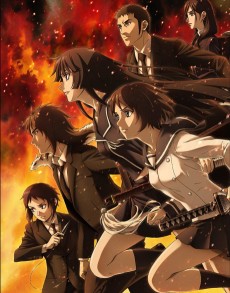
Ga-Rei-Zero
An elite squadron trained to combat supernatural forces is called in to investigate reports of invisible monsters terrorizing Tokyo, but their mission is complicated by the interference of a rogue exorcist. When the mysterious female slaughters the overmatched attack force, her former comrades are ordered to lock down the crime scene—and forever silence their old friend.
(Source: Crunchyroll)
Note: This series is a prequel to the manga series, Ga-Rei.
📺Anime Details
📝Editorial Analysis
Rain slicks the Tokyo overpass—black asphalt bleeding into sodium-orange puddles—and then she moves. Not with speed, but with weight: a blade drawn in one motion, a pivot on a prosthetic leg that whirs faintly beneath torn tactical gear, and the wet, final shush of steel parting flesh. No music swells. No dramatic pause. Just the hollow echo of a dropped radio, the static hiss cutting out mid-transmission as the elite squadron collapses—not from shock, but from recognition. That’s Ga-Rei-Zero in its marrow: grief wearing combat boots, tragedy sharpened to a blade’s edge, and every fight carrying the quiet horror of fighting someone you once shared coffee with.
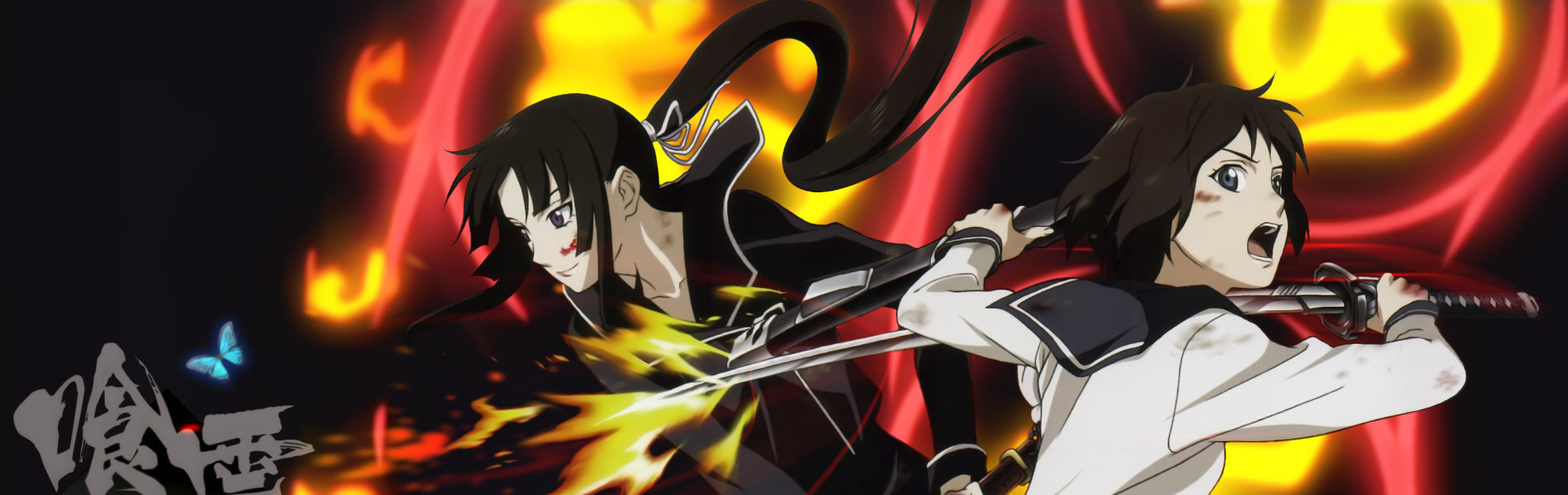
This isn’t urban fantasy as escapism. It’s urban fantasy as autopsy. The city isn’t a backdrop—it’s a wound stitched shut with bureaucracy and black-site protocols. You feel the exhaustion in the way characters blink too slowly after a kill, the way silence hangs heavier than gore, the way disability isn’t framed as limitation but as adaptation under duress—a whirring joint, a recalibrated stance, a body remade not for heroism but for survival. There’s no catharsis in victory. Only consequence. Only memory. The supernatural here doesn’t whisper from shadows—it haunts the paperwork, the debriefings, the unspoken names crossed off duty rosters. You don’t watch it to win. You watch it to witness—to sit with the unbearable weight of loyalty turned lethal, of love weaponized by command structure, of queer intimacy buried so deep it only surfaces in the tremor of a hand brushing another’s shoulder before a mission.
That same emotional gravity lives in The Witcher 3: Wild Hunt, where Geralt tracks Ciri not through mythic certainty but through fractured reports, abandoned campsites, and the slow, grinding dread of arriving too late. The description calls it “a war-torn, monster-infested continent”—but what sticks is how personal the devastation feels: a mother’s last letter folded inside a locket, a child’s drawing smeared with ash. A player writes, “DLC announced 11 years after release, my favourite game keeps getting better…”—that longevity isn’t about content volume. It’s about emotional resonance that refuses to calcify. Like Ga-Rei-Zero, it treats trauma as sedimentary: layer upon layer, never fully buried, always shifting underfoot.
Then there’s The Witcher 2: Assassins of Kings Enhanced Edition, where “armies on the march are not enough to stop a b…”—the sentence cuts off, just like so many transmissions do in Ga-Rei-Zero, leaving only implication, only aftermath. The player review notes it “feels more thoughtfully designed than the next entry,” praising its moral claustrophobia—the sense that every choice narrows your world, that loyalty fractures along ideological lines, that former comrades become obstacles written into protocol. That’s the exact architecture of Ga-Rei-Zero: not good vs. evil, but trained vs. unmoored, chain of command vs. conscience, silence ordered vs. truth spoken once, then erased.
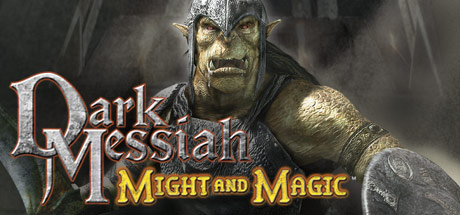
Even Dark Messiah of Might & Magic, with its “ferocious combat in a dark and immersive world,” shares DNA—not in tone, but in physicality. Its description highlights “Action-RPG” powered by the Source Engine; the review calls it “a fantastic melee combat game that still holds up.” That tactile immediacy—the crunch of bone, the stagger of a parry, the way your own body leans into each swing—is mirrored in Ga-Rei-Zero’s swordplay: no flashy wirework, just brutal economy of motion, blades catching streetlight like broken teeth, impact registered in the jolt of a shoulder, the hitch in breath. Both treat violence as labor, not spectacle—exhausting, precise, and deeply personal.
This pairing isn’t for fans of “cool powers” or “epic battles.” It’s for the ones who linger on the frame after the cut—watching a character wipe blood from their lip with the back of a gloved hand, then stare at the smear like it’s evidence of something they can’t name. It’s for players who replay The Witcher 2 not for loot, but to hear Yennefer’s voice crack on the word “enough”, or who pause Ga-Rei-Zero just to watch rain bead on a cracked visor. It’s for people who understand that the most devastating moments aren’t when the sword leaves the sheath—but when the hand doesn’t reach for it, and the silence that follows is louder than any scream.
🎮23 Games That Match the Vibe



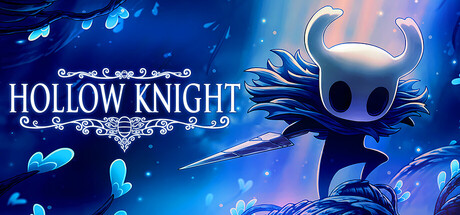
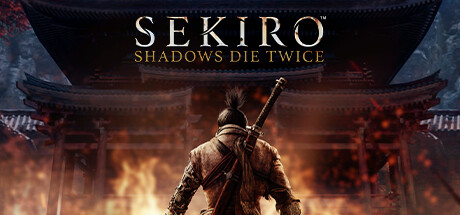
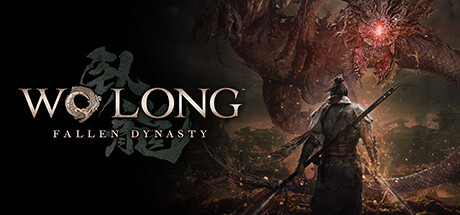
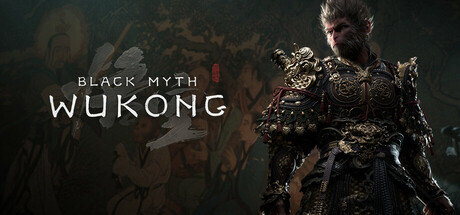

Match Dimensions Explained
❓Frequently Asked Questions
Why does Ga-Rei-Zero's rooftop fight with Kazuha and Yomi feel so similar to The Witcher 3's Bloody Baron quest?
Because both hinge on emotionally raw, morally gray confrontations where supernatural power clashes with human trauma—like Yomi’s desperate, rain-soaked betrayal mirroring the Baron’s crumbling psyche in 'The Bloody Baron' quest. Geralt’s choices there (and Ciri’s fractured agency) echo how Ga-Rei-Zero uses quiet character moments *between* action to deepen stakes—not just spectacle.
Is there a Ga-Rei-Zero anime adaptation of The Witcher games?
No—Ga-Rei-Zero is its own anime (based on the manga), and The Witcher games are standalone adaptations of Sapkowski’s novels. But fans often cross over because of shared DNA: dark fantasy tone, morally ambiguous female leads (Yomi/Kazuha ↔ Yennefer/Triss), and grounded emotional narratives—even if Geralt’s monster contracts and Ciri’s prophecy play out very differently than the JSSDF’s exorcist missions.
How does Dark Messiah of Might & Magic compare to Sacred Gold for Ga-Rei-Zero fans who love chaotic melee combat?
Dark Messiah wins for visceral, physics-driven chaos—think Kazuha’s rapid-fire katana combos against spectral foxes, but with Source Engine ragdolls and environmental takedowns (like kicking enemies down stairs). Sacred Gold leans into janky, horde-blasting ARPG energy (orc swarms, loot spam), but its instability on modern systems makes Dark Messiah the smoother, more responsive pick for that same adrenaline rush.
What’s the best game like Ga-Rei-Zero if I want that mix of brooding atmosphere and quiet character intimacy—like the shrine scenes with Kazuha and Yomi?
The Witcher 2: Assassins of Kings. Its Northern Kingdoms feel as weathered and politically tense as Ga-Rei-Zero’s Tokyo, and moments like Geralt sharing quiet drinks with Triss—or confronting his past with Yennefer—hit that same emotionally layered, dialogue-heavy intimacy. Reviewers even call it 'more thoughtfully designed' than Witcher 3 for character pacing, which mirrors how Ga-Rei-Zero lingers on silence before the next spirit attack.