
Skeleton Knight in Another World Season 2
📺Anime Details
📝Editorial Analysis
The clatter of bone on cobblestone—sharp, hollow, strangely dignified—as Arc strides through the rain-slicked market square, his skeletal frame draped in travel-stained armor, a sack of dried fruit slung over one shoulder. A child points. A merchant blinks, then bows, not in fear but in quiet, weathered respect. No grand battle rages. No magic flares. Just this: a being made of death walking among life, unflinching, unapologetic, and utterly, disarmingly present. That’s the heartbeat of Skeleton Knight in Another World Season 2—not spectacle, but continuity: the stubborn, sunlit persistence of dignity in a world that should recoil.
What makes it ache—and why it lingers—is how deeply it trusts stillness. This isn’t grimdark nihilism or breezy isekai wish-fulfillment. It’s the weight of a ribcage holding breath while negotiating wool prices; the quiet pride in mending a peasant’s roof beam with precise, unhurried magic; the way Arc’s voice—calm, dry, faintly amused—lands like a stone dropped into still water. You don’t feel power here first. You feel presence. And beneath that, something tenderer: the slow, unspoken work of belonging, not by conquest or revelation, but by showing up—again and again—with your bones bare and your word kept. It’s warmth forged in paradox: a skeleton who feels more alive than most flesh-and-blood heroes because he chooses care, not despite his form, but through it.
That emotional resonance flickers strongest in Sacred Gold, where the description names “a shadow of evil” falling on Ancaria—and yet the player review confesses its jank, its instability, its stubborn refusal to run cleanly on modern systems. Like Arc’s own body, the game works, even when it shouldn’t—its rough edges aren’t flaws, but textures of endurance. You fight orcs and ogres not for glory, but because the kingdom needs champions now, and the game, flawed as it is, delivers that raw, tactile urgency—the same grounded immediacy Arc brings when he steps between a frightened villager and a charging boar.
Then there’s Dark Messiah of Might & Magic, whose review calls it “a fantastic melee combat game that still holds up pretty well today”—a line that could be Arc’s own epitaph. Its ferocious, physics-driven swordplay mirrors Arc’s precise, economical style: no flashy combos, just timing, leverage, and consequence. The description places you in a dark, immersive world—and yet the feeling isn’t dread, but agency. Like Arc parrying a knight’s strike with a resonant clang of bone-on-steel, Dark Messiah makes every block, dodge, and thrust matter in the body, not just the UI. It’s combat as craft, not choreography—exactly how Season 2 treats swordplay: serious, skillful, and deeply human (even when the hand holding the blade has no skin).
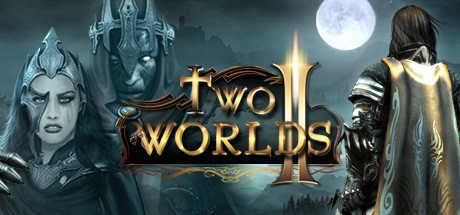
And Two Worlds Epic Edition, with its sibling-driven conflict and the haunting note of Kyra’s sudden disappearance—this isn’t about world-ending stakes, but fractured intimacy. The player review’s obsessive replay across four operating systems speaks to a devotion rooted in texture, not polish: XP, 7, 10, 11—each attempt a return to the same world, the same emotional gravity. That’s the anime’s rhythm too: returning to the same village, the same tavern, the same quiet understanding between Arc and the blacksmith’s daughter—not because the plot demands it, but because care accumulates in repetition. The game’s instability becomes part of its soul, like Arc’s skeleton: visible, undeniable, and ultimately integrated.
This pairing sings for the viewer who watches Arc adjust his gauntlet mid-conversation and feels their throat tighten—not at the fantasy, but at the ordinariness of it. For the player who boots up Dark Messiah not for the lore, but to feel the heft of a warhammer swing in their wrists. For the one who keeps reinstalling Two Worlds across decades of hardware, chasing not perfection, but the texture of a world that remembers them. These are stories for people who find holiness in routine, courage in consistency, and profound comfort in a hero whose greatest magic isn’t resurrection—it’s showing up, bone-deep and unbroken, again and again.
🎮21 Games That Match the Vibe


Match Dimensions Explained
❓Frequently Asked Questions
Why does Sacred Gold keep coming up in Skeleton Knight in Another World Season 2 game recommendations?
Because both lean hard into that gritty, morally ambiguous Dark Fantasy vibe — think Krald’s grimy armor and the oppressive weight of the undead hordes in Ancaria mirroring the cursed wastelands and desperate survival in Skeleton Knight. Sacred Gold’s janky but visceral combat (swinging swords at lumbering ogres while dodging orc ambushes) echoes the show’s tense, high-stakes action spectacle — even if the game’s buggy, fans love how it *feels* like stepping into that world.
Is there a Skeleton Knight in Another World video game adaptation?
No — there’s no official licensed game based on Skeleton Knight in Another World, Season 2 or otherwise. All current matches (like Monster Hunter: World or Dark Messiah of Might & Magic) are *thematic* parallels, not adaptations — they share the same Dark Fantasy + Action Spectacle DNA, but zero story or character ties to Krald, Liscia, or the cursed kingdom of Veldora.
How does Two Worlds II HD compare to Dark Messiah of Might & Magic for Skeleton Knight vibes?
Both nail the Dark Fantasy + Action Spectacle combo, but differently: Dark Messiah gives you that brutal, physics-driven melee — imagine parrying with Krald’s sword in tight corridors, just like its ‘ferocious combat’ praised in player reviews — while Two Worlds II HD leans into lore-heavy worldbuilding (like Kyra’s disappearance echoing Liscia’s isolation) and runs smoothly on SteamDeck despite PC launch issues. If you want raw swordplay intensity, go Dark Messiah; for immersive, melancholic world immersion, Two Worlds II HD fits better.
What’s the best game like Skeleton Knight S2 if I want that lonely, cursed-land survival mood?
Sacred Gold — hands down. That ‘shadow of evil fallen on Ancaria’ opening? It’s pure Skeleton Knight energy: desolate landscapes, oppressive atmosphere, and you’re literally the last hope against rotting undead legions — just like Krald trudging through blighted ruins alone. Even its jank and instability (per player reviews) somehow reinforce that harsh, unforgiving vibe — it *feels* like surviving in Veldora’s wasteland.