
Scooped Up by an S-Rank Adventurer!
📺Anime Details
📝Editorial Analysis
The first time you see him draw his bow—not in a grand arena, but crouched low in the cracked stone throat of a collapsed ruin, arrow nocked, breath held while dust motes hang frozen in the slant of sickly violet light—you feel it: not awe, not dread, but recognition. This isn’t a hero stepping into legend. It’s someone who’s already survived ten lifetimes of collapse, and now moves with the quiet certainty of a blade that’s been honed on grief.
That’s the atmosphere of Scooped Up by an S-Rank Adventurer!—not post-apocalyptic as backdrop, but as texture. Every cobblestone is half-swallowed by creeping moss and residual magic; every kemonomimi companion carries their trauma in the tilt of their ears, not just their tails; even swordplay feels less like choreography and more like muscle memory etched by necessity. It doesn’t ask you to believe in salvation—it asks you to believe in continuance: how warmth persists in a world where dungeons exhale decay, how laughter can ricochet off crumbling walls without sounding hollow. You don’t just watch characters rebuild—they relearn how to hold space for each other, breath by breath, meal by shared meal, arrow by carefully fletched arrow.
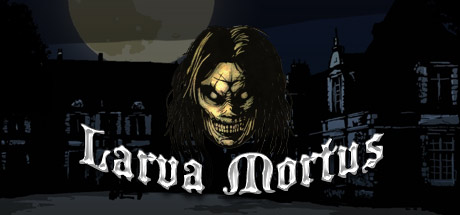
That emotional DNA pulses strongest in games where survival isn’t abstract—it’s tactile, immediate, and deeply personal. Larva Mortus, with its “fast-paced hack and slash top-down shooter” combat and “dark, ominous, and randomly generated” dungeons, mirrors the anime’s relentless physicality. There’s no pause menu between danger and decision—the same way the protagonist doesn’t get time to process loss before he’s already shielding a child from a demon’s lunge. And that player review—“fun gameplay loop and nice weapons”—lands with quiet resonance: yes, the tools matter, but what matters more is how you wield them when your back is against rubble and your only promise is to keep others upright. The weapon isn’t flashy—it’s reliable. Like him.
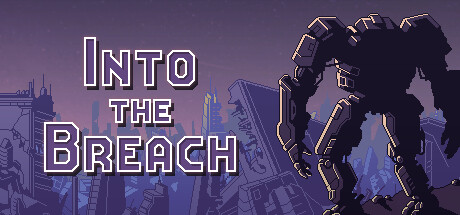
Then there’s Into the Breach, scored identically (84) and sharing the “Roguelike & Dungeon, JRPG Narrative” dimension. Its turn-based precision—every move weighted, every sacrifice calculated—echoes the anime’s quieter moments: the silent exchange between adventurer and orphaned archer as they adjust a bowstring together, or the deliberate way a time skip isn’t shown as spectacle but as absence, measured in calluses grown thicker, in habits relearned, in silences that no longer need translation. The JRPG Narrative tag isn’t about lore dumps—it’s about consequence folding into character like origami, one crease at a time. No white screens here—just weight, and care, and the slow accumulation of trust across ruined maps.
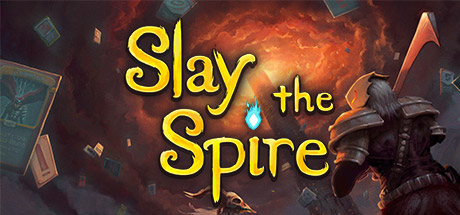
And Slay the Spire, also 84 and anchored in “Roguelike & Dungeon, JRPG Narrative,” shares something even more intimate: the feeling of building resilience from scraps. In the anime, found family isn’t declared—it’s forged in shared resource management: rationing enchanted arrows, repurposing demon-scale shards into cooking pots, turning dungeon echoes into lullabies. Likewise, Slay the Spire’s deckbuilding isn’t about power fantasy—it’s about adaptation under duress, about making meaning from whatever cards fate deals you, again and again. That same quiet dignity lives in how the anime treats its demons—not as monolithic evil, but as forces woven into the land’s broken grammar, demanding understanding before conquest.
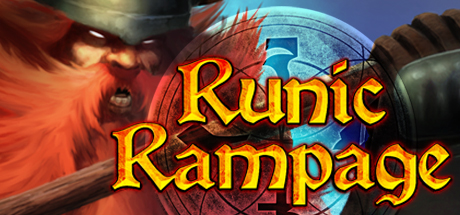
This pairing speaks to the viewer who keeps a notebook open not for spoilers, but for names—names of side characters whose healing takes three seasons and two time skips, names of weapons whose history is told in chipped edges and repaired grips. It’s for the player who replays Runic Rampage not for high scores, but to remember how it felt to finally parry a boss’s third-phase strike without flinching, because their hands knew the rhythm before their brain caught up. Not fans of spectacle—but lovers of steadiness. People who find catharsis not in victory banners, but in the sound of rain hitting a patched roof, in the click of an arrow locking into place, in the unspoken nod between two people who’ve learned, over ash and time, how to hold space—and how to fill it, gently, with light.
🎮101 Games That Match the Vibe
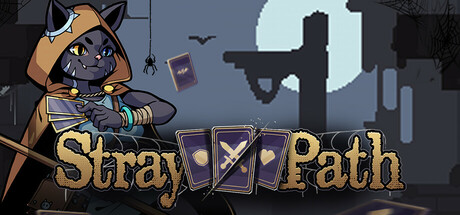
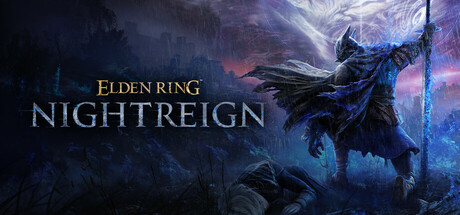


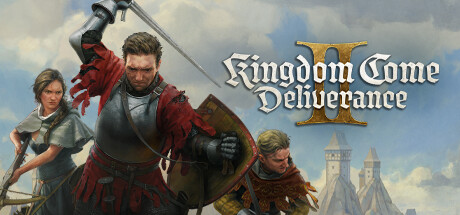
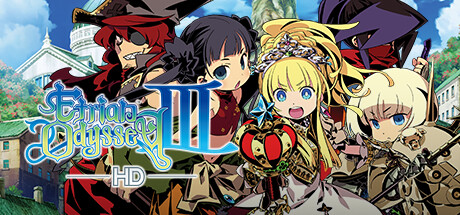
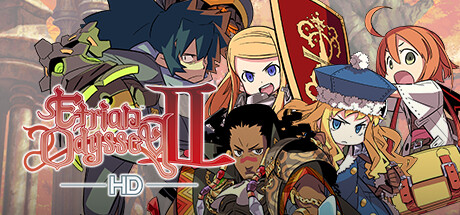
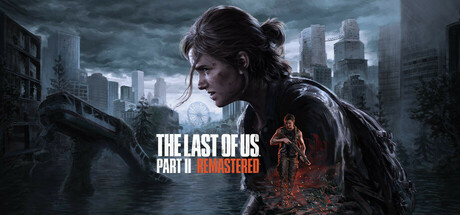


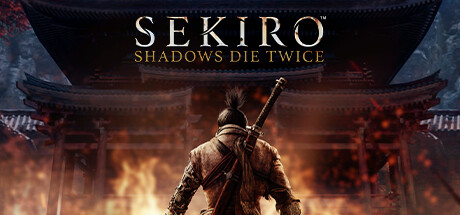
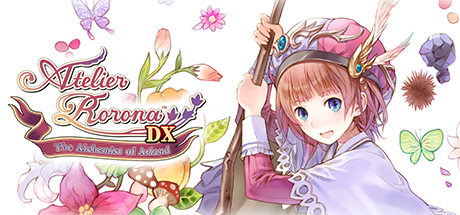
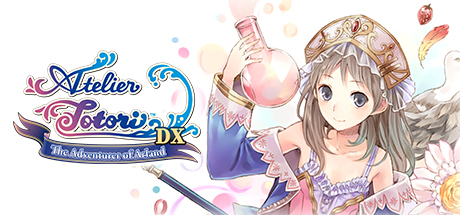

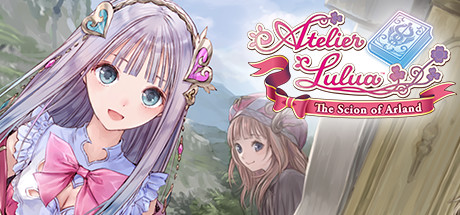
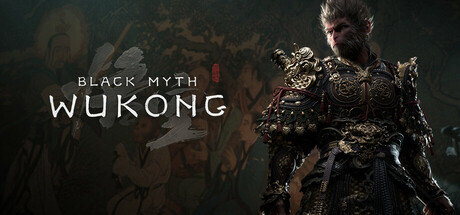
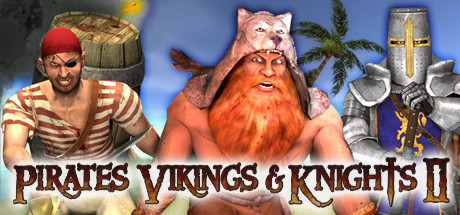
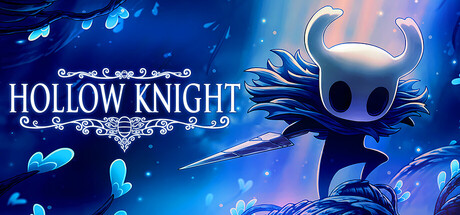
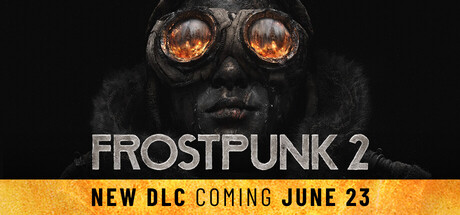
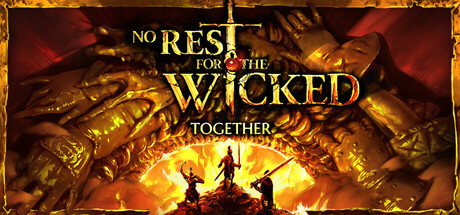
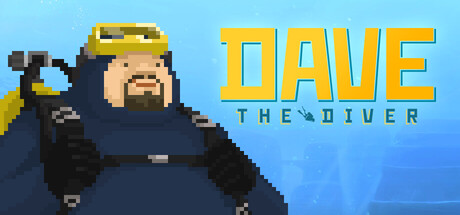
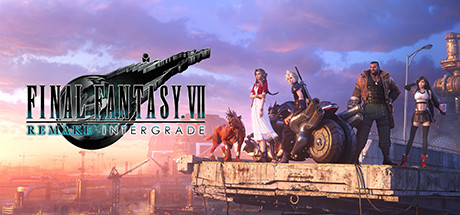
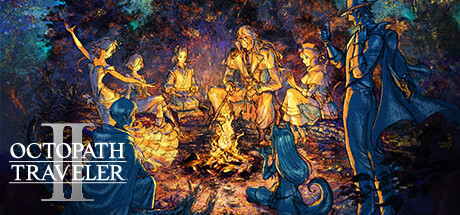




Match Dimensions Explained
❓Frequently Asked Questions
Why is Larva Mortus listed as similar to Scooped Up by an S-Rank Adventurer! when it’s a top-down shooter?
Because both lean hard into that 'overpowered adventurer effortlessly clearing dungeons' fantasy—Larva Mortus lets you chain exorcist combos with flashy, screen-filling attacks (like the Holy Lance burst), while Scooped Up’s protagonist does similarly absurd one-shot takedowns in chaotic, monster-swarm scenes. The shared 'Action Spectacle' dimension means they prioritize visual punch and tempo over realism or slow-burn strategy.
Is there an anime or manga adaptation of Scooped Up by an S-Rank Adventurer!?
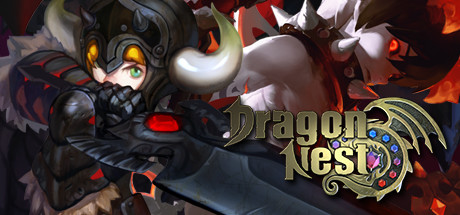
No—not yet. Unlike Dragon Nest (which *does* have official anime tie-ins and lore expansions), Scooped Up remains strictly a light novel/web novel series with no licensed adaptations. Fans often compare its tone to Dragon Nest’s story-driven cutscenes, but those are original to the game—not adaptations of Scooped Up.
How does Into the Breach compare to Slay the Spire for fans of Scooped Up’s strategic boss fights?
Into the Breach nails the 'calm, calculated dominance' vibe—like when Scooped Up’s hero outmaneuvers a dragon by exploiting terrain and turn order—while Slay the Spire leans more into deck-building improvisation. Both share the 'JRPG Narrative' + 'Roguelike & Dungeon' dimensions, but Into the Breach’s grid-based precision feels closer to Scooped Up’s tactical arrogance than Slay the Spire’s chaotic card draws.
What’s the best game like Scooped Up if I want that smug, overpowered adventurer energy without grinding?
Runic Rampage — it’s built around instant power spikes: you unlock legendary runes mid-dungeon that let you nuke entire rooms (think Scooped Up’s ‘Sword of Annihilation’ scene where he clears 30 goblins in one swing), and its roguelike structure means zero mandatory leveling. No login bugs like Dragon Nest, no turn-based pauses like Into the Breach—just pure, unapologetic spectacle.