Space Trader: Merchant Marine
Space Trader is an open world trading colony sim wrapped in a shooter. Start as a Rookie and earn your way to Master using shrewd trades, back alley deals, bribes, and well-placed bullet. Buy low, sell high and don’t take no for an answer.
🎮Game Details
💬What Players Say
"Its a funny little game made with the doom engine. I might be wrong there but it is a funny little game where you try to do some mini fetch quests..."
📝Editorial Analysis
The flicker of a CRT monitor, the low hum of a Pentium II fan, and the thump-thump-thump of your ship’s engine stuttering as you coax it past a derelict freighter—its hull pocked with laser scorch and rust bleeding like old wounds. You’re not piloting a sleek starcruiser. You’re in a patched-together hauler, cargo bay half-empty, credits thinner than ration paste, scanning a station’s flickering trade board for a single profitable margin: spice down 12% on Epsilon-9, scrap metal up 8% on Cygnus Prime. You haggle. You bribe. You fire a warning shot when the customs drone buzzes too close—not to kill, but to distract, to buy three seconds to slip past the checkpoint. That’s Space Trader: Merchant Marine: not grand heroics, but the grind, the hustle, the quiet, stubborn pulse of survival in a universe that doesn’t care if you make rent—or breathe.
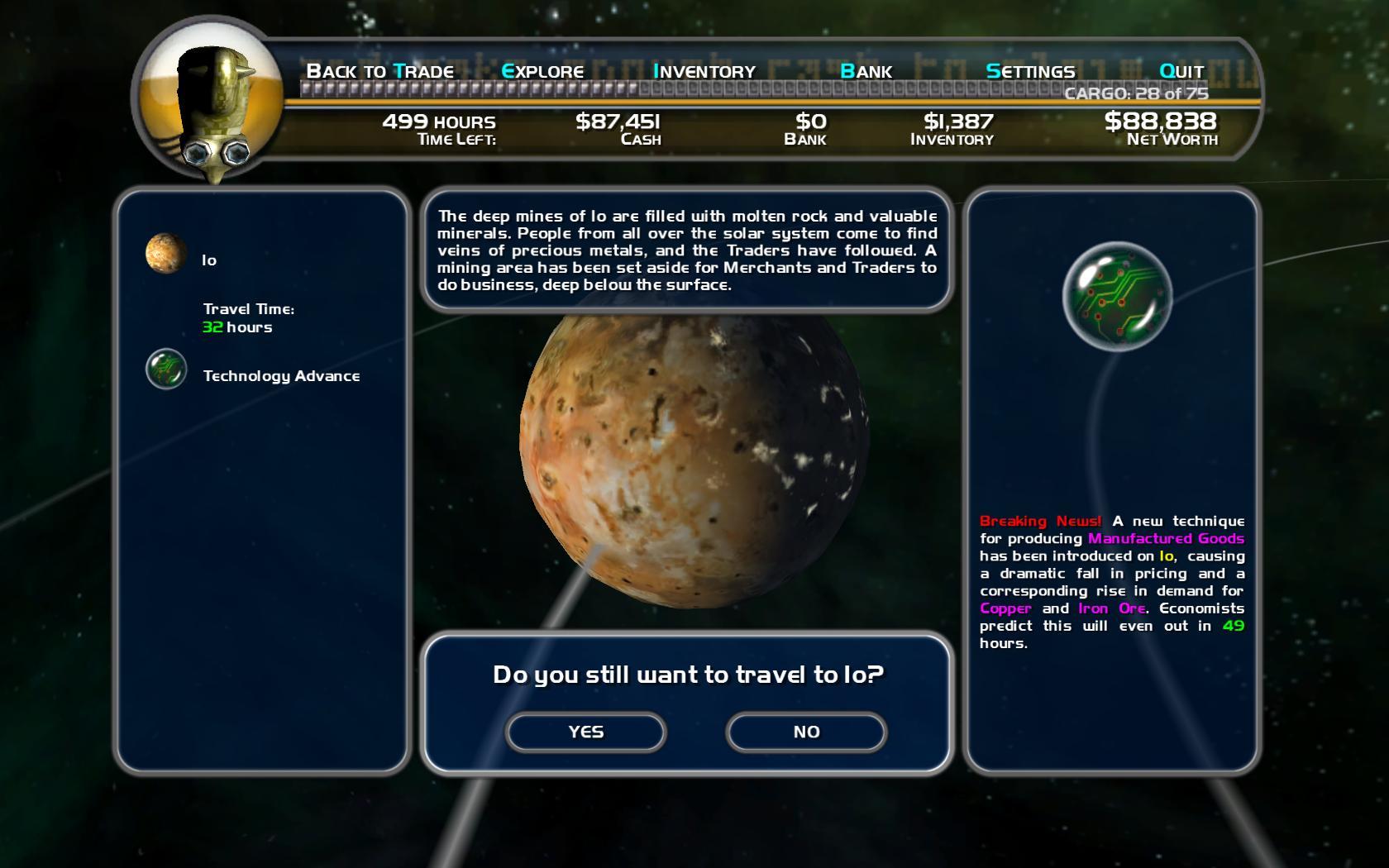
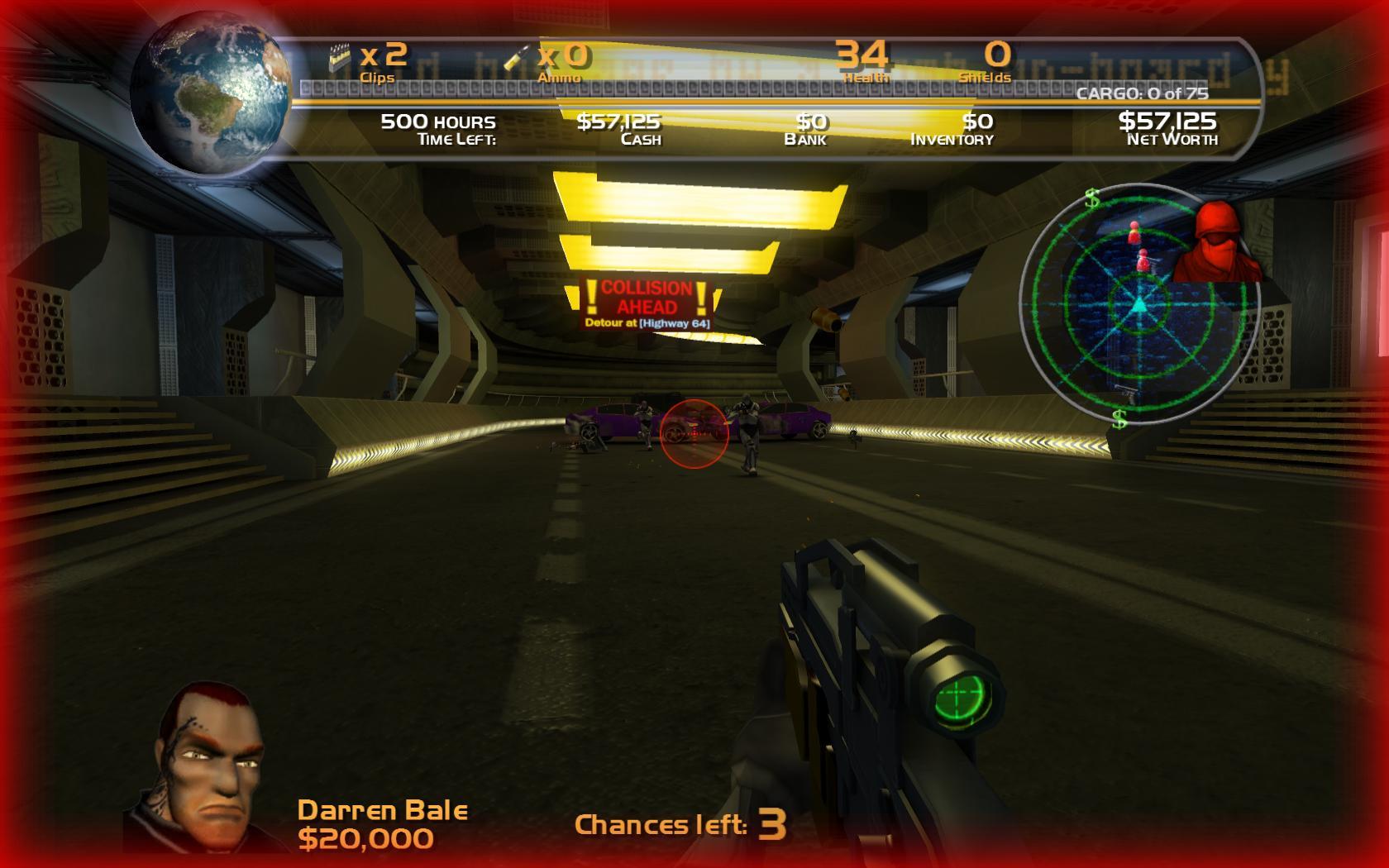
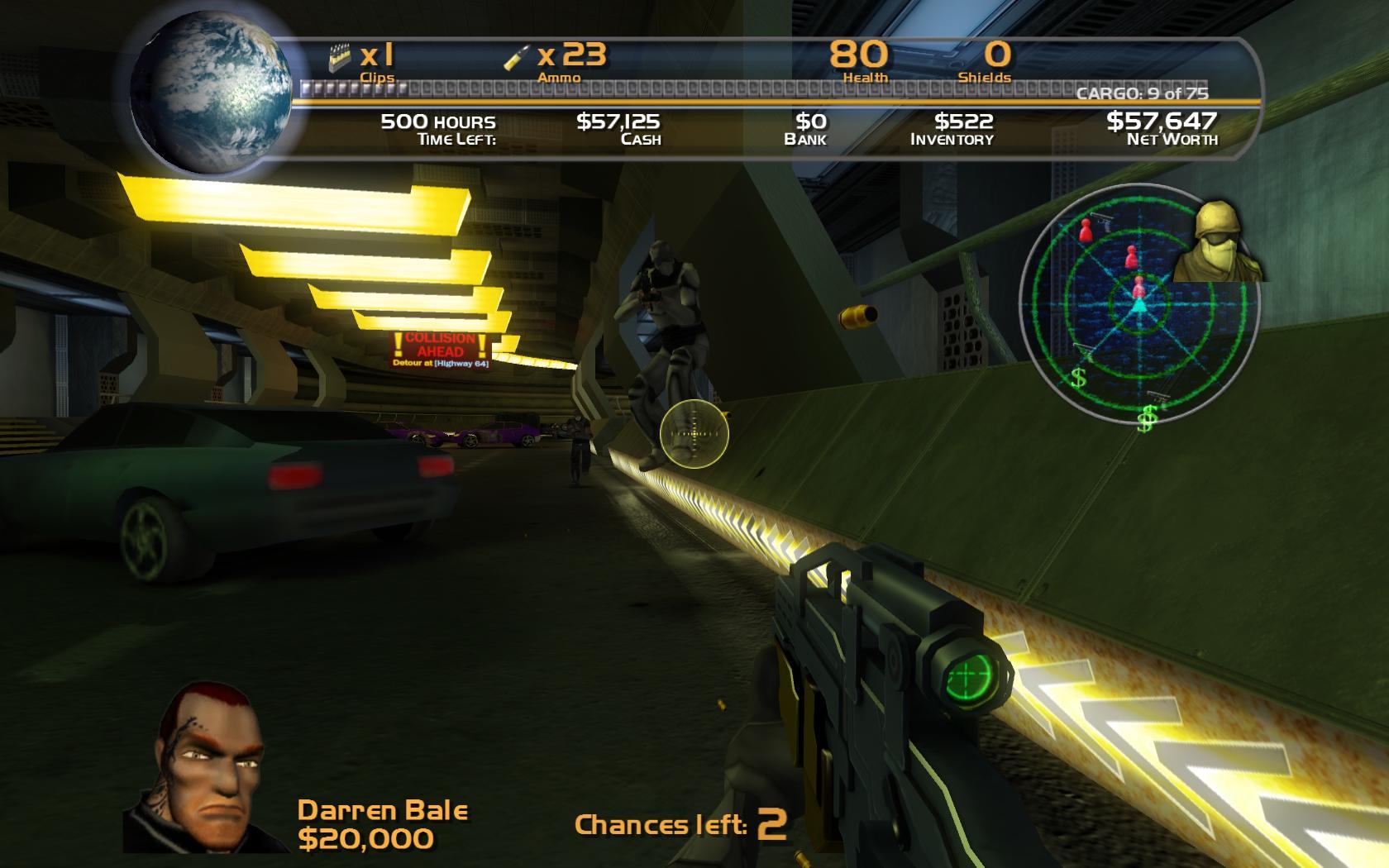
What makes this game’s atmosphere unique isn’t its “open world trading colony sim wrapped in a shooter” label—it’s how it feels like existing inside a worn-out VHS tape of late-capitalist spacefarers. There’s no orchestral score, no lore dumps—just the muffled clack of keyboard inputs, the janky charm of a game “made with the doom engine”, and that player review’s perfect phrasing: “a funny little game where you try to do some mini fetch quests…” The humor isn’t slapstick—it’s weary, dry, born from recognizing how absurdly human the struggle is: bribing bureaucrats, bartering salvaged circuitry for clean water, choosing between fuel and medpacks. It’s deeply melancholic, yes—but also fiercely pragmatic. You don’t dream of conquering galaxies; you dream of upgrading your scanner so you can spot a smuggling route before the patrol drones do. It’s not dystopia as spectacle—it’s dystopia as routine, as the hum beneath your boots, as the taste of recycled air.
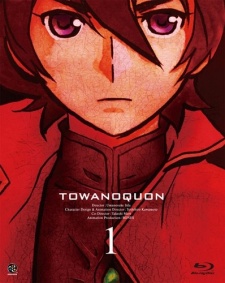
That emotional DNA—the interwoven threads of Cyberpunk & Dystopia, Melancholic Exploration, and Survival & Crafting—resonates sharply with Casshern Sins. Here, the ruined Earth isn’t a backdrop for battles—it’s a character: cracked asphalt swallowed by grey moss, cities half-buried, rain that never stops falling. Casshern walks not as a conqueror, but as a scavenger of meaning, repairing broken machines and broken memories alike—mirroring how you patch hull breaches and renegotiate debt in Space Trader: Merchant Marine. Both treat decay not as an endpoint, but as terrain to navigate, craft, and endure.
Then there’s Cells at Work! CODE BLACK, where the body is a failing megacity and red blood cells are overworked couriers hauling oxygen through clogged capillaries. Its Emotional Narrative isn’t about saving the world—it’s about showing up, again and again, in a system buckling under its own weight. Like the player reviewing Space Trader: Merchant Marine who calls it “funny” while doing “mini fetch quests”, CODE BLACK finds grim levity in relentless duty: the exhaustion in a white blood cell’s eyes after fending off another bacterial wave, the quiet pride in delivering one more unit of nutrients. Both refuse catharsis—they offer presence, not victory.
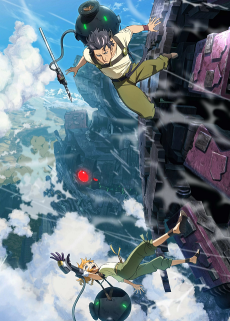
And Patema Inverted—where gravity itself is political, where every step upward risks falling into the sky, where society is built on fragile, inverted scaffolding. Its Survival & Crafting isn’t just making tools—it’s relearning physics, rewriting trust, rebuilding connection across chasms of ideology and architecture. When you jury-rig a comms array from scrap in Space Trader: Merchant Marine, or reroute power to evade a scan, you’re doing the same thing Patema does when she teaches herself to walk against her world’s logic: survival as quiet, daily rebellion.
This pairing sings to the person who watches anime not for escapism, but for recognition: the night-shift worker scrolling trade routes on their phone between shifts, the student repairing their laptop for the third time this semester, the artist sketching star charts in the margins of a rent ledger. They love the weight of small choices—the way a 3% price shift matters, the way a single repaired relay changes everything. They don’t need galactic wars. They need stories—and games—that honor the dignity of the hustle, the poetry of the patch, the stubborn, tender light of a ship’s cockpit at 3 a.m., still running, still trading, still here.
→145 Anime That Match the Vibe

Both dive into neon-soaked futures where technology blurs the line between human and machine.

Casshern’s silent wanderings through rain-slicked, crumbling megacities mirror the lonely cockpit hum of Space Trader’s jump-drive—both suffused with 🌿 Melancholic Exploration. Where Casshern Sins dwells in post-apocalyptic silence and fractured memory, the game forces quiet calculation amid neon bazaars and decaying colonies, each choice weighted by scarcity and consequence. This resonance isn’t just aesthetic—it’s structural: survival hinges on fragile trust, scarce resources, and the haunting weight of decisions made in isolation.
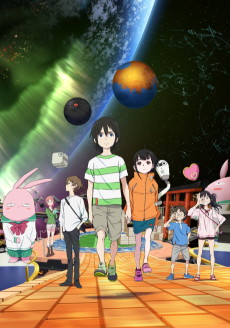
Both dive into neon-soaked futures where technology blurs the line between human and machine.

A frantic Red Blood Cell dodging necrotic tissue in *CODE BLACK*’s ashen, smoke-choked capillaries mirrors a rookie pilot barreling through asteroid-strewn trade lanes while their ship’s hull groans under stress—both worlds breathe **Cyberpunk & Dystopia** through corroded infrastructure and exhausted labor. Unlike most survival narratives, neither offers clean victories: the cell’s oxygen deliveries falter amid systemic neglect, just as bribes and bullet-riddled deals rarely secure lasting safety in Space Trader’s decaying colonies. This shared **Melancholic Exploration** of resilience within collapsing systems feels startlingly intimate—not heroic, but stubbornly, tenderly human.

Vash’s quiet grief over a ruined desert town mirrors the player’s first encounter with a bombed-out colony in *Space Trader*, where profit and pity collide. Unlike most space operas, both lean into 🌿 Melancholic Exploration—not just showing dystopia, but letting silence hang after gunfire or a failed trade. That shared weight makes their cyberpunk worlds feel lived-in, not just stylized: Vash’s pacifism aches against STAMPEDE’s brutal bounty economy, just as the player’s moral compromises stain every credit earned.

Both dive into neon-soaked futures where technology blurs the line between human and machine.

Both dive into neon-soaked futures where technology blurs the line between human and machine.

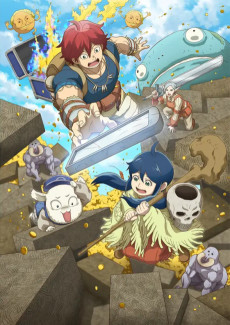
Simon’s trembling hand gripping the drill as he uncovers the first spiral—*that* raw, trembling hope—mirrors the Rookie’s first profitable jump to a high-risk colony: both hinge on **Melancholic Exploration** amid crushing dystopia. Where *Gurren Lagann*’s underground caves echo Space Trader’s grim, resource-scarce star systems, survival isn’t just crafting or combat—it’s the quiet courage to trade one fragile chance for another. Surprisingly, their shared emotional core isn’t triumph, but the ache of reaching upward when the sky has been erased from memory.

Patema’s first breath of open sky—wind whipping her hair, gravity flipping her world—mirrors the player’s first jump to a hostile orbital station in *Space Trader*, where every docking maneuver feels like defiance. Unlike most dystopias fixated on surface decay, both anchor their **Cyberpunk & Dystopia** in claustrophobic infrastructure: Patema’s labyrinthine tunnels echo the game’s cramped cockpit and flickering starport terminals. That shared tension—between suffocating systems and defiant verticality—makes their resonance startlingly physical, not just thematic.

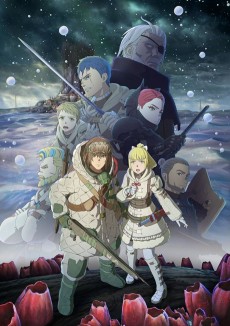
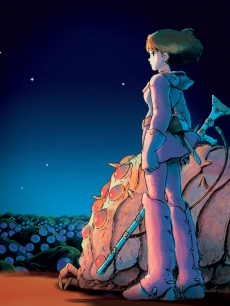
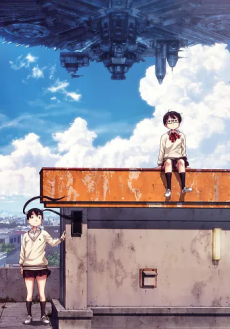
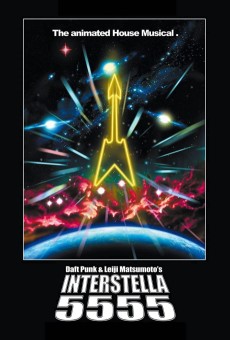
That cracked, rain-slicked neon skyline where the player’s freighter docks at Neo-Kyoto—grime clinging to hull plating like rust on hope—echoes the OVA’s monolithic, crumbling architecture, where the girl’s egg rests in shadowed ruins. Survival & Crafting isn’t just resource management here: it’s the girl meticulously collecting water drop by drop, just as the trader scrapes together credits for shield upgrades amid black-market deals. Unlike most dystopias that shout decay, both whisper it—through hollow radio static and the silence between the girl’s breath and the man’s unasked questions—making their shared despair feel tender, not theatrical.




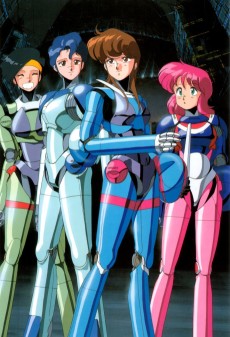




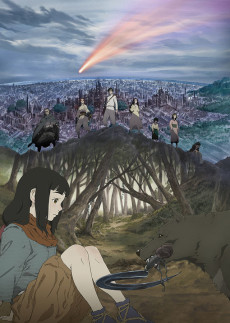












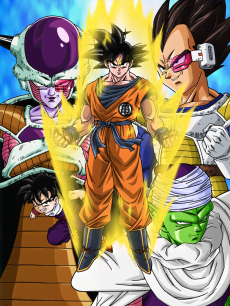


























































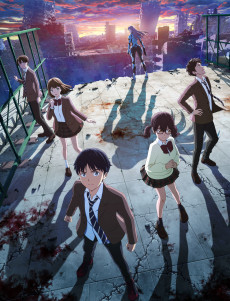

![Fate/stay night [Heaven’s Feel] III. spring song](https://s4.anilist.co/file/anilistcdn/media/anime/cover/large/bx21719-MSdTlkno0Z0u.jpg)






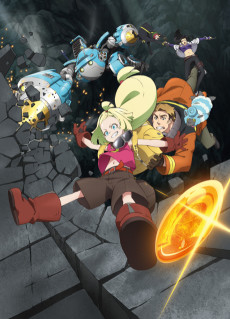
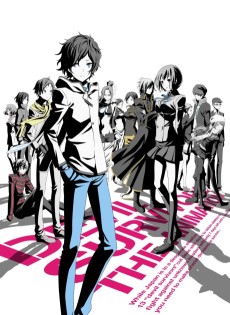
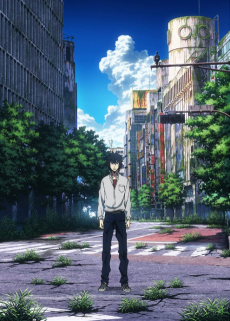










Match Dimensions Explained
❓Frequently Asked Questions
Why is Casshern Sins recommended for Space Trader fans?
Because it nails that same gritty, melancholic exploration vibe—like when you're grinding credits in Space Trader's derelict spaceports, Casshern wanders ruined cities scavenging parts and bartering with desperate factions, all while the world slowly collapses around him. The 'Survival & Crafting' dimension shows up in how he repairs his body mid-journey, mirroring your in-game ship upgrades and resource juggling.
Is there an anime adaptation of Space Trader: Merchant Marine?
Nope—Space Trader: Merchant Marine isn’t based on any anime, and there’s no official anime adaptation. It’s a standalone indie game (built with a Doom-like engine, per player reviews), though its vibe strongly echoes anime like DARLING in the FRANXX—especially in how both blend corporate dystopia with emotionally raw crew dynamics aboard isolated vessels.
How does Patema Inverted compare to Gurren Lagann for Space Trader fans?
Patema Inverted leans into tense, grounded survival—think navigating inverted gravity zones while trading scarce tech with underground clans—very much like Space Trader’s back-alley bribes and low-margin salvage runs. Gurren Lagann, meanwhile, swaps that tension for explosive, high-stakes space commerce (e.g., selling drill cores across galaxies) and over-the-top shrewd trades that escalate like your jump from Rookie to Master.
What’s the best anime like Space Trader if I want that lonely, scrappy merchant-vibe?
Cells at Work! CODE BLACK—it’s unexpectedly perfect. Forget the comedy of the main series: here, you get claustrophobic colony-ship corridors, desperate resource rationing, and characters like Macrophage hustling limited meds between failing sectors—exactly like your early-game grind buying oxygen canisters low and selling them high just to keep your ship’s life support online.