DECA-DENCE
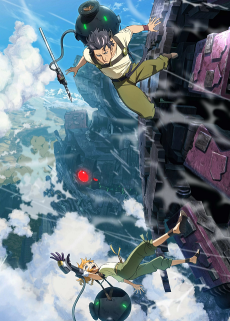
Many years have passed since humanity was driven to the brink of extinction by the sudden emergence of the unknown life forms Gadoll. Those humans that survived now dwell in a 3000 meter-high mobile fortress Deca-dence built to protect themselves from the Gadoll threat.
Denizens of Deca-dence fall into two categories: Gears, warriors who fight the Gadoll daily, and Tankers, those without the skills to fight. One day, Natsume, a Tanker girl who dreams of becoming a Gear meets surly Kaburagi, an armor repairman of Deca-dence.
This chance meeting between the seemingly two opposites, the girl with a positive attitude who never gives up on her dreams and the realist who has given up on his, will eventually shake the future course of this world.
(Source: Funimation)
📺Anime Details
📝Editorial Analysis
The hum of Deca-dence’s massive treads grinding across cracked earth—low, relentless, heavy—as Natsume stares up at the fortress’s underbelly: rust bleeding from rivets, coolant hissing like a tired breath, surveillance drones blinking red in the smog-thick air. She’s not on the battlefield. She’s scrubbing grease off maintenance hatches, her fingers raw, her headset piping in distant Gear comms—orders, static, a scream cut short. That sound doesn’t echo; it settles, like dust in your throat. You don’t feel heroic here. You feel accounted for: a number in a system that runs on sacrifice, not salvation.
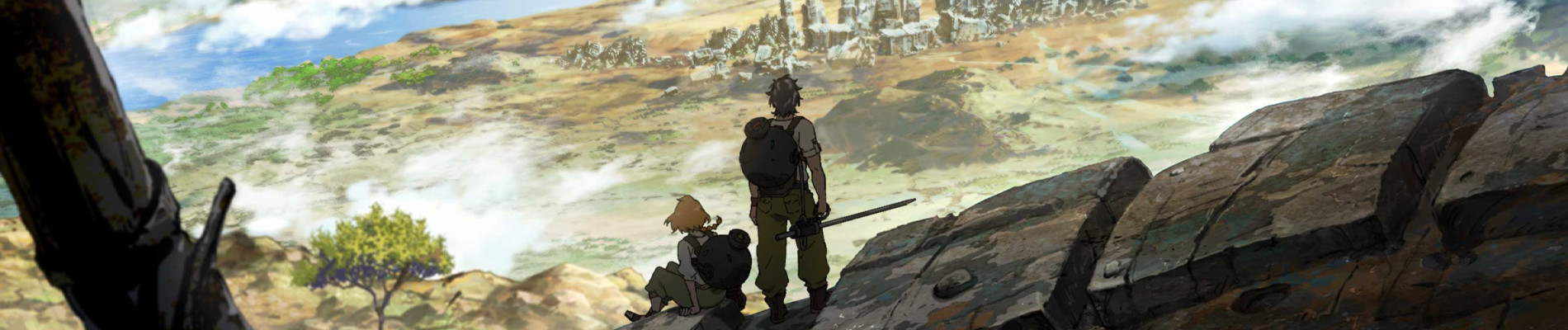
What makes DECA-DENCE ache with such quiet precision isn’t its kaiju or cyborgs—it’s the weight of maintenance. Not just of machines, but of hope, of identity, of consent. This is dystopia as bureaucracy: gears within gears, lives calibrated to function, not flourish. The augmented reality isn’t slick—it’s flickering HUDs overlaid on peeling corridor walls, mission briefings delivered by AI voices that never raise their tone, even when assigning suicide runs. You don’t question the world’s logic—you learn its friction. It makes you think about how easily agency erodes when survival becomes procedural. How dignity hides in small refusals: a repaired helmet strap, a shared ration bar, the way Kabu’s silence holds more gravity than any battle cry. It’s exhausted, not despairing—resigned, not broken.
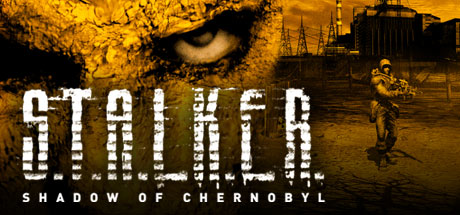
That same emotional resonance thrums in S.T.A.L.K.E.R.: Shadow of Chernobyl, where the Zone isn’t just dangerous—it’s indifferent. Like Deca-dence’s endless corridors, the map is “big and beautiful” but never generous: anomalies warp space without warning, radiation seeps into your bones, and other stalkers watch you from ruined buildings—not as villains, but as fellow tenants of a system that tolerates no mistakes. A player notes they “fear not only the radiation, anomalies and deadly creatures, but other S.T.A.L.K.E.R.s”—that layered dread mirrors how Natsume fears both Gadoll and the Tanker designation that renders her invisible. Both worlds treat safety as a temporary lease, not a right.
Then there’s Dreamfall: The Longest Journey, where the emotional core isn’t spectacle, but duration: “It’s less a long journey than a long drama.” That phrase lands like a stone in the stomach when you remember Natsume’s years of rejected applications, her quiet rehearsals in empty dormitories, the way time stretches thin when you’re waiting for permission to matter. The anime’s coming-of-age isn’t about unlocking power—it’s about unlearning obedience. Just as Dreamfall’s player stays “watching scene after scene” because the drama is compelling enough, DECA-DENCE holds you in Natsume’s stillness—the weight of her backpack, the tremor in her hand before she finally chooses, not obeys. Both trust that emotional patience is its own kind of tension.
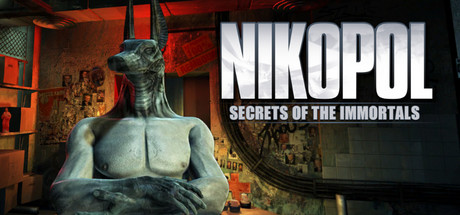
And Nikopol: Secrets of the Immortals shares that same grounded, tactile dystopia: 2023 France under “an iron-fist religious dictatorship,” a pyramid ship hovering like Deca-dence’s shadow over Paris. Its player review praises “the whole cyberpunk atmosphere” and how “animations and cutscenes enhance” the mood—not through flash, but texture. That’s DECA-DENCE’s genius: the dictatorship isn’t mustache-twirling—it’s in the cafeteria line’s timed dispensers, the mandatory AR overlays during Tanker orientation, the way Kabu’s cybernetics whine just loud enough to remind you he’s been optimized, not healed. Nikopol’s point-and-click intimacy—examining a propaganda poster, overhearing a whispered dissent—mirrors how the anime lingers on Natsume’s fingers tracing a Gear insignia on a discarded manual. The oppression isn’t shouted. It’s designed.
This pairing isn’t for fans of cathartic rebellion or clean revolutions. It’s for the ones who recognize courage in a delayed blink, in rewiring a terminal instead of smashing it, in asking who maintains the maintainers? It’s for players who replay S.T.A.L.K.E.R.’s early hours just to hear the wind rattle broken glass in Pripyat. For viewers who rewatch Natsume’s first solo patrol—not for the action, but for the three seconds she pauses, helmet visor reflecting the fortress’s underbelly, breathing, before stepping forward. They don’t want to escape the system. They want to understand its seams—and find, in the grit between them, something unmistakably, fiercely human.
🎮27 Games That Match the Vibe





Match Dimensions Explained
❓Frequently Asked Questions
Why does DECA-DENCE feel so similar to S.T.A.L.K.E.R.: Shadow of Chernobyl despite one being anime and the other a gritty FPS?
It’s all about that oppressive, lived-in dread—the Zone’s radioactive fog and unpredictable anomalies mirror DECA-DENCE’s decaying cityscapes and ever-present Gear threats. Both force you into tense, resource-scarce survival: scavenging ammo in S.T.A.L.K.E.R. feels like rationing stamina while dodging Gears in DECA-DENCE’s combat loops, and that haunting sense of isolation? Spot-on—just swap the Monolith patrols for the Maintenance Team’s silent surveillance.
Is there a DECA-DENCE anime adaptation or official game tie-in?
Nope—DECA-DENCE is *itself* the anime (2020 original series), and there’s no official game adaptation. But if you’re craving that same vibe in games, Nikopol nails the cyberpunk dystopia with its 2023 Paris ruled by a religious dictatorship and that eerie pyramid ship hovering over Notre-Dame—plus its moody cutscenes and atmospheric point-and-click storytelling echo the anime’s layered worldbuilding and moral ambiguity.
How does Dreamfall: The Longest Journey compare to Nikopol: Secrets of the Immortals?
Both are story-first, emotionally charged dystopian adventures—but Dreamfall leans into interdimensional melancholy (think Zoë Castillo’s quiet grief and the shifting balance between Stark and Arcadia), while Nikopol goes full cyberpunk noir with its iron-fist French theocracy and morally grey immortality quests. If Dreamfall’s ‘long drama’ hooked you, Nikopol’s political tension and cinematic animations deliver that same slow-burn weight—just swap rain-soaked Seattle for neon-lit, surveillance-heavy Paris.
What’s the best game like DECA-DENCE if I want that grim, high-stakes cyberpunk survival vibe—not just aesthetics?
Go straight to Dystopia: it’s got the tense, networked-combat grit DECA-DENCE fans love—playing as Punk mercenaries hacking corporate systems mid-firefight mirrors the anime’s hacker-mechanic duality and Maintenance Team betrayals. The dim cyberpunk lighting, constant threat of ambush, and zero-handholding in hostile zones? That’s the same visceral, high-stakes pulse as dodging Gears in the ruins of the city—no fluff, just survival with style.