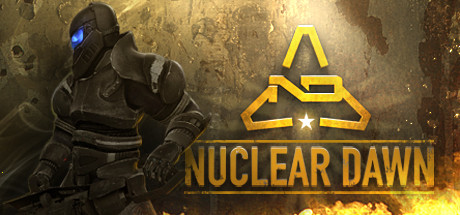
Nuclear Dawn
Explore war-torn post-apocalyptic landscapes and take fight against enemies using various weapons in this FPS/RTS hybrid.
🎮Game Details
💬What Players Say
"Back when this game first came out it was fun, but the servers are 100% dead with 0 active players."
"FPS + Stragegy - who else does this? Best game concept and execution."
"Had potential, but was left in a far too unpolished state. [list] [*]You can build walls but their hitboxes are so ♥♥♥♥♥♥ up you can shoot through them 90% of the time [*]Trying to fire/ADS/sprint "too soon" after completing a reload will not only retroactively cancel the reload but glitch your weapon into uselessness for several seconds [*]The RTS system has one extremely serious bug that causes construction orders to sometimes end up in limbo ,blocking you from constructing anything in that area for the rest of the match [*]The RTS system tries to stop you from placing buildings inside each other, but it doesn't try very hard [*]There is exactly one loadout in one class that can reasonably deal with turrets, hope you like playing Demolition Exo: there are other classes that can theoretically help, but they take far longer to get any results while taking far greater risks. [*]Damage feedback is atrociously bad with what seems like a good second of lag between your actual health value and the corresponding UI element [*]Human players can level up through a hundred-hours long grind to gain access to perks granting them massive numerical buffs (40% larger mags and total ammo reserves is one of the tamer ones), so if you play with friends you better make sure no one strays too far from the rest in terms of levels/perk picks [*]The "boost your whole team" perks are somehow even worse...."
📝Editorial Analysis
The crunch of gravel under boot, the low hum of a dying generator somewhere in the distance—then the sudden, hollow thunk as your bullet punches clean through a wall you just built. You watch it happen in real time: the wall’s texture intact, its geometry solid on screen, yet your rifle’s crosshair stays perfectly aligned with the enemy behind it, unobstructed. That dissonance—the promise of shelter collapsing into betrayal—is Nuclear Dawn’s heartbeat. Not the grand strategy map, not the FPS adrenaline rush, but that one jarring second where construction and combat collide, and nothing holds. It’s there in the official description’s “FPS/RTS hybrid” framing—and it’s confirmed, bitterly, in Player Review 3’s complaint about walls whose hitboxes are “so ♥♥♥♥♥♥ up you can shoot through them 90% of the time.” That isn’t a bug to ignore. It’s the game’s emotional grammar.
What makes Nuclear Dawn ache is its unresolved tension—between control and collapse, between building and breaking, between the tactical calm of placing a turret and the frantic scramble when your base dissolves mid-fight. There’s no heroic arc here, no rising crescendo. Just the quiet dread of knowing your defenses are illusory, your coordination fragile, your servers long since gone dark (as Player Review 1 puts it: “0 active players”). It doesn’t feel like war as spectacle—it feels like war as maintenance, as improvisation, as holding back entropy with duct tape and hope. You don’t win. You persist, briefly, while everything around you insists on falling apart. That’s why its atmosphere isn’t dystopian in the glossy, neon-slick way—it’s gritty, exhausted, improvised. The world isn’t ruined by spectacle; it’s worn down by repetition, by systems failing quietly, by the weight of trying to rebuild something that keeps refusing to stay built.
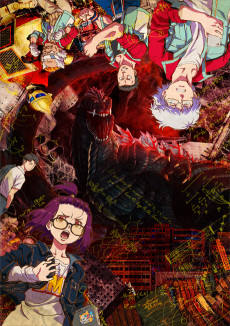
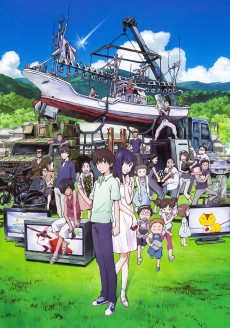
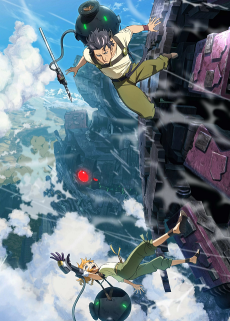
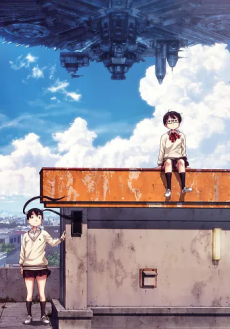
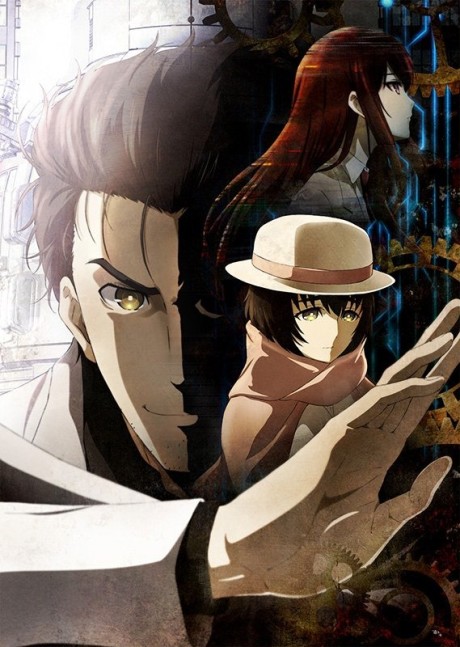
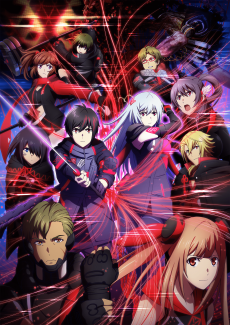
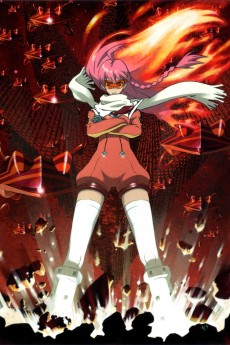
That same exhausted persistence lives in Fire Force Season 3, where characters weld scrap metal onto crumbling fire trucks and jury-rig flame suppressors from scavenged lab gear—not because they believe in victory, but because stopping means letting the inferno swallow the last habitable zone. Its “Cyberpunk & Dystopia” dimension isn’t about chrome and code; it’s about flickering fluorescents over cracked concrete, and “Survival & Crafting” as ritual resistance. Likewise, Patema Inverted—where gravity itself is unstable, and every ladder, rope, and repurposed elevator shaft is a gamble against physics gone feral. The walls don’t just have bad hitboxes; they lie: floors become ceilings, ceilings become traps. Its survival isn’t fought with guns, but with trust across inverted worlds—and that mirrors Nuclear Dawn’s core irony: you build to protect, but the very act of building exposes how thin the line is between structure and void. Then there’s No Game, No Life Zero, where tactical warfare isn’t about dominance, but about negotiating survival in a world already erased—every battle plan is drafted on paper that might dissolve in rain, every alliance hinges on a ceasefire measured in minutes. Its “Tactical Warfare” dimension isn’t chess-like precision; it’s desperate calculus, exactly like trying to coordinate a flanking maneuver while your teammate’s wall flickers out of existence mid-voice chat.
This pairing sings for the player who lingers in loading screens just to watch dust motes drift in abandoned server rooms—and for the viewer who rewinds Angel’s Egg not for plot, but to study how light bleeds through broken stained glass in a cathedral nobody prays in anymore. It’s for people who find beauty in fracture, meaning in maintenance, and intimacy in shared exhaustion. Not the loud, triumphant kind—but the quiet kind, where two people silently pass a wrench, knowing the pipe will burst again tomorrow.
→111 Anime That Match the Vibe
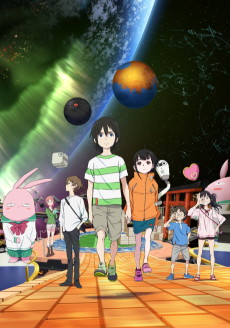
Both dive into neon-soaked futures where technology blurs the line between human and machine.

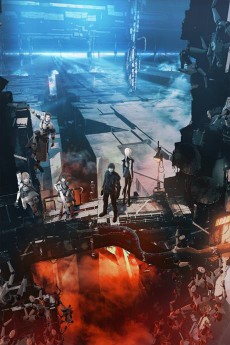
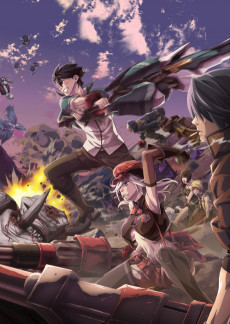
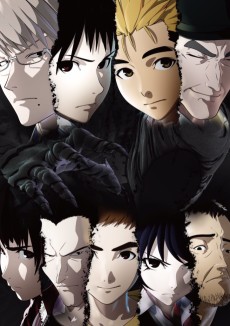
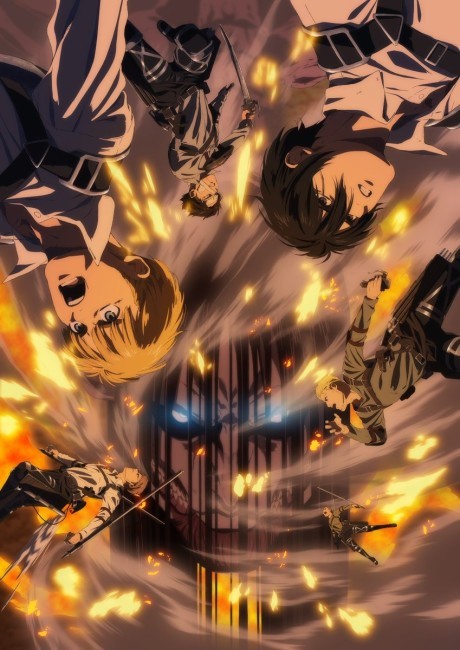
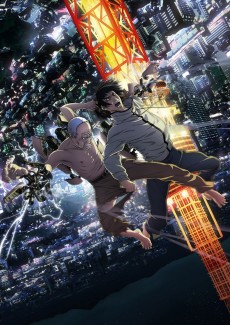
Shinra’s sprint through Tokyo’s collapsing, neon-scorched ruins—where fire consumes infrastructure as much as enemies—mirrors Nuclear Dawn’s ruined cityscapes where players scavenge scrap to reinforce crumbling RTS bases. Unlike most dystopias fixated on decay alone, both weaponize *Cyberpunk & Dystopia* to ask: what survives when institutions burn and only adaptive, improvised combat remains? Season 3’s revelation of the Evangelist’s biomechanical truth hits with the same visceral shock as deploying a jury-rigged plasma cannon in a trench war against mutated hordes—raw, urgent, and terrifyingly human.
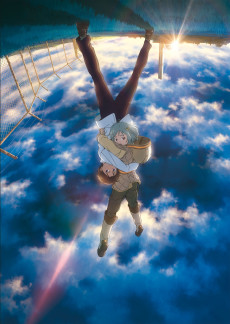
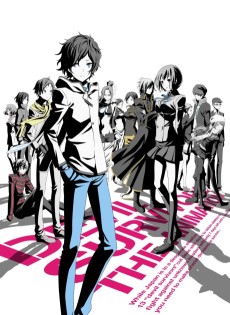
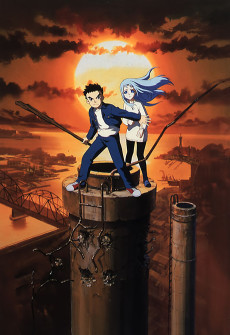
Patema’s first breath of open-air sky—vast, terrifying, and sun-drenched—mirrors the moment players breach Nuclear Dawn’s irradiated surface after claustrophobic tunnel combat. Where the anime renders dystopia through intimate, quiet resilience in layered subterranean corridors, the game weaponizes that same Cyberpunk & Dystopia aesthetic with frantic vertical warfare across fractured cityscapes. This pairing is startlingly rich: both treat survival not as brute force alone, but as delicate negotiation between light and collapse, memory and ruin.
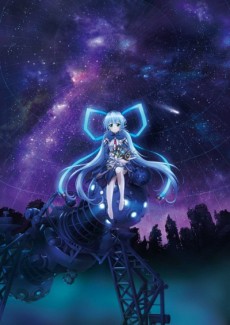
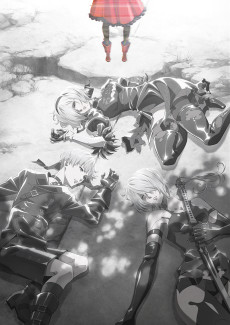
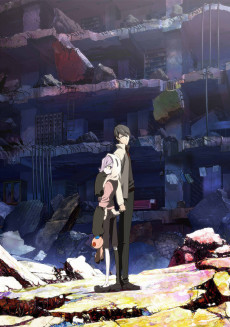
Hoshino Yumemi’s quiet, dust-moted planetarium—where she recites star charts to an empty dome for thirty years—holds the same hollowed-out grandeur as Nuclear Dawn’s shattered cityscapes, where artillery fire echoes across ruins that once housed concert halls. Unlike most dystopias fixated on active combat, both anchor their Cyberpunk & Dystopia aesthetic in profound stillness: Yumemi’s unwavering ritual mirrors the game’s RTS command layer hovering over silent, ruined terrain before the next assault. That shared tension between fragile hope and irreversible decay makes their resonance startlingly tender—not just bleak, but elegiac.
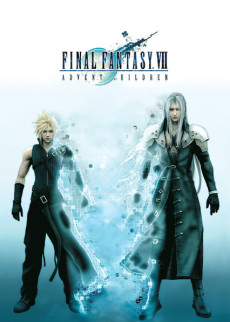
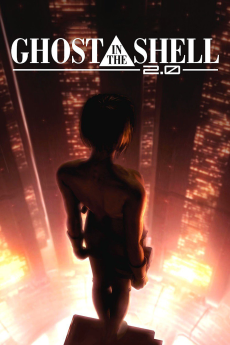
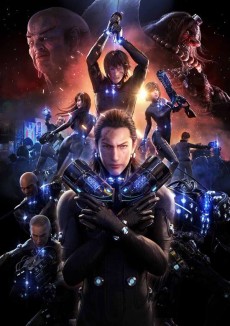
Geo-stigma’s creeping, flesh-corroding decay in *Advent Children* mirrors Nuclear Dawn’s irradiated wastelands—both render ecological collapse as visceral, bodily trauma. Where Cloud battles phantom memories amid Midgar’s skeletal ruins, players command squads across shattered megacities choked with toxic fog and crumbling infrastructure, grounding the 🌆 Cyberpunk & Dystopia dimension in shared physicality of ruin. That fusion of intimate human fragility and vast, tactical devastation makes their resonance startlingly coherent—not just aesthetic, but ethical.

Both dive into neon-soaked futures where technology blurs the line between human and machine.
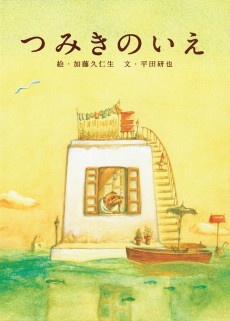
Both dive into neon-soaked futures where technology blurs the line between human and machine.

Both dive into neon-soaked futures where technology blurs the line between human and machine.
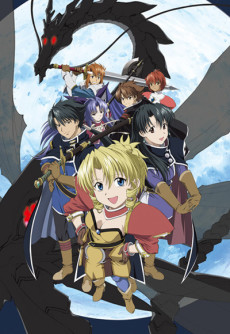
Both dive into neon-soaked futures where technology blurs the line between human and machine.

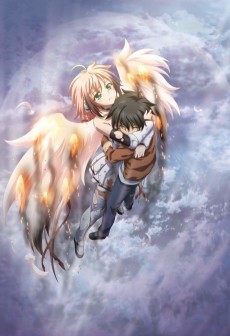
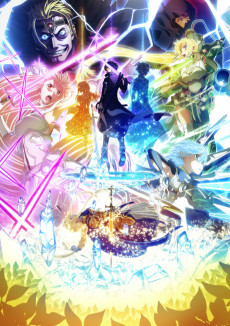
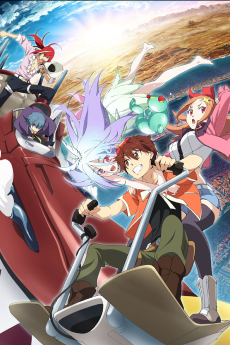
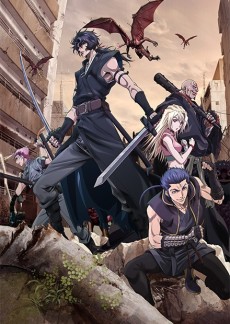
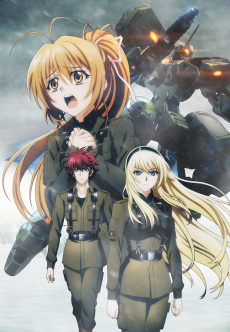
A shattered cityscape flickers under twin moons as Riku’s final stand mirrors a Nuclear Dawn commander’s desperate RTS rally—both hinge on split-second tactical warfare amid collapsing infrastructure. Unlike most dystopias, neither leans on nihilism; instead, they channel raw survival & crafting ingenuity into defiant, emotionally charged choices—Riku’s sacrifice and a player’s last-stand turret emplacement both transform scarcity into meaning. That shared cyberpunk & dystopia texture makes their resonance startlingly intimate, not just apocalyptic.














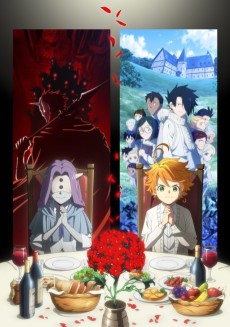



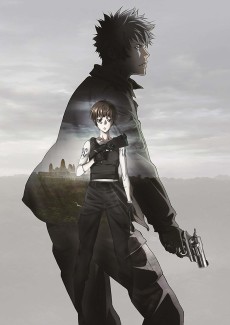

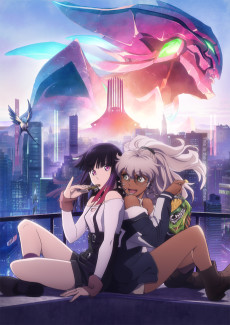


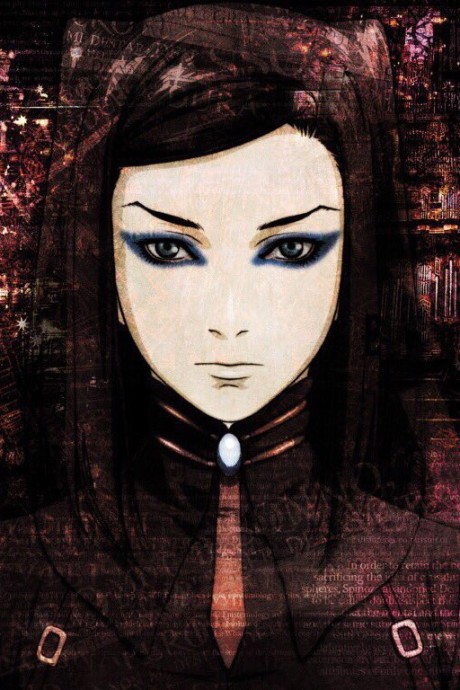
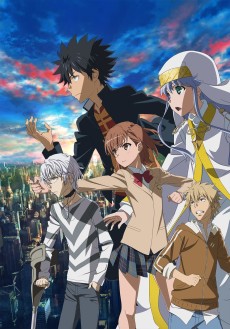

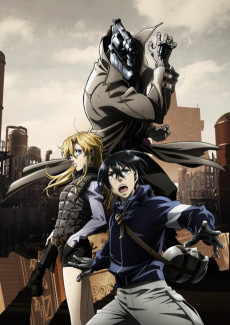
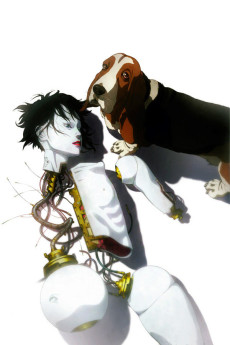

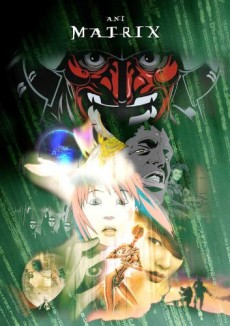

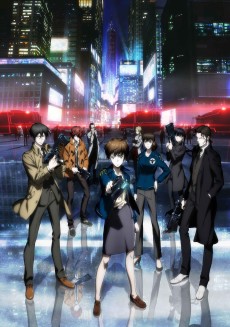
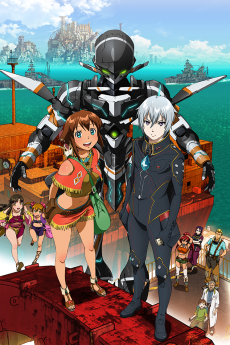

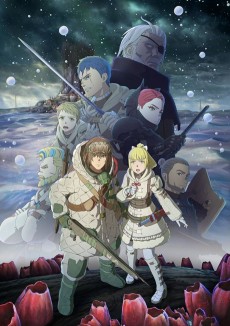


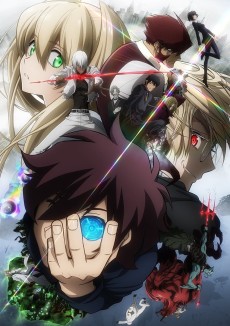





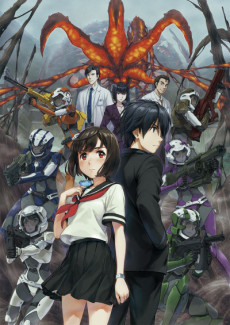
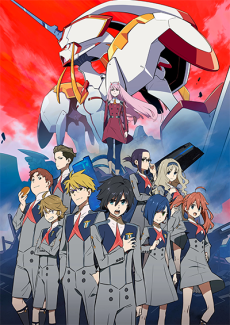

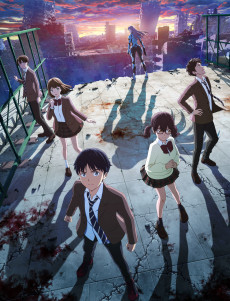
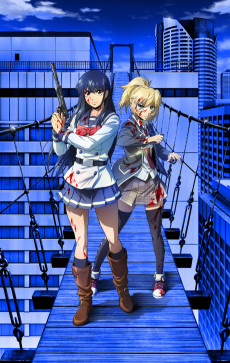






Match Dimensions Explained
❓Frequently Asked Questions
Why is Fire Force Season 3 recommended for Nuclear Dawn fans?
Because both lean hard into tactical warfare in crumbling dystopian cities—like when Shinra’s squad coordinates wall-breaching assaults and rapid repositioning during the Tokyo Inferno arc, mirroring Nuclear Dawn’s RTS-style unit commands and FPS combat flow. The score (78) and shared dimensions—Cyberpunk & Dystopia plus Survival & Crafting—mean you’ll get that same urgent, resource-scarce, build-while-battling vibe.
Is there an anime adaptation of Nuclear Dawn?
Nope—Nuclear Dawn was never adapted into an anime. It’s a standalone indie FPS/RTS hybrid with dead servers and no licensed anime spin-offs. But if you love its blend of real-time strategy layering over tight FPS action, No Game, No Life Zero nails that same Tactical Warfare + Dystopia energy during the Great War siege sequences—especially when Riku deploys scouts, fortifies trenches, and times artillery barrages like a commander in Nuclear Dawn’s control interface.
How does Patema Inverted compare to Nuclear Dawn in terms of world-building and survival mechanics?
Patema Inverted shares Nuclear Dawn’s oppressive, vertically fractured dystopia—think inverted gravity zones acting like unstable terrain you must navigate and exploit, just like Nuclear Dawn’s hitbox-broken walls you’re forced to work around (per that player review about shooting through them 90% of the time). Both demand constant environmental awareness and improvised survival: Patema’s makeshift gear and gravity hacks feel like the game’s janky-but-functional crafting loop, especially during the underground reactor sequence.
What’s the best anime like Nuclear Dawn if I want that lonely, desperate post-apocalyptic mood with quiet tension?
Planetarian is your pick—it’s all hushed ruins, flickering light, and fragile human connection in a dead world, matching Nuclear Dawn’s desolate, server-dead emptiness but swapping bullets for melancholy poetry. That final scene in the planetarium, where the lone android and boy sit amid silent, decaying tech? It hits the same emotional core as wandering Nuclear Dawn’s abandoned maps alone, knowing the multiplayer pulse is gone but the atmosphere still breathes.