
Gachiakuta Season 2
📺Anime Details
📝Editorial Analysis
Rain slicks the cracked asphalt of Neo-Kyoto’s lower wards, and Renjiro’s knuckles split open—not from a punch, but from dragging himself up a rusted fire escape ladder, his bare feet scraping against corroded metal. His breath hitches, ragged and hot, as he glances back: not at pursuers, but at the distant, shimmering dome of the Upper Spire—clean, silent, glowing like a god’s afterthought. That moment isn’t about power or plot—it’s the weight of verticality: every inch climbed is defiance measured in exhaustion, in shame, in the quiet, grinding refusal to be discarded.
This isn’t just dystopia—it’s tactile despair. You feel the grit under fingernails, the sour tang of ozone and decay in the air, the way light doesn’t fall here but leaks, thin and reluctant, through fractured sky-bridges. Gachiakuta Season 2 doesn’t ask you to believe in a broken world—it forces you to breathe its dust. It makes you think about how dignity calcifies in silence, how revenge curdles when it’s less about vengeance and more about proving your bones still hold shape. There’s no heroic music swelling—it’s the low hum of failing infrastructure, the echo of footsteps in hollow service tunnels, the sudden, animal stillness before violence erupts not as spectacle, but as consequence. It’s heavy, yes—but also honest, in a way that stings like salt in an old wound.
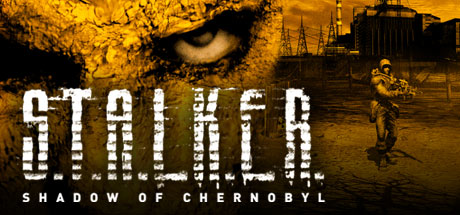
That same honesty lives in S.T.A.L.K.E.R.: Shadow of Chernobyl, where survival isn’t about leveling up—it’s about checking your Geiger counter before stepping into a sunlit clearing, because beauty here is always lying. The description nails it: “a very dangerous place, where you fear not only the radiation, anomalies and deadly creatures, but other S.T.A.L.K.E.R.s.” That duality—the environment and the people—is mirrored in Gachiakuta Season 2’s class struggle: the Zone isn’t just radioactive; it’s stratified, policed, monetized. And the player review—“The map is big and beautiful…”—lands with eerie precision. Neo-Kyoto is that kind of beauty: decaying grandeur, overgrown transit hubs, skeletal high-rises draped in frayed fiber-optic vines. You don’t explore it for loot—you explore it because every alleyway holds memory, every abandoned clinic holds ghosts of triage that never came.
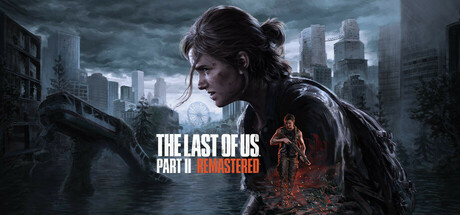
Then there’s The Last of Us™ Part II Remastered, which shares that same suffocating intimacy with trauma—not as backstory, but as physiology. The description tags “Survival & Crafting” aren’t about resource menus; they’re about watching Ellie’s hands tremble while she stitches her own wound, or seeing her pause mid-stride because a scent—wet earth, burnt sugar—unlocks something raw and unprocessed. Like Renjiro, she moves through ruins that remember every loss. The emotional DNA isn’t in the action—it’s in the aftermath: the way grief settles into posture, how rage exhausts before it satisfies, how forgiveness feels less like resolution and more like surrendering ground you’ve bled to hold.
And R.E.P.O., though lesser-known, hits with surgical precision: its core tension—debt, dispossession, the terrifying bureaucracy of erasure—mirrors Gachiakuta Season 2’s central horror. You’re not fighting monsters—you’re fighting systems that have already decided you’re surplus. The description’s “Cyberpunk & Dystopia” tag isn’t aesthetic; it’s procedural. When Renjiro’s trash-suit flickers under a flickering ad-banner promising “Upward Mobility Packages,” it’s the same cold irony as R.E.P.O.’s debt collectors scanning retinas before repossessing limbs. Both understand that the most dehumanizing violence isn’t loud—it’s quiet, legal, logged, and delivered with a smile.
This pairing isn’t for fans of “cool powers” or “epic battles.” It’s for the person who watches Renjiro press his forehead against cold subway tile—not to cry, but to reset his breathing—and recognizes that as the bravest thing in the show. It’s for the player who spends ten minutes scavenging a collapsed pharmacy not for meds, but for the faded sticker on a child’s inhaler box, then walks away without picking it up. They’re drawn to stories where hope isn’t a destination—it’s a muscle you flex in the dark, quietly, relentlessly, with chapped hands and a heart that still remembers how to ache.
🎮20 Games That Match the Vibe



Match Dimensions Explained
❓Frequently Asked Questions
Why does Gachiakuta Season 2’s trash-district aesthetic remind me so much of S.T.A.L.K.E.R.: Shadow of Chernobyl?
Because both lean hard into that decaying, lived-in dystopia—think rusted metal, flickering neon signs over crumbling concrete, and the constant low hum of danger. In S.T.A.L.K.E.R., you’re scavenging in the Zone’s irradiated ruins just like Raku digs through junkyards and abandoned factories in Gachiakuta, and that same oppressive atmosphere (plus the ever-present threat of anomalies or hostile stalkers) mirrors how Raku navigates unpredictable, morally grey zones full of hidden threats.
Is there a Gachiakuta anime or game adaptation coming soon?
No official anime or game adaptation exists yet—but if you're craving that same vibe *right now*, jump into R.E.P.O., where you play as a debt collector navigating rain-slicked cyberpunk alleys, bargaining with desperate citizens, and making tough calls under pressure—just like Raku weighing loyalty vs. survival in Season 2’s tense negotiations with the Trash Union.
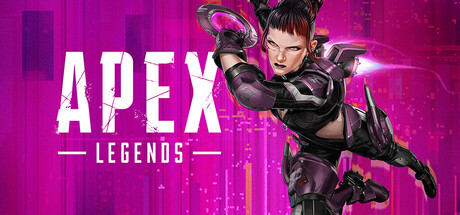
Apex Legends vs. The Last of Us Part II Remastered—which one captures Gachiakuta Season 2’s emotional grit better?
The Last of Us Part II Remastered wins hands-down for raw emotional weight: Ellie’s quiet fury, her moral exhaustion after betrayal, and those long, heavy silences mirror Raku’s arc when he confronts old friends turned enemies—especially in the ‘Rusted Bridge’ flashback scene. Apex is all high-energy chaos and squad banter, while TLOU2 leans into the same intimate, bruised humanity that makes Season 2’s quieter moments (like Raku mending his glove alone in the workshop) hit so hard.
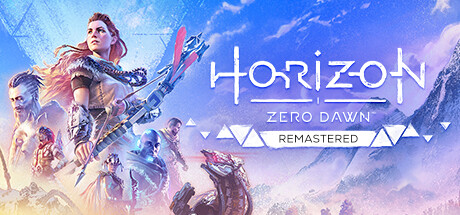
What’s the best game like Gachiakuta Season 2 if I want that melancholy-but-hopeful ‘rebuilding from scraps’ feeling?
Horizon Zero Dawn Remastered—it’s got that same poetic contrast: Aloy scavenges broken machines in overgrown ruins, repurposing ancient tech to survive, just like Raku reassembles discarded parts into tools and weapons. The way she restores lost knowledge and slowly rebuilds trust with tribes echoes Raku’s journey repairing fractured bonds with characters like Kuroda and the Junkyard Kids—all while carrying that gentle, persistent hope beneath the grime.