X-COM: Apocalypse
There's something evil in the city tonight... Earth has been ravaged by human excess, petty conflict and alien invasion. The world's population has been herded into huge cities, the first of which was Mega Primus. 2084: A Utopia shattered, social collapse and civil unrest reigns in Mega Primus. Fiendish aliens terrorize the city.
🎮Game Details
💬What Players Say
"Probably the greatest game of all time, though some broken things being from the time was WELL above it's age."
"It was pretty hard to get back into, but once I got used to the tactical map's shortcomings it was a lot of fun to play this again. ~50 hrs to finish the campaign on max difficulty."
"The best DOS game ever."
📝Editorial Analysis
Rain slicks the ferrocrete streets of Mega Primus—not gently, but in thick, greasy sheets that catch the sickly neon bleed from fractured holograms. You’re crouched behind a collapsed transit tube, breath shallow, watching your squad’s thermal signatures flicker on the tactical map—one is blinking red, down but not out, while three unknown heat blooms advance through the steam-veiled alley ahead. The city groans overhead: a bassline of failing infrastructure, distant sirens, and something else—a subsonic hum that makes your molars ache. This isn’t just combat. It’s stewardship under siege. The official description nails it: “There’s something evil in the city tonight…” — not alien, not yet fully named, but in the city, woven into its cracked pavement and flickering ad-boards. And you, with your 50-hour max-difficulty campaign grind (as one player confirmed), aren’t saving the world—you’re holding Mega Primus together, brick by scorched brick, while civilization itself bleeds out around you.
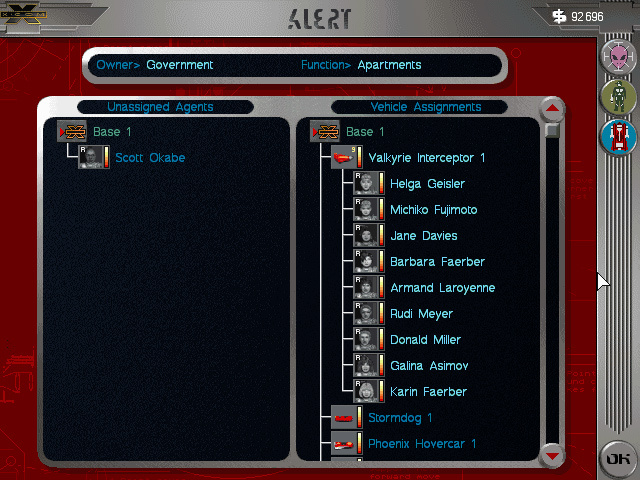
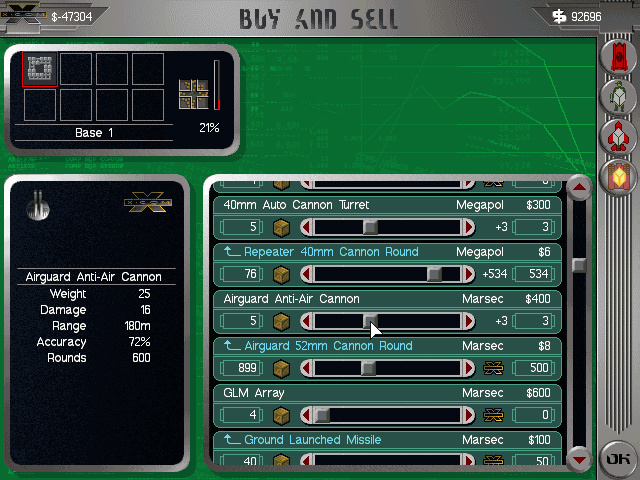
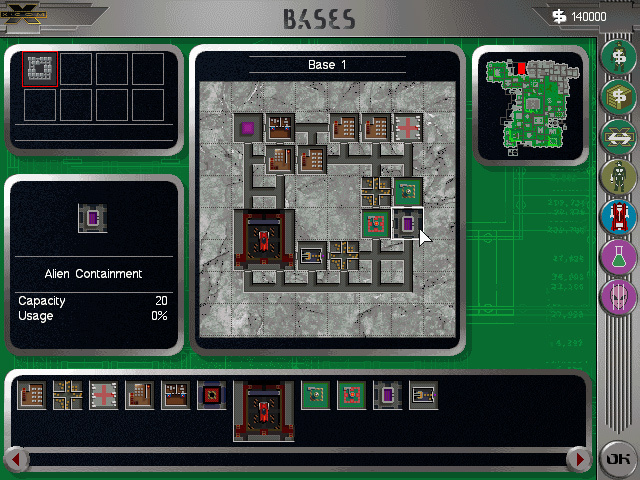
That’s the feeling: claustrophobic responsibility. Not heroism, not destiny—but the weight of being the last functional node in a collapsing network. The game doesn’t offer clean victories or moral clarity; it offers trade-offs baked into every decision: divert power to sensors or med-bay? Reinforce the east district or evacuate civilians before the next bio-hazard breach? Even the “utopia” is a lie—the first mega-city, Mega Primus, built on human excess and now rotting from within. You don’t feel powerful. You feel overextended, watchful, tired. That exhaustion is real—players call it “hard to get back into,” then sink 50 hours deep anyway, not for spectacle, but because the stakes are local, immediate, human-scale. You remember the names of your engineers. You mourn the loss of a single civilian’s apartment block. The DOS-era jank isn’t a flaw—it’s texture. It mirrors the world’s fraying edges. You don’t conquer the dystopia. You endure it—day by day, sector by sector, life by fragile life.
Fire Force Season 3 shares that same gritty stewardship: firefighters battling infernal phenomena not in open fields, but inside crumbling Tokyo wards—ventilation shafts, subway tunnels, tenement stairwells. Its Cyberpunk & Dystopia dimension isn’t about chrome and rain-soaked noir—it’s about infrastructure failure as existential threat, where a burst pipe or blacked-out grid isn’t background noise, but a tactical variable. Like X-COM: Apocalypse, it treats survival and crafting as acts of quiet resistance: patching gear mid-mission, jury-rigging fire suppression, improvising containment from scrap. And its JRPG Narrative layer—faction politics, inherited trauma, legacy burdens—mirrors how X-COM’s research trees and council demands force you to weigh long-term ethics against tonight’s casualties.
Final Fantasy VII: Advent Children, though cinematic, pulses with the same tactical warfare urgency inside a ruined metropolis—Midgar isn’t backdrop; it’s a character with collapsed sectors, toxic runoff, and gravity-defying ruins that demand vertical thinking. Its Cyberpunk & Dystopia isn’t aesthetic—it’s ontological: the city is literally built atop a corpse (the Planet), and every fight happens on that wound. When Cloud leaps across shattered mag-lev tracks while dodging bioweapon spores, it’s not spectacle for spectacle’s sake—it’s the same spatial tension as repositioning your sniper on a crumbling overpass in Mega Primus, knowing one misstep means losing line-of-sight and cover and a teammate.
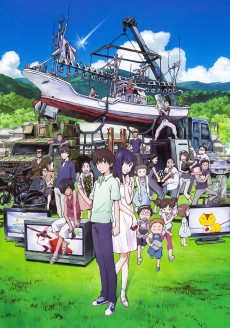
Summer Wars surprises—but its Tactical Warfare dimension is razor-sharp: not with guns, but with code, timing, and civic coordination. When Kenji reroutes traffic grids to trap an AI in Shinjuku’s digital twin, or when Grandma Sakae rallies neighborhood elders to physically cut fiber lines, it’s the exact same emotional calculus: using limited local resources, under time pressure, to protect a fragile social fabric. Its Cyberpunk & Dystopia isn’t grim—it’s warmly desperate, like X-COM’s best moments: a community fighting not for glory, but for continuity. You don’t win by overpowering the system—you win by understanding its seams.
This pairing speaks to someone who doesn’t just watch anime or play games—they monitor. They notice how a flickering streetlamp changes a scene’s tension. They track resource depletion across episodes or missions. They love the quiet dignity of people doing hard, unglamorous work in broken places. Not the chosen one—but the shift supervisor, the field medic, the systems analyst who knows where the backup generator actually is. They crave stories where hope isn’t shouted—it’s calculated, conserved, carried home in a dented helmet.
→121 Anime That Match the Vibe

Both dive into neon-soaked futures where technology blurs the line between human and machine.
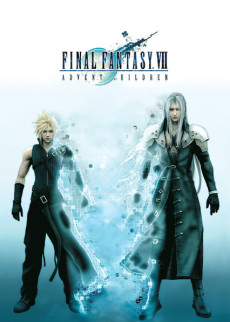
Rain slicks the neon-drenched streets of Mega-Primus as X-COM agents scramble through collapsing arcologies—just like Cloud’s ragged breath in Midgar’s ruined Sector 5 church, where Geo-stigma’s blue lesions pulse beneath cracked concrete. Unlike most sci-fi dystopias, both anchor their Cyberpunk & Dystopia dread in bodily decay: alien bio-matter fusing with infrastructure in Apocalypse, Jenova’s corruption metastasizing through human veins in *Advent Children*. This visceral, urban-body horror makes their resonance startlingly intimate—not just war in a city, but the city itself turning sick.

Rain slicks the neon-drenched streets of Mega-Primus as X-COM agents jury-rig plasma rifles from scrap—cyberpunk & dystopia made tactile through survival & crafting. Meanwhile, Shinra’s desperate sprint across Tokyo’s collapsing skyline in *Fire Force* Season 3 mirrors that same claustrophobic urban siege, where every alley hides conspiracy and every flame reveals a truth too dangerous to name. Unlike most apocalyptic stories, both refuse catharsis: they trap you inside the city’s failing systems, making resilience feel less like triumph and more like stubborn, solder-burned refusal.

JP’s helmet visor flickering with neon circuitry as he drifts through Neo-Tokyo’s vertical slums mirrors X-COM: Apocalypse’s rain-slicked, hologram-drenched Mega-Primus—both pulse with cyberpunk & dystopia where infrastructure itself feels like a hostile, sentient entity. Unlike most sci-fi, neither work treats technology as neutral: the city *fights back* in X-COM, while Redline’s biomechanical tracks warp and erupt mid-race, turning sport into survival. That shared conviction—that civilization is a fragile, glitching cage—makes their chaos feel tragically coherent.

A crumbling Neo-London skyline pulses with emergency sirens as X-COM agents scramble through rain-slicked, neon-drenched streets—mirroring the fractured, clockwork-laced Tokyo of *Heaven’s Lost Property: The Angeloid of Clockwork*, where Kazane’s self-sacrifice unfolds amid collapsing orbital infrastructure and glitching androids. Unlike most dystopias rooted in scarcity, both weaponize *Cyberpunk & Dystopia* through excess: one via hyper-urbanized alien occupation, the other through runaway techno-romantic idealism. That shared tension—between glittering sci-fi spectacle and quiet human fragility—makes their resonance unexpectedly poignant, not just aesthetic.

Both dive into neon-soaked futures where technology blurs the line between human and machine.
Both dive into neon-soaked futures where technology blurs the line between human and machine.

Both dive into neon-soaked futures where technology blurs the line between human and machine.

Vash’s grin flickers under Neo-Vegas’ neon haze as Meryl’s recorder captures crumbling infrastructure—echoing Apocalypse’s decaying Mega-Primus, where alien biotech bleeds into subway tunnels. Unlike most sci-fi dystopias, both weaponize bureaucratic inertia: X-COM’s factional city council debates while biomechanical horrors multiply, just as STAMPEDE’s Gung-Ho Guns downplay the Plant’s collapse amid press conferences and insurance forms. This shared cyberpunk & dystopia resonance feels startlingly fresh—bureaucracy as the true antagonist, not the gunfight.
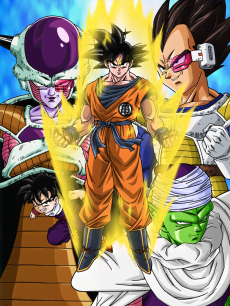
Amidst Neo-London’s flickering neon hellscape, X-COM: Apocalypse’s desperate tower defense against biomechanical horrors mirrors Dragon Ball Z Kai’s tightly paced Saiyan Saga—where Earth’s last stand unfolds in cramped city streets and fractured skyscrapers. Unlike most sci-fi adaptations, Kai strips away filler to amplify dystopian stakes: every energy blast risks collateral ruin, just as every alien incursion in Apocalypse escalates urban decay. Their shared 🌆 Cyberpunk & Dystopia isn’t backdrop—it’s pressure, tightening as humanity fights not for victory, but survival in collapsing megacities.

















































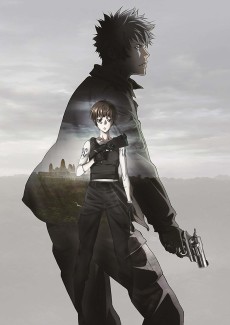

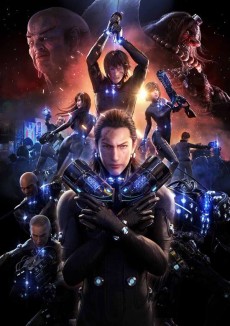


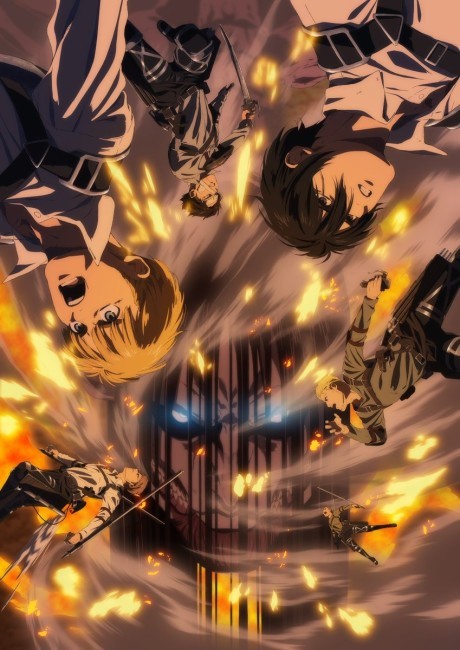

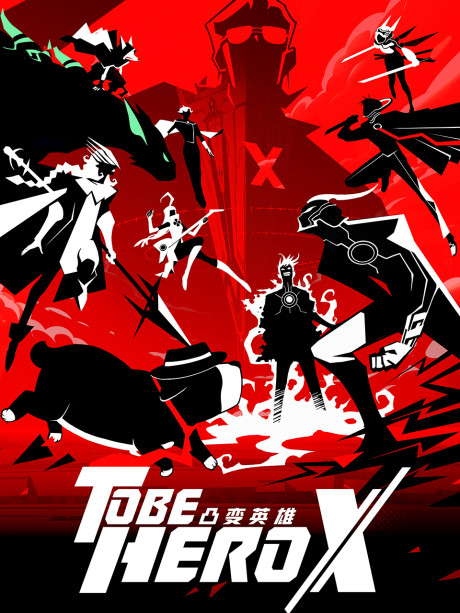






































Match Dimensions Explained
❓Frequently Asked Questions
Why is Fire Force Season 3 considered the top anime like X-COM: Apocalypse?
Because both drop you into a crumbling, hyper-dense megacity—Mega Primus in the game, Tokyo in Fire Force—where societal collapse and alien-tinged threats force desperate, squad-based survival. You’ll recognize the same gritty cyberpunk dread when Shinra’s team coordinates fire-based tactics in burning high-rises, mirroring how X-COM: Apocalypse forces real-time tactical decisions amid collapsing infrastructure and rogue AI systems.
Is there an anime adaptation of X-COM: Apocalypse?
No—there’s never been an official anime adaptation, and none are in development. But if you’re craving that exact vibe (dystopian megacity, tactical warfare against existential threats), Final Fantasy VII: Advent Children nails it: watch Cloud and co. fight Sephiroth’s biomechanical horrors across Midgar’s ruined upper plates and neon-drenched slums—just like X-COM’s turn-based skirmishes atop Mega Primus’ decaying arcology layers.
Fire Force vs. Summer Wars—which is better for X-COM: Apocalypse fans who love tactical teamwork under pressure?
Fire Force wins for pure tactical intensity—it’s all about coordinated fire squads executing precise, high-stakes maneuvers in collapsing buildings, just like X-COM’s grid-based cover system and environmental hazards (e.g., gas leaks, structural damage). Summer Wars leans more into digital-layer strategy with Kenji solving OZ crises in real time, which echoes X-COM’s dual-layer management (tactical + geoscape), but Fire Force mirrors the visceral, squad-level tension of holding a street corner against biomechanical cultists in Mega Primus.
What’s the best anime like X-COM: Apocalypse if I want that ‘2084 dystopian dread’ vibe with zero fantasy fluff?
Redline is your pick—it’s raw, grounded cyberpunk with no magic or angels, just chrome, speed, and societal decay in a city built on exploitation and surveillance, much like Mega Primus in 2084. The race through Roboworld’s brutalist megastructures and weaponized urban sprawl hits the same nerve as X-COM’s oppressive city maps where every alley hides ambushes and every district feels like a failing biome.