
To LOVE-Ru Darkness 2nd OVA
📺Anime Details
📝Editorial Analysis
The air in the bathhouse steam is thick—not just with heat, but with unspoken tension, the kind that hums when Rito Yuuki stands frozen mid-turn, towel slipping, as Momo Velia Deviluke steps out of the mist, her crimson hair damp and clinging, expression unreadable, eyes holding something older than Earth’s gravity. No dialogue. Just the drip of condensation off the tile, the faint metallic scent of alien alloy from her bracelet, and the quiet, terrifying intimacy of proximity that shouldn’t be possible—yet is, constantly, relentlessly, absurdly real.
That’s the core feeling of To LOVE-Ru Darkness 2nd OVA: not just ecchi spectacle, but emotional claustrophobia wrapped in cosmic whimsy. It’s the dissonance of a boy whose life is governed by alien biology, interstellar diplomacy, and hormonal panic—all unfolding inside the fluorescent-lit mundanity of a Japanese high school hallway. There’s no grand war, no apocalyptic countdown—just the slow, surreal erosion of boundaries: between species, consent, comedy, and quiet, aching vulnerability. You don’t laugh at the fanservice—you laugh because the sheer weight of unprocessed longing, miscommunication, and soft alien grief makes absurdity the only viable coping mechanism. It’s warm, yes—but also fragile, like holding a soap bubble filled with stardust.
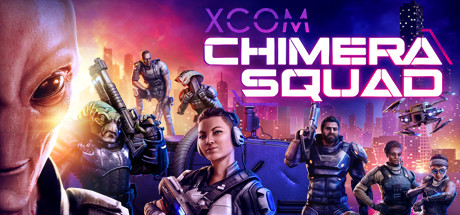
Which is why XCOM®: Chimera Squad lands with such uncanny resonance. Its description cites Sci-Fi & Space and JRPG Narrative—but what it shares with the OVA isn’t tactical grids or turn-based combat. It’s the same tonal tightrope: bureaucratic alien integration meetings held in rain-slicked city alleys, where a psychic Viper negotiates custody rights over a hybrid child while sipping lukewarm coffee, and a grizzled human detective tries (and fails) to file a proper incident report about interspecies emotional entanglement. The tension isn’t in saving Earth—it’s in keeping the peace between hearts, not armies. Player reviews don’t mention lore dumps; they talk about modding personalities, tweaking dialogue trees until a cold-blooded Sectoid finally admits, in a whisper, that she misses her homeworld’s monsoons. That’s the same quiet ache beneath Momo’s kuudere stillness—the sense that every smile hides light-years of loneliness.
Then there’s Space Empires IV Deluxe, described as a “grand strategy title in the space 4X genre”—explore, expand, exploit, exterminate. But read between the lines of that player review: “Great 4x game, runs on anything. Easy to mod…” That ease of modding isn’t just technical—it’s emotional permission. Like how To LOVE-Ru Darkness 2nd OVA lets you rewatch the pool scene twenty times, not for the splash, but for the micro-expression when Yami’s fingers brush Rito’s wrist—then pause, rewind, tweak the lighting in your head until the moment feels true. Both works invite obsessive, tender curation of small, meaningful interactions within vast, indifferent systems. The galaxy in Space Empires IV Deluxe isn’t just a map—it’s the backdrop for a thousand tiny, unrecorded diplomatic incidents: a smuggler’s daughter choosing which species’ lullaby to sing to her half-breed infant; a colony governor quietly overriding protocol to let two lovers from warring factions share a greenhouse. No one scores points for it. It just happens, softly, insistently—like Rito tripping into Lala’s lap again, and this time, no one laughs.
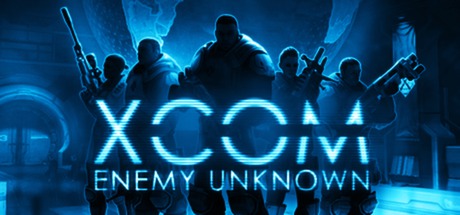
And XCOM: Enemy Unknown, scoring 72 on the same Sci-Fi & Space / JRPG Narrative axis? Its player reviews don’t praise its aliens—they praise its weight. The way a soldier’s name stays greyed-out after a mission, not because she died, but because she’s traumatized, refusing orders, staring blankly at the ceiling of the barracks. That’s the DNA shared with To LOVE-Ru Darkness 2nd OVA: the understanding that psychosexual isn’t about titillation—it’s about how desire reshapes identity under pressure. When Rito flinches from a touch he craves, when Akiho’s cheerful confidence cracks just once during a power outage—those aren’t plot devices. They’re symptoms, rendered with the same clinical care XCOM applies to PTSD mechanics. Both treat emotion as terrain to be mapped, not ignored.
This pairing isn’t for fans of “space battles” or “harem tropes.” It’s for the person who rewinds anime scenes to study eyelash tremors, who spends hours modding a 20-year-old strategy game to rename star systems after their childhood friends, who cries not at deaths—but at the quiet, unsaid things characters carry across light-years and locker-lined hallways. For the ones who know that the most alien thing in any universe isn’t tentacles or telepathy—it’s the terrifying, beautiful risk of letting someone see you unarmored, whether you’re standing in a steam-filled bathhouse or briefing a squad before a mission you’re not sure you’ll survive.
🎮13 Games That Match the Vibe



Match Dimensions Explained
❓Frequently Asked Questions
Why does XCOM: Enemy Unknown keep showing up in 'Games Like To LOVE-Ru Darkness 2nd OVA' lists when it’s a tactical shooter?
It’s all about the tonal whiplash and character-driven tension—like when Rito stumbles into a chaotic harem moment only to cut to Mio’s deadpan glare, XCOM delivers that same abrupt shift between quiet squad banter (e.g., Bradford’s dry briefing voice or the rookie’s nervous chatter) and sudden, high-stakes chaos (like the first Chryssalid ambush in the sewers). Both use serialized, choice-affected relationships—Rito’s evolving bonds with Yuki, Mio, or Haruna mirror how your soldiers’ bonds deepen (or fracture) after surviving missions together.
Is there a visual novel or dating sim adaptation of XCOM or Space Empires?
Nope—neither XCOM nor Space Empires has ever been adapted into a visual novel or dating sim. They’re strictly strategy-focused: XCOM: Enemy Unknown leans into squad-level tactics and permadeath consequences, while Space Empires IV Deluxe is pure 4X grand strategy with turn-based empire management, not dialogue trees or affection meters. If you’re craving LOVE-Ru’s romantic comedy pacing, you’ll need to look elsewhere—but the *narrative weight* of personal stakes in those games (like losing a soldier named ‘Rook’ who’d just unlocked ‘Squad Synergy’) hits similar emotional notes.
XCOM: Chimera Squad vs. The Bureau: XCOM Declassified—which one feels more like LOVE-Ru’s mix of action and awkward charm?
Chimera Squad wins for vibe-matching: its precinct-based hub lets characters like Verge (a sarcastic, coffee-chugging lizard-man) and Zephyr (a hyper-energetic, slightly oblivious cyborg) trade banter between missions—very much like Rito’s chaotic group chats with Haruna, Akiho, and Mea. The Bureau, meanwhile, leans hard into gritty 1960s spy thriller tone (think Agent Carter meets Men in Black), with zero harem-style miscommunication gags or blush-inducing accidental intimacy—so it’s closer to LOVE-Ru’s *sci-fi setup*, but none of its romantic-comedy heartbeat.
What’s the best game like To LOVE-Ru Darkness 2nd OVA if I want that ‘awkward but heartfelt’ mood with sci-fi flair?
XCOM®: Chimera Squad is your top pick—it nails the ‘awkward but heartfelt’ balance with its inter-species squad dynamics: imagine Verge grumbling about paperwork while Zephyr tries (and fails) to flirt with him mid-briefing, then them teaming up to take down a rogue psionic in a neon-lit nightclub—kinda like Rito trying to defuse a magical misunderstanding between Mio and Yuki, only with pulse rifles and alien bureaucracy. Its 80 Metacritic score reflects how well it blends JRPG-style character arcs (each agent has a unique origin story and loyalty mission) with the playful, grounded-yet-sci-fi energy LOVE-Ru fans love.