
Akudama Drive
Many years ago, a Great Civil War ravaged Japan, leaving the country fragmented between two regions: Kansai and Kanto. In Kansai, a group of six Akudama carry out missions given to them by a mysterious black cat, while evading the police. But a dangerous journey is about to unfold when a civilian girl becomes twisted into the Akudama’s way of life and witnesses their criminal drives.
(Source: Funimation)
Note: On May 28, 2021, a director's cut of the final episode was released which included approximately 5 minutes of new content.
📺Anime Details
📝Editorial Analysis
The neon bleeds—purple, electric blue, sickly green—across rain-slicked ferroconcrete as a civilian girl stumbles backward, her school uniform torn, breath ragged, watching the black cat vanish into static on a flickering billboard. Her reflection fractures in shattered glass beside a bloodstain that isn’t hers. That’s not the moment she becomes an Akudama. It’s the moment she stops believing in clean lines between innocent and guilty, between law and survival.
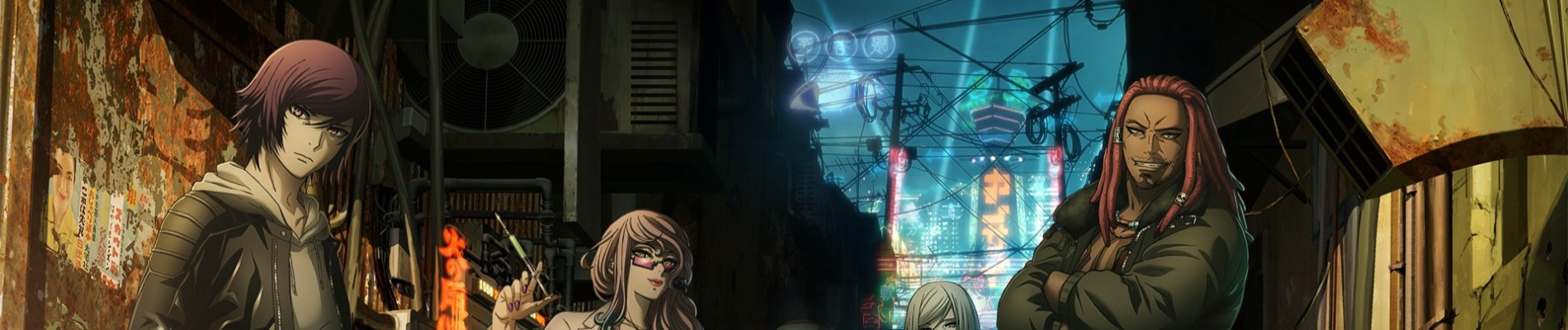
What Akudama Drive does with atmosphere isn’t worldbuilding—it’s sensory erosion. You don’t absorb Kansai’s dystopia; you inhale its exhaust fumes, taste its burnt sugar from street vendors operating under drone surveillance, feel the hum of malfunctioning transit rails vibrate up through your soles. There’s no exposition dump about the Great Civil War—just scarred architecture, rationed water dispensers, and police drones shaped like wasps that never blink. It makes you feel cornered, not by villains, but by systems so calcified they’ve stopped pretending to care who lives or dies. You think about how tragedy isn’t dramatic—it’s bureaucratic. How loyalty curdles when survival is transactional. How a person can hold both terror and exhilaration in the same pulse.
That emotional DNA pulses strongest in BioShock. Its description calls it “a shooter unlike any you’ve ever played”—and that’s true, but what mirrors Akudama Drive isn’t the plasmids or Big Daddies. It’s the way Rapture’s drowned opulence forces you to question every moral choice after the fact: you hear Atlas beg for help, then later hear recordings revealing he orchestrated your suffering. Like the civilian girl witnessing Akudama violence before understanding their fractured code, BioShock drops you into moral collapse mid-fall—and refuses to let you land safely. A player review nails it: “one of the most revolutionary games ever! genuinely changed the gaming world…” Not because of mechanics—but because it weaponized cognitive dissonance as narrative oxygen. Both demand you sit with the nausea of realizing your empathy has been designed to misfire.
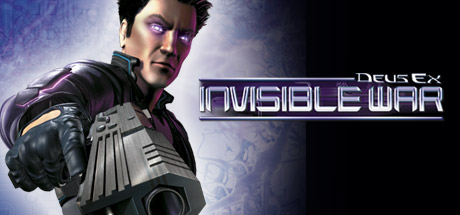
Then there’s Deus Ex: Game of the Year Edition, where the description sets 2052 as a world where “the gap between the insanely wealthy and the desperately poor grows ever wider.” That chasm isn’t background noise—it’s structural gravity. In Akudama Drive, Kansai’s glittering towers aren’t just set dressing; they’re literal cages suspended over slums where children trade data chips for protein paste. The game’s player review says it “gives you all options with one hit of the esc key”—and that’s the shared nerve: choice without safety. Every path in Deus Ex carries consequence weight, just as every Akudama mission forces alliances that rot from within. Neither offers catharsis—only calibration. You don’t win. You adjust your threshold for horror.
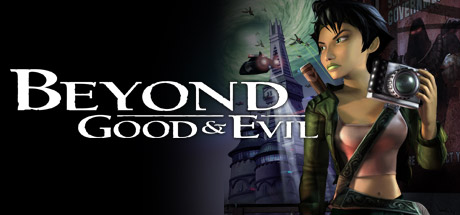
And Beyond Good and Evil, where you “play as Jade, a young investigative reporter, and expose a terrible government conspiracy.” Not a soldier. Not a chosen one. Just a woman with a camera, a pig companion, and mounting dread as propaganda blares from every screen. The anime’s civilian girl doesn’t wield a sword or a gun—she wields witness. Her horror isn’t at violence, but at recognition: seeing the Akudama’s rage as kin to her own suppressed fury at being erased by the system. A player review calls it “Crazyyy game!”—not for spectacle, but for how it makes quiet resistance feel urgent, even when you’re outnumbered, outgunned, and running low on batteries. That’s the exact frequency Akudama Drive hits when the girl finally grabs a dropped pistol—not to shoot, but to hold it like proof she’s no longer invisible.
This pairing isn’t for fans of “cool fights” or “neon aesthetics.” It’s for the person who watches a chase scene and notices the cracked tile on the alley wall, the way a character’s knuckles whiten before they pull the trigger, the silence after a scream cuts off—not because it’s gone, but because the city swallowed it whole. It’s for the player who reloads a save not to win, but to see if the same choice still hurts the second time. For those who crave stories where tragedy isn’t a plot point—it’s the air you breathe, the static in the signal, the unblinking eye of the black cat watching you decide, again, what kind of monster you’ll become to stay alive, not just alive—but seen.
🎮38 Games That Match the Vibe


























Match Dimensions Explained
❓Frequently Asked Questions
Why does Akudama Drive feel so much like BioShock’s Rapture but with anime chaos?
Because both dive deep into decaying, ideology-rotted cities where propaganda bleeds from every screen—Rapture’s underwater dystopia mirrors Kansai’s neon-drenched lawless zone, and characters like Sis and the Doctor echo BioShock’s Andrew Ryan and Atlas in their warped moral logic. The way Akudama Drive’s train heist unfolds—layered with betrayal, audio logs (like the ‘Akudama Files’), and environmental storytelling—mirrors BioShock’s iconic lighthouse descent and splicer-infested halls.
Is there an Akudama Drive game adaptation, or just the anime?
No official Akudama Drive video game exists—only the anime series. But if you loved its vibe, Deus Ex: Game of the Year Edition nails that same blend: a cyberpunk city choked by corporate oligarchs, hacking terminals mid-chase (like Cutie’s data-slicing), and moral choices that reshape your path—just like how Akudama Drive’s finale forces you to pick sides between order and anarchy.
How is Beyond Good and Evil different from Akudama Drive even though both have reporters and conspiracies?
Jade’s investigative calm and grounded stealth in Beyond Good and Evil contrasts sharply with Akudama Drive’s breakneck, stylized violence—think Jade scaling rooftops quietly vs. Swindler’s parkour-fueled, bullet-time escapes across collapsing bridges. Also, BG&E’s alien world (Hillys) uses satire and warmth amid its political thriller plot, while Akudama Drive leans into cold, neon-noir fatalism—closer to Deus Ex: Invisible War’s techno-nightmare than BG&E’s hopeful resistance.
What’s the best game like Akudama Drive if I want that ‘stylish, morally messy, neon-drenched heist’ vibe?
Deus Ex: Game of the Year Edition—it’s got the same razor-sharp political thriller tension, neon-noir lighting (especially in Hong Kong’s slums), and mission design where you can hack cameras, bribe guards, or go full Akudama with silenced pistols and takedowns. And just like how Akudama Drive’s ‘Executioner’ twist reframes everything, Deus Ex’s Paul Denton arc hits with that same gut-punch revelation about who’s really pulling strings.