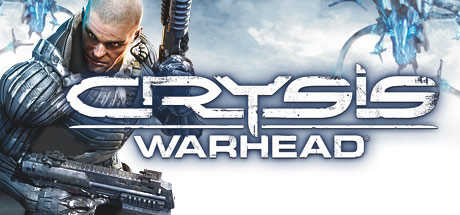
Crysis Warhead®
Pulse-racing new installment from 2007's PC Game of the Year*: Play as Sergeant Sykes and experience a whole new side of the battle. A standard combat mission behind enemy lines becomes critical when you discover your enemies have captured something of vital importance to the ensuing war.
🎮Game Details
💬What Players Say
"In case you haven't played, you aren't missing anything if you want more story/lore. But if you enjoyed Crysis 1 for its gameplay and want more, then definitely check it out. I mistakenly thought that Crysis Warhead is a sequel to the first Crysis, turns out it isn't...."
"9/10 graphics are still great and the FPS mechanics are awesome. Most of the limitations are from players not understanding how physics mechanics play with the game. For example, leaving the silencer on a weapon greatly reduces its range and the overall force that bullets are shot at, similar to IRL, but this means if you don't take off your silencer to do a fight you'll burn a lot of ammo...."
"the 'story' is absolute trash. the plot devices are imbecillic! and the REALLY poor game play, is cringe worthy!..."
📝Editorial Analysis
The jungle breathes—hot, wet, electric—and then silence. Not peace. Not calm. The kind of silence that hums just before a grenade detonates, right after you’ve crouched behind a shattered APC, nanosuit active, heart hammering against your ribs like it’s trying to punch out. That’s Crysis Warhead®: not the quiet before the storm, but the aftermath of one decision—Sergeant Sykes realizing, mid-firefight, that the “standard combat mission behind enemy lines” has just fractured into something vital, something that changes everything. It’s not lore-deep. It’s not narrative-rich. As one player bluntly put it: “the ‘story’ is absolute trash… plot devices are imbecillic!” Yet another insists the “FPS mechanics are awesome”, especially when you “understand how physics mechanics play with the game”—like leaving the silence of stealth only to trigger a chain reaction of collapsing concrete, ricocheting shrapnel, and AI scrambling in real time. That tension—between raw, unmediated physical consequence and story that barely holds itself together—is the game’s pulse.
What Crysis Warhead® makes you feel isn’t awe at worldbuilding or catharsis from character arcs. It’s immediacy. It’s the gut-lurch of jumping too far off a cliff and watching your suit strain—then catch—the gravity of your own momentum. It’s the frustration of running out of ammo in the initial couple of scenarios, then adapting, improvising, turning environment into weapon because the systems demand it—not because the script tells you to. There’s no handholding, no exposition dump, no emotional scaffolding. Just heat, weight, recoil, resistance. You don’t learn Sykes—you feel his exhaustion in the way your thumb drags across the controller when reloading under fire. This isn’t dystopia as setting—it’s dystopia as texture: humid, degraded, mechanically unforgiving, humming with unstable power.
That texture vibrates in sync with TRIGUN STAMPEDE, where neon bleeds into dust-choked ruins and Vash doesn’t save cities—he survives them, moment to moment, his body and tech pushed past rational limits in ways that feel physically consequential, not choreographed. Both share Cyberpunk & Dystopia, yes—but more crucially, they share the exhausted awe of systems straining: nanosuits glitching mid-leap, biomechanical limbs whining under torque. Then there’s Final Fantasy VII: Advent Children, where Midgar isn’t backdrop—it’s terrain with memory, its steel bones groaning under gravity-defying combat. Its Tactical Warfare dimension isn’t about squad commands; it’s about reading angles, timing dodges, feeling the heft of each blow—just like knowing when to drop a jeep on three hostiles instead of wasting ammo. And Redline—oh, Redline—where speed isn’t spectacle, it’s physics made visceral: tires screaming, chassis buckling, light bending wrong around corners, all rendered in a Sci-Fi & Space palette that feels less like future and more like overheated present. No exposition. No pause. Just velocity, consequence, and the burn of pushing past redline.
This pairing isn’t for lore hunters or narrative completists. It’s for the player who replays the same jungle ambush five times just to see if they can flip a tank onto a sniper nest without touching the ground. It’s for the viewer who rewinds Advent Children’s Sector 5 fight not for Cloud’s face, but for the way the rubble settles after his kick hits. It’s for people who love weight, who crave resistance, who find poetry in the crunch of metal on metal, the hiss of overheating circuits, the stagger of a body moving faster than its joints were meant to bear. They don’t need meaning handed to them—they extract it from friction, from failure, from the sheer effort of staying upright in a world that refuses to hold still. That’s where Crysis Warhead® lives. That’s where these anime breathe. Not in the grand design—but in the grit under the fingernails, the heat in the suit, the silence right before everything breaks.
→125 Anime That Match the Vibe

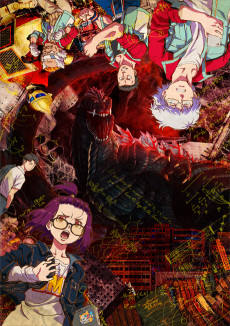
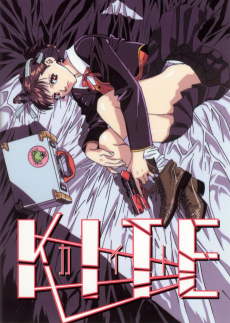
Sykes’ helmet HUD flickering amid neon-drenched ruins in Crysis Warhead mirrors Meryl’s first night patrol through the rain-slicked, hologram-lit alleys of July City—both worlds breathe **Neon Noir** with equal grit and melancholy. Unlike most sci-fi action, neither flinches from showing how tactical warfare fractures idealism: Sykes’ escalating moral compromises echo Vash’s quiet exhaustion beneath his grin in TRIGUN STAMPEDE’s Episode 7 hospital scene. That shared tension—between dazzling tech and human fragility—makes their resonance unexpectedly poignant.

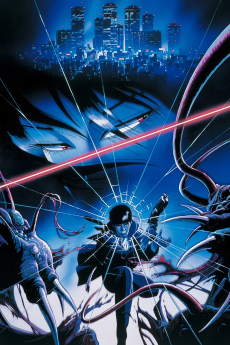
Sykes’ armored sprint through collapsing North Korean bunkers mirrors Cloud’s desperate lunge across Midgar’s rain-lashed highway—both moments fuse tactical warfare with raw, human vulnerability against overwhelming systems. Unlike most sci-fi spectacles, *Warhead* and *Advent Children* weaponize cyberpunk & dystopia not for style alone, but to frame trauma as architecture: decaying cities become literal extensions of wounded psyches. That shared tension—between hyper-advanced tech and fragile bodies—is what makes their resonance so visceral, and unexpectedly intimate.

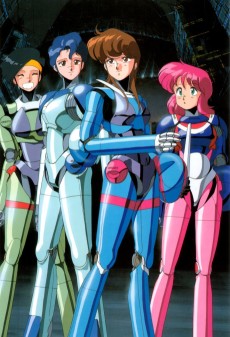
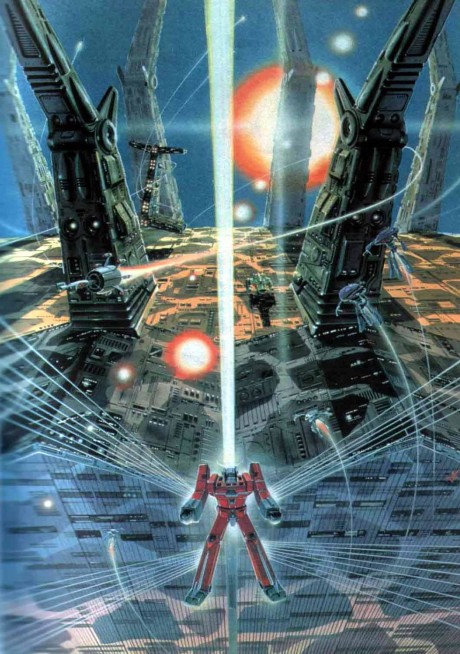
JP’s neon-drenched, gravity-defying drift through Roboworld’s collapsing orbital track mirrors Sykes’ sprint across a crumbling alien warship—both hurtling through chaos where cyberpunk grit meets cosmic scale. Unlike most sci-fi action, neither flinches from tactile physics: Redline’s hand-drawn tire smoke and Crysis Warhead’s destructible nanosuit feedback ground their spectacle in visceral cause-and-effect. That shared commitment to *cyberpunk & dystopia* as lived-in, sweat-and-static reality—not just backdrop—makes their adrenaline feel earned, not engineered.

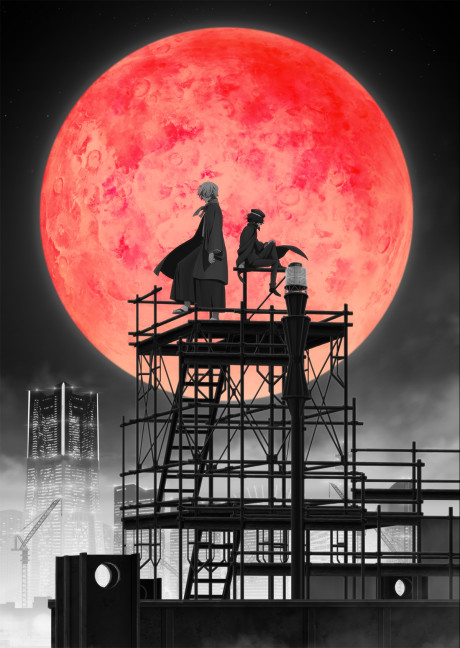
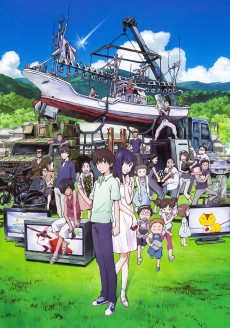
Sergeant Sykes sprinting through a collapsing, neon-drenched Pyongyang under orbital bombardment mirrors Kazane Hiyori’s desperate flight across a fractured, clockwork-scarred sky in *The Angeloid of Clockwork*—both trapped in moments where cyberpunk & dystopia curdle into existential vertigo. Unlike most sci-fi pairings, neither work treats technology as backdrop; instead, their shared 🌆 Cyberpunk & Dystopia dimension weaponizes decay—Sykes’ nanosuit glitches amid ruined infrastructure just as Kazane’s mechanical wings splinter under divine paradox. That collision of hyper-physical action and fragile humanity makes the resonance startlingly intimate, not just spectacular.

Connected through 2 aesthetic dimensions.
Connected through 2 aesthetic dimensions.
Connected through 3 aesthetic dimensions.
Connected through 3 aesthetic dimensions.

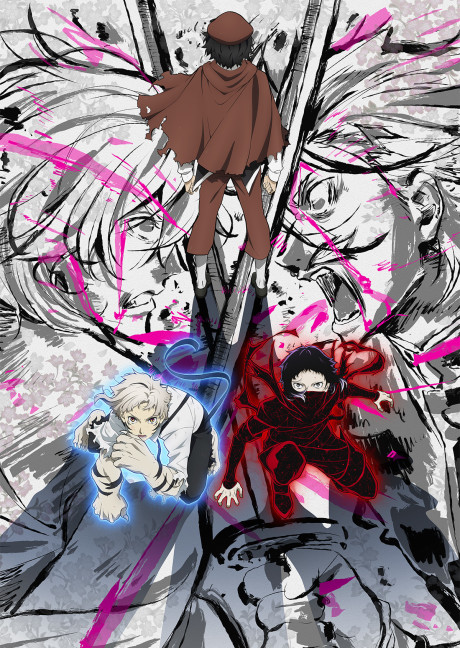
Spike Spiegel’s weary gaze across Mars’ neon-drenched alleys mirrors Sergeant Sykes’ solitary sprint through Warhead’s rain-slicked, cybernetically scarred jungle—both men move through worlds where 🌃 Neon Noir bleeds into tactical exhaustion. Unlike most sci-fi action, neither work romanticizes war or bounty hunting; instead, they anchor spectacle in consequence—Sykes’ EMP blast shatters enemy tech *and* his own comms, just as Spike’s “Boogie Woogie Feng Shui” duel ends not in triumph but quiet, hollow silence. That shared refusal to separate 🎯 Tactical Warfare from human fragility makes their resonance startlingly intimate.

Connected through 4 aesthetic dimensions.
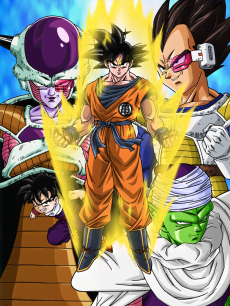

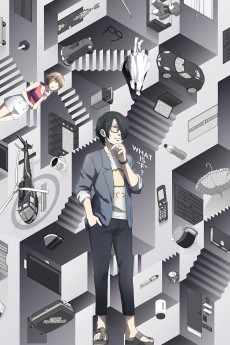



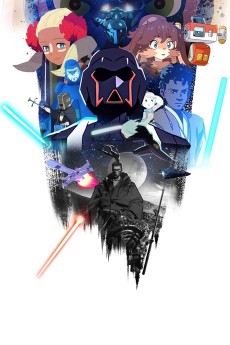





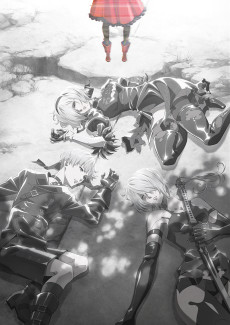




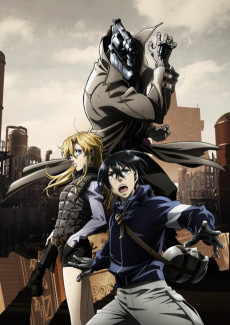
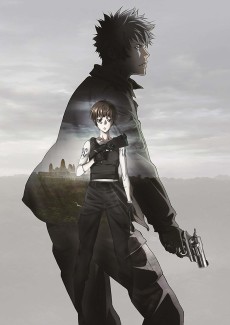

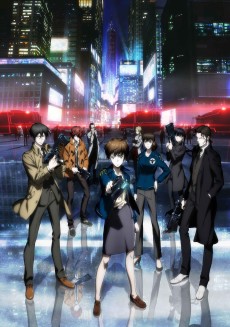

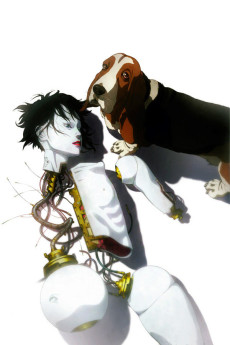







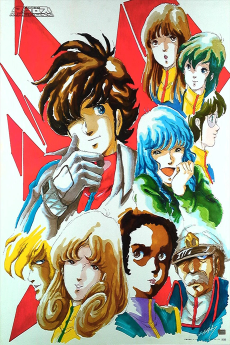

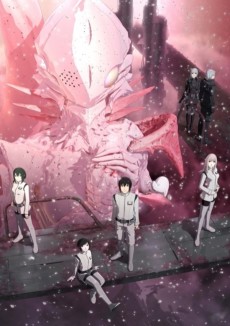



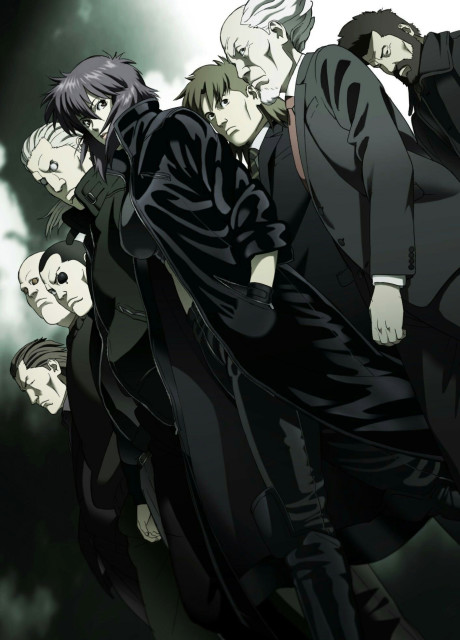







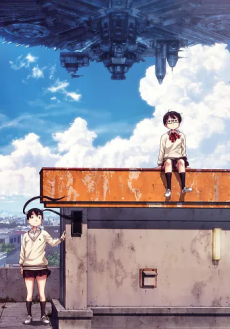




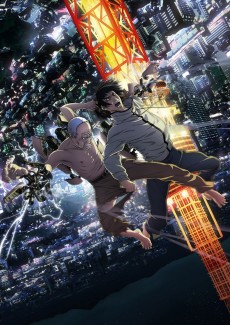









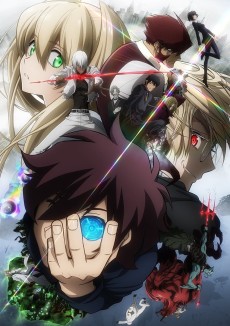


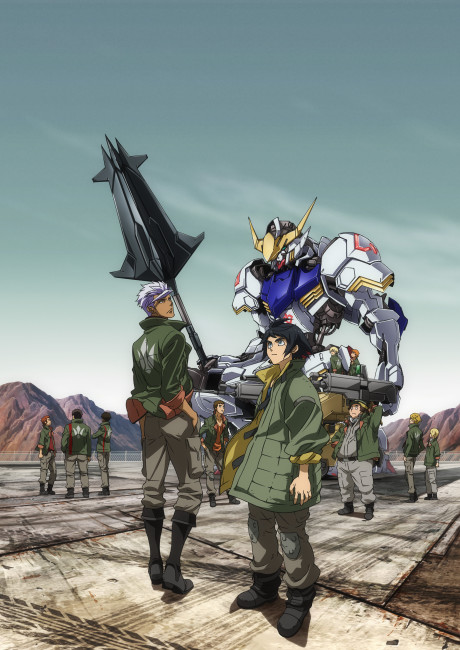

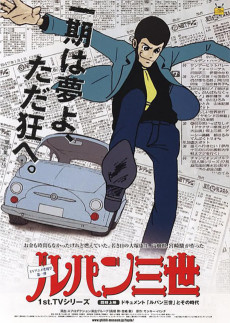






























Match Dimensions Explained
❓Frequently Asked Questions
Why does TRIGUN STAMPEDE keep popping up in 'Anime Like Crysis Warhead®' lists?
Because both lean hard into high-stakes tactical warfare in a crumbling, neon-drenched dystopia—like Sykes navigating ruined urban zones with adaptive stealth and physics-based cover, Vash does the same in STAMPEDE’s desert cities using reactive environmental destruction and split-second evasion. That ‘pulse-racing’ tension during Sykes’ silent takedowns? It’s mirrored in Vash’s gravity-defying gunplay against biomechanical enemies in Episode 12’s Neo-Liberty raid.
Is there an anime adaptation of Crysis Warhead®?
No—there’s never been an official anime adaptation of Crysis Warhead® (or any Crysis title). The matches you see—like Final Fantasy VII: Advent Children or Redline—are *thematic* parallels, not adaptations. FFVII:AC hits that same 'tactical warfare in a sci-fi dystopia' vibe: think Sephiroth’s aerial combat vs. Sykes’ nanosuit-enhanced vertical assaults on enemy spires in the Siberian facility level.
How does Final Fantasy VII: Advent Children compare to TRIGUN STAMPEDE for Crysis Warhead® fans?
FFVII:AC leans harder into cinematic, large-scale tactical warfare—like the Midgar highway battle where Cloud coordinates real-time flanking maneuvers while dodging energy projectiles—very much like Sykes calling in orbital strikes while juking behind collapsing concrete. TRIGUN STAMPEDE trades that for faster-paced, physics-aware chaos (e.g., Vash ricocheting bullets off glass towers), closer to Warhead’s emergent combat where player physics interact with debris and terrain.
What’s the best anime like Crysis Warhead® if I just want that intense, isolated soldier-in-the-ruins vibe?
The Perfect Insider—it’s got that grim, rain-slicked cyberpunk isolation: protagonist Shiki spends half the series alone in decaying server farms and abandoned labs, piecing together threats no one else believes in, just like Sykes realizing *alone* in the Siberian snow that his enemies have captured something vital. The neon-noir lighting, oppressive silence between action bursts, and morally gray intel-gathering hit the exact same nerve as Warhead’s most atmospheric stealth sequences.