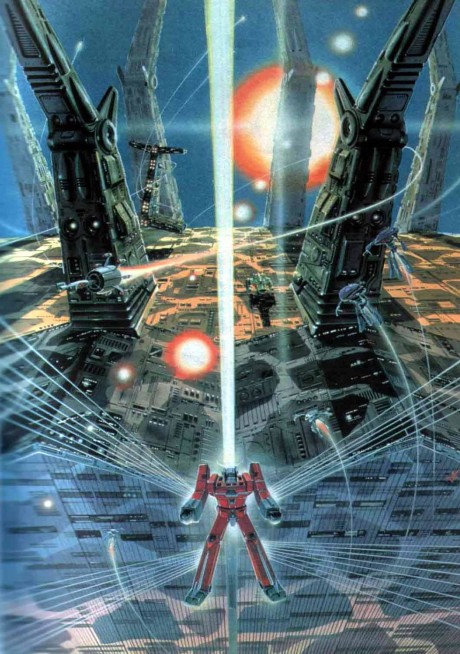
The Ideon: Be Invoked
The epic conclusion to the Ideon saga, featuring what was meant to be the final 5 episodes of the TV series. The Solo Ship and its crew continue their intense battle with the Buff Clan leading to a final battle that will determine the fate of all life in the universe.
This movie features the last episode of the TV series Space Runaway Ideon (39), and four more episodes (40-43) that were meant to air on TV, but never did since the show was cancelled.
This movie was the second part of a double feature along with "The Ideon: A Contact".
(Source: Anime News Network)
📺Anime Details
📝Editorial Analysis
The Solo Ship shudders—not from impact, but from silence. Not the quiet of vacuum, but the hollow, breathless pause after a child’s voice cuts off mid-sentence over the comms. Then the Ideon’s beam ignites—not as triumph, but as erasure. Light swallows stars, then planets, then time itself. No fanfare. No score swelling. Just white, and the low, guttural groan of metal dissolving into quantum foam. That’s not spectacle. That’s grief made physics.
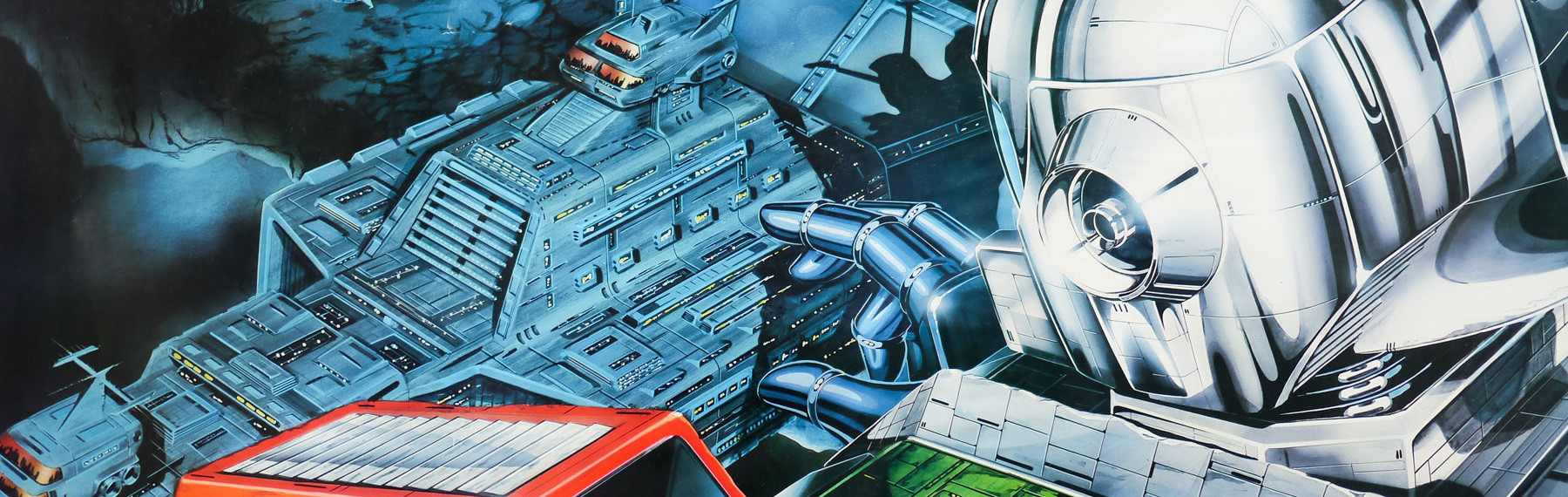
The Ideon: Be Invoked doesn’t trade in heroism—it trades in consequence. Its atmosphere isn’t built on scale alone, but on the unbearable weight of escalation: every tactical retreat deepens the wound; every weapon fired tightens the noose; every alien encounter strips away another layer of human certainty—not just about survival, but about meaning. This is cosmic horror dressed in real-robot pragmatism: cockpits sweat, ammo counters blink red, and the Buff Clan don’t monologue—they calculate, coldly, relentlessly, like entropy given armor plating. You don’t feel empowered watching it. You feel exposed. Like the universe isn’t indifferent—it’s attentive, and its attention is terminal. There’s no catharsis in victory, only exhaustion in continuation—until even continuation becomes impossible. That’s the ache: the slow, irreversible realization that some doors, once opened, cannot be closed—even by gods.
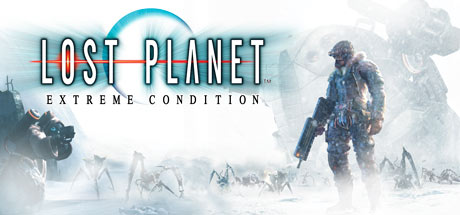
Lost Planet™: Extreme Condition lands with that same frozen dread. Its description nails it: “Driven to the brink of extinction on ice-covered wastelands, humankind fights to survive.” Not to win. Not to reclaim. To survive. The Akrid aren’t villains—they’re forces, vast and incomprehensible, like the Buff Clan’s sheer logistical inevitability. A player review laments Capcom’s failure to fix Colonies Edition—a detail that echoes The Ideon: Be Invoked’s own truncated fate: both are artifacts of systems collapsing under their own weight, unfinished not by choice, but by exhaustion. That shared sense of being abandoned mid-collapse, of fighting in a war where the map keeps shrinking and the rules keep changing—that’s the emotional resonance. Not hope. Not defiance. Just boots crunching on ice, knowing the next storm won’t care if you’re ready.
Supreme Commander mirrors the anime’s structural despair. Its description frames “The Infinite War”—a conflict with no origin, no compromise, no end. “There can be no room for compromise: their way is the only way.” Sound familiar? The Buff Clan doesn’t negotiate. Neither do the three factions here. A player review praises how “the scale of the battles” feels different: not frantic, but geologic. You watch titans move across continents, resources bleed dry, entire armies vanish in strategic attrition—not because of bad tactics, but because the war consumes intention itself. Like The Ideon: Be Invoked, this isn’t about winning a battle. It’s about witnessing how ideology, once scaled to galactic proportions, stops resembling belief and starts resembling gravity—inescapable, impersonal, crushing.
And then there’s Mr. Robot, buried in the data like a forgotten log entry: “Asimov is a lowly service mechanoid aboard the interstellar colony ship Eidolon… When the Eidolon’s computer brain malfunctions…” That name—Eidolon—isn’t coincidence. It’s Greek for “phantom,” “illusion,” “apparition.” The Solo Ship is also an eidolon: a vessel carrying fragile, flickering humanity toward something it cannot comprehend—and cannot control. The player review calls it “retro” and notes its “light Mega Man Battle Network type exploration,” but what matters is the setup: a broken AI, frozen colonists, a mission derailed not by malice, but by system failure. That’s the core trauma of The Ideon: Be Invoked—not evil aliens, but broken protocols, misaligned directives, and the horrifying banality of extinction when the failsafes fail.
This pairing isn’t for the escapist who wants power fantasies or tidy endings. It’s for the one who watches a mecha’s cockpit lights flicker and feels their own pulse sync to the failing reactor. For the player who pauses mid-battle in Supreme Commander, not to strategize, but to stare at the burning horizon and wonder what “victory” even means when the sky is full of ash. For the person who reads “Eidolon” and doesn’t think “ship”—they think ghost, and they nod, slowly, because they know ghosts don’t haunt houses. They haunt intentions. And sometimes, the most devastating thing isn’t that the universe hates you—it’s that it forgets you ever mattered. That’s the shared breath between these works: thin, cold, and utterly, devastatingly real.
🎮50 Games That Match the Vibe

Match Dimensions Explained
❓Frequently Asked Questions
Why does Mr. Robot feel so much like The Ideon: Be Invoked despite being a retro platformer?
It’s all about that lonely mechanoid protagonist—Asimov—aboard the colony ship Eidolon, wrestling with malfunctioning AI and existential stakes just like Ideon’s crew. The light Mega Man Battle Network–style exploration and turn-based battles echo Ideon’s blend of intimate character drama and high-stakes mecha sci-fi, especially in scenes where Asimov uncovers buried ship logs or confronts corrupted systems alone.
Is there an anime or live-action adaptation of The Ideon: Be Invoked?
No—there isn’t. The Ideon franchise itself only has the original 1980 anime series and the 1982 film *The Ideon: A Contact*, but *Be Invoked* is a modern fan-made spiritual successor concept, not an official adaptation. That said, games like *Mr. Robot* and *Lost Planet™: Extreme Condition* channel its tone: think Asimov’s quiet dread aboard the Eidolon mirroring Solo’s isolation in Ideon’s cockpit, or the Akrid’s grotesque scale echoing Ideon’s godlike, destructive power.
How does Lost Planet™: Extreme Condition compare to Supreme Commander for Ideon fans?
If you love Ideon’s raw, desperate mecha combat against overwhelming alien forces, *Lost Planet* hits harder with visceral third-person action—like battling a towering Akrid on frozen tundra while your Thermal Energy gauge ticks down. *Supreme Commander*, by contrast, delivers Ideon’s epic scale and ideological warfare through RTS grandeur: commanding titanic experimental units across continents, where every battle feels like the Infinite War’s crushing weight—not personal survival, but species-level consequence.
What’s the best game like The Ideon: Be Invoked if I want that melancholy, isolated space-ship vibe?
Go straight to *Mr. Robot*. Asimov’s quiet, methodical routine aboard the Eidolon—repairing corridors, decoding fragmented logs, facing off against malfunctioning security bots—nails that haunting, introspective loneliness. It’s not flashy like *Tribes: Ascend* or sprawling like *Supreme Commander*; it’s just you, a flickering terminal, and the slow dawning that the ship’s ‘brain’ isn’t broken—it’s evolving… and watching you.