
Advent Rising
A common legend pervades the galaxy-that of a powerful, highly intelligent ancient race that will one day deliver the universe. They are known as Humans. The Advent of Humanity Begins...
🎮Game Details
💬What Players Say
"I bought this game thinking it would be a nice nostalgia trip from my child hood but that quickly wore off a couple hours in, when this game first came out it was touted as a "Halo killer" that couldn't be the farthest thing from the truth. The graphics are subpar even for 2005, the story is lack luster and not all there with huge inconsistencies and plot holes, the pc port controls are absolutely atrocious, the sounds design while good can be easily broken, and the list goes on. It really begins to show its age and lack of polish and concise direction from the developers the more you play, being soft locked out of certain points in a mission that are required to progress the game becomes a consistent problem and very game breaking...."
📝Editorial Analysis
The cockpit shudders—not from impact, but from weight. You’re strapped in, staring at a starfield that doesn’t glitter; it presses, dense and ancient, while a voice—calm, weary, almost reverent—says: “A common legend pervades the galaxy—that of a powerful, highly intelligent ancient race that will one day deliver the universe. They are known as Humans. The Advent of Humanity Begins…” That line isn’t prophecy. It’s burden. It lands like gravity welling up from your sternum. And then, hours later, the nostalgia cracks: “I bought this game thinking it would be a nice nostalgia trip from my child hood but that quickly wore off…” — not because it’s bad, but because it refuses to let you rest in comfort. It asks you to hold cosmic scale and human fragility in the same breath.
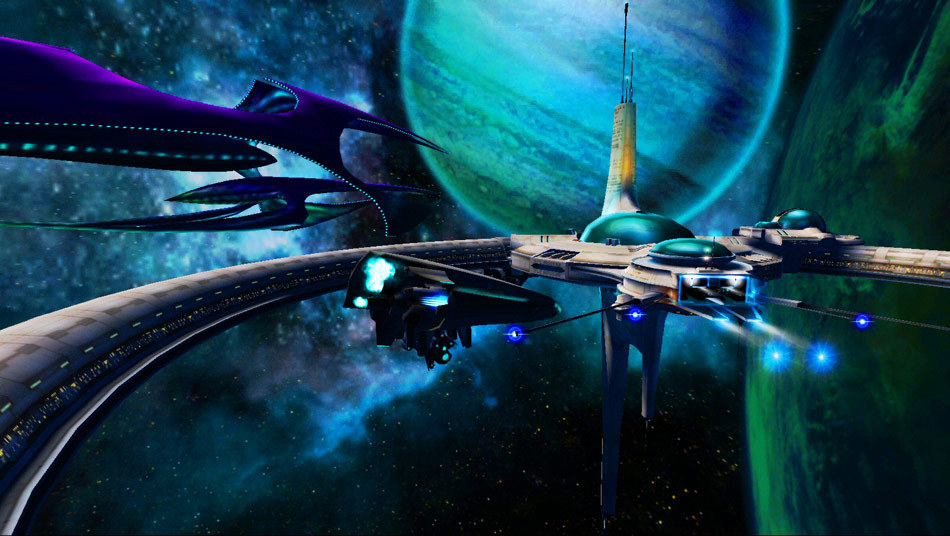
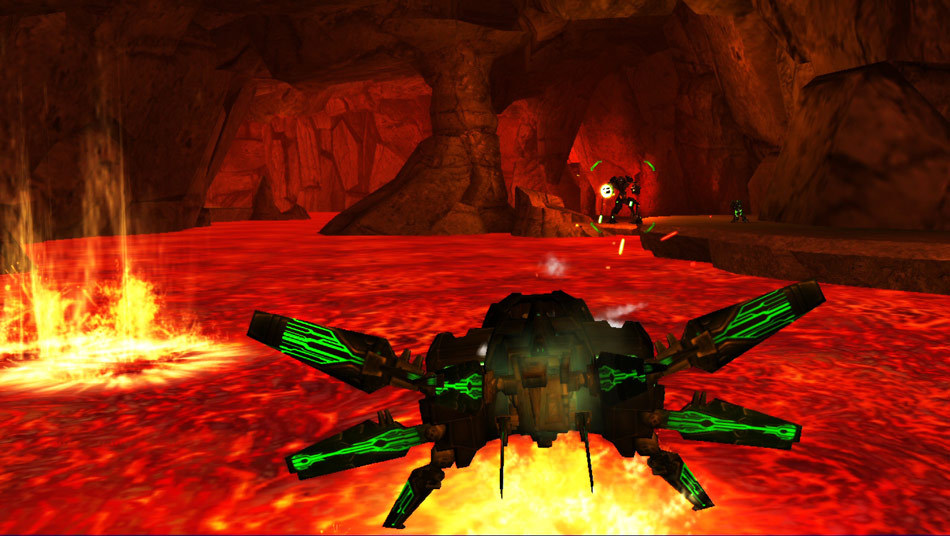
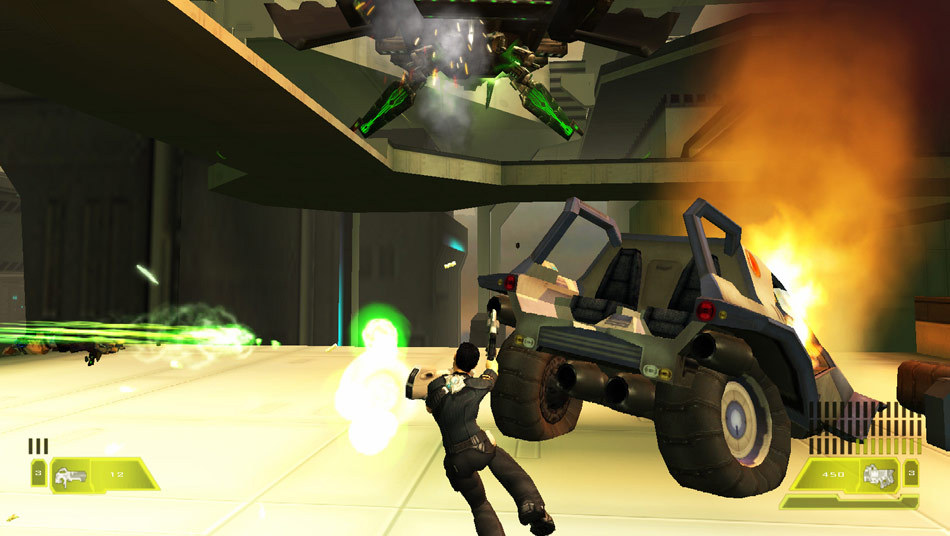
What makes Advent Rising’s atmosphere singular isn’t its sci-fi trappings or third-person shooter mechanics—it’s the gravitas of arrival. Not conquest. Not exploration. Arrival: the moment a species realizes it isn’t just surviving the void, but carrying it—memory, consequence, legacy—inside its bones. There’s no triumphant fanfare when you pilot that ship; there’s silence between commands, long glides past derelict megastructures older than language, and dialogue that treats “Humanity” like a title earned through sacrifice, not inherited by biology. It makes you feel small, yes—but also charged, like static before lightning. You think about time not as linear progress but as sedimentary layers: civilizations buried under their own myths, legends calcifying into dogma, and humans—suddenly, terrifyingly—stepping into the role of myth-makers and myth. That duality—awe and dread, purpose and isolation—is the game’s quiet pulse.
That emotional resonance flickers strongest in Planetes, where every micrometeorite strike on a repair shuttle carries existential weight—not because it threatens Earth, but because it threatens continuity. Like Advent Rising, it treats space not as frontier but as archive: orbital debris is fossilized history; salvage ops are archaeology. Both fixate on what gets left behind when civilizations ascend—and who bears the cost. Then there’s Gunbuster, whose tactical warfare isn’t about firepower but sacrificial geometry: trajectories calculated across decades, crews aging in real-time while light-years stretch between decisions and consequences. Its battles feel less like combat and more like rituals of endurance, mirroring Advent Rising’s slow, deliberate pacing—where dodging feels like prayer, and targeting feels like confession. And Space Brothers, with its adult & dark seinen texture, shares that same hushed reverence for competence: characters don’t shout breakthroughs—they whisper them over coffee, eyes tired, hands steady, knowing each small step toward Mars is a defiance of entropy itself. No grand speeches, just the hum of life support and the weight of a helmet seal clicking shut.
This pairing isn’t for fans of slick spectacle or effortless heroism. It’s for the person who rewatched Gunbuster’s final act not for the mecha clash, but for the way Noriko’s breath fogs the viewport as she counts down alone. It’s for the viewer who paused Planetes mid-episode—not to check Twitter, but to stare at the screen’s blackness after a silent shot of Earth rising over the moon’s gray curve, feeling that familiar, aching fullness in their throat. It’s for the player who didn’t rage-quit Advent Rising when the controls felt sluggish, but leaned in closer, because slowness meant something here—it meant attention, meant consequence, meant care. These works speak to those who find wonder not in domination, but in stewardship: who understand that saving the universe isn’t about firing the biggest gun, but about remembering how to breathe in the dark, how to trust the person beside you in zero-G, how to say “we begin” not with a roar, but with a breath held—trembling, holy, true.
→29 Anime That Match the Vibe

Connected through 3 aesthetic dimensions.

Where *Advent Rising*’s galactic-scale dread—like the silent, crumbling ruins of the Matriarch’s tomb—meets *Planetes*’s quiet horror of orbital debris striking a maintenance pod, 🚀 Sci-Fi & Space becomes visceral, not spectacle. Unlike most space operas, both ground cosmic stakes in human fragility: Ginko’s trembling hands repairing a micrometeoroid breach mirror the player’s desperate last stand aboard the *Starkiller*, all under 🖤 Adult & Dark Seinen’s unflinching gaze. That resonance isn’t about scale—it’s how both treat space as indifferent, intimate, and lethally real.

Connected through 3 aesthetic dimensions.

Where *Advent Rising*’s opening cutscene shows humanity’s fleet emerging from warp as mythic saviors, *To Love Ru Darkness 2nd Specials* subverts that grandeur with Rito Yuuki fumbling mid-battle while Momo’s tactical AI glitches into flirtatious mode. Both weaponize 🚀 Sci-Fi & Space not for awe alone—but to frame intimacy and absurdity within galactic stakes. That collision of cosmic scale and human frailty makes their resonance startlingly sincere, not just tonally adjacent.

Awe curdles into dread when *Gunbuster*’s Noriko stares down the colossal, biomechanical alien fleet—mirroring *Advent Rising*’s opening reveal of humanity as the galaxy’s mythic, feared “Advent.” Where *Gunbuster* frames interstellar warfare through claustrophobic cockpit tension and relativistic time grief, *Advent Rising* escalates that same **Tactical Warfare** urgency with squad-based space combat against insectoid hordes bent on human extinction. Their resonance isn’t in scale alone, but in how both treat humanity’s first cosmic steps as terrifyingly sacred—and violently contested.

A shattered orbital defense platform drifts past Earth in *Advent Rising*’s opening cinematic—just as Season 2 of *World Trigger* escalates with Border’s desperate, real-time tactical redeployments against Neighbors breaching the Shibuya Gate. 🚀 Sci-Fi & Space isn’t just backdrop here; it’s contested terrain where human ingenuity faces incomprehensible scale. Unlike most space operas, both anchor cosmic stakes in grounded command decisions—Osamu’s rapid-fire threat assessments mirror Gideon’s squad-level coordination amid collapsing fleet formations—making their resonance startlingly intimate despite galactic scope.
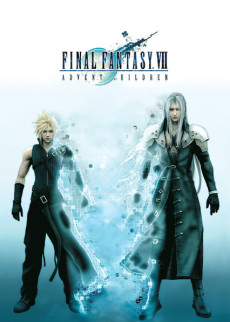
A shattered Midgar skyline—cracked by Geo-stigma’s blight—mirrors the fractured starships of *Advent Rising*’s opening assault, where tactical warfare erupts across zero-gravity corridors and orbital debris fields. Unlike most sci-fi epics, neither work treats space as backdrop; instead, 🚀 Sci-Fi & Space is visceral terrain—gravity wells dictate combat flow in *Advent Rising*, while *Advent Children*’s aerial duels over ruined plateaus weaponize planetary scale itself. That shared insistence on physics-as-character makes their resonance startlingly physical, not just thematic.

Connected through 2 aesthetic dimensions.
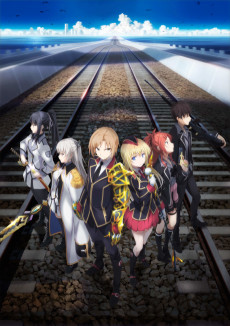
Connected through 2 aesthetic dimensions.
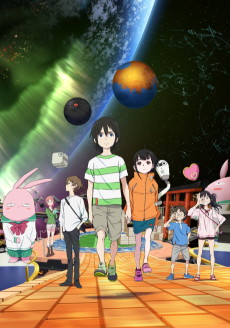
Connected through 2 aesthetic dimensions.


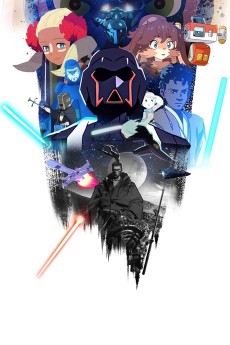
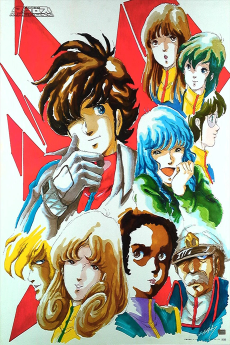










Match Dimensions Explained
❓Frequently Asked Questions
Why is Planetes recommended for fans of Advent Rising?
Because both dive deep into the gritty, grounded reality of spacefaring humanity—Planetes nails that same 'adult sci-fi' vibe with its focus on orbital debris cleanup, moral ambiguity, and quiet character moments like Hachirota’s crisis after the EVA accident. Just like Advent Rising’s lore treats humans as mythic yet flawed architects of galactic destiny, Planetes frames space exploration as equal parts wonder and weariness.
Is there an anime adaptation of Advent Rising?
Nope—Advent Rising never got an anime adaptation, and it’s unlikely now. But if you’re craving that same blend of tactical space combat and existential human mythology, Gunbuster delivers hard: think the climactic black hole sequence where Noriko pushes Buster Machine Sigma beyond limits, mirroring Advent Rising’s ‘Humanity as ancient weapon’ theme and zero-G dogfights.
How does Space Brothers compare to Advent Rising in tone and themes?
Space Brothers is way more grounded and hopeful—no alien invasions or ancient-human prophecies—but it shares Advent Rising’s core reverence for space as a stage for human growth. You’ll feel that same weight in scenes like Mutta’s silent tear during his first solo rocket test, echoing how Advent Rising frames humanity’s potential not as conquest, but quiet, earned responsibility across the stars.
What’s the best anime like Advent Rising if I want tactical space combat + adult stakes?
World Trigger 2nd Season—it’s your pick. The Border’s layered defense strategies against Neighbors mirror Advent Rising’s squad-based ship tactics, especially in the Ubusunakami arc where Yuma deploys Trion-powered spatial traps mid-battle. Plus, both treat ‘humanity’s role in the cosmos’ seriously—no fanservice detours, just tense, physics-aware warfare and moral cost.