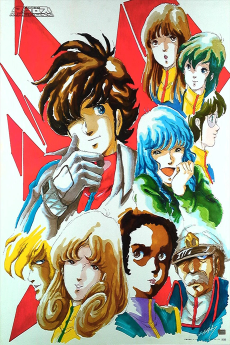
Macross
In 1999, a giant alien spacecraft crash lands on South Ataria island. Humanity proceeds to attempt to rebuild this marvel, but political conflicts centered around the Macross result in a global war. After 10 years, the Unification Wars are finally over, the new Earth United Nations Government is in power, and work on the Macross is complete.
On the day of the launching ceremony, its main cannon fires on its own, destroying an alien spacecraft. This fateful day marks the beginning of the war between the humans on the Macross and the Zentradi, a race of humanoid aliens of giant proportions.
(Source: AnimEigo)
📺Anime Details
📝Editorial Analysis
The smell of salt and ozone hangs thick in the air as the Macross’s main cannon fires—not on an enemy, but on the sky itself. That single, deafening blast shatters the launching ceremony, vaporizes an alien ship mid-orbit, and rips open a war that will swallow decades whole. No warning. No fanfare. Just light, heat, and the sudden, gut-punch realization: humanity is not alone—and it is not ready.
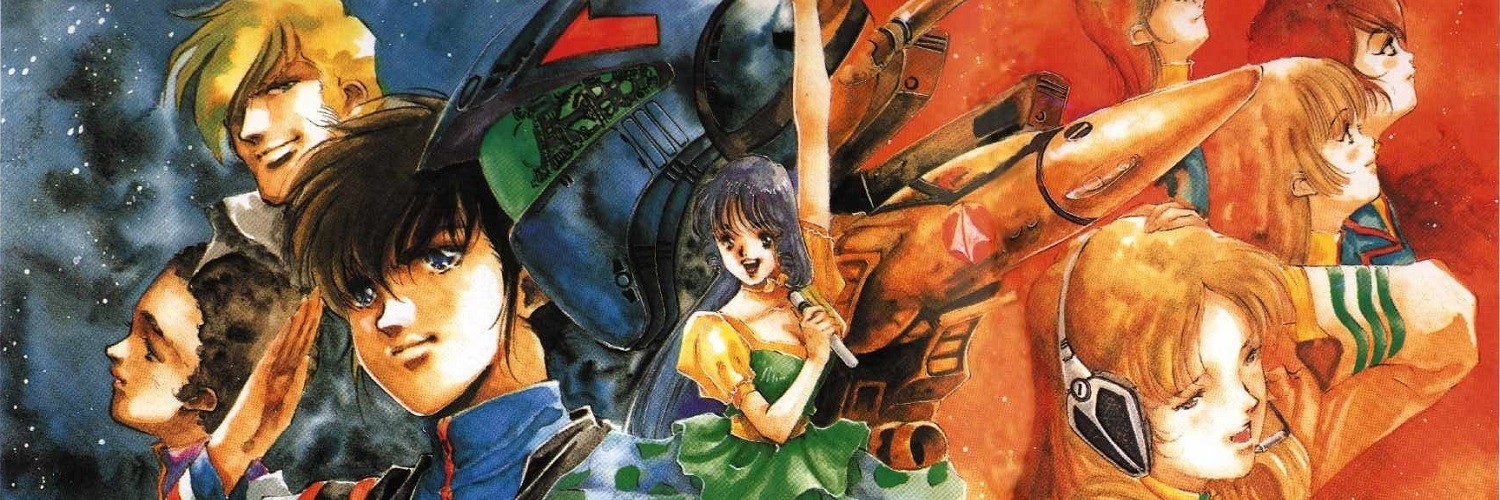
That moment isn’t just spectacle. It’s the emotional core of Macross: a world where love songs echo across battlefields, where a pop idol’s voice can scramble alien sensors and mend fractured hearts, where military discipline collides with teenage longing so violently it reshapes civilization. This isn’t space opera as grand spectacle—it’s space opera as intimacy under pressure. You feel the weight of helmets tightening during briefings, the tremor in a singer’s hands before a live broadcast, the quiet dread of choosing between duty and the person standing beside you in the mess hall. It makes you think about how fragile meaning is—how quickly a shared melody becomes a lifeline, how fast a love triangle becomes a geopolitical fault line. It’s tender, terrifying, and inescapably human—not because it avoids war or ideology, but because it insists those things are lived through breath, voice, hesitation.
Mass Effect (2007) shares that same emotional gravity. Its description calls it “a heroic, action-packed adventure throughout the galaxy”—but the player review cuts deeper: “None of the follow-ups really captured what this game did.” That’s the key. Like Macross, the first Mass Effect grounds cosmic stakes in granular, personal resonance—the way Shepard’s loyalty missions aren’t just fetch quests, but slow-burn reckonings with trauma, identity, and sacrifice. The romance options aren’t checkboxes; they’re conversations that accumulate like breath held too long. Both works treat interstellar conflict as a crucible for intimacy—not in spite of the war, but because of it. When Joker cracks a joke over comms while the Normandy shakes from impact, or when Lynn Minmay sings “My Boyfriend Is a Pilot” over static-laced radio waves, it’s the same ache: we are small, we are scared, and yet—we choose to be soft here.
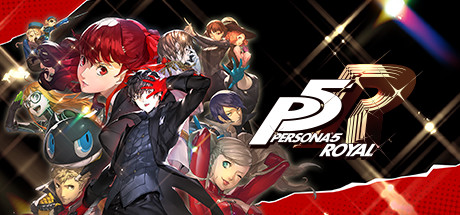
Persona 5 Royal lands with uncanny kinship—not in setting, but in rhythm. Its description highlights “daily life” and “build relations,” and the player review gushes over the “stunning soundtrack” and “seamless transition between daily life…” That’s Macross’s heartbeat: the deliberate, almost sacred pacing between training drills and karaoke nights, between briefing rooms and rooftop confessions. Minmay doesn’t become an idol despite the war—she becomes one within it, her performances stitching together fraying morale like thread through torn fabric. Likewise, Joker’s jazz-infused score doesn’t just accompany Tokyo’s neon sprawl—it breathes with the characters’ unspoken tensions, their suppressed grief, their defiant joy. Both understand that emotional narrative isn’t delivered in cutscenes alone—it lives in the space between: the glance held too long, the song chosen at exactly the right moment, the silence after a confession that hangs heavier than any explosion.
Dragon Age: Origins carries the same philosophical weight in its bones. Its description asks: “What will be said about the hero who turned the tide?”—a question Macross poses without words, every time Hikaru Ichijyo hesitates before pulling the trigger, or when Misa Hayase stares out a viewport, her expression unreadable but her posture screaming exhaustion and resolve. The player review praises the “pause attack mechanic” for letting you “strategist your tactic”—but what that really enables is moral deliberation. Like Macross, Origins refuses easy binaries: allies betray, enemies plead, choices calcify into tragedy not because of malice, but because people are trying—and failing—to hold onto something real in collapsing systems. The love triangles here aren’t melodrama; they’re maps of loyalty, power, and vulnerability—just as Basara’s reckless charm and Hikaru’s earnest devotion aren’t rivals for Minmay’s affection, but competing philosophies of how to endure.
This pairing speaks directly to the viewer who cries during a chorus, who replays a dialogue tree three times to hear every variation of “I’ll protect you,” who keeps a playlist titled “War & Lullabies.” Not the casual fan—but the one who watches the credits roll on Macross, then opens Mass Effect and feels the same lump in their throat when Liara says, “You’re not just a soldier. You’re you.” The kind of person who knows the difference between plot and pulse—and will follow either, anywhere, as long as it beats with honesty, yearning, and the stubborn, beautiful refusal to let music stop.
🎮76 Games That Match the Vibe
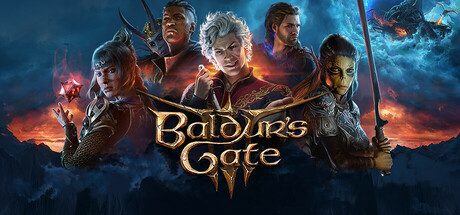
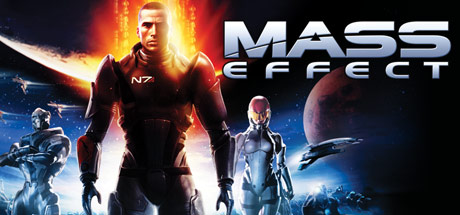










Match Dimensions Explained
❓Frequently Asked Questions
Why does Mass Effect (2007) keep coming up in Macross discussions?
Because it nails that same 'military romance amid galaxy-spanning crisis' vibe — think Commander Shepard’s slow-burn bond with Liara mirroring Rick & Lynn’s love triangle, plus squad banter during quiet moments before a massive space battle. The emotional weight of choices (like sparing or sacrificing the Council) echoes Macross’s themes of diplomacy, sacrifice, and humanity’s fragile unity.
Is there a Macross video game adaptation I can actually play right now?
No official Macross game is currently available on modern platforms — but Dragon Age: Origins scratches that itch in spirit: its emotionally layered party dynamics (Alistair’s humor masking trauma, Morrigan’s moral ambiguity) and pause-and-plan tactical combat feel like directing a Valkyrie squadron mid-battle. Fans often say its legacy-defining choice weight and romantic depth hit similar narrative notes as Macross’s human-scale stakes.
Persona 5 Royal vs. Jade Empire: which one’s better for Macross fans who love both martial arts *and* emotional storytelling?
Go with Jade Empire — its open-palm/closed-fist moral pathing, deep relationship arcs (like your master’s tragic past or Sky’s quiet loyalty), and cinematic kung fu setpieces (think 'Macross 7's Fire Bomber concert fights, but grounded in wuxia drama) match Macross’s blend of personal growth and stylized action. Persona 5 Royal shines in music and urban rhythm, but Jade Empire’s world-building and intimate character beats land closer to Macross’s heart.
What’s the best game like Macross if I just want that bittersweet, hopeful-in-chaos feeling?
Mass Effect (2007) — not the sequels, just this one. That opening Normandy launch, the quiet tension in the Citadel’s Presidium, Shepard’s first real talk with Kaidan about loss… it’s all drenched in the same tone as Macross’s post-attack recovery scenes: fragile hope, shared glances across cockpits, and the sense that love and duty aren’t opposites — they’re what hold everything together.