STAR WARS™ Republic Commando™
You are the leader of an elite squad of Republic Commandos, your mission is to infiltrate, dominate, and ultimately, annihilate the enemy. Your squad will follow your orders and your lead, working together as a team - instinctively, intelligently, instantly. You are their leader. They are your weapon.
🎮Game Details
💬What Players Say
"Edit: Just finished the game, its cliffhanger take offensive formation Added some mods that were just drag and dropped and sensitivity and resolution were modernized."
"Do you like clone commandos? Did you enjoy the clone wars show? More importantly: do you think Vode An is an absolute banger and listening to it makes you wanna go on the battlefield and mow down a bunch of separatist clankers?..."
"Classic Star Wars FPS. Very difficult at parts but has really good character and after a level or two and you understand how to manage your squad, the game just flows and you really feel like you're commanding other units. There are some really difficult levels in here, so use quicksaving often and you wont have to rip your hair out."
📝Editorial Analysis
The helmet HUD flickers—red, urgent, alive—as your squad tightens formation behind you, boots thudding in unison on the cracked duracrete of Geonosis. You don’t hear their breathing—just the low, resonant hum of their armor comms and the clipped, flawless cadence of Delta-62’s voice: “Offensive formation, sir.” That phrase—lifted straight from the player review—isn’t just a command prompt. It’s a covenant. You’re not playing a soldier. You are the fulcrum—the still point where four lives hinge on one decision, one breath held, one order given instinctively, intelligently, instantly. The official description doesn’t say “you feel like a brother.” But the reviews do—buried in the reverence for Vode An, that gut-punch chant that makes you want to run onto the battlefield, not as a hero, but as part of something older than rank, deeper than duty.

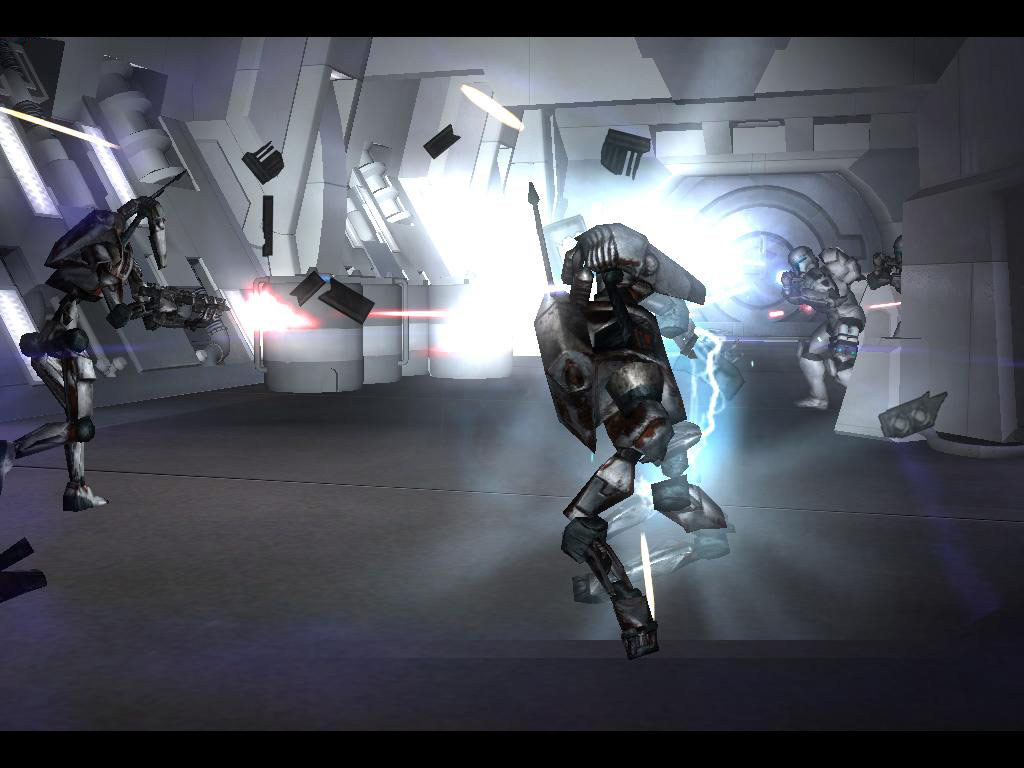

This isn’t about power fantasy. It’s about weight. The weight of command that settles not in your chest, but in your throat—tight, quiet, almost sacred. You don’t shoot enemies; you coordinate them into oblivion. When the game “flows,” as Review 3 says, it’s because your brain stops thinking “I need cover” and starts thinking “Scorch, suppress left corridor—Sev, flank through ventilation—Fixer, breach now.” That flow isn’t smoothness—it’s trust made kinetic. The difficulty isn’t punishment; it’s fidelity. Every failed push forces recalibration—not of aim, but of presence. You learn the squad’s rhythms like pulse points: the way Fixer’s voice steadies before a tech-heavy objective, how Scorch’s laugh cracks just before he unleashes thermal detonators. You don’t just lead soldiers. You steward vode—family. And that word—Vode An—isn’t lore flavor. It’s the emotional core humming beneath every grenade toss, every synchronized breach, every silent moment when your HUD blinks “Squad status: green” and you exhale like you’ve been holding it since Kamino.
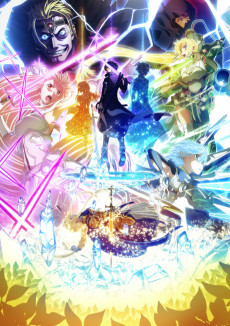
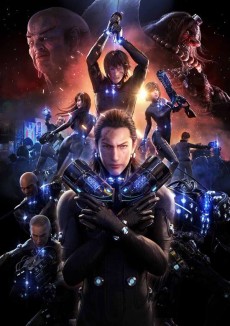
Final Fantasy VII: Advent Children shares that same tactical gravity—not in its combat choreography, but in its space. The ruined Midgar skyline isn’t backdrop; it’s terrain with memory, layered with loss and loyalty. Cloud moves with his team—not ahead of them—but in calibrated, near-silent sync: Tifa covering, Vincent holding position, Cid watching flanks. Like Republic Commando, every shot, every dodge, every pause feels earned by shared history, not script. The Cyberpunk & Dystopia dimension isn’t neon and rain—it’s the grit under fingernails, the frayed edges of armor plating, the way exhaustion hangs in the air like ionized dust. Both refuse spectacle without consequence. Victory tastes like static and sweat.
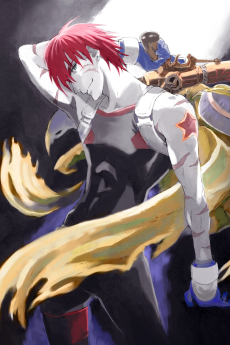
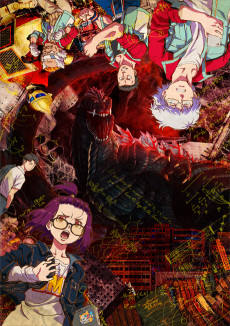
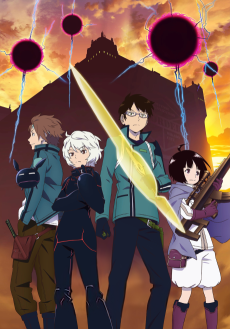
TRIGUN STAMPEDE hits even closer—not with guns, but with rhythm. Vash doesn’t fight alone; he fights around his people—Meryl calculating angles, Nicholas reading micro-expressions, Legato’s presence warping the battlefield before he fires. The Tactical Warfare dimension here isn’t about squad commands—it’s about emotional triangulation. Every standoff is a three-point negotiation: threat, trust, and the fragile geometry of belonging. Like Republic Commando, STAMPEDE’s tension lives in the half-second before action—the tilt of a head, the shift of weight, the way silence thickens when four people hold the same breath. Its Sci-Fi & Space setting isn’t escapism; it’s a crucible where identity is forged in coordination, not conquest.
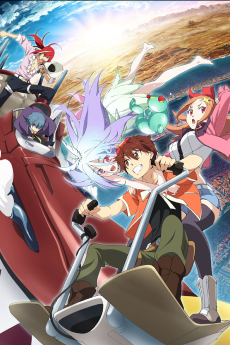
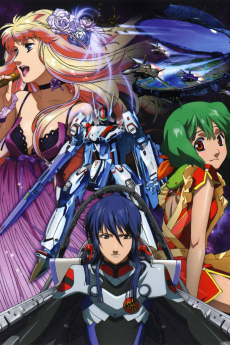
Redline, meanwhile, weaponizes velocity as devotion. Sonosuke’s crew doesn’t strategize—they sync. Their machines breathe together. The Cyberpunk & Dystopia isn’t grimy alleys—it’s the heat-haze shimmer off engine casings, the smell of burnt coolant and shared adrenaline. You don’t win races—you hold formation at 200 kph while the world blurs into streaks of light and warning sirens. That’s the same flow Review 3 describes—not speed for speed’s sake, but speed as unity, as irrevocable commitment to the line you draw together.
These aren’t matches for fans of “military sci-fi.” They’re for the ones who feel the weight of a comms channel going silent mid-mission—and hold their breath until the voice returns, rough but steady. For the ones who replay the Vode An chant not for hype, but for home. For players who don’t just want to win battles—but to belong in the storm.
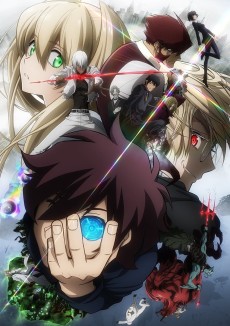
→89 Anime That Match the Vibe
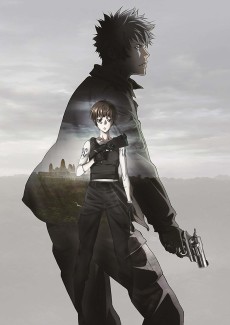
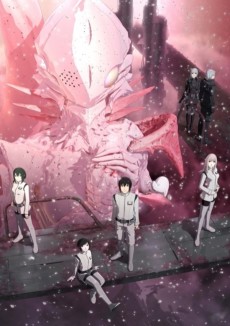
Rain slicks the neon-drenched ruins of Midgar as Cloud staggers through rubble—geo-stigma lesions glowing faintly—mirroring Delta Squad’s claustrophobic crawl through Geonosian hive tunnels, where every shadow hides Separatist tech and betrayal. Unlike most sci-fi action, both commit fiercely to tactical warfare: squad comms crackle with real-time coordination in Republic Commando’s breaching sequences, while Advent Children’s highway battle hinges on precise, interdependent strikes between Cloud, Tifa, and Vincent. Their shared cyberpunk & dystopia isn’t just backdrop—it’s embodied in scarred bodies, militarized grief, and hope forged in cracked, irradiated concrete.
Connected through 3 aesthetic dimensions.

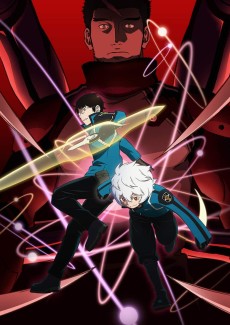
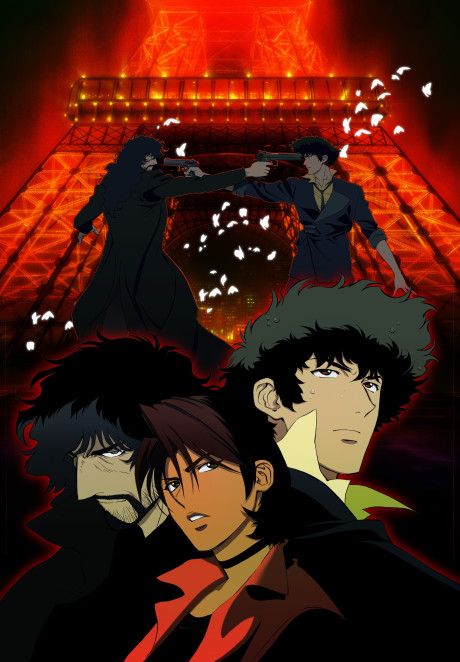
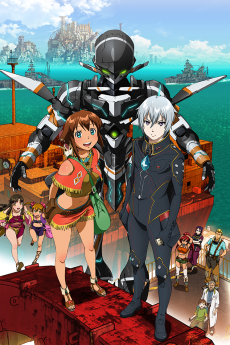
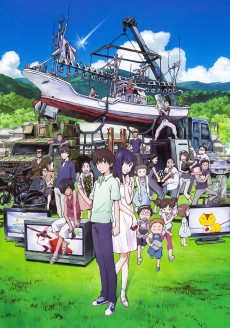
Vash’s trembling hand hovering over his gun in the neon-drenched ruins of July—where pacifism is weaponized as tactical delay—mirrors Delta Squad’s tense, breath-held breaching of a Separatist bunker on Geonosis. Unlike most sci-fi that glorifies firepower, both *Republic Commando* and *TRIGUN STAMPEDE* treat violence as a system to be navigated, not just unleashed—rooted in shared cyberpunk & dystopia textures: flickering holo-ads over rubble, squads bound by duty yet fractured by conscience. That friction—between command and compassion—is where their resonance burns brightest.
Connected through 3 aesthetic dimensions.

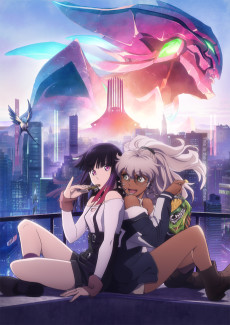
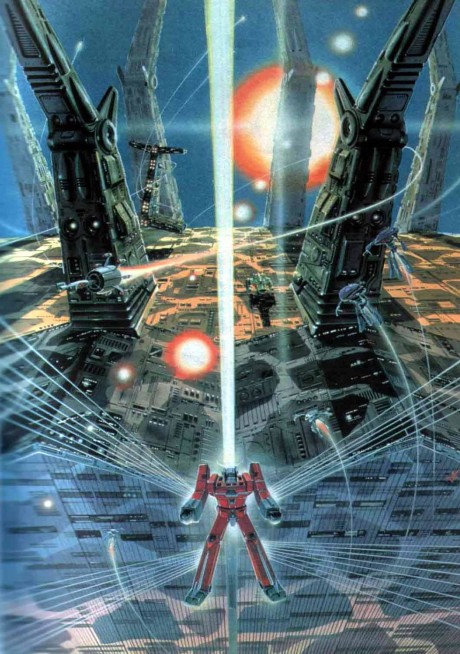
JP’s blistering lap through Roboworld’s neon-drenched, crumbling megacity mirrors Delta Squad’s surgical breach of Geonosis’s hive-like trenches—both hurtle through chaotic, vertical cityscapes where chrome and decay collide. Unlike most sci-fi action, neither pauses for exposition: Redline’s single-movie sprint and Republic Commando’s mission-based intensity weaponize urgency as atmosphere. Their shared cyberpunk & dystopia dimension isn’t just backdrop—it’s kinetic pressure, compressing loyalty, sacrifice, and split-second command into every frame and fireteam order.
Connected through 3 aesthetic dimensions.
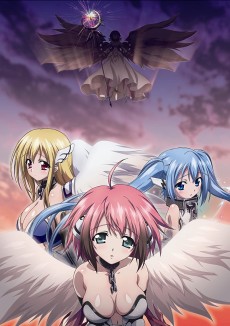
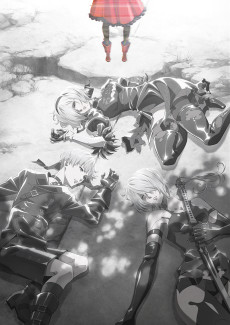
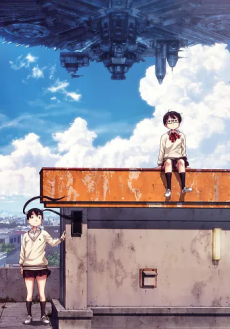
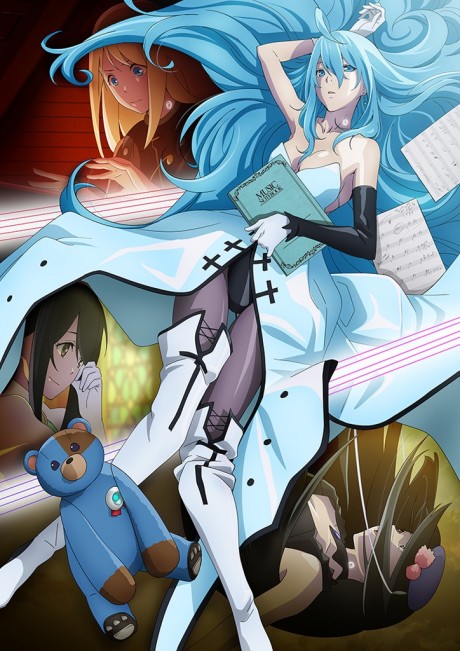
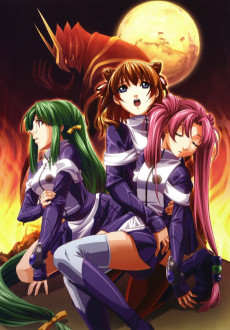
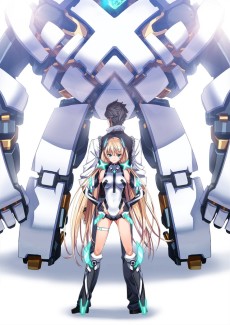
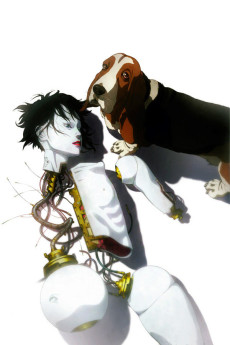
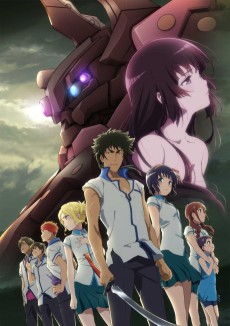
Kazane Hiyori’s silent, clockwork angeloid—mechanical yet yearning—echoes the Republic Commandos’ own calibrated humanity: each squad member a precision instrument of war, yet bound by loyalty and unspoken grief. Unlike most sci-fi pairings, this resonance thrives in *cyberpunk & dystopia*: Kamogawa’s decaying cityscape mirrors Kamino’s sterile labs and Geonosis’ industrial hellscape, where identity is forged in chrome and trauma. That both works anchor existential weight in tactile machinery—not spectacle—is what makes their kinship so quietly potent.
Connected through 2 aesthetic dimensions.
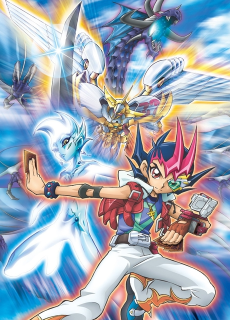
Connected through 2 aesthetic dimensions.
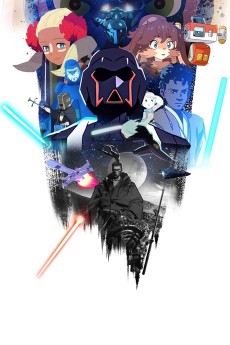
Connected through 3 aesthetic dimensions.



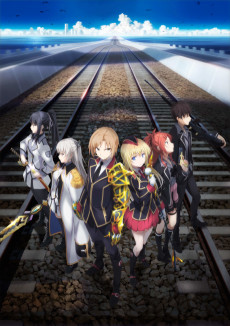
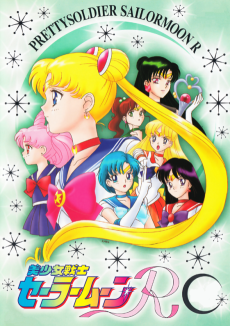
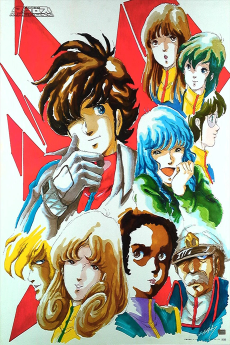


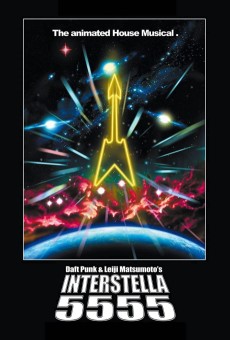






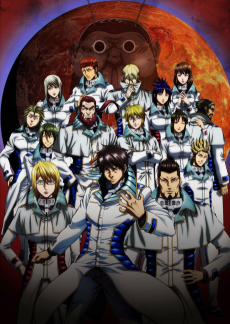
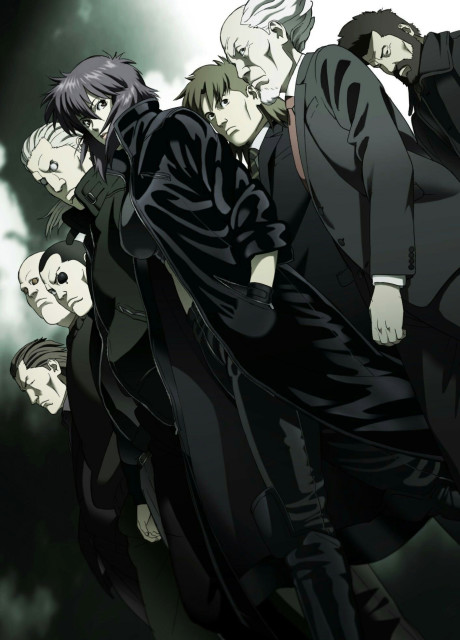
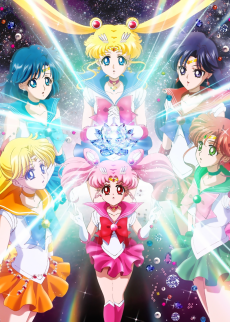
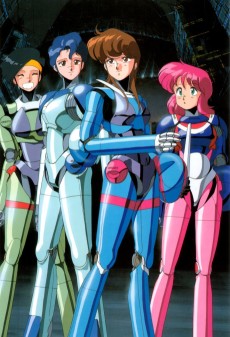













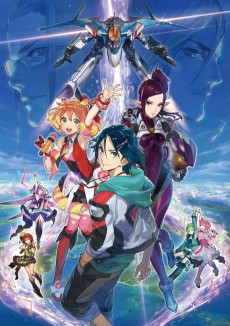


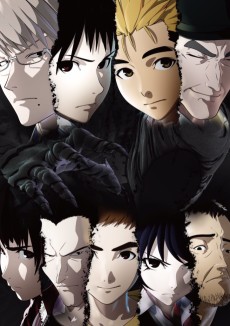


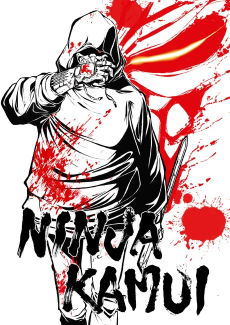
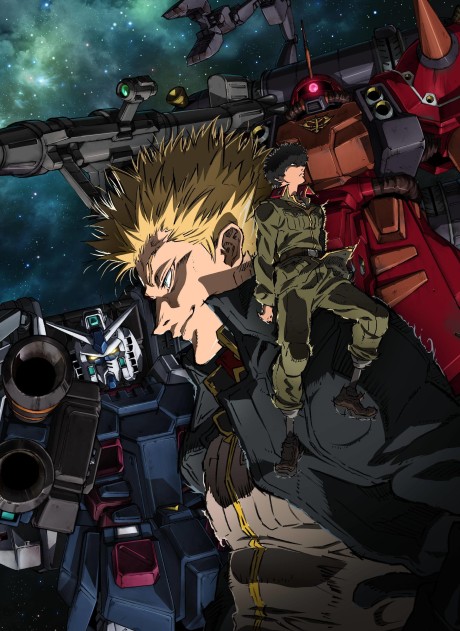

Match Dimensions Explained
❓Frequently Asked Questions
Why does TRIGUN STAMPEDE show up in 'Anime Like STAR WARS™ Republic Commando™' lists?
Because it nails that same gritty, squad-level tactical warfare vibe — like when Vash and his allies coordinate precise takedowns in the ruined city of July, using cover, flanking, and real-time comms just like your clone squad executing 'offensive formation' in Republic Commando. It’s not space opera fluff; it’s grounded sci-fi with cyberpunk decay and tight team dynamics, matching the game’s 'instinctively, intelligently, instantly' squad AI.
Is there an anime adaptation of Republic Commando?
No — there’s never been an official anime adaptation of Republic Commando. The closest you’ll get are anime that *feel* like playing it: Final Fantasy VII: Advent Children hits that same intense, high-stakes tactical warfare dimension (score 79), especially during the Midgar siege where SOLDIER units move as coordinated squads — think of how Delta Squad follows your lead without hesitation, just like your commandos do.
How does Redline compare to Memories for Republic Commando fans?
Redline leans hard into breakneck sci-fi speed and visual chaos — great if you love the game’s adrenaline spikes during urban infiltration on Coruscant — while Memories (score 70) delivers the grim, methodical tension of a mission gone sideways, like the Geonosis droid factory assault where every shot counts and your squad’s survival hinges on smart positioning and timing. Both share that Cyberpunk & Dystopia + Sci-Fi & Space DNA, but Memories mirrors the game’s weightier, more deliberate pacing.
What’s the best anime like Republic Commando if I want that ‘Vode An’-level hype and squad loyalty vibe?
Final Fantasy VII: Advent Children is your pick — it’s got that same electric, almost ritualistic team cohesion: when Cloud, Tifa, and Barret lock in during the final battle against Bahamut SIN, their synchronized movements and unspoken trust echo exactly how Delta Squad responds to your commands — 'you are their leader. they are your weapon.' Plus, the score’s pulse-pounding energy hits just like cranking up Vode An before a drop.