
Children of the Whales
Chakuro is the 14-year-old archivist of the Mud Whale, a nigh-utopian island that floats across the surface of an endless sea of sand. Nine in ten of the inhabitants of the Mud Whale have been blessed and cursed with the ability to use saimia, special powers that doom them to an early death.
Chakuro and his friends have stumbled across other islands, but they have never met, seen, or even heard of a human who wasn't from their own. One day, Chakuro visits an island as large as the Mud Whale and meets a girl who will change his destiny.
📺Anime Details
📝Editorial Analysis
The first time Chakuro steps onto that island—not the Mud Whale, not sand, but earth, real soil trembling under his boots as rain falls for the first time in his life—the world doesn’t roar. It holds its breath. His fingers dig into damp loam, black and rich, while the wind carries the scent of rotting leaves and something older: stone, moss, silence thick with absence. There’s no music swelling, no grand reveal—just his ragged exhale, the weight of a thousand unanswered questions pressing down like gravity itself has shifted. That moment isn’t wonder. It’s dislocation: the ground you trusted is gone, and what remains isn’t solid—it’s memory wearing the shape of land.
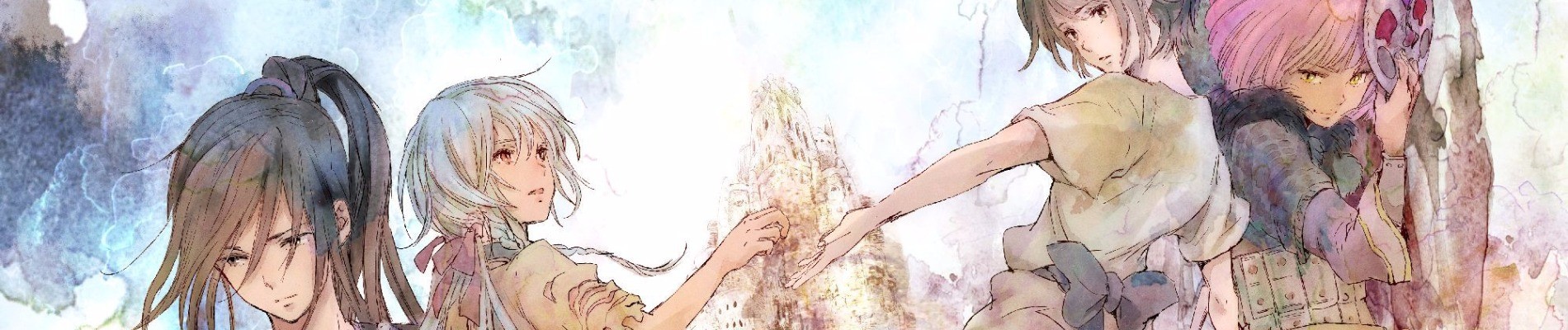
What makes Children of the Whales ache so deeply isn’t its dystopia or its magic—it’s how tenderly it treats fragility. The saimia aren’t superpowers; they’re slow hemorrhages of self, each flare of light shortening a life already measured in decades, not centuries. The Mud Whale floats—not because it’s majestic, but because it must, because the sea of sand beneath it erases everything behind. This isn’t epic scale; it’s intimate erosion. You feel the warmth of shared tea in the archive, the quiet dread when a friend’s hands tremble mid-sentence, the way grief settles like dust on shelves lined with journals no one will live long enough to finish. It makes you think about legacy as leakage—not monuments, but whispers passed hand-to-hand before the voice gives out. It makes you sit very still, listening for the sound of time running out—not with panic, but with reverence.
That same hushed reverence lives in BioShock™, where Rapture isn’t just ruined—it’s saturated with consequence. The player review calls it “revolutionary,” and it is—but not for the guns or plasmids. It’s revolutionary because every cracked tile, every corpse slumped beside a half-finished sculpture, every distorted radio broadcast forces you to inhabit ideology’s collapse. Like Chakuro tracing faded glyphs on an abandoned wall, you piece together a dead society’s final arguments—not through exposition, but through what was left behind. Both ask the same question, softly: What do you preserve when survival means forgetting how to be human?
Then there’s Deus Ex: Game of the Year Edition, whose description names “an ages old conspiracy bent on world domination”—but what lingers isn’t the plot twist. It’s the texture of control: the hum of surveillance, the way doors lock just as you reach them, the chilling banality of a security log showing your own name flagged. The player review notes how instantly accessible all systems are—one hit of the esc key opens everything. That immediacy mirrors Chakuro’s archive: knowledge isn’t distant or mythic; it’s right there, categorized, cross-referenced… and utterly useless against the slow, systemic unraveling of trust. In both, power hides in bureaucracy, and resistance begins with reading the fine print.
And The Witcher 3: Wild Hunt, whose description centers Geralt tracking Ciri—but the player review says it’s “my favourite game keeps getting better” eleven years later. Why? Because its heart isn’t in the hunt. It’s in the aftermath: the villages rebuilding after war, the ghosts who won’t leave their favorite chairs, the way love persists not despite loss, but woven through it. Like Lykos’s quiet vigil at the edge of the Whale’s deck, or Chakuro’s fingers tracing the spine of a book he knows he’ll never finish—this is narrative that treats tenderness as an act of defiance. Not loud. Not flashy. Just there, stubborn as dandelions cracking pavement.
This pairing isn’t for fans of spectacle or salvation arcs. It’s for the ones who reread letters from dead relatives. Who pause mid-walk to watch pigeons scatter, then settle again. Who understand that the most devastating tragedies aren’t explosions—but the exact moment a character stops believing their own hope is worth keeping. If you’ve ever held a fragile thing—glass, a promise, a heartbeat—and felt your whole body soften around it, that’s the space where Children of the Whales, BioShock™, Deus Ex, and The Witcher 3 all quietly meet. Not in triumph. Not in escape. But in the unbearable, beautiful weight of staying present, even as the ground dissolves.
🎮51 Games That Match the Vibe












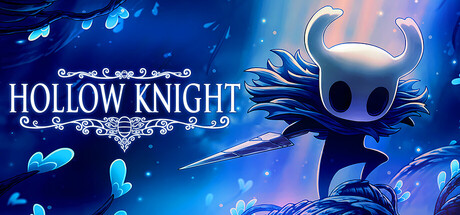
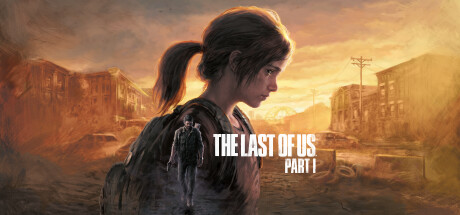


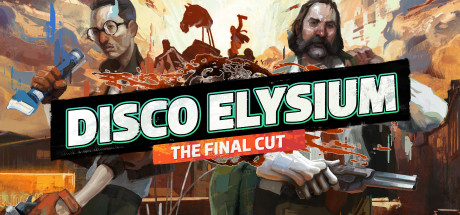
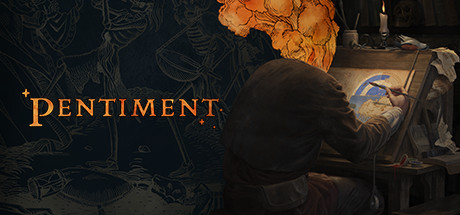




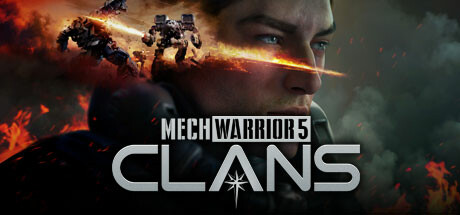


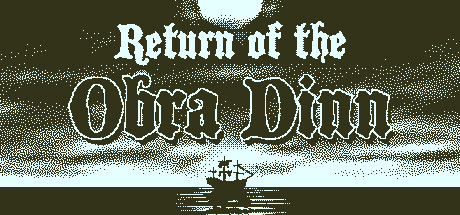
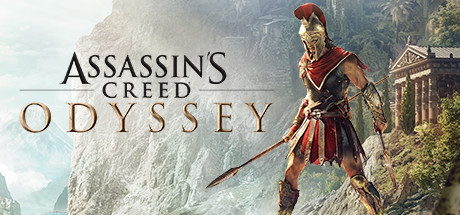
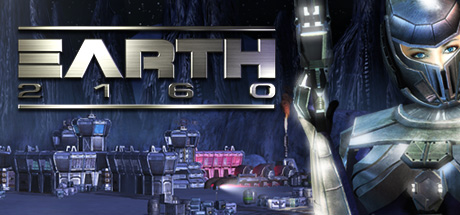
Match Dimensions Explained
❓Frequently Asked Questions
Why is BioShock listed as similar to Children of the Whales when it’s so violent and action-heavy?
Great question—it’s not about combat tone, but how both use isolated, decaying societies (Rapture / the Mud Whale) to explore trauma, memory suppression, and moral ambiguity. Think of BioShock’s Little Sisters echoing Chakuro’s empathy-driven readings of memories in the Archive, or Andrew Ryan’s ideology mirroring the Mu’s rigid control over emotion and history—both are political thrillers where the setting *is* the metaphor.
Is there a Children of the Whales anime adaptation with a game tie-in?
No official game adaptation exists—but fans who loved the anime’s melancholic worldbuilding and quiet emotional weight often gravitate toward The Witcher 3: Wild Hunt for its similarly layered grief arcs (like Geralt’s search for Ciri mirroring Chakuro’s quest for meaning amid loss) and morally grey, lore-dense storytelling that rewards patience over spectacle.
How does Deus Ex: Game of the Year Edition compare to Assassin’s Creed Director’s Cut for Children of the Whales fans?
Deus Ex wins on thematic resonance: both lean into dystopian systems of control (the Illuminati vs. the Mu’s Archive), and you’ll feel that same quiet tension of navigating oppressive ideologies—not through parkour like Assassin’s Creed, but through dialogue choices, hacking terminals, and uncovering suppressed truths like Chakuro decoding fragmented memories. The player review even calls out how Deus Ex gives you ‘all options with one hit of the esc key’—very much like how the Mud Whale’s crew makes collective, consequence-laden decisions.
What’s the best game like Children of the Whales if I want that slow-burn, emotionally heavy, rain-soaked melancholy vibe?
The Witcher 3: Wild Hunt—especially the Blood and Wine DLC—is your match. It’s got that same aching stillness: Geralt sitting alone by a fire in Toussaint at dusk, reflecting on loss just like Chakuro gazing over the sea after reading a painful memory; the score swells softly, the world feels weathered and tender, and every side quest carries emotional weight—no flashy set-pieces needed. As one player put it, it’s a game that ‘keeps getting better’ precisely because it trusts you to sit with the sadness.