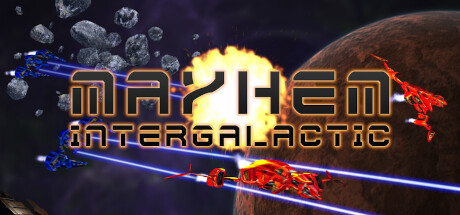
Mayhem Intergalactic
Wage war on your friends and enemies in this simple and engaging strategy game. Easy to learn and quick to play, Mayhem Intergalactic is surprisingly strategic. Play against the computer, or duke it out with friends over the internet. The universe shall be yours!
🎮Game Details
💬What Players Say
"Don't be fooled by the claims that this is a 4X. This is one of those sort of games where you get a set number of counters on your spaces, which you then move all of to another space, and whoever has the most there wins it. It's been done before, and much better than this...."
"It's a basic but very enjoyable and fun indie-game with some strategy elements and appears to be fun with friends for some casual gaming. Although, it lacks any sense of progression, it's still quite fun and sucks you in to the extent that you just lose track of how much time you've played. It may not be everyone's thing, but I highly recommend checking it out...."
"There's a clone of this game on Desura called "10 min space strategy" with many more gameplay elements, factions, and quirks to choose from, and it's free. Play that instead. In all seriousness, this is a bare-bones game that allows one to build hordes of fighters and throw them at enemy planets...."
📝Editorial Analysis
The board flickers—just a grid of stars, no planets, no nebulae, just stark black and sharp white counters. You drag three units from your home sector to the adjacent one. Your friend counters with four. A silent, decisive clash: three vanish. Then four. Just like that—no animations, no sound cues, no victory fanfare. Just the quiet click of a mouse and the dry, almost bureaucratic satisfaction of seeing your opponent’s token disappear from the screen. That’s the core pulse of Mayhem Intergalactic: not conquest through lore or scale, but immediacy, clarity, and consequence—all wrapped in a promise so light it borders on irony: “The universe shall be yours!” — while you’re moving exactly seven counters across five hexes.
What lingers isn’t spectacle—it’s tension. Not the slow-burn dread of empire collapse, but the taut, breath-held second before a move lands. There’s no progression tree, no tech web, no narrative arc—just pure, unadorned agency: you decide, you commit, you lose or win in the same breath. It’s strategy stripped to its nervous system—no fluff, no friction beyond the mental cost of misreading your opponent’s rhythm. You feel light, yet sharply focused. Like holding a scalpel instead of a sword. The absence of story doesn’t leave a void; it creates space—space for laughter when your friend blunders, space for rapid-fire replays, space for the game’s own quiet hum: a universe reduced to clean vectors, finite resources, and human timing. It’s not about owning the galaxy—it’s about reading it, moment to moment, with your fingers hovering over the mouse.
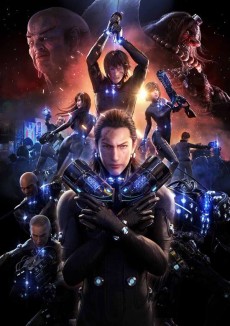
That feeling—the razor-thin line between control and chaos, set against a backdrop of glittering, indifferent space—echoes fiercely in Final Fantasy VII: Advent Children. Not in its opera-scale grief or angelic bioweapons, but in how it treats scale as texture, not substance: the ruined Midgar skyline isn’t a setting—it’s a pressure point, a visual shorthand for stakes that land because they’re immediate, visceral, personal. Like Mayhem Intergalactic, it trades sprawling exposition for tactical clarity—Cloud’s sword swings aren’t choreographed ballets; they’re precise, economical, decisive. Both live in the Sci-Fi & Space dimension not as backdrop, but as constraint: limited oxygen, limited time, limited counters on the board—and every choice must carry weight because nothing else does.
Then there’s Redline, where velocity is emotion. Its racetrack isn’t just asphalt—it’s a warped, neon-drenched starfield bent by G-forces, and every drift, every near-miss, every last-second overtake mirrors the Competitive Spirit dimension shared with the game: no points, no levels, just who crosses first, who out-thinks the turn, who dares the impossible lane. Neither offers character arcs—both offer rhythm. The hum of Redline’s engine syncs with the click-and-drag cadence of Mayhem Intergalactic: same adrenaline, same economy of motion, same refusal to linger. It’s not about who is fastest—it’s about who feels fastest right now.
And TRIGUN STAMPEDE—not the dusty mythos of the original, but this version’s sleek, high-stakes duels under fractured orbital mirrors. Its Tactical Warfare isn’t grand strategy; it’s Vash calculating recoil, angle, and civilian proximity in real time—exactly how you pause mid-drag in Mayhem Intergalactic, weighing whether to consolidate or gamble on a flank. Both treat violence as geometry, not gore; consequence as position, not punishment. The cyberpunk grit isn’t in the rain—it’s in the efficiency of the design: every line, every counter, every frame serves the next decision.
This is for the person who keeps a notebook of optimal opening moves and rewatches Redline’s final lap just to feel that lurch in their chest again. For the player who laughs when their friend miscounts units—not out of mockery, but recognition: we’re all just trying to read the same cold, beautiful, unforgiving grid. For the viewer who watches Advent Children’s city collapse not for tragedy, but for the clean line of Cloud’s descent—a perfect vector in a broken world. They don’t crave lore dumps or legacy systems. They want precision, presence, and the electric yes of a move that lands—whether it’s a sword strike, a tire screech, or three white counters sliding silently into enemy territory.
→98 Anime That Match the Vibe

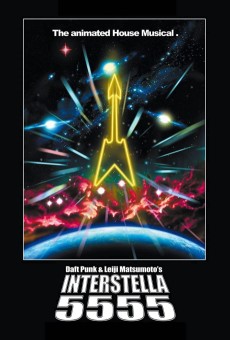
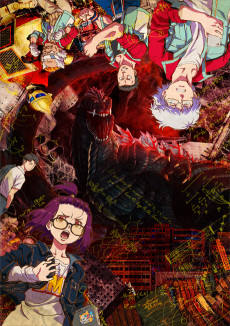
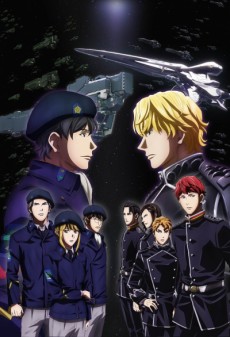
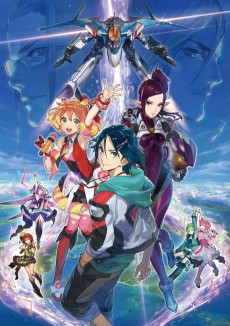
JP’s neon-drenched, gravity-defying slide through Roboworld’s canyon racetrack mirrors the frantic orbital dogfights in *Mayhem Intergalactic*’s zero-G skirmishes—both weaponize chaos as strategy. Where *Redline*’s five-year tournament stakes galactic prestige, the game turns every match into a compressed, high-stakes arena of bluff and burst-fire tactics. Their shared **🏆 Competitive Spirit** isn’t just rivalry—it’s a razor’s-edge dance where split-second decisions rewrite fate across **🚀 Sci-Fi & Space**.
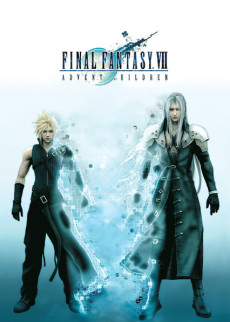
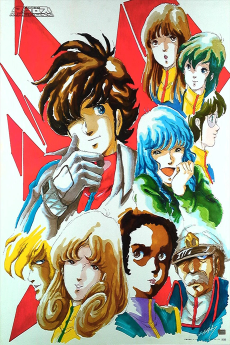
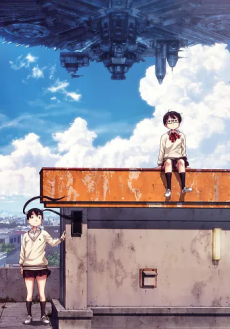
Geo-stigma’s creeping, crystalline decay across Midgar’s fractured skyline mirrors the brittle orbital colonies in *Mayhem Intergalactic*’s war maps—both weaponize sci-fi as visceral consequence, not backdrop. Unlike most tactical games that abstract conflict, *Mayhem*’s quick-turn skirmishes echo *Advent Children*’s tightly choreographed, high-stakes duels where terrain, timing, and resource scarcity dictate survival. That shared tension between cyberpunk fragility and tactical precision makes their resonance startlingly physical: strategy isn’t just planned—it’s felt in the tremor of a failing city or a collapsing fleet.
Connected through 3 aesthetic dimensions.

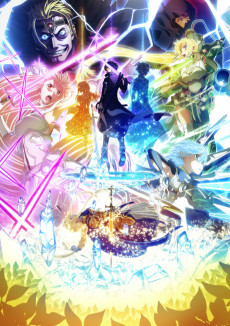
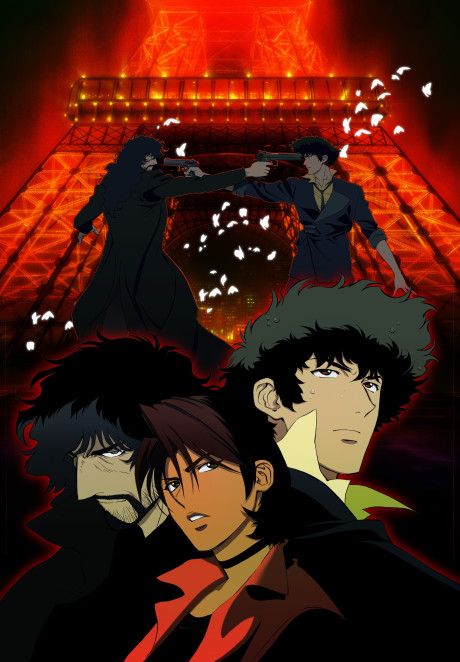
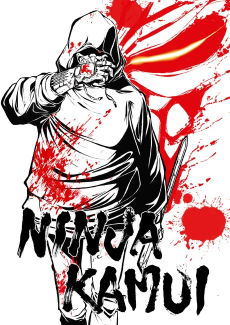
Vash’s ricocheting bullet deflection in TRIGUN STAMPEDE’s Neo-Bordertown showdown mirrors the split-second tactical pivots demanded by Mayhem Intergalactic’s resource-limited skirmishes. Where STAMPEDE layers moral weight into its cyberpunk & dystopia visuals—like Meryl’s trembling hands holding a weapon she refuses to fire—the game distills that same tension into minimalist, high-stakes board-state decisions. This pairing surprises: pacifism and mayhem aren’t opposites here, but twin engines driving sci-fi & space conflict where every choice echoes across galaxies.
Connected through 3 aesthetic dimensions.
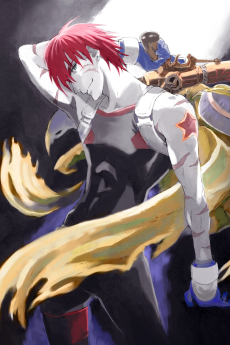
Connected through 3 aesthetic dimensions.
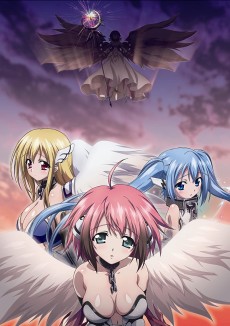
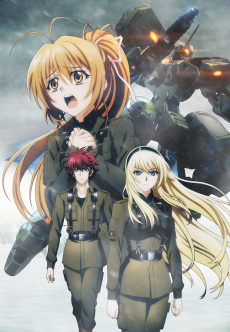
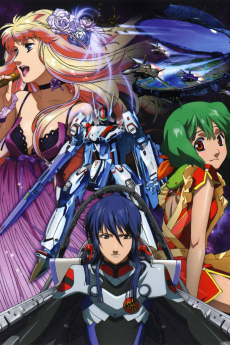
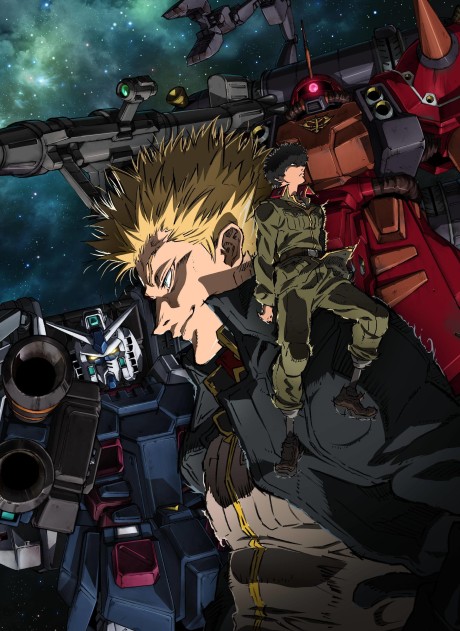
Kazane Hiyori’s desperate, clockwork-fueled descent into self-sacrifice mirrors the brittle tension of Mayhem Intergalactic’s late-game stalemates—where every move risks catastrophic cascade failure. Unlike most sci-fi war games, Mayhem leans into chaotic, almost slapstick orbital skirmishes, echoing the movie’s tonal whiplash: tender romance fracturing under cyberpunk dread and celestial mechanics. That shared embrace of 🚀 Sci-Fi & Space as both playground and prison makes their resonance unexpectedly poignant—not just spectacle, but strategy wearing heartbreak on its sleeve.
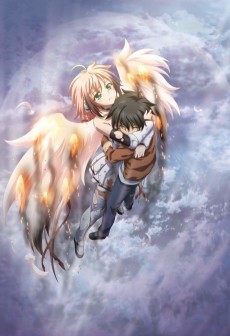
Connected through 2 aesthetic dimensions.
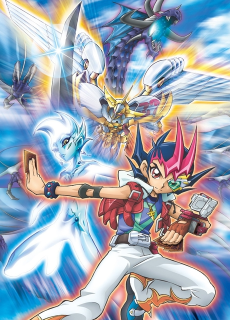
Connected through 2 aesthetic dimensions.
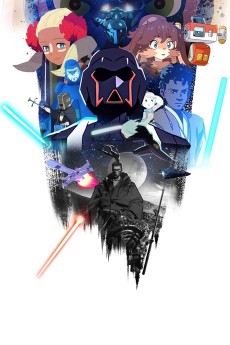
Connected through 3 aesthetic dimensions.


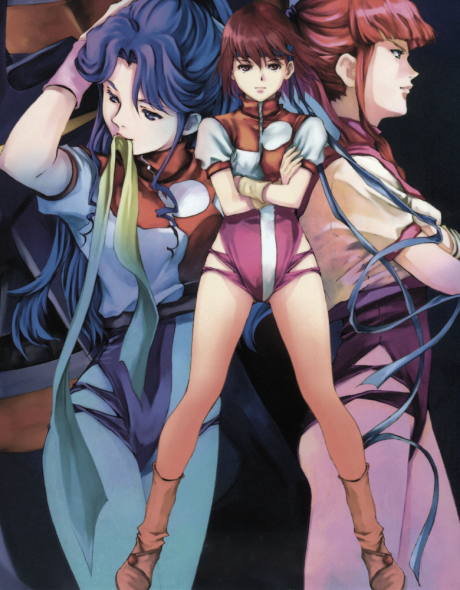
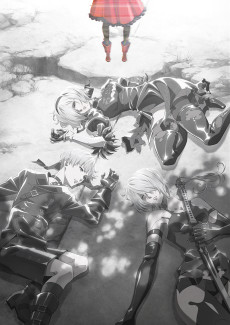
























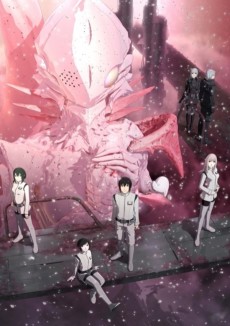

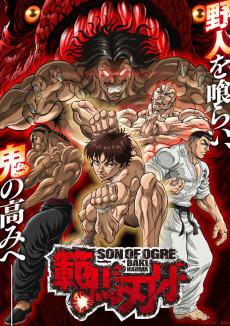
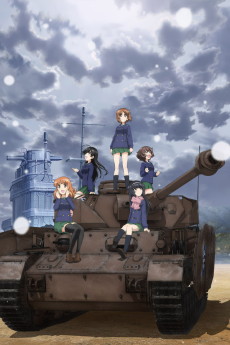
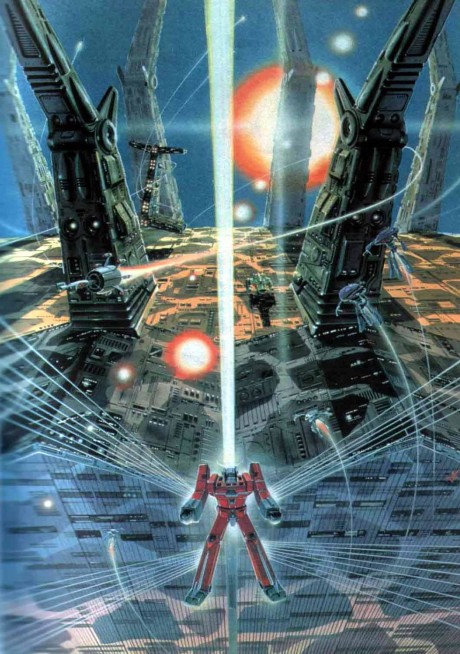

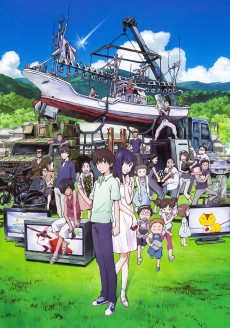

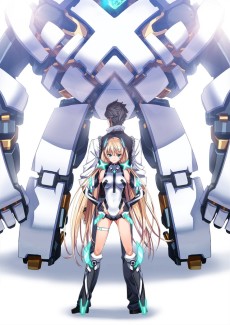

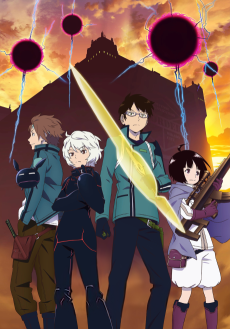





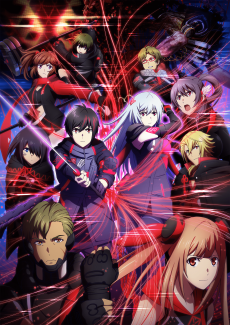

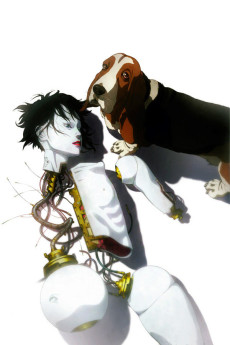


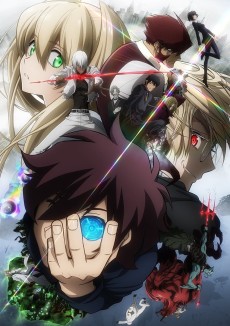

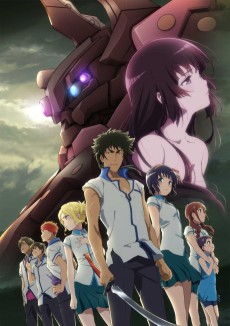







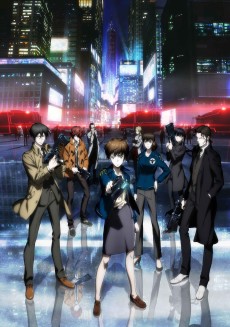
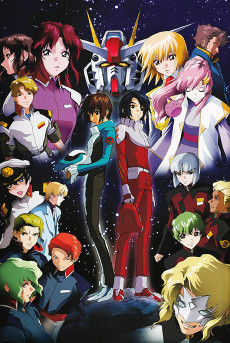
Match Dimensions Explained
❓Frequently Asked Questions
Why is Redline on the 'Anime Like Mayhem Intergalactic' list when it’s not about strategy?
Great question—it’s not about turn-based tactics, but Redline nails the same high-octane, zero-gravity racing warfare vibe as Mayhem Intergalactic’s frantic space skirmishes. Think of the Jupiter Rally’s chaotic fleet maneuvers and split-second positional gambles—like when Sweet and Ringo outflank rivals in the asteroid belt—mirroring how you commit all your counters to a single contested zone in one bold move. That ‘Competitive Spirit’ dimension (score: 78) is spot-on: both are fast, flashy, and built for adrenaline over deep progression.
Is there an anime adaptation of Mayhem Intergalactic?
Nope—Mayhem Intergalactic is a standalone indie game with no anime adaptation (or manga, light novel, or anything else). But if you’re craving that same blend of interstellar chaos and tactical simplicity, TRIGUN STAMPEDE delivers it through action: watch Vash’s precision long-range takedowns in the desert ruins of July City, where positioning, terrain cover, and timing echo the ‘Tactical Warfare’ layer (score: 74) that makes Mayhem feel surprisingly strategic despite its minimal rules.
How does Final Fantasy VII: Advent Children compare to TRIGUN STAMPEDE for Mayhem Intergalactic fans?
Both nail the ‘Sci-Fi & Space + Tactical Warfare’ combo, but in totally different flavors: Advent Children leans into large-scale, emotionally charged battles—like Sephiroth’s aerial assault on Edge, where gravity-defying movement and environmental destruction mirror Mayhem’s ‘all-or-nothing’ counter pushes. TRIGUN STAMPEDE, meanwhile, focuses on grounded, almost chess-like standoffs—Vash vs. Knives in the ruined cathedral, where every shot placement and retreat path feels like weighing risk vs. reward across a contested hex. Advent Children scores higher (79 vs. 74), but STAMPEDE’s pacing might click better if you love Mayhem’s quick rounds.
What’s the best anime like Mayhem Intergalactic if I just want pure chaotic fun with friends?
Redline is your absolute go-to—it’s got that same infectious, no-strings-attached energy. The whole film runs on pure competitive joy: rival racers swapping places mid-drift, last-second engine boosts, and crowd-surfing chaos that mirrors how Mayhem feels when you and three friends yell over who’s grabbing which planet next. It’s not deep, it’s not slow—it’s 100% ‘casual gaming with friends’ energy (that ‘Competitive Spirit’ dimension at 78), and honestly? It’s way more fun than staring at a spreadsheet of faction upgrades.