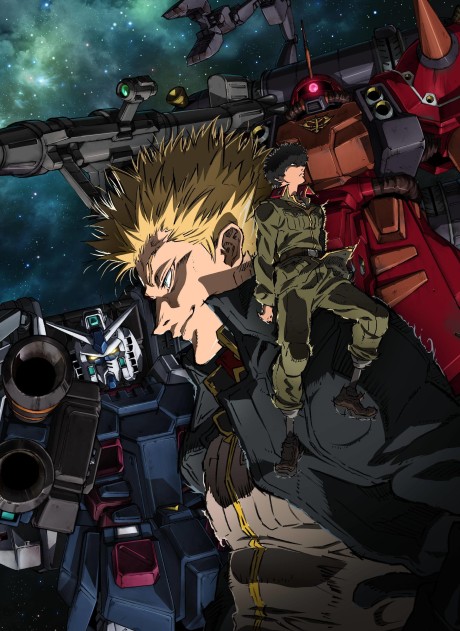
Mobile Suit Gundam Thunderbolt
The story is set in the same One Year War in UC 0079 as the first Mobile Suit Gundam anime series. It follows the battles between two ace pilots of the Principality of Zeon and the Earth Federation at the "Thunderbolt Sector," a shoal zone with numerous wrecks of space colonies and warships.
(Source: Anime News Network)
📺Anime Details
📝Editorial Analysis
The static hiss of a damaged comms channel. A flickering cockpit display reflecting the jagged silhouette of a shattered colony fragment—twisted metal, frozen corpses drifting in zero-G, the acrid tang of burnt insulation thick in the recycled air. Daisuke Aramaki’s battered Zeon mobile suit drifts sideways, one arm gone, thrusters sputtering, as a Federation beam saber slices through the wreckage beside him—not aimed at him, not yet—just carving chaos into the thunderbolt sector’s graveyard. There’s no heroic music. No rallying cry. Just the low groan of stressed alloy and the hollow thunk of debris bouncing off his armor.
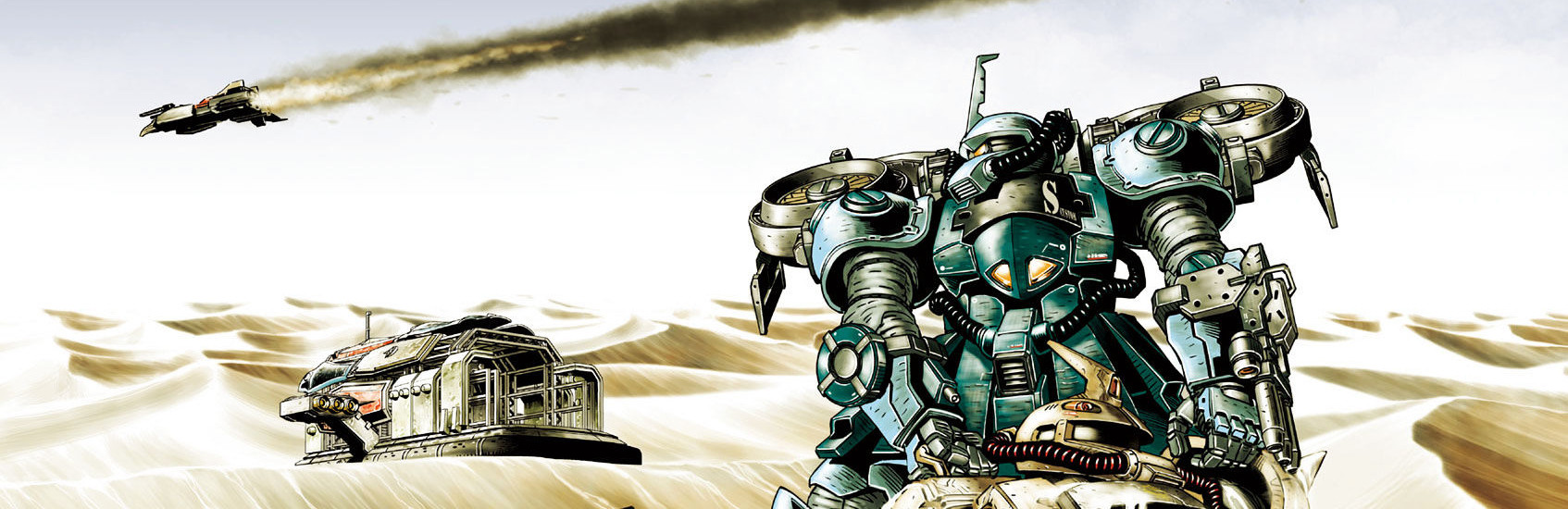
This isn’t war as spectacle. It’s war as weight: the weight of gravity-less inertia, of decisions made in 0.3 seconds, of guilt that doesn’t dissolve in vacuum. Mobile Suit Gundam Thunderbolt doesn’t ask you to pick a side—it forces you to feel the grind of both. The Zeon pilot isn’t a fanatic; he’s exhausted, pragmatic, haunted by the cost of survival. The Federation ace isn’t a clean-cut hero—he’s wired with neural implants that blur pain and purpose, his body slowly failing under the strain of combat augmentation. The setting—the Thunderbolt Sector—isn’t just backdrop. It’s a character: a necropolis of war, where every scrap of debris is a tombstone and every engagement feels like trespassing on mass graves. You don’t win here—you persist. And that persistence tastes like rust and regret.
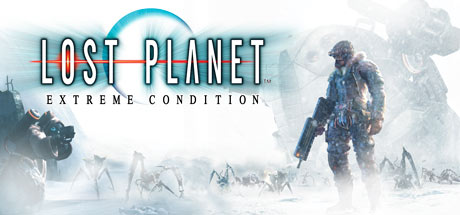
That emotional DNA—claustrophobic scale, moral erosion disguised as duty, technology as both lifeline and liability—echoes in surprising places. Take Lost Planet™: Extreme Condition. Its description nails it: “Driven to the brink of extinction on ice-covered wastelands, humankind fights to survive.” Not for glory. Not for ideology. For heat, for oxygen, for one more hour before the cold wins. The player review laments Capcom’s failure to fix older editions—but that frustration mirrors Thunderbolt’s own unresolved tension: systems breaking down, promises unkept, survival perpetually deferred. Both treat mecha not as symbols of power, but as fragile, overheating, failing extensions of broken bodies in hostile voids.
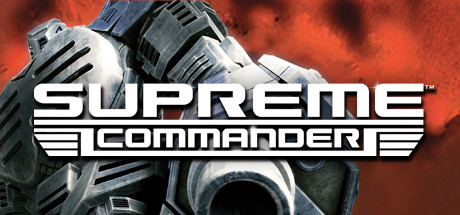
Then there’s Supreme Commander, where “three opposing forces have waged war for what they believe is true” in “The Infinite War.” The player review cuts deep: “The scale of the battles is immense… but it feels different even today.” That difference? It’s the silence between orders. The way massive units lumber across continents while individual pilots vanish without fanfare—just like Thunderbolt’s nameless Federation grunts vaporized mid-transmission. Neither glorifies command; both expose its abstraction. Strategy isn’t chess—it’s triage at planetary scale, where ethics get buried under resource allocation menus and casualty reports filed as “acceptable loss.”
Even Space Quest™ Collection, with its “completely twisted” tone and adult, dark seinen edge, resonates—not in tone, but in structure. Its description calls it “a blast from the past,” and the player review celebrates freedom to act without guaranteed consequence. That anarchic, almost nihilistic agency—where choices loop back in absurd, unmoored ways—mirrors Thunderbolt’s refusal to resolve its central conflict. There’s no catharsis, no tidy peace treaty. Just the same ruined sector, the same ghosts in the static, the same unanswered question hanging in the black: What does endurance cost when victory has no shape?
This pairing speaks to the viewer who watches a battle scene and counts the breaths between explosions. To the player who pauses mid-mission not to strategize—but to stare at a ruined cityscape rendered in polygons, wondering who lived there before the map reset. It’s for the ones who flinch at a character’s prosthetic hand twitching—not from awe, but recognition. Who understand that duty and despair share the same pulse rate in zero-G. Not fans of mecha as toys or war as legend—but those who know the real horror isn’t dying in space. It’s remembering how the air tasted on Earth.
🎮23 Games That Match the Vibe
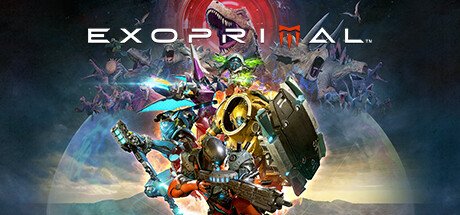
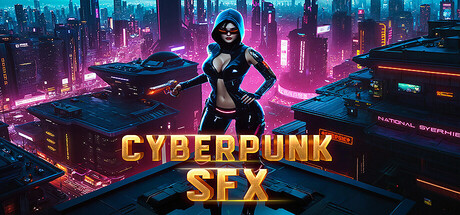
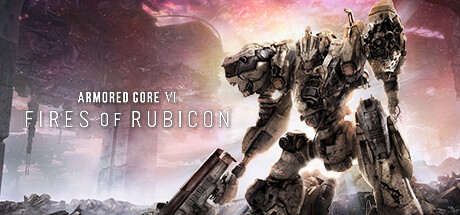
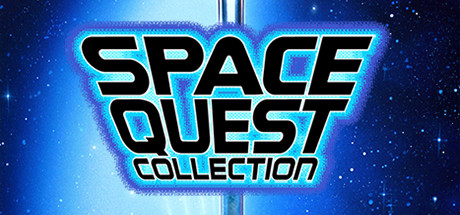


Match Dimensions Explained
❓Frequently Asked Questions
Why does Lost Planet: Extreme Condition feel so similar to Gundam Thunderbolt's ice battlefield scenes?
Because both drop you into desperate, high-stakes combat on frozen wastelands—Lost Planet’s E.D.N. III has those same brutal Akrid ambushes and collapsing ice bridges that mirror Thunderbolt’s Zeon-occupied Arctic bases. You’ll pilot a VS (Vital Suit) just like in Thunderbolt’s mobile suit sequences, with weighty movement, thermal management mechanics, and explosive close-quarters takedowns against massive alien threats.
Is there a Gundam Thunderbolt anime or game adaptation I can actually play right now?
No official Thunderbolt game exists—but Tribes: Ascend nails the military sci-fi mecha vibe with its fast-paced, team-based vehicular combat and tactical map control. Think of it as Thunderbolt’s spiritual cousin: you’re not piloting a Zaku, but you *are* zipping across snowy ridges in a jetpack-equipped armor suit, calling in orbital strikes and flanking enemies just like the Federation’s elite units do in the OVA’s Jaburo assault scenes.
How does Supreme Commander compare to Lost Planet: Extreme Condition for Thunderbolt fans?
Supreme Commander trades Thunderbolt’s gritty, character-driven frontline chaos for massive-scale strategic warfare—like watching the entire One Year War unfold from orbit. While Lost Planet puts you *in* the cockpit dodging Akrid swarms on E.D.N. III’s glaciers, Supreme Commander lets you command fleets of experimental mechs (like the Cybran Seraphim) across continent-sized maps, echoing Thunderbolt’s grand naval-mecha duels between the Spiegel and Drieden fleets—but with RTS precision instead of third-person action.
What’s the best game like Thunderbolt if I want that tense, lonely, 'last man on a dead ship' vibe?
Mr. Robot is your pick—it drops you as Asimov, a lone service mechanoid aboard the failing colony ship Eidolon, where malfunctioning AI and eerie silence echo Thunderbolt’s claustrophobic bridge scenes aboard the Spiegel. The retro pixel-art exploration, turn-based combat against rogue drones, and quiet dread of isolation (plus those sudden, jarring mech-on-mech skirmishes in narrow corridors) hit the same dark, atmospheric notes as Thunderbolt’s most haunting flashbacks.