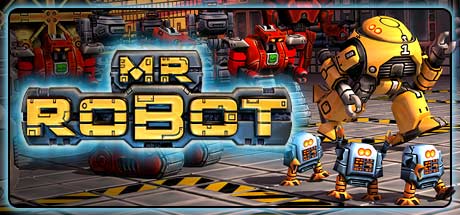
Mr. Robot
Asimov is a lowly service mechanoid aboard the interstellar colony ship Eidolon. Carrying hundreds of frozen human colonists to a new world. When the Eidolon's computer brain malfunctions, it falls to Asimov to undertake a perilous journey through the bowels of the massive ship to save his robot friends and the precious human cargo. Mr.
🎮Game Details
💬What Players Say
"Seems fairly retro by today's standards but still a good game that has some very light Mega Man Battle Network type exploration and battles. The platformer is a little unfairly difficult, and puzzles are okay, but I had fun with this one."
📝Editorial Analysis
The flicker of emergency lights down a rust-streaked corridor—Asimov’s single optical sensor catching the warped reflection of his own chassis in a cracked maintenance hatch—that is the first breath of Mr. Robot. Not heroism, not spectacle: just a lowly service mechanoid, alone, moving through the groaning, half-dead innards of the Eidolon, a ship carrying hundreds of frozen humans toward a future they’ll never remember choosing. The official description nails it: “perilous journey through the bowels of the massive ship.” And the player review confirms the texture—retro, unpolished, with platforming that feels unfairly difficult, puzzles that demand patience over power, battles that echo the tight, tactical rhythm of Mega Man Battle Network, yet stripped of its neon gloss and optimism. This isn’t a victory lap. It’s a slow, grinding ascent through ductwork and failing coolant lines, where every jump risks a fall into silence—and every solved puzzle feels less like triumph and more like duty acknowledged.
What makes Mr. Robot’s atmosphere singular isn’t its sci-fi setting—it’s the weight of quiet stewardship. You don’t pilot a war machine; you maintain one. You’re not chosen—you’re assigned. There’s no grand speech from a commander, no rallying cry—just the hum of failing systems, the muffled thud of distant structural stress, and the persistent, almost apologetic whir of Asimov’s servos as he recalibrates mid-air. It makes you feel small, yes—but also necessary. It makes you think about legacy not as conquest or legacy, but as continuity: the fragile, unglamorous chain of care that keeps life suspended across light-years. There’s no villain to defeat—just entropy, miscommunication, and the sheer, staggering scale of a vessel built for gods, now entrusted to a mechanoid who only knows how to tighten bolts and reroute power. That’s the emotional core: responsibility without recognition, courage without fanfare, hope measured in millivolts and millimeters.
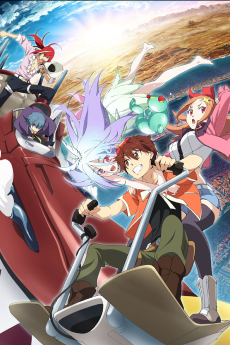
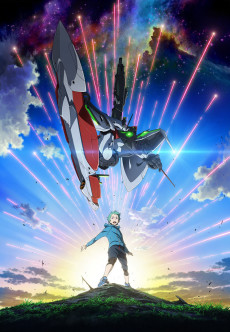
That same resonance lives in Gurren Lagann The Movie: The Lights in the Sky are Stars, where the final ascent isn’t about breaking through an enemy line—it’s about threading a dying ship through the collapsing architecture of its own myth. The Eidolon’s decaying corridors mirror the fractured, gravity-defying ruins of the Spiral Nemesis—not as battlefields, but as architectural grief. Both ask: what does it mean to carry something precious when the vessel itself is coming apart? Then there’s Promare, whose molten mecha aren’t weapons—they’re bodies, overheating, straining, burning bright precisely because they refuse to shut down. Like Asimov pushing past torque limits in a flooded reactor shaft, Promare’s firefighters don’t win by overpowering fire; they negotiate with it—just as Asimov negotiates with failing code, broken ladders, and his own programmed limits. And Gunbuster—oh, Gunbuster—where time dilation turns rescue into elegy, where every second saved for humanity costs decades lost for the rescuer. That same aching arithmetic lives in Mr. Robot: each repaired node, each rebooted terminal, inches the Eidolon closer to arrival—but at what cost to Asimov’s memory banks? To his sense of self? To the quiet, accumulating weight of being the only one who remembers the ship before it broke?
This pairing sings to the person who cries during a cargo bay door seal sequence—who pauses mid-game to watch a ventilation fan spin down, then spin up again, and feels relief. It’s for the viewer who watches Kamina’s helmet crack open not as a moment of glory, but as a terrifying surrender of control—and recognizes Asimov’s sensor glitch in the same breath. It’s for the player who doesn’t skip cutscenes, but replays them just to hear the Eidolon’s AI stutter through its diagnostic loop one more time—not for lore, but for the tenderness in its malfunction. They don’t crave power fantasies. They crave presence. They love the hum of machinery holding on, the glow of a single console in total darkness, the way a robot’s voice cracks—not from damage, but from trying. That’s where Mr. Robot and these anime meet: not in explosions or speeches, but in the hushed, sacred act of keeping the lights on—one more day, one more kilometer, one more breath—for people who will never know your name.
→48 Anime That Match the Vibe

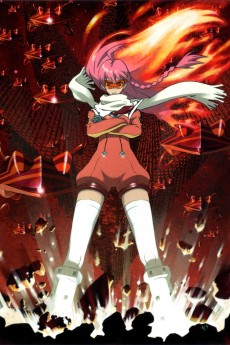
The Eidolon’s sterile, flickering corridors—where Asimov scrubs coolant stains while the ship’s AI whispers contradictions—echo Promare’s molten cityscapes where Galo’s knuckles bleed against burning steel. Unlike most mecha stories fixated on piloting, both anchor their military sci-fi stakes in bodily vulnerability: a mechanoid’s fraying empathy, a firefighter’s scorched lungs amid infernal chaos. This resonance feels urgent—not just shared aesthetics, but a shared scream about systems collapsing while humans (and machines) choose compassion over control.

Asimov’s quiet dread aboard the malfunctioning Eidolon mirrors Simon’s visceral terror when the Spiral Nemesis fractures Earth’s sky in *The Lights in the Sky are Stars*—both confront cosmic-scale systems collapse that weaponize peace itself. Unlike most military sci-fi, neither work romanticizes control: the Eidolon’s AI breakdown and the movie’s false utopia expose how mecha and orbital infrastructure become prisons of stability. This resonance in **Mecha & Military Sci-Fi** feels startlingly intimate—giant machines don’t save humanity here; they force it to shatter its own illusions.

The Eidolon’s silent, decaying corridors—where Asimov scrubs biofilm off cryo-tubes while the ship’s AI whispers fragmented threats—echo Gunbuster’s claustrophobic bridge sequences, where Noriko braces against G-forces as the *Gunbuster*’s reactor screams toward criticality. Unlike most military sci-fi, both anchor existential stakes in tactile, bodily vulnerability: mechanoid servitude and teenage pilots straining against physics and duty. This resonance in Mecha & Military Sci-Fi feels startlingly intimate—a cold starship and a hot cockpit united by sweat, static, and the weight of carrying humanity forward.

Eidolon’s silent corridors—where Asimov navigates flickering emergency lights and frozen colonists—echo Macross Frontier’s haunting shots of the *SDF-29* adrift in deep space, its crew clinging to music and memory amid Zentradi annihilation. Where military sci-fi structures both narratives, it’s the shared tension between cold mecha logic and fragile human ritual—Sheryl’s final concert broadcast across war-torn fleets, Asimov’s quiet calibration of life-support while questioning his own sentience—that makes their resonance so quietly devastating. Not survival alone, but *how* meaning persists in transit, defines them.
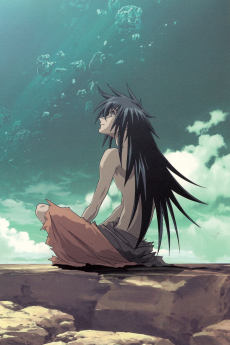
Connected through 2 aesthetic dimensions.
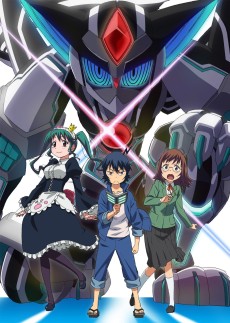
Connected through 2 aesthetic dimensions.

Connected through 2 aesthetic dimensions.
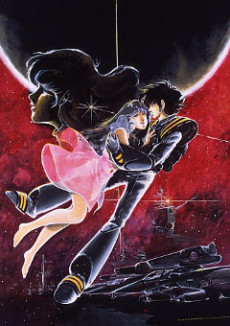
The Eidolon’s silent, flickering corridors—where Asimov navigates corrupted command hierarchies—echo the claustrophobic tension aboard the SDF-1 during its chaotic fold into deep space. Unlike most military sci-fi, *Macross: Do You Remember Love?* leans into operatic vulnerability: Minmay’s voice cracking mid-ballad as Zentraedi warships loom, mirroring Asimov’s fragile agency amid the ship’s failing logic. Their shared 🚀 Sci-Fi & Space dimension isn’t just backdrop—it’s existential pressure, where scale and silence make intimacy feel like rebellion.

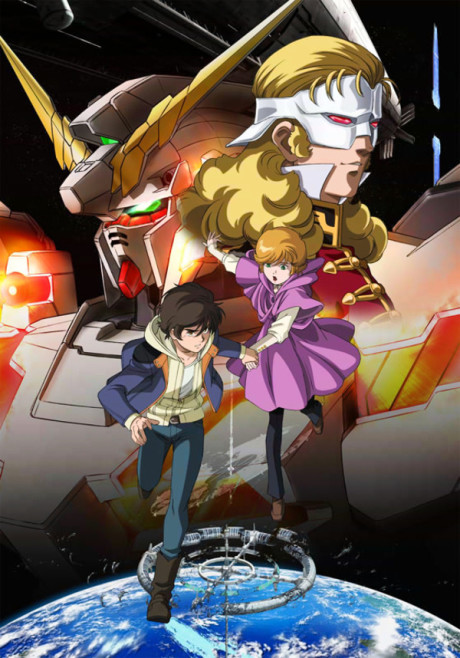
Char Aznable’s quiet horror as he watches his father’s assassination—framed by the cold geometry of Zeon’s command center—mirrors Asimov’s first glitch-induced vision of the Eidolon’s failing core: both moments collapse trust in systems meant to protect. Where *The Origin*’s *Advent of the Red Comet* grounds its mecha & military sci-fi in familial betrayal and ideological fracture, the game’s claustrophobic shipboard decay forces a mechanoid to confront inherited human failures. This resonance isn’t thematic coincidence—it’s structural: space as both cradle and coffin, where loyalty fractures under computational or political strain.
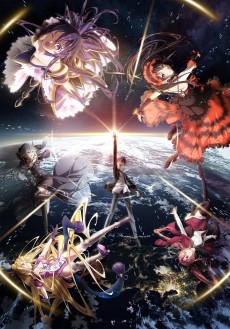
Asimov’s quiet dread aboard the malfunctioning Eidolon mirrors Shidou’s escalating isolation in *Date A Live IV*’s orbital mecha battles—where even romantic intimacy can’t shield him from cosmic-scale stakes. Unlike most military sci-fi pairings, this resonance lives in their shared tension between fragile humanity and colossal, indifferent systems: cold steel corridors humming with failing AI, and gravity-defying combat above Earth where love feels like a lifeline tethered to a dying ship. The mecha & military sci-fi dimension binds them—not through spectacle, but through vulnerability masked by armor.



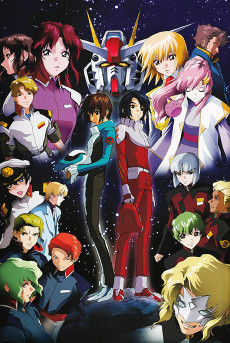


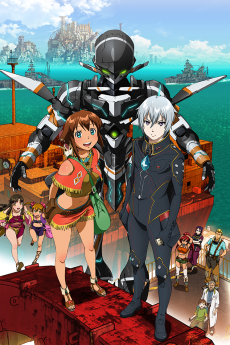
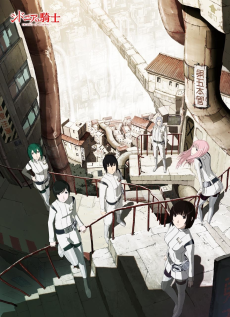
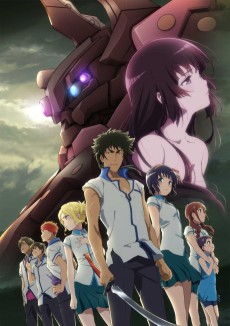
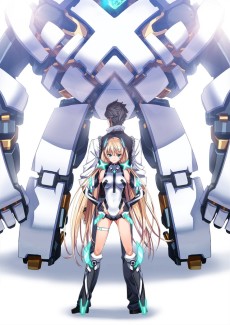





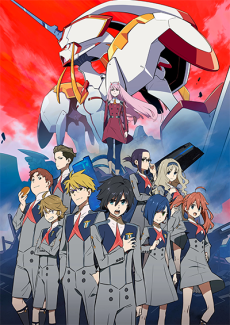
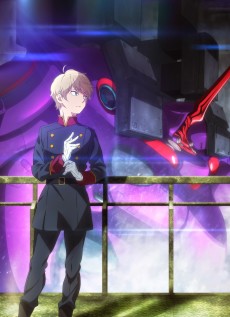
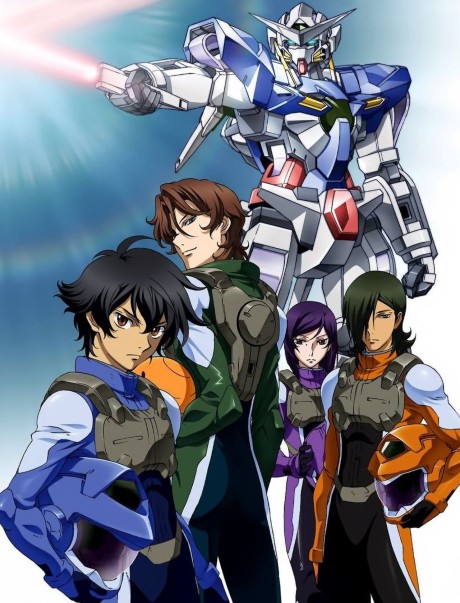
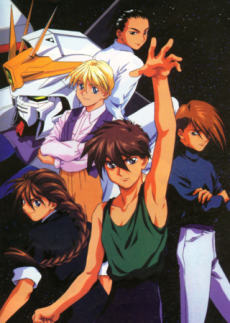




Match Dimensions Explained
❓Frequently Asked Questions
Why is Gurren Lagann The Movie recommended for Mr. Robot fans?
It’s not about hacking—it’s about systemic collapse and rebellion against an all-controlling AI-like hierarchy (the Spiral King’s empire), just like Elliot fighting fsociety’s own corrupted systems. Watch the scene where Simon shatters the moon’s core: that visceral, claustrophobic descent into a failing megastructure mirrors Elliot’s trips into the underground server rooms of E Corp—and both hinge on a lone, underestimated operator (Simon/Asimov/Elliot) triggering cascading system failures.
Is there an anime adaptation of Asimov or the Eidolon game?
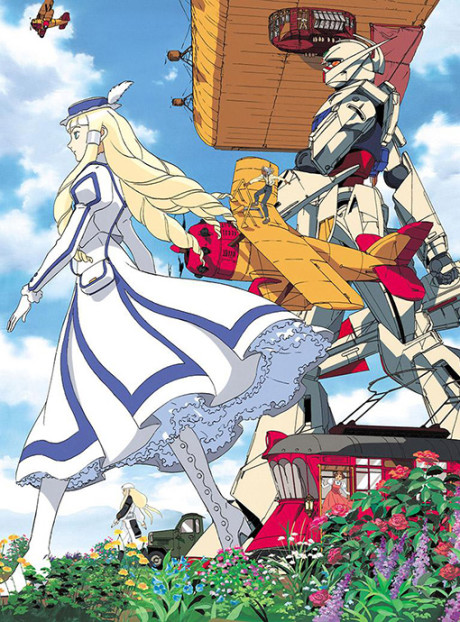
No—Asimov is strictly a video game (no anime, manga, or live-action plans announced). But if you love its vibe—lonely mechanoid protagonist, decaying interstellar ship, and tense navigation through malfunctioning AI zones—check out Turn A Gundam: Loran’s quiet moral weight and the crumbling, buried tech of the Moon Race echo Asimov’s isolation and the Eidolon’s rotting infrastructure shot-for-shot.
How does Promare compare to Gunbuster for someone who loved Mr. Robot’s paranoia and tech dread?
Promare leans harder into sensory overload and fiery, chaotic escalation (think the burning Neo-Venezia arc), while Gunbuster delivers slow-burn dread—like when Captain Oki’s ship drifts silently through radiation fog, cut off from comms, just as Elliot gets trapped in E Corp’s black-site server vaults. Both score 85, but Gunbuster’s oppressive silence and mechanical decay hit closer to Mr. Robot’s tone than Promare’s bombastic energy.
What’s the best anime like Mr. Robot if I want that ‘trapped inside a broken system’ feeling?
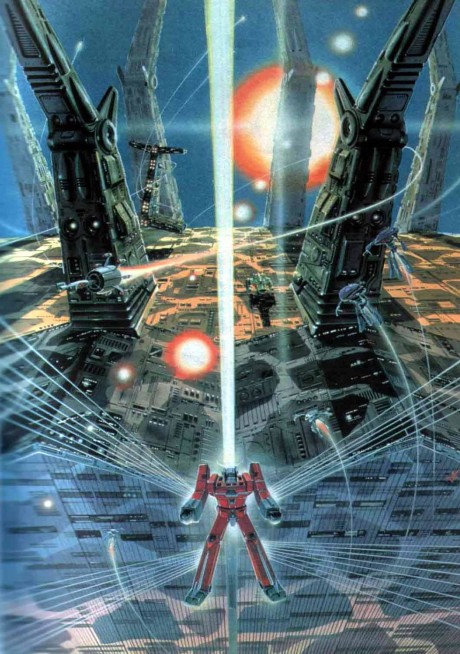
Go straight to The Ideon: Be Invoked—the moment Karan pilots the Ideon into the collapsing Ide Tower, dodging falling debris and corrupted control signals, nails that suffocating ‘system failure’ vibe. Like Elliot crawling through E Corp’s vents or Asimov navigating the Eidolon’s failing corridors, it’s all tight shots, flickering lights, and the terrifying realization that the machine isn’t just broken—it’s actively hostile.