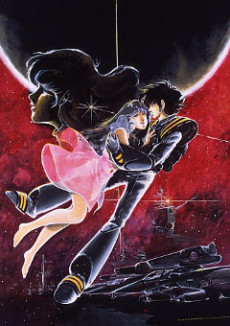
Macross: Do You Remember Love?
A.D. 2009 - The human race is in the middle of a three-way war with a race of giant humanoid aliens called the Zentraedi (male) and Meltrandi (female). After executing a space fold that sent it and part of South Atalia Island to the edge of the Solar System, the space fortress Macross is on its way back to Earth. During a small skirmish with Zentraedi forces, young pilot Hikaru Ichijo rescues idol singer Lynn Minmay and their relationship develops as they're stranded somewhere within the ship. But shortly after returning to Macross City, Minmay is captured by the Zentraedi, and Hikaru and female officer Misa Hayase end up back on Earth - only to view the aftermath of the destruction of their civilization. Only a song discovered eons ago - along with Minmay's voice - can determine the outcome of the war.
(Source: Anime News Network)
📺Anime Details
📝Editorial Analysis
The hum of the Macross’s gravity generators, low and constant as a heartbeat, vibrating up through the soles of Hikaru’s boots as he leans against the observation blister—outside, Earth hangs impossibly blue and silent, while inside, Minmay’s voice spills from a cracked speaker, thin but alive, cutting through the metallic hush of war-tired corridors. That moment—stranded between stars, engines idling, love blooming in the shadow of folding space—isn’t just setting. It’s the show’s nervous system: fragile intimacy pressed up against colossal, indifferent machinery.
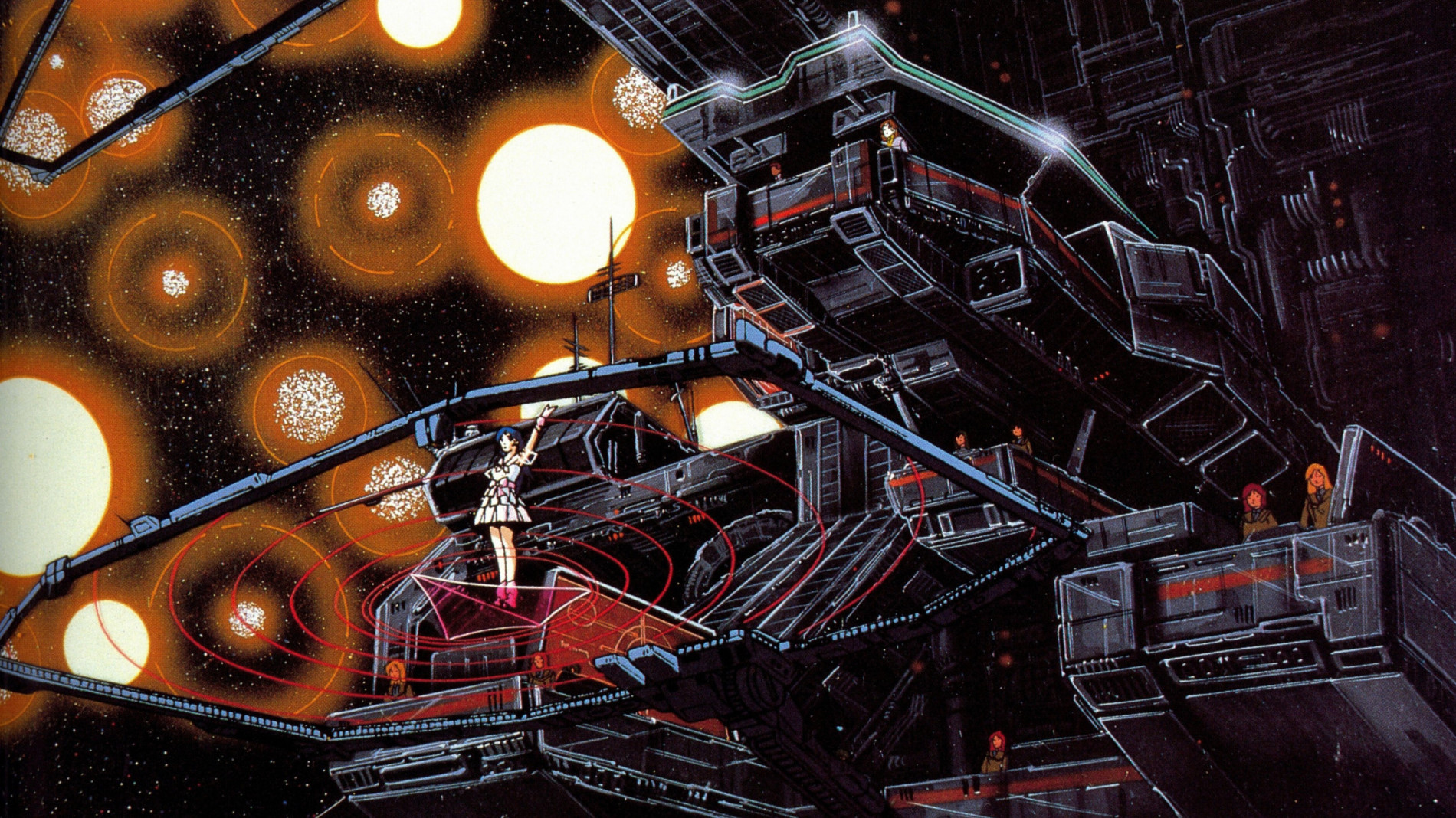
What makes Macross: Do You Remember Love? ache like no other is how it treats scale as emotion. Not spectacle for its own sake—but the weight of distance (Earth receding), the tremor of vulnerability (a singer’s voice trembling mid-verse during an air raid), the quiet shock of two people realizing their feelings aren’t just personal—they’re the first human notes in a language the Zentraedi have never heard. It doesn’t ask you to choose between duty and desire; it forces you to hold both, simultaneously, like balancing a fighter jet on a carrier deck mid-storm. The feeling isn’t adrenaline or awe—it’s tenderness under pressure, a warmth that persists because the cold is so vast.
That same emotional resonance flickers in Shatter, where music isn’t background—it’s mechanism. Its description calls it “retro-inspired brick-breaking,” but the player review nails the soul: “the concept is simple but mastering it is difficult… fun even when you don’t have it mastered.” Like Minmay’s songs—simple melodies that rewire alien biology—Shatter’s soundtrack isn’t decoration. It pulses with rhythm that drives the physics, syncs with your paddle’s bounce, turns destruction into choreography. You don’t just hear the beat—you feel it in your timing, your breath, your failure and recovery. That’s the Macross DNA: music as emotional infrastructure, not ornament.
Then there’s Supreme Commander, where war isn’t won by heroes but by perspective. Its description frames “The Infinite War” as ideological absolutism across millennia—but the player review reveals what matters: “The scale of the battles is different even today.” Zoom out, and you see continents-sized fleets; zoom in, and a single engineer repairs a damaged walker under fire. Just like the Macross—where a love triangle unfolds in mess halls while capital ships fold across light-minutes—Supreme Commander makes you feel both the crushing weight of galactic conflict and the stubborn, human insistence on small acts of care: building a shield generator, rerouting power, holding a line not for glory, but because someone’s still singing somewhere behind it.
Even Lost Planet™: Extreme Condition, buried in its description about “ice-covered wastelands” and “gargantuan alien Akrid,” carries that same visceral duality. The player review complains about technical flaws—but beneath that frustration is admiration for survival against impossible odds, where every mech suit feels jury-rigged, every thermal lance a desperate spark against encroaching cold. Like Hikaru’s VF-1, barely patched after battle, roaring back into the void—not because it’s perfect, but because someone has to. The game’s frozen expanse mirrors the Macross’s lonely transit: hostile, beautiful, indifferent—and yet, somehow, inhabitable.
This pairing isn’t for fans of clean victories or tidy romances. It’s for the person who rewatches the scene where Minmay sings “My Boyfriend Is a Pilot” not for the lyrics, but for the way the camera lingers on Hikaru’s gloved hand, hovering just shy of touching hers—uncertain, aching, real. It’s for the player who spends twenty minutes in Supreme Commander not attacking, but reinforcing a forward base, knowing the next wave will come—and still plants a sensor tower shaped like a flower in the snow. It’s for anyone who’s ever loved something fiercely because it’s falling apart around them. Not in spite of the chaos—but within it, breath held, heart open, humming a tune only they know how to finish.
🎮9 Games That Match the Vibe

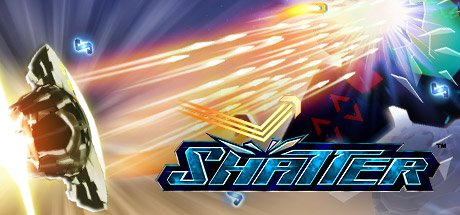

Match Dimensions Explained
❓Frequently Asked Questions
Why does Lost Planet: Extreme Condition keep coming up in Macross: Do You Remember Love? discussions?
Because both lean hard into desperate, large-scale military sci-fi with mecha-vs-alien spectacle—like Lost Planet’s snowbound battles against towering Akrid mirroring the Macross film’s epic space dogfights and ground assaults. The game even echoes Lynn Minmay’s emotional weight through its lone survivor protagonist, Wayne, struggling to reclaim identity amid war-torn colonies—just like Hikaru’s arc across love, duty, and trauma.
Is there a Macross: Do You Remember Love? game adaptation?
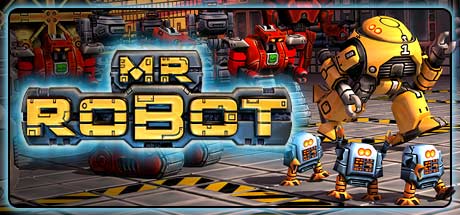
No official direct adaptation exists—but Mr. Robot (the 2016 indie title, not the show) captures the soul of it surprisingly well: Asimov the mechanoid aboard the colony ship Eidolon evokes the isolation and quiet awe of Macross’ deep-space setting, while its retro-futuristic visuals and melancholy tone mirror the film’s blend of intimacy and cosmic scale. Even its light Mega Man Battle Network–style exploration feels like wandering the SDF-1’s corridors at night.
How does Tribes: Ascend compare to Supreme Commander for Macross fans?
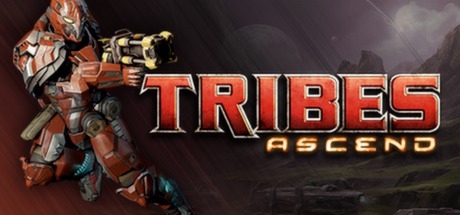
Tribes: Ascend gives you that high-speed, team-based aerial dogfighting rush—think VF-1 Valkyrie squadron maneuvers over orbital battlefields—with tight movement and objective play, while Supreme Commander delivers the grand strategic sweep of Macross’ fleet engagements: massive capital ships, layered defenses, and battlefield control that makes you feel like a fleet admiral coordinating from the bridge. Both nail the ‘military sci-fi’ vibe, but Tribes is *action*, Supreme Commander is *orchestration*.
What’s the best game like Macross: Do You Remember Love? if I want that bittersweet, romantic yet epic space opera vibe?
Mr. Robot is your best bet—it’s got that same hushed, starlit loneliness: Asimov tending frozen colonists aboard the Eidolon, uncovering glitches in memory and purpose, just like Hikaru remembering Lynn’s song amid the ruins of space combat. Its gentle pixel art, melancholic synth score, and quiet moments of discovery hit the exact emotional frequency of Do You Remember Love?’s most haunting scenes.