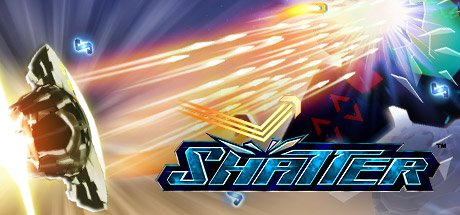
Shatter
Shatter is a retro-inspired brick-breaking game that merges familiar action with unique twists and a modern crafted production approach.
🎮Game Details
💬What Players Say
"Like most great games, the concept is simple but mastering it is difficult. Also like most great games, it's fun even when you don't have it mastered. I've only got about 90 minutes invested in this so far but I have no doubt I'll steadily add to that in the coming months...."
"I vaguely remember playing this on 360 way back. Glad I found it again!"
📝Editorial Analysis
The screen flares—crimson, cobalt, electric violet—as the paddle shudders beneath your thumb, vibrating just enough to whisper you are here, you are holding on. A brick shatters—not with a dull thud, but a crystalline ping that lingers like a struck tuning fork. Then another. And another. You’re not just clearing blocks; you’re conducting light and rhythm in real time, each bounce a beat, each cascade a phrase. That’s Shatter: retro at its bones, but alive in its pulse—exactly as the official description promises: “a retro-inspired brick-breaking game that merges familiar action with unique twists and a modern crafted production approach.” It’s not nostalgia for its own sake—it’s nostalgia recharged, humming at 120Hz. One player puts it perfectly: “Like most great games, the concept is simple but mastering it is difficult. Also like most great games, it's fun even when you don't have it mastered.” That duality—that grace under pressure, that quiet joy in mere participation—is the game’s heartbeat.
What makes Shatter’s atmosphere singular isn’t its mechanics—it’s the weightless urgency it sustains. There’s no story text, no cutscenes, no voiceover—just geometry, sound design so precise it feels tactile, and music that doesn’t soundtrack the action but is the action: synths swell as shards multiply, bass drops when the multiplier hits x8, silence hangs just long enough before the next wave to let your breath catch. It makes you feel focused, yes—but also euphoric, resonant, in sync. You’re not solving puzzles or managing resources. You’re riding a wave of cause-and-effect so clean and immediate it borders on ritual. It asks nothing more than presence—and rewards it with pure, shimmering flow. That’s why a player recalls it years later—“I vaguely remember playing this on 360 way back. Glad I found it again!”—not for lore or characters, but for the feeling of being perfectly attuned.
That same feeling lives in Cosmic Princess Kaguya!, where idol performance isn’t spectacle—it’s cosmic alignment. Her voice doesn’t just sing; it bends gravity, refracts starlight, turns stage lasers into physical vectors. The dimension tags—Music & Idol, Sci-Fi & Space—aren’t categories. They’re coordinates. When Kaguya floats mid-air, mic in hand, and her chorus triggers a supernova bloom across the nebula backdrop, it’s the same shimmer-and-shatter logic as the game: input (her note) → resonance (light burst) → cascade (stardust ripple). No exposition needed—just impact, harmony, scale.
Then there’s Macross Frontier: The Wings of Farewell, where Sheryl Nome’s final concert isn’t a farewell—it’s a frequency lock. The VF-25s don’t just fly in formation; they pulse in time with her high C, their wing thrusters flaring in perfect sync with the synth arpeggio. Again: Music & Idol, Sci-Fi & Space—but rendered as emotional physics. The screen doesn’t show strategy; it shows vibration. When her voice cracks open the Fold barrier, it feels less like plot and more like the moment in Shatter when your paddle catches the ball just right and the entire playfield erupts in golden particles—same precision, same transcendence through timing.
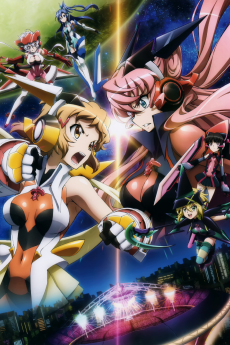
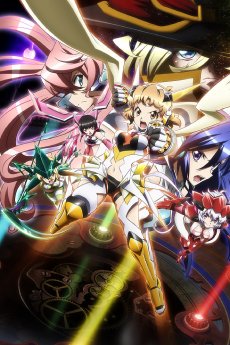
And Symphogear, where every gear activation is a sonic detonation: Miku’s scream isn’t emotion—it’s waveform energy, reshaping matter. The combat isn’t about strength; it’s about pitch, duration, harmonic convergence. Bricks become armor plating. Paddle becomes gauntlet. The ping of a shattered block? That’s the crack of a Symphogear stabilizer locking into overdrive. Here, Action Spectacle isn’t pyrotechnics—it’s rhythmic consequence. Every hit lands because the music demands it land. Just like in Shatter, where missing the ball isn’t failure—it’s a silence the game notices, then fills with deeper bass, sharper light, a more urgent tempo.
This is for the person who replays the same boss fight not to win, but to feel the rhythm click—the one who watches an idol concert and doesn’t hear lyrics, but vibrations in their molars. It’s for the listener who pauses a track at 2:17 just to savor how the snare lands exactly between heartbeats. Not collectors. Not completionists. Resonators. Those who know that the most profound connections aren’t told—they’re felt, in the hum of a speaker, the tremor of a controller, the split-second suspension before light breaks.
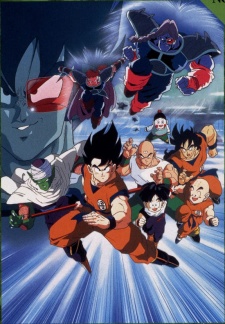
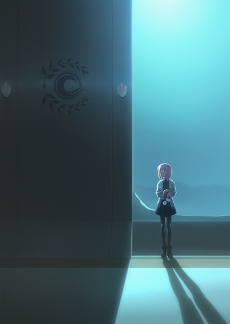
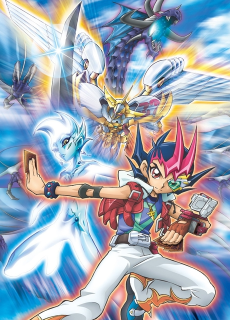
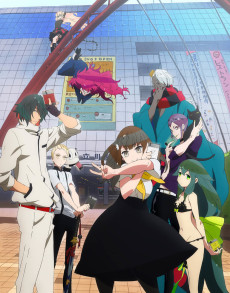
→47 Anime That Match the Vibe
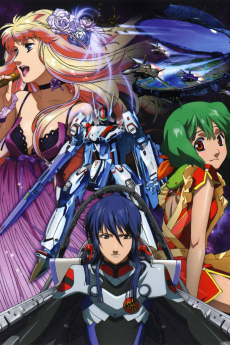
Connected through 2 aesthetic dimensions.

Kaguya’s celestial concert—where her voice shatters moon-ice into glittering shards—mirrors Shatter’s core mechanic of fracturing blocks into rhythmic particle bursts. Where the game transforms retro brick-breaking into a music-synced sci-fi spectacle, the film retools Japan’s oldest folktale into a genre-blending idol-fueled space opera. This resonance isn’t coincidence: both weaponize 🎵 Music & Idol to amplify cosmic stakes, turning destruction into choreographed beauty.
Connected through 2 aesthetic dimensions.
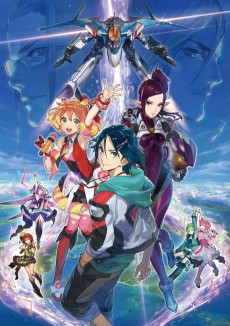
Connected through 3 aesthetic dimensions.
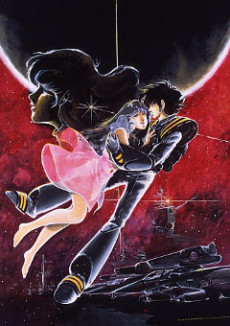
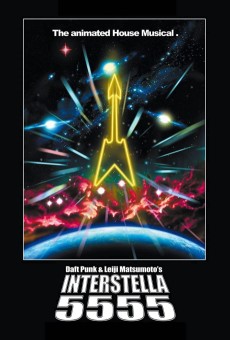
Lynn Minmay’s concert aboard the SDF-1—where lasers, love songs, and folding space collide—feels like a boss stage in *Shatter*, where music isn’t just soundtrack but structural force: beat-synchronized shattering, rhythmic enemy patterns, and visual feedback that pulses like a Zentraedi warship’s energy grid. Unlike most retro shooters, *Shatter* treats 🎵 Music & Idol as physics, just as *Macross: Do You Remember Love?* weaponizes pop performance as literal sci-fi warfare. That shared conviction—that melody can bend reality—is what makes their resonance so electrifying, not nostalgic.
Connected through 2 aesthetic dimensions.
Connected through 2 aesthetic dimensions.

Connected through 2 aesthetic dimensions.
Connected through 2 aesthetic dimensions.







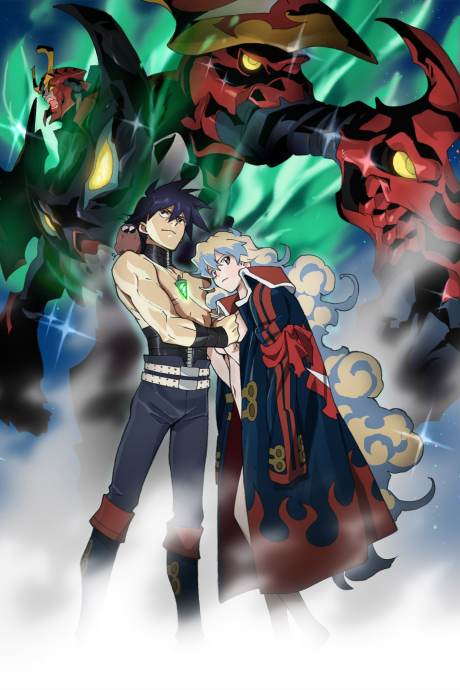


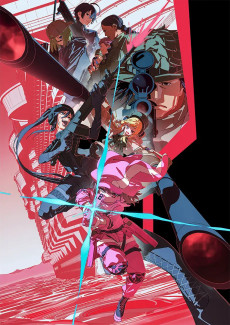


Match Dimensions Explained
❓Frequently Asked Questions
Why is Cosmic Princess Kaguya! considered similar to Shatter?
It’s all about that high-energy, rhythm-driven intensity—like when Kaguya unleashes her 'Stellar Prism Barrage' while synced to a pounding J-pop beat, mirroring how Shatter ties your paddle movements and shard-burst combos to the soundtrack’s pulse. Both demand split-second timing and reward visual-musical synergy, not just reflexes.
Is there an anime adaptation of Shatter?
Nope—Shatter’s strictly a game (originally on Xbox 360, as one player fondly recalled), and there’s no anime adaptation. But if you love its vibe, Symphogear nails that same fusion: think Miku’s Gear activation sequence synced to orchestral rock, where music *is* the combat mechanic—just like Shatter’s sound-reactive shards and beat-based power-ups.
How does Macross Frontier: The Wings of Farewell compare to Shatter in terms of pacing and spectacle?
Both hit that sweet spot of controlled chaos—Shatter’s screen-filling cascade of glowing shards feels like watching Alto’s VF-25 transforming mid-dogfight during the film’s climactic space battle, where every maneuver is tight, rhythmic, and visually layered. It’s not just action; it’s choreographed spectacle with musical precision.
What’s the best anime like Shatter if I want something hype, fast-paced, and music-powered?
Go straight to Symphogear—it’s basically Shatter’s spiritual anime twin. When Hibiki belts out 'Innocent Bright' while her Gear explodes into synchronized energy blades? That’s the same adrenaline rush as chaining perfect rebounds in Shatter to trigger a screen-wide harmonic burst. Pure, polished, music-as-weapon energy.