
Revue Starlight
The franchise centers on "Starlight" — the song and dance revue troupe loved throughout the world. Karen and Hikari make a promise with each other when they're young that one day they'll stand on that stage together. Time passes, and now the girls are 16 years old. Karen is very enthusiastic about the lessons she takes every day, holding her promise close to her heart. Hikari has transferred schools and is now away from Karen. But the cogs of fate turn, and the two are destined to meet again. The girls and other "Stage Girls" will compete in a mysterious audition process to gain acceptance into the revue.
(Source: Anime News Network)
📺Anime Details
📝Editorial Analysis
The spotlight hits Karen’s face—sweat glistening, breath ragged, fingers gripping the edge of the stage as she steps forward alone. Not into applause, but into silence so thick it hums. Then the music swells—not from speakers, but from her, from Hikari’s voice echoing down the stairwell, from the creak of a rusted fire escape, from the thud of a dropped script in the empty auditorium. That moment isn’t performance—it’s recognition. A promise made in childhood, now vibrating in the hollow space between two girls who’ve grown taller, quieter, sharper—and who still move like they’re rehearsing for the same dream, even when they’re on opposite sides of the stage.
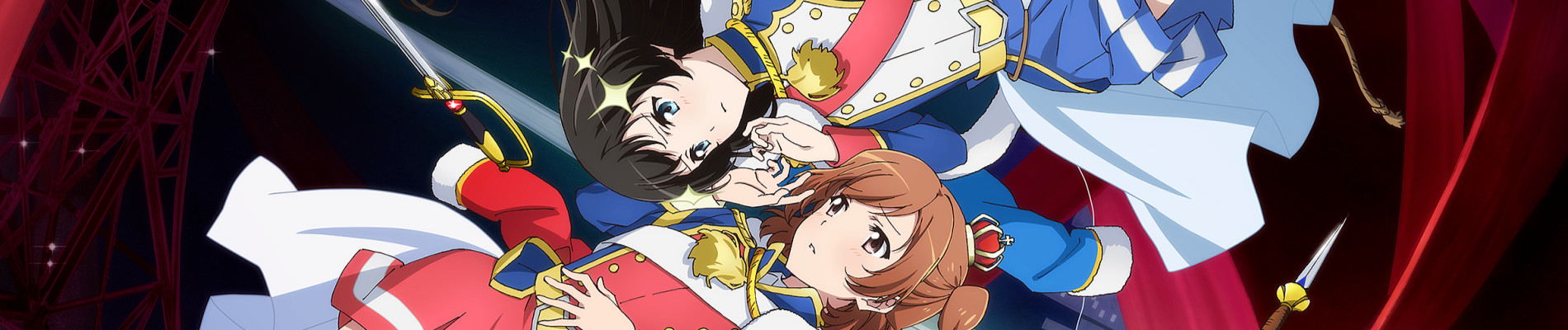
What makes Revue Starlight ache like this isn’t its musical numbers or its boarding-school setting—it’s how it treats longing as architecture. Every corridor is lined with mirrors that reflect not just faces, but versions of selves: the girl who stayed, the one who left, the one who fakes confidence, the one who hides behind choreography. It’s psychological not because it diagnoses trauma, but because it stages interiority—turning rehearsal rooms into labyrinths, stairwells into arenas, and song-and-dance numbers into high-stakes negotiations of identity. You don’t watch it to escape; you watch it to rehearse your own becoming. There’s no catharsis without cost. No triumph without trembling. The air feels charged—not with magic, but with weight: the weight of a vow, of unspoken rivalry, of love so fierce it has to be fought out in combat ballet.
That emotional DNA pulses strongest in games where action isn’t just spectacle—but embodiment. Take AudioSurf: “Ride your music.” Its description says it outright—the shape, speed, and mood of each ride is determined by the song you choose. Just like Revue Starlight, where every revue reshapes reality around emotional resonance, AudioSurf turns personal soundtrack into physical terrain. A player writes: “I, personally, find Audiosurf 1 to be superior… despite its godawful UI, unskippable menu animations, crashing, and flashbanging wh…”—and yet they return. Why? Because the friction matters. Like Karen stumbling mid-pirouette or Hikari freezing mid-line, the glitches aren’t flaws—they’re proof the system feels you. You don’t master it—you negotiate it. Every crash echoes the way Starlight’s girls fracture and reassemble themselves mid-revue.
Then there’s Team Fortress Classic, described as “one of the most popular online action games of all time,” built around nine distinct classes locked in chaotic, stylized warfare. A player recalls: “simply the best nostalgic game, i have dreams about this game. Ive played this since i was 9…” That devotion isn’t just about nostalgia—it’s about role-as-ritual. Each class is a persona you inhabit, refine, discard, reclaim—Medic healing through frantic motion, Spy vanishing then reappearing with lethal grace. Like Starlight’s ensemble, no one wins alone; victory emerges from clashing archetypes learning, painfully, how to hold space for each other. The “Adult & Dark Seinen” tag isn’t about age—it’s about the exhaustion beneath the comedy, the way laughter masks exhaustion, just like Starlight’s glittering smiles never quite hide the tremor in a held note.
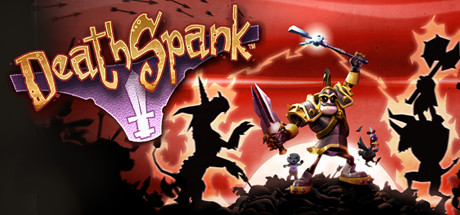
And DeathSpank: Thongs of Virtue, with its “funniest action-RPGs to date,” where absurdity is armor and questing is a series of escalating, self-aware stumbles. Its review calls it “a romp of misadventure through a kingdom to bring about the second coming of justice.” That phrase—second coming of justice—lands like a lyric from Starlight’s own meta-theatrical gospel. Both treat heroism as rehearsal: DeathSpank swings his sword with theatrical flourish, knowing full well the prophecy is ridiculous—and yet he commits. So do Starlight’s girls, leaping off balconies in heels, singing while bleeding, turning betrayal into harmony. Their fairy tale isn’t escapist—it’s insistent. Like DeathSpank’s art style, it’s bright, jagged, knowingly silly—and utterly sincere beneath the glitter.
This pairing isn’t for casual fans. It’s for the girl who rewatches Karen’s solo in Episode 1 three times, not to memorize steps, but to catch the exact frame her throat bobs before she sings. It’s for the player who still has their old Team Fortress config file buried in a Dropbox folder, not because it works better—but because it remembers how they moved through the world at 16. It’s for anyone who’s ever stood in an empty theater at midnight, humming a melody only they know the ending to—and felt, fiercely, rightly, exactly where they belong. Not because the stage is perfect. But because it’s theirs to break, rebuild, and step onto—again and again.
🎮51 Games That Match the Vibe



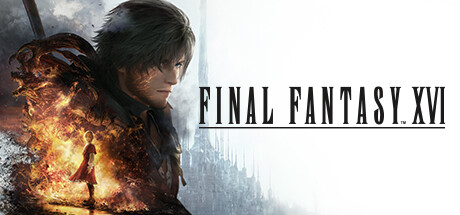
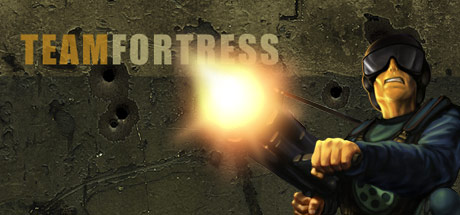
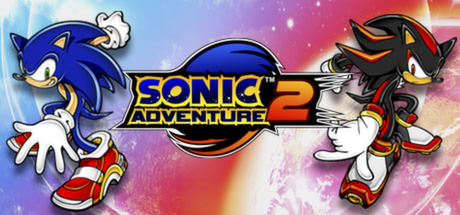
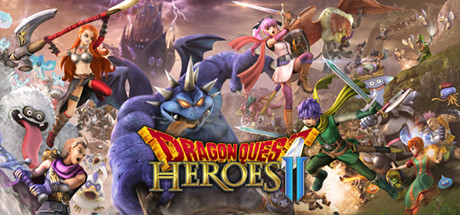
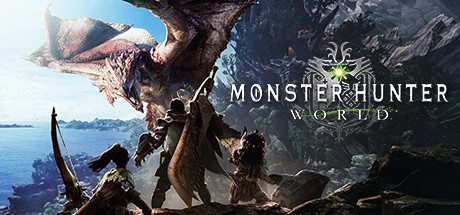
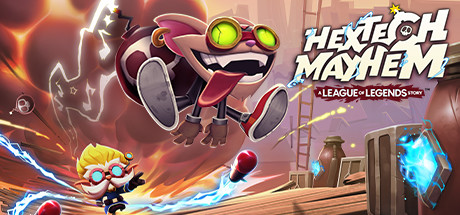
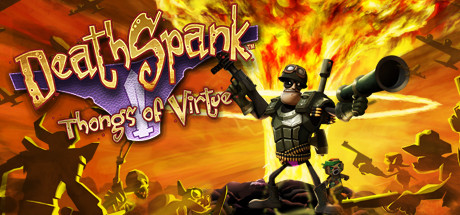








Match Dimensions Explained
❓Frequently Asked Questions
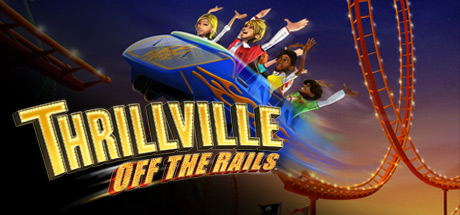
Why does Revue Starlight feel so different from Thrillville®: Off the Rails™ even though both have theatrical energy?
Great question — it’s all about *where* the spectacle lives. Revue Starlight channels its drama through character-driven stage combat and emotional vocal performances, while Thrillville®: Off the Rails™ delivers theatrical energy via over-the-top roller coaster stunts (like launching through the air like cannonballs) and park management with light romance/shoujo vibes. The latter’s ‘showmanship’ is mechanical and playful, not narrative or performative like Starlight’s rooftop duels or ‘Starlight’ musical numbers.
Is there a Revue Starlight mobile game or official anime adaptation?
No official mobile game exists — but the anime *is* real and fantastic! The 2018 TV series (plus sequels like *Rondo* and *The Live*) dives deep into the Stage Girls’ rivalries, rehearsals, and those jaw-dropping 3D stage battles — think Miu’s acrobatic leaps and Claudine’s dramatic monologues. It’s the definitive adaptation, far more faithful and emotionally resonant than any hypothetical game could be.
How does AudioSurf compare to Revue Starlight in terms of music-driven performance?
AudioSurf lets you *ride your own playlist* — the track’s BPM, volume, and mood literally shape the rails and obstacles (e.g., a soaring ballad might generate long, graceful curves; a J-pop banger triggers rapid-fire color blocks). Revue Starlight, meanwhile, uses pre-composed songs like ‘Glorious Break’ as narrative anchors — you don’t control the music, you *embody* it through choreographed fights and vocal delivery. Both are music-as-action, but AudioSurf is personal DJ mode; Starlight is scripted musical theater.
What’s the best game like Revue Starlight if I just want that giddy, over-the-top action-spectacle vibe?
Team Fortress Classic — seriously! Its nine wildly distinct classes (like the Spy’s cloak-and-stab theatrics or the Heavy’s minigun spin-to-win flair) deliver the same kind of bold, personality-first spectacle. Think less 'dance-off' and more 'chaotic backstage brawl meets Broadway', complete with unskippable menu animations and nostalgic charm — one player even says they *dream* about it. It nails the adrenaline + charisma combo without needing a mic or a spotlight.