Devil May Cry® 3 Special Edition
Dante's past is now revealed as Devil May Cry returns to its roots. Master Dante's multiple fighting styles while battling never before seen demons and new characters as you fight your way towards a brutal confrontation with Dante's mysterious twin brother, Vergil.
🎮Game Details
💬What Players Say
"Awful port fantastic game"
📝Editorial Analysis
The first time Dante backflips off a collapsing tower while juggling three demons with Rebellion, then grins as he catches his own hat mid-air—that’s the game. Not just the spectacle, but the audacity: the way the camera lingers on his smirk as rubble rains down, the bassline thumping like a heartbeat under the chaos, the sheer refusal to take itself seriously—even as the story barrels toward something devastating. That’s Devil May Cry® 3 Special Edition, where the official description tells us Dante’s past is “now revealed” and his confrontation with Vergil is “brutal”—but the player review cuts deeper: “Awful port fantastic game…” That dissonance is the soul of it—the messy, human imperfection of execution wrapped around something electrically alive. It’s not polished perfection; it’s sweat, swagger, and a cherry bomb tossed into a cathedral.
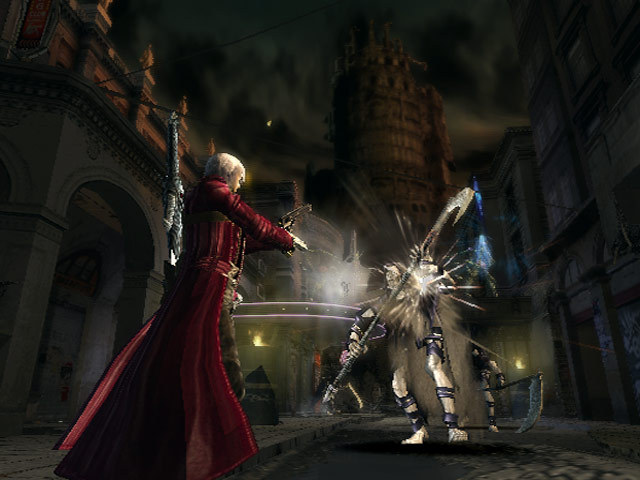
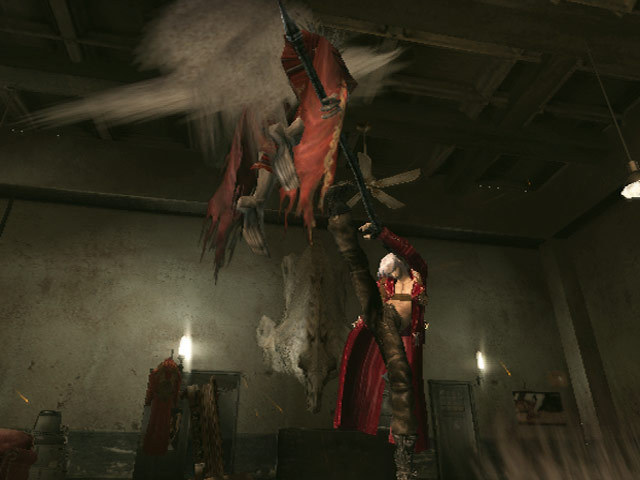
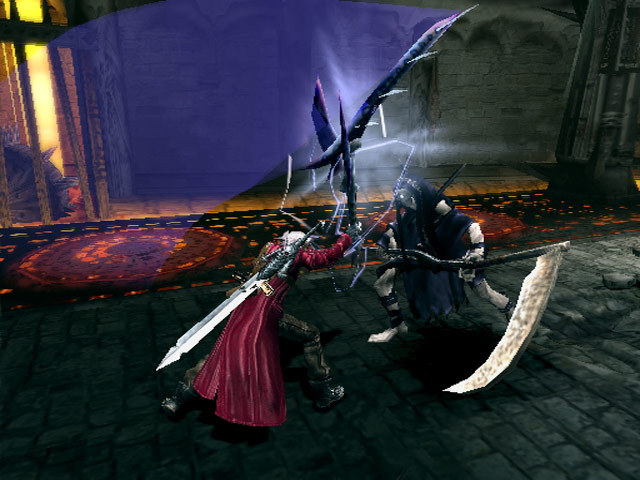
What makes this game’s atmosphere unique isn’t its gothic architecture or demon designs—it’s the tension between gravity and levity, between trauma and theatricality. You’re fighting your own brother in a collapsing Netherworld tower, blades clashing with a sound like shattering glass—and yet Dante cracks a joke mid-parry, flips over Vergil’s shoulder, and lands with a wink. The feeling isn’t catharsis or dread or even triumph alone. It’s revelry in the face of ruin. It makes you think about legacy—not as burden, but as performance. About blood not as bond, but as stage direction. Every stylish combo feels like a dare whispered to fate: Watch me make this hurt look like joy.
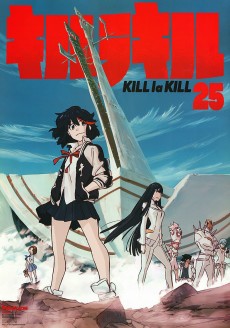
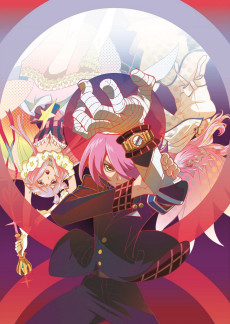
That same DNA pulses through Kill la Kill: GOODBYE AGAIN, where action isn’t just choreographed—it’s costumed, scored, and sung. Like Dante’s styles (Trickster, Swordmaster, Gunslinger), Ryuko’s battle rhythms shift on instinct—not strategy, but attitude. Both revel in absurd scale: a demon’s ribcage becomes Dante’s staircase; a school uniform becomes Ryuko’s battlefield. And both weaponize parody—not to mock genre, but to amplify its emotional stakes. When Ryuko screams “I AM THE FIGHTING SPIRIT!” as her scissor-blade cleaves the sky, it lands with the same unapologetic heat as Dante yelling “Jackpot!” before launching Vergil into orbit.
Princess Tutu shares that same duality—but with a darker, more tender ache. Its balletic combat isn’t flashy for flashiness’ sake; every pirouette and blade-strike carries weight because the bodies are fragile, the magic is borrowed, and the tragedy is real. Like Dante’s memories bleeding into cutscenes—flashbacks of Sparda’s sword, of Eva’s locket, of silence where a brother’s voice should be—Princess Tutu layers whimsy over wound. The official data tags it “Adult & Dark Seinen,” and that fits: it treats love and loss with the same reverence Dante treats his coat—worn, stained, and never discarded. When Tutu dances on broken glass to heal a heart, it doesn’t feel light. It feels necessary. Just like Dante’s jokes don’t erase Vergil’s betrayal—they hold space for it, lightly, so the pain doesn’t drown you.
And then there’s Gintama.: Slip Arc, where body horror isn’t grotesque—it’s gag-driven, familiar, human. A demon’s arm melts into spaghetti? Dante would toss it in marinara. Gintoki’s nose bleeds cartoonishly during a serious speech? Dante would nod, then kick a demon into a pizza oven. Both use the occult not as mystery, but as punchline infrastructure: the supernatural is just another prop in the comedy of survival. The shared dimension “Body Horror & Occult” isn’t about shock—it’s about resilience made ridiculous. When Dante reloads Ebony & Ivory while dangling from a chandelier by one boot, or when Gintoki eats ramen mid-apocalypse, it’s the same truth: you keep moving, even if your knees are shaking and your jokes are terrible.
This isn’t for players who want clean narratives or viewers who crave tonal consistency. It’s for the ones who laugh right after they flinch—who recognize that grief and glitter share the same frequency. It’s for the person who rewinds a boss fight not to perfect the combo, but to watch Dante’s hair flip just so in slow-mo. For the one who pauses Princess Tutu to trace the stitching on Tutu’s tutu—or stares at Vergil’s blue coat, wondering what thread holds it together. For the fan who quotes Gintoki’s nonsense and knows exactly which line from DMC3’s script makes their throat tighten. They don’t need harmony. They need dissonance that sings. They love style because it’s armor. They love parody because it’s prayer. And they’ll always choose the cherry bomb over the quiet exit—every time.
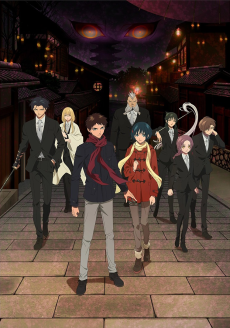
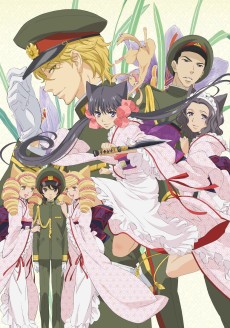
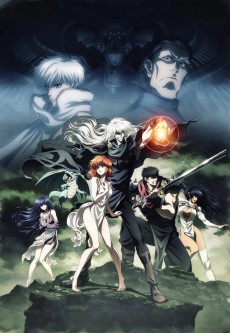
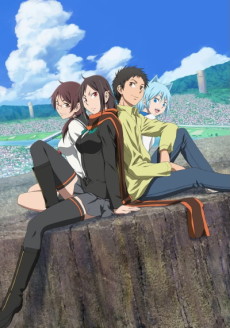
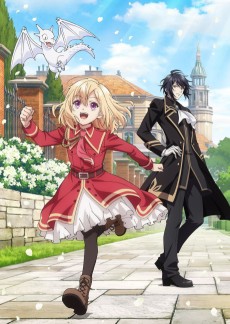
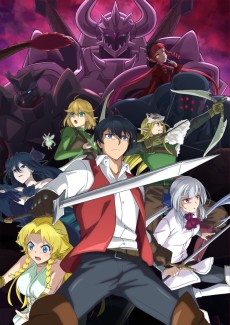
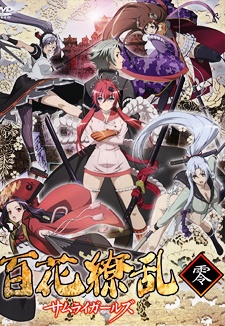
→105 Anime That Match the Vibe
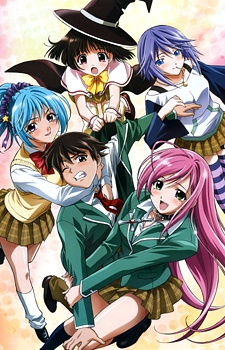
Pure kinetic energy — the action choreography in both is some of the best in their medium.
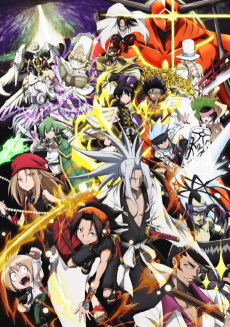
Pure kinetic energy — the action choreography in both is some of the best in their medium.
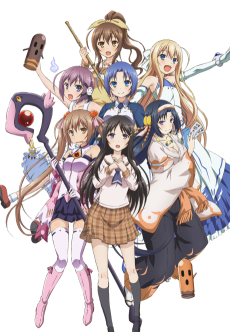
Pure kinetic energy — the action choreography in both is some of the best in their medium.
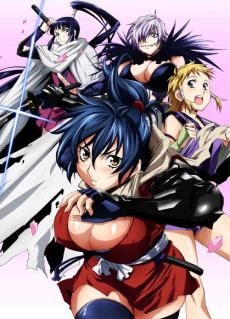
Pure kinetic energy — the action choreography in both is some of the best in their medium.
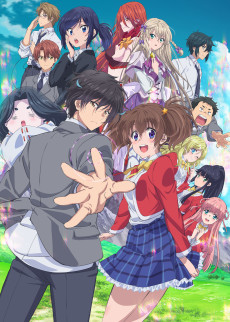
Pure kinetic energy — the action choreography in both is some of the best in their medium.
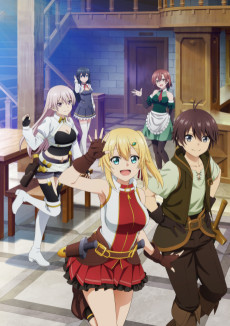
Pure kinetic energy — the action choreography in both is some of the best in their medium.
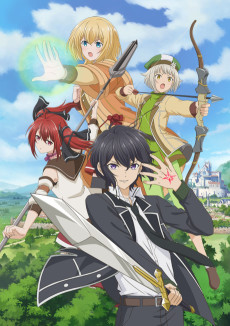
Pure kinetic energy — the action choreography in both is some of the best in their medium.

Pure kinetic energy — the action choreography in both is some of the best in their medium.
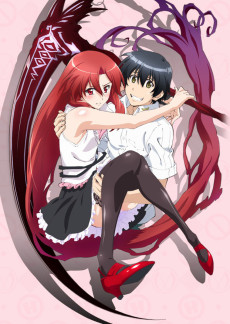
Pure kinetic energy — the action choreography in both is some of the best in their medium.
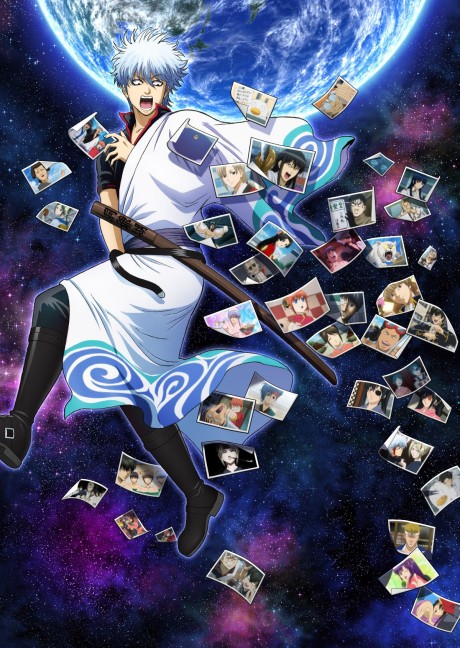
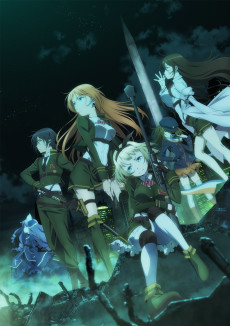
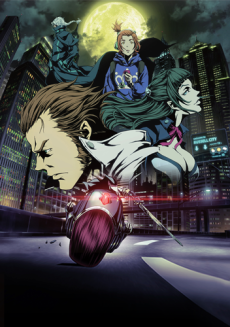
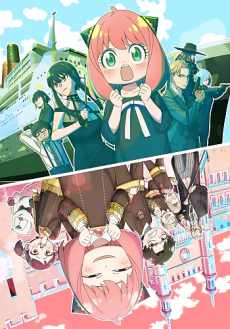
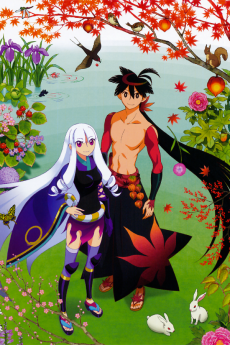
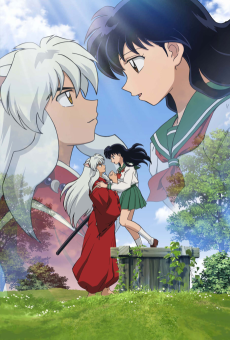
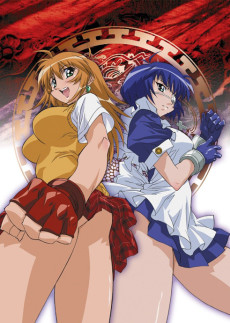
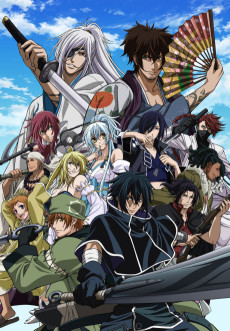
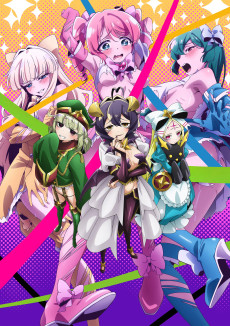
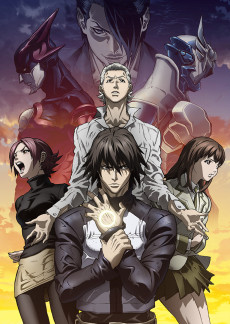
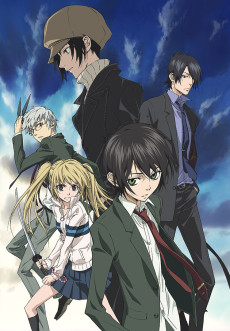
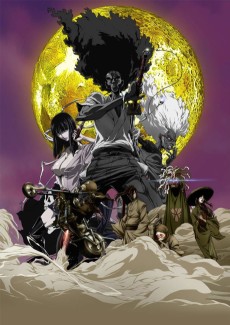
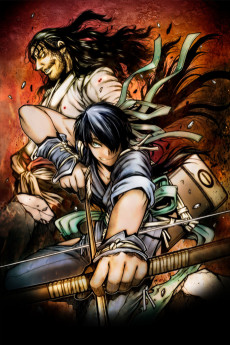
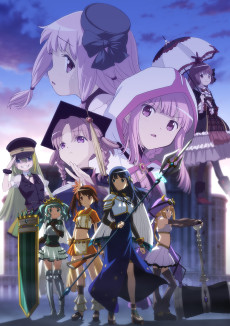
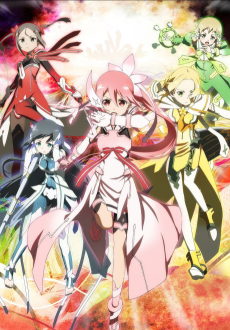
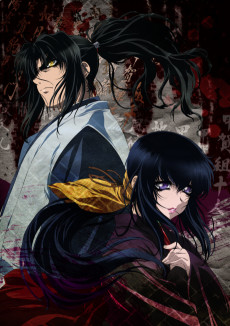
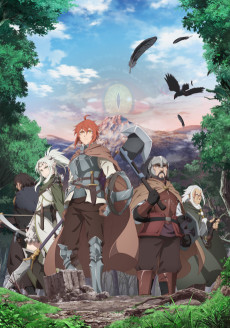
Dante’s flamboyant, demon-slicing ballet in *Devil May Cry 3 Special Edition*—especially his cocky quips mid-air while dismembering a multi-limbed horror—mirrors Porori’s absurd, water-dripping onomatopoeic interruptions in *Gintama.: Slip Arc*, where body horror melts into slapstick. Unlike most action franchises that treat comedy as relief, both weaponize 😂 Comedy & Parody to destabilize tension just as visceral occult threats peak—like when Gintoki’s deadpan stare meets a grotesquely regenerating alien, echoing Vergil’s cold elegance clashing with Dante’s chaotic flair. That shared tonal whiplash makes their resonance startlingly precise, not just adjacent.





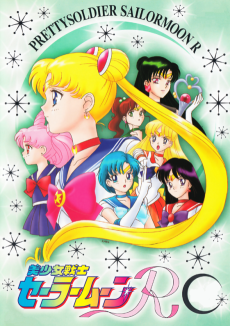

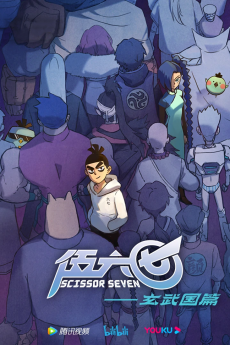
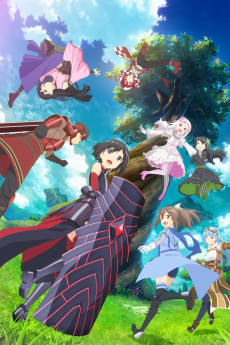

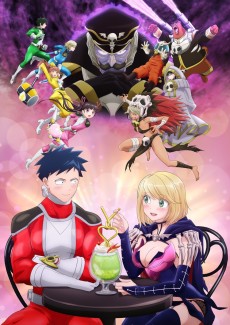











![Fate/stay night [Heaven’s Feel] III. spring song](https://s4.anilist.co/file/anilistcdn/media/anime/cover/large/bx21719-MSdTlkno0Z0u.jpg)








![Fate/stay night [Heaven's Feel] I. presage flower](https://s4.anilist.co/file/anilistcdn/media/anime/cover/medium/bx20791-yPCX5GJuMH2k.png)
Match Dimensions Explained
❓Frequently Asked Questions
Why does Kill la Kill get compared to Devil May Cry 3 Special Edition?
Because both lean hard into over-the-top action spectacle with razor-sharp timing—think Ryuko’s scissor-blade combos syncing to musical cues, just like Dante’s Style Switching mid-air during the Temen-ni-gru staircase fight. The tone nails DMC3’s blend of self-aware parody and visceral demon-slaying energy, especially in episodes like 'GOODBYE AGAIN' where the choreography mirrors Dante’s flashy, almost dance-like combat flow.
Is there an anime adaptation of Devil May Cry 3 Special Edition?
No official anime adaptation exists—Capcom never greenlit one, and the 2007 DMC anime covers only the first game’s events. But if you’re craving that exact vibe—Dante vs. Vergil’s tragic rivalry, stylish sword-and-gun mayhem, and gothic-tinged family drama—Princess Tutu (score: 77) delivers surprisingly deep adult & dark seinen layers beneath its ballet aesthetic, especially in its haunting, emotionally charged confrontations.
How does I Parry Everything compare to Gintama.'s Slip Arc for DMC3-style action?
I Parry Everything leans all-in on pure, breakneck action spectacle—every frame feels like a perfectly timed Royal Guard parry turned into slapstick ballet—while Gintama.’s Slip Arc (score: 76) layers in body horror & occult twists, like when Gintoki’s bamboo sword clashes with alien-tech blades in that rain-soaked Kyoto arc, echoing Dante’s chaotic, genre-bending fights against demons like Cerberus or Agni & Rudra.
What’s the best anime like DMC3 Special Edition if I want that ‘stylish, sibling-rivalry-with-demons’ vibe?
Go straight to Princess Tutu (score: 77)—it’s got the gothic atmosphere, tragic twin-like duality (Mytho and Rue), and surreal, emotionally charged battles where ballet steps double as swordplay. The way Mytho’s shattered heart parallels Dante and Vergil’s fractured bond—and how the finale’s confrontation mirrors their Temen-ni-gru showdown—is uncanny, all wrapped in that same adult & dark seinen weight.