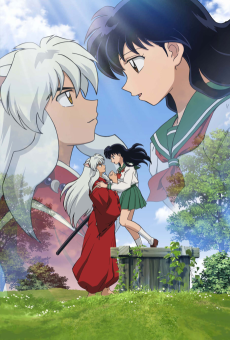
InuYasha: The Final Act
Inuyasha, Kagome, Miroku, Sango, Shippou and their neko-mata friend Kirara, are now in the final leg of their quest to put an end to the elusive demon, Naraku and all of the chaos and evil he has caused, and to ultimately undo the unfortunate karma of the Jewel of Four Souls. Their journey, however, will not be easy as their remaining enemies put out all the stops to make sure that they do not accomplish their goal.
This TV Anime depicts Volumes 36-56 (end) of the Inuyasha manga. The story continues from the last moment seen in Inuyasha's original anime. Inuyasha, Kagome, Sango, Miroku and Shippou are now in the definitive quest to beat Naraku and the evil he has created and absorbed, they don't lose hope since their future depends on it, but the path isn't easy nor short so they will go through life threatening situations and must put their friendship and love on the line with wisdom to know who their friends and foes are to succeed.
(Source: Anime News Network)
📺Anime Details
📝Editorial Analysis
The wind carries ash—not from fire, but from dissolving youkai, their forms unraveling like ink in rain as Kagome draws back her bowstring. Her fingers tremble, not from fatigue, but from the weight of remembering—every life Naraku stole, every promise broken across centuries, every time she stood at the Bone Eater’s Well and chose this world over the safety of her own. That moment isn’t spectacle; it’s quiet devastation wrapped in cherry blossoms and steel.
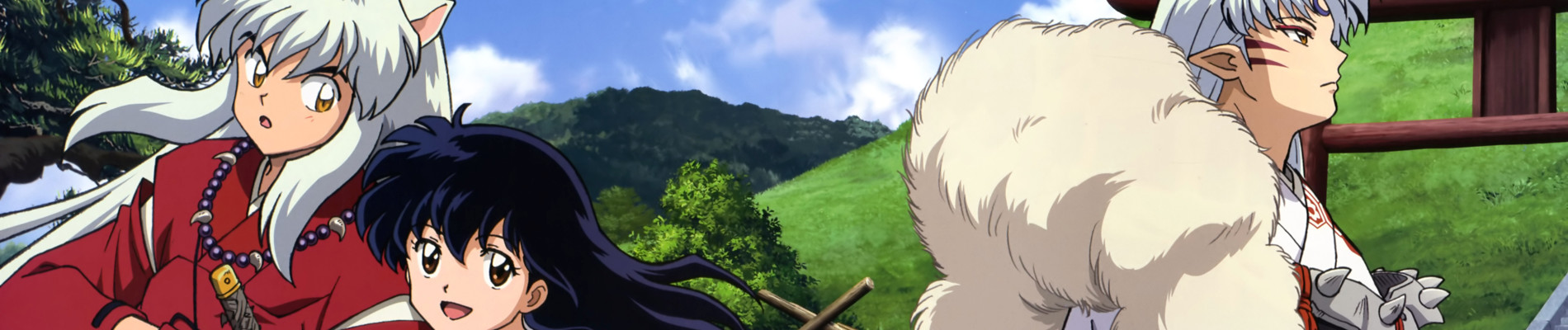
InuYasha: The Final Act doesn’t trade in clean victories. Its atmosphere is thick with unresolved time—moments stretched thin between past regrets and fragile futures. You feel the ache of history pressing down: feudal roads worn smooth by generations of feet, shrines humming with old magic, swords that remember their wielders’ grief. It’s not nostalgia—it’s haunting, tender and unrelenting. You think about how love persists not despite time, but within its fractures: Kagome’s modern voice cracking mid-prayer, Inuyasha’s ears flattening when he hears her laugh echo across a battlefield he once lost, Miroku’s hand hovering over Sango’s shoulder—not to touch, but to hold space for what hasn’t yet been said. This isn’t shounen triumph. It’s tired devotion, earned in mud and blood and shared silence.
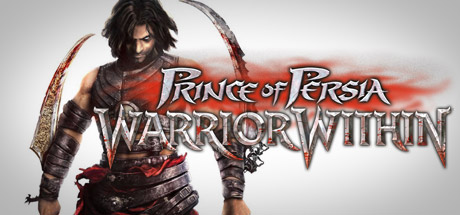
That same emotional gravity pulses through Prince of Persia: Warrior Within, where the Prince is hunted by Dahaka—an immortal force that punishes temporal transgression. His body bears scars not just from blades, but from time itself warping his flesh, echoing the way Naraku’s corruption twists souls across lifetimes. A player review calls the Dahaka chase “still as goated as it was before”—and yes, it’s the relentlessness that resonates: no rest, no reset, only forward motion through collapsing corridors of consequence. Like Kagome pulling her arrow again and again—not because she believes in easy wins, but because stopping means letting memory win.
Then there’s BioShock Infinite, where Booker DeWitt’s debt isn’t monetary—it’s karmic. He’s shackled to cycles of violence and erasure, just as Inuyasha and Kagome are bound to the Jewel’s cursed karma. The game’s dimensions—Time & Memory, Body Horror & Occult—mirror the anime’s core tensions: the horror isn’t in the demons’ fangs, but in how trauma reshapes identity (Kikyo’s resurrection, Naraku’s stolen hearts, Kagome’s fractured sense of self across eras). A player admits they’re “still bitter about the Bioshock Infinite we could have gotten”—and that ache mirrors how The Final Act refuses catharsis on demand. It makes you sit with the discomfort of healing that isn’t linear, of love that survives betrayal not by forgetting, but by witnessing.
Even TimeShift™, a lean 4-hour experience, lands with uncanny kinship. Dr. Krone’s reckless Time Jump births a “disturbing alternate reality”—not unlike the warped timelines birthed by the Shikon Jewel’s wish-granting. Its player review calls it “a blast, but it takes a little work to get it into a playable state.” That effort—patching, adjusting, leaning in—is the same labor the anime asks of you: to reconcile Kagome’s schoolgirl logic with priestess power, Inuyasha’s rage with his tenderness, the comedy of Shippou’s antics with the grief in Sango’s eyes after Kohaku’s near-loss. Nothing here is frictionless. Everything is earned, even the laughter.
This pairing sings to the person who cries during a training montage—not because the hero wins, but because they finally breathe after holding it for three seasons. To the one who saves their game before a boss fight not to avoid death, but to delay facing what comes after victory. To the reader who underlines passages where characters say “I’ll protect you” not as a vow, but as a question—can I? should I? do you still want me to? They don’t crave escapism. They seek recognition: that love is a sword you sharpen daily, memory is a well you keep returning to, and time isn’t a river—it’s a wound you stitch with your hands, slowly, carefully, together.
🎮26 Games That Match the Vibe


Match Dimensions Explained
❓Frequently Asked Questions
Why does Prince of Persia: Warrior Within feel like the closest match to InuYasha: The Final Act’s tone?
Because both lean hard into tragic time loops, brooding anti-heroes hunted by supernatural forces, and visceral body horror—like Dahaka’s relentless, scythe-wielding chases mirroring Naraku’s corrupted forms and the eerie decay of the Shikon Jewel shards. The game even mirrors InuYasha’s emotional weight with its grim backstory, Kaileena’s ghostly presence, and that haunting final confrontation in the Temple of Time.
Is there a faithful video game adaptation of InuYasha: The Final Act?
No—there’s never been an official game based specifically on *The Final Act*. The last licensed InuYasha games were *InuYasha: The Secret of the Cursed Mask* (2004) and *InuYasha: Feudal Combat* (2004), both covering earlier arcs. So if you’re craving that exact story, mood, and character chemistry (Kagome’s resolve, InuYasha’s growth, Sesshomaru’s arc), you’ll need tonal stand-ins like *Prince of Persia: The Sands of Time*, where the Prince’s redemption, time-bending dagger, and bond with Farah echo Kagome and InuYasha’s trust-and-conflict dynamic.
How does BioShock Infinite compare to Prince of Persia: Warrior Within for InuYasha fans?
Warrior Within nails the physical intensity—Dahaka’s chase sequences mirror Naraku’s ambushes, and the Prince’s dual-wielding rage feels like InuYasha unleashing Backlash Wave. BioShock Infinite trades that action for layered time/memory themes and moral ambiguity: Booker and Elizabeth’s fractured relationship echoes Kagome and InuYasha’s sacrifices across timelines, but with more psychological weight and less sword-swinging spectacle.
What’s the best game like InuYasha: The Final Act if I want melancholy beauty and time-bent tragedy?
Go straight to *Prince of Persia: The Two Thrones*—its split-personality mechanic (Prince vs. Dark Prince) mirrors InuYasha’s human/demon duality, and the crumbling, rain-soaked Babylon evokes the series’ bittersweet final battles. The way Kaileena’s legacy haunts every corridor—and how time itself feels wounded, just like the Shikon Jewel’s corruption—makes it deeply resonant for fans who loved the quiet sorrow beneath *The Final Act*’s climactic fights.