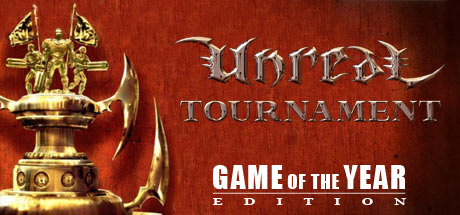
Unreal Tournament: Game of the Year Edition
Unreal Tournament is the original King of the Hill in the frag-or-be-fragged multiplayer gaming world. As the undisputed 1999 Game of the Year, Unreal Tournament grabbed the first person shooter genre by the soiled seat of its pants and knocked it around the room with its never-before-seen graphics, brutal edge-of-your-seat gameplay and...
🎮Game Details
💬What Players Say
"Excellent classic game to remind you of the good'ole days."
"Timeless. Godlike. ♥♥♥♥♥♥♥♥♥...."
"A great classic...!"
📝Editorial Analysis
The air crackles—not with electricity, but with anticipation. You’re crouched behind a jagged slab of rusted metal in DM-Deck16, the floor vibrating faintly beneath your boots as footsteps echo from the corridor. Then—flash—a plasma bolt sears past your ear. You pivot, flick the shock rifle’s secondary fire, and the world narrows to crosshair, target, release: a split-second crunch of feedback, a ragdoll flip, and the clean, metallic ping of your frag count ticking up. That’s not just gameplay—it’s the pulse of Unreal Tournament: Game of the Year Edition, the 1999 Game of the Year that “grabbed the first person shooter genre by the soiled seat of its pants and knocked it around the room.” It’s raw, unfiltered, alive—a feeling players still call “timeless,” “godlike,” a reminder of the good’ole days where every match was a lightning strike of pure, unmediated competition.
What makes Unreal Tournament vibrate at this frequency isn’t just speed or tech—it’s presence. The game doesn’t ask you to inhabit a story; it demands you occupy the moment, fully, physically, sensorially. Its arenas aren’t backdrops—they’re charged spaces where geometry, sound design (that unmistakable whump of the redeemer charge), and movement physics coalesce into something almost ritualistic. You don’t strategize at the game—you breathe with it. There’s no UI clutter, no narrative hand-holding—just you, your weapon loadout, and the immediate, visceral truth of who moves faster, aims truer, reacts sooner. It makes you feel capable, then humbles you instantly—no cutscenes, no exposition, just consequence and comeback, over and over. It’s not about winning forever. It’s about the heat of the next thirty seconds.
That same voltage runs through MEGALOBOX 2: NOMAD, where Junk Dog—now Nomad—fights not for glory but for breath, in rain-slicked, neon-drenched ruins where every punch lands like a shock rifle blast and every dodge is a slide across broken concrete. The shared DNA? Cyberpunk & Dystopia fused with Competitive Spirit: both reject spectacle-as-distraction and double down on the body-in-crisis—the grind of survival, the dignity in standing up one more time. Then there’s Hajime no Ippo: The Fighting!, where the ring isn’t a stage but a pressure chamber—sweat stings, gloves thud like UT’s impact hammer hits, and every feint, every slip, every exhausted grin after a brutal round mirrors the way UT rewards reading your opponent, not just reflexes. Here, Competitive Spirit isn’t hype—it’s quiet, relentless, earned. And Redline? Pure, uncut velocity—cars screaming across impossible planetary surfaces, engines howling like UT’s mutator-modified weapons, all wrapped in a Cyberpunk & Dystopia aesthetic that feels less like set dressing and more like atmosphere you inhale: thick, hot, humming with danger and defiance. Its races aren’t races—they’re frag fests on wheels, where split-second decisions rewrite fate.
Who lives for this? Not just FPS veterans or anime completists—but the tactile thinker, the one who gets chills when a perfect dodge cancels gravity for half a second, who watches Ippo’s trembling hands before a title fight and feels their own pulse sync. The player who reloads UT99 not for nostalgia, but because that ping still lands like truth. The viewer who rewinds Nomad’s final stance—not for the pose, but for the weight in his shoulders, the silence before impact. They’re the ones who don’t watch action—they track it: the micro-twitch before the jump, the breath held before the counter, the way light bends off a blade or a railgun trail. They love games and shows that trust them to feel first, understand later—where meaning isn’t spoken, but embodied. Where victory isn’t a trophy—it’s the quiet, glowing certainty that you were there, fully, fiercely, in the heat.
→169 Anime That Match the Vibe

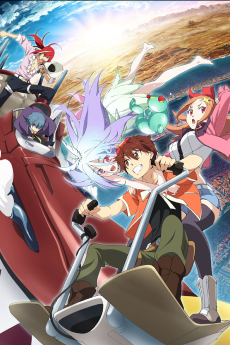
JP’s neon-drenched, gravity-defying drift through Redline’s orbital racetrack mirrors Unreal Tournament’s frantic, vertical arena combat—both weaponize chaos as choreography. Where UT’s “Facing Worlds” map orbits twin shattered planets, Redline’s interstellar racecourse pulses with cyberpunk grit and dystopian spectacle, turning velocity into visceral spectacle. This isn’t just speed or shooting: it’s competitive spirit fused with sci-fi scale, where every frame and frag feels like a high-stakes, zero-gravity ritual.
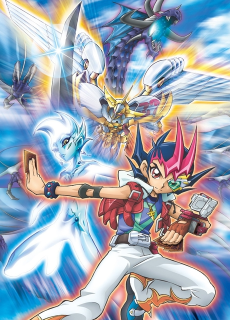
Both dive into neon-soaked futures where technology blurs the line between human and machine.

Pure kinetic energy — the action choreography in both is some of the best in their medium.
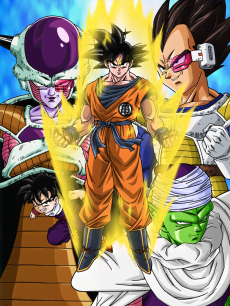
A lightning-fast Kamehameha blast tearing across a ruined cityscape mirrors the split-second, arena-based intensity of Unreal Tournament’s Onslaught mode—both weaponize 💥 Action Spectacle as choreographed physics-defying theater. Unlike most 90s action media, *Dragon Ball Z Kai*’s tighter pacing and *Unreal Tournament: GOTY*’s razor-edged multiplayer loop share a cyberpunk-tinged belief: that raw skill, not lore, defines supremacy. That mutual obsession with peak-performance clarity—no filler, no mercy—makes their synergy startlingly precise.
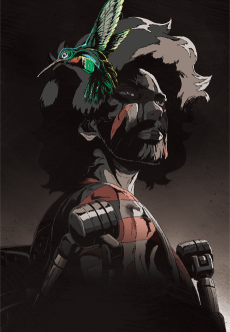
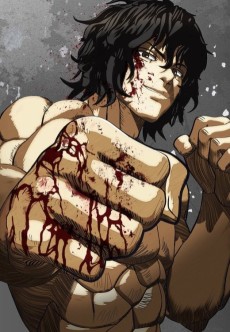
Gearless Joe’s battered knuckles bleeding in the rain-soaked Megalonia finals mirror the raw, unfiltered exhaustion of an Unreal Tournament deathmatch—where victory isn’t clean, but carved from chaos. Unlike most sports anime, *MEGALOBOX 2: NOMAD* leans into cyberpunk & dystopia not as backdrop but as bruised physiology: rust, flickering neon, and fractured alliances echo UT’s claustrophobic arenas and relentless frag-fueled escalation. That shared grit—where competitive spirit is less about glory and more about surviving the next round—makes their resonance startlingly physical, not just thematic.
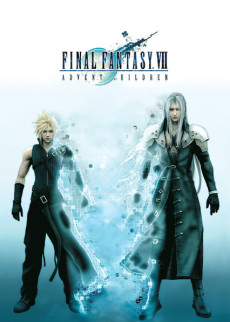
Neo-Midgar’s rain-slicked spires gleam under flickering holograms just as Unreal Tournament’s Toxicity map pulses with radioactive neon—both weaponize cyberpunk & dystopia to make desolation feel exhilarating. Where Cloud battles geostigma-fueled phantoms in Advent Children’s visceral, gravity-defying sword duels, UT’s arena combat distills chaos into razor-sharp, physics-bending fragging. This pairing surprises: two 2005–2006 releases that treat sci-fi not as backdrop but as kinetic language—suffering and spectacle fused in real-time velocity.
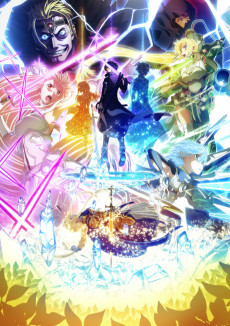
Gabriel’s cathedral assault—where light blades clash amid crumbling neo-Gothic spires—echoes Unreal Tournament’s Arena of the Damned: both weaponize cyberpunk-dystopia as visceral stagecraft, not backdrop. Unlike most fantasy wars, *War of Underworld Part 2* treats Underworld’s data-physical duality like UT’s arena physics—rules bent, bodies fragmented, victory measured in milliseconds and spatial dominance. That shared obsession with action spectacle as systemic language makes their adrenaline feel eerily kinematic, not coincidental.

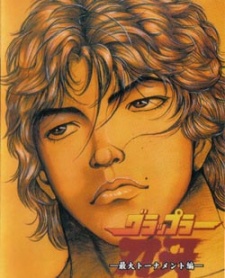
Ippo’s first amateur bout—sweat-stung eyes, trembling fists, the roar of Korakuen Hall—hits with the same visceral immediacy as a sudden Deathmatch spawn in Unreal Tournament’s Facing Worlds. Where UT weaponizes split-second spatial awareness and adaptive aggression, *Hajime no Ippo: The Fighting!* frames boxing as pure, unscripted kinetic dialogue—each feint, slip, and counter echoing UT’s “frag-or-be-fragged” rhythm. Their shared **Competitive Spirit** isn’t about glory; it’s the raw, breathless honesty of bodies and wills colliding in real time.

Both dive into neon-soaked futures where technology blurs the line between human and machine.
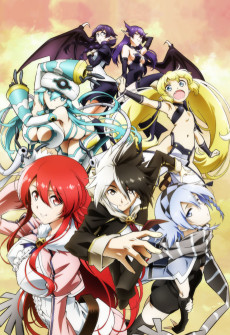
Both dive into neon-soaked futures where technology blurs the line between human and machine.




















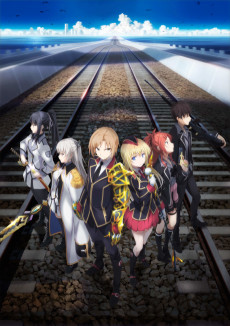



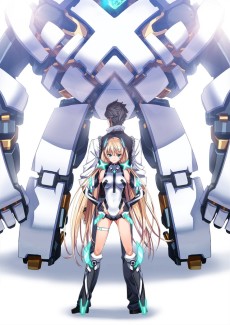
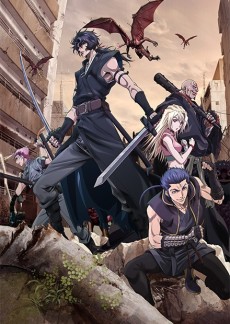
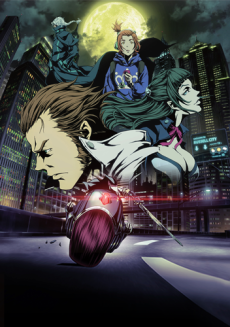



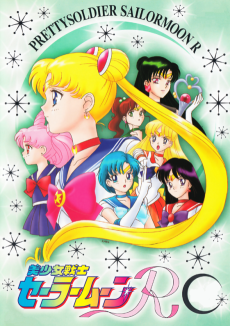
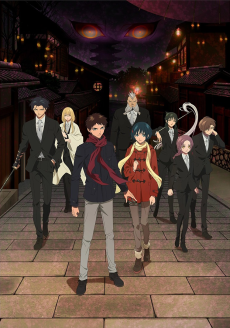
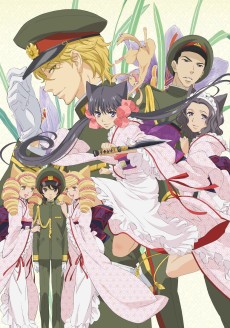


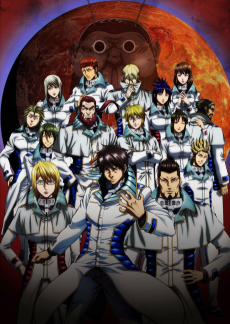










![Fate/stay night [Heaven’s Feel] III. spring song](https://s4.anilist.co/file/anilistcdn/media/anime/cover/large/bx21719-MSdTlkno0Z0u.jpg)

















Match Dimensions Explained
❓Frequently Asked Questions
Why does MEGALOBOX 2: NOMAD feel like playing Unreal Tournament GOTY?
Because both drop you straight into high-stakes, no-mercy competition where every move matters—like Nomad’s brutal underground cage matches in Neo Tokyo’s rain-slicked ruins, mirroring UT99’s sudden-death Deathmatch arenas. The cyberpunk grit, relentless pacing, and that raw ‘frag-or-be-fragged’ tension? Pure UT energy—especially when Nomad’s knuckles crack mid-fight just like a well-timed shock combo in the Core Assault map.
Is there an anime adaptation of Unreal Tournament?
Nope—UT99 never got an official anime adaptation, but MEGALOBOX 2: NOMAD and Sword Art Online: Alicization - War of Underworld Part 2 hit that same visceral, arena-driven intensity fans love. Think of SAO’s Underworld battlefield clashes—where Kirito’s sword slashes sync with UT’s lightning-fast dodges and weapon-switching rhythm—or Nomad’s bare-knuckle rounds echoing the game’s unrelenting, skill-based duels.
How does Hajime no Ippo compare to Dragon Ball Z Kai for UT99 vibes?
Ippo’s grounded, technical boxing in *The Fighting!* nails UT99’s competitive spirit through sheer precision—like watching him time a perfect uppercut just as the bell rings, similar to landing a perfect flak cannon shot at point-blank range. DBZ Kai, meanwhile, leans into UT’s over-the-top spectacle: Goku’s Spirit Bomb buildup has the same cinematic, high-stakes ‘hold your breath’ energy as a last-second flag capture in Capture the Flag mode—but with way more ki explosions and less rocket-jumping.
What’s the best anime like Unreal Tournament GOTY if I want that ‘timeless, godlike’ adrenaline rush?
Redline is your answer—its insane, hand-drawn speed races across neon-drenched alien planets deliver that exact ‘timeless. godlike. ♥♥♥♥♥♥♥♥♥’ feeling fans rave about. When JP drifts sideways through a collapsing asteroid belt while rivals fire plasma cannons? That’s UT99’s Onslaught mode meets pure, uncut adrenaline—no filler, just split-second decisions, zero mercy, and a soundtrack that slaps like the original UT theme.