
BAKI
The protagonist, Baki Hanma, trains with an intense focus to become strong enough to surpass his father, Yujiro Hanma, the strongest fighter in the world. Five of the world's most violent and brutal death row inmates are gathering to face Baki. Their objective is to taste defeat -- their unmatched strength and skill have led them to grow bored of life itself, and they now seek out Baki in the hopes that he can overwhelm and utterly crush them. In this crisis, other underground martial art warriors gather to fight by Baki's side: Kaoru Hanayama, Gouki Shibukawa, Retsu Kaioh, and Doppo Orochi. An epic showdown between violent death row inmates and Baki and his friends begins!
(Source: Netflix)
📺Anime Details
📝Editorial Analysis
The air in the underground arena is thick—not with smoke, but with heat, with sweat, with the low, animal hum of five men who’ve already died in every way that matters. Baki stands barefoot on cracked concrete, knuckles split open, breath ragged, as a death row inmate—muscles coiled like steel springs, eyes hollowed by decades of solitary confinement—lunges not to win, but to shatter. His fist doesn’t aim for the jaw. It aims for the spine. That’s the moment: no music swells, no slow-motion lingers—just impact, a wet crunch, and the quiet, awful satisfaction in the inmate’s exhale as he finally feels something real again.
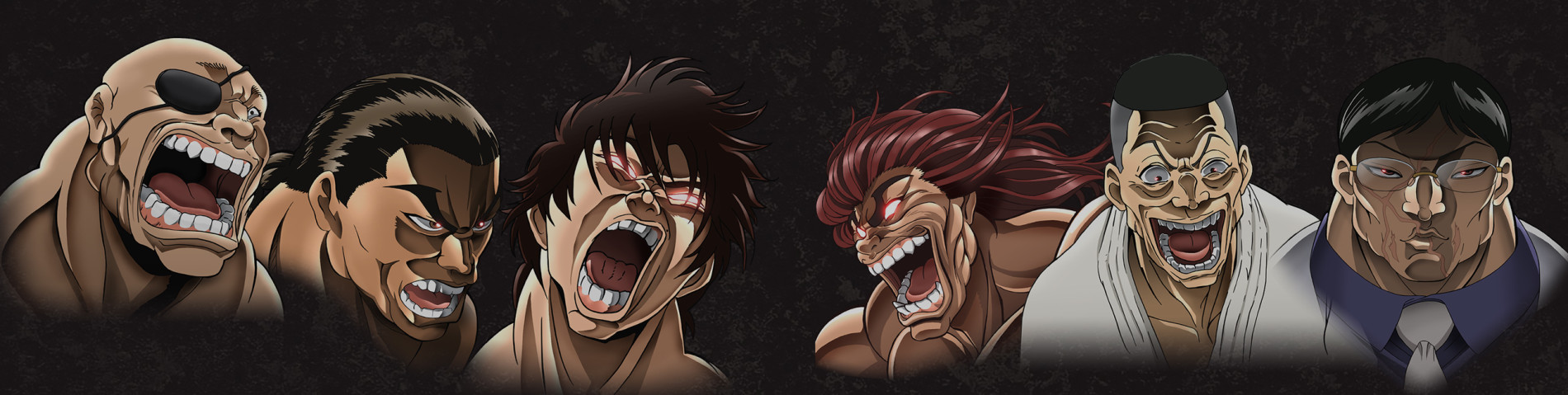
That’s BAKI’s atmosphere—not spectacle for its own sake, but weight. Not speed or flash, but the gravity of bodies pushed past human limits, where every punch carries the echo of prison walls, every training session smells of blood and iron-rich soil, and strength isn’t abstract—it’s tactile, bruising, inescapable. It makes you feel small, then awake, then strangely honored—like witnessing monks break stone with their foreheads, not for glory, but because the act itself is the only truth left. This isn’t shōnen about rising up. It’s about standing in the pit, chest heaving, knowing your bones are screaming—and choosing to stay.
Assassin's Creed™: Director's Cut Edition resonates—not through parkour or assassinations, but through its political thriller dimension and that unmistakable neon noir texture. The anime’s underground martial arts war isn’t just brawling; it’s a grim, shadowed ecosystem where power brokers manipulate convicts like chess pieces, where Yujiro Hanma moves like a force of nature beneath the law, not outside it. The player review notes dated models—but also says “no issues with me”, echoing how BAKI’s raw, unpolished aesthetic (its jagged linework, abrupt cuts, lack of exposition) isn’t a flaw—it’s integrity. Both refuse slickness. Both make you feel the grit under your nails.
Dark Messiah of Might & Magic hits even deeper: “A fantastic melee combat game that still holds up pretty well today.” That phrase—melee combat—is the bridge. Not spellcasting. Not cover shooting. Melee: the brutal, intimate, physics-driven exchange where timing, stance, and sheer body memory decide life or ruin. Its description promises “ferocious combat in a dark and im”—cut off, yes, but the implication lands hard: impenetrable, immersive, immoral. Like when Baki fights the “Piranha” inmate and gets his ribs cracked twice before landing a single clean strike—the game’s combat doesn’t reward patience; it rewards endurance, just like the anime’s endless, punishing sparring loops. The player admits it “needs a patch”, but plays anyway—because the ferocity is worth the friction.
And Team Fortress Classic? At first glance, absurd—cartoon soldiers, slapstick explosions. But read the description again: “One of the most popular online action games of all time… enlisted in a unique style of online team-based warfare.” Then the review: “simply the best nostalgic game, i have dreams about this game. Ive played this since i was 9…” That devotion—the competitive spirit, the way players memorize class timings, feints, reload rhythms until it lives in their muscles—that’s the same obsession Baki has with angle, with distance, with the exact millisecond his opponent blinks. It’s not about winning. It’s about mastery so deep it becomes ritual. TF Classic’s nine classes each demand total bodily commitment—like Baki mastering sumo, karate, jujitsu—not to diversify, but to eliminate hesitation. The nostalgia isn’t for childhood. It’s for the first time your body remembered how to move before your brain caught up.
This pairing isn’t for casual fans. It’s for the ones who pause BAKI mid-fight to count how many times Baki shifts his weight before throwing a right hook. For the players who still boot up Team Fortress Classic not for rank, but to feel the Spy’s knife-slash timing sync with their pulse. For those who don’t skip cutscenes—they rewatch them, studying the tremor in an inmate’s hand before he charges, or the way Altair’s hood shadows his eyes just before a leap. They love weight, not flash. They seek truth in the strain. And they know—deep in the marrow—that the most violent moments aren’t about blood. They’re about silence after impact, about breath held too long, about the unbearable, beautiful stillness when a man finally meets his limit—and chooses to stand in it.
🎮59 Games That Match the Vibe



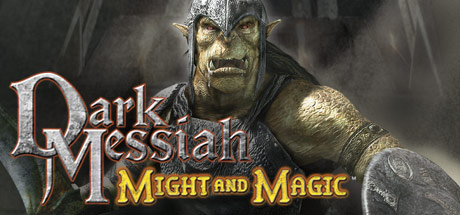









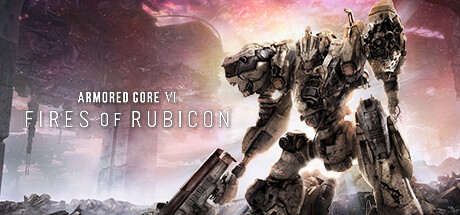
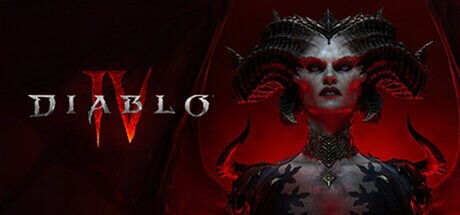
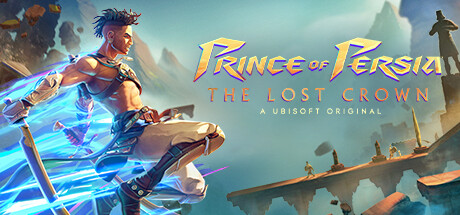
Match Dimensions Explained
❓Frequently Asked Questions
Why does the Baki anime's 'Hanma vs. Doppo' fight feel so different from anything in Assassin's Creed?
Because Baki’s raw, close-quarters martial arts intensity—sweat, grunts, bone-crunching impact—is miles away from Assassin’s Creed’s political thriller pacing and parkour-driven stealth combat. While AC drops you into neon-noir Jerusalem with Altaïr’s precise, almost balletic assassinations, Baki’s fights are visceral, grounded, and hyper-focused on physical domination—more like the brutal melee feedback loops in Dark Messiah of Might & Magic, where every swing lands with weight and consequence.
Is there a Baki video game adaptation with official licensing?
No—there’s no officially licensed Baki game to date. The closest you’ll get is the *vibe*: Dark Messiah of Might & Magic nails that ‘unrelenting physical spectacle’ with its Source Engine-powered dismemberment, ragdoll physics, and relentless enemy swarms—think Doppo’s iron body meets gory, responsive combat. Sacred Gold also channels that ‘champion vs. monstrous hordes’ energy, even if it’s janky as hell on modern systems.
How does Alice: Madness Returns compare to Dark Messiah of Might & Magic for over-the-top action?
Both deliver wild, stylized Action Spectacle—but Alice leans into psychological horror and surreal platforming (e.g., Victorian London bleeding into Wonderland’s twisted logic), while Dark Messiah is pure Dark Fantasy brawling: think kicking enemies off cliffs, impaling them on spikes mid-combo, or using environmental traps like Baki’s arena fights. If you want cathartic, physics-driven violence with weight and consequence, Dark Messiah wins hands-down—Alice’s combat is flashier but less tactile.
What’s the best game like Baki if I just want to feel unstoppable and wreck everything?
Dark Messiah of Might & Magic—hands down. Its combat system lets you chain brutal finishers, shatter limbs, and exploit terrain like a pro fighter in a blood-soaked dojo. You’ll feel that same ‘I am the strongest’ rush as Baki tearing through opponents, especially with its responsive parry/dodge timing and satisfying hit feedback. Team Fortress Classic offers a different kind of power fantasy (class-based chaos), but for raw, solo, muscle-bound dominance? Dark Messiah’s your dojo.