Half-Life Deathmatch: Source
Half-Life Deathmatch: Source is a recreation of the first multiplayer game set in the Half-Life universe. Features all the classic weapons and most-played maps, now running on the Source engine.
🎮Game Details
💬What Players Say
"I love this game. Thought it was fun the first time after getting it with the Valve pack, but rediscovered it when I was looking for an alternative after a losing streak in CS:GO. The game loads fast as hell 'cause it's simple and is instant action as soon as you connect to a server...."
"Played this for 30 minutes with a friend with over 200 ping, 10/10 would recomend, super chaotic and very fun."
"pretty fun, only downside is that most of the players are way better than me"
📝Editorial Analysis
A server ticks over at 200 ping—your screen stutters, a shotgun blast misses by half a second, then your own head snaps back in ragdoll physics as someone materializes from behind a crate you just passed. No voice chat, no killcam, no respawn timer—just the raw, unfiltered chaos of bodies colliding in tight corridors, weapons cycling with that familiar, weighty clack-clack-clack, and the Source engine’s low-poly grit holding everything together like duct tape on a live wire. That’s not nostalgia—it’s immediacy. It’s what Half-Life Deathmatch: Source delivers: fast loads, zero ceremony, and a world where every match feels like stumbling into a lab accident mid-explosion—exactly as the player said: “super chaotic and very fun.”
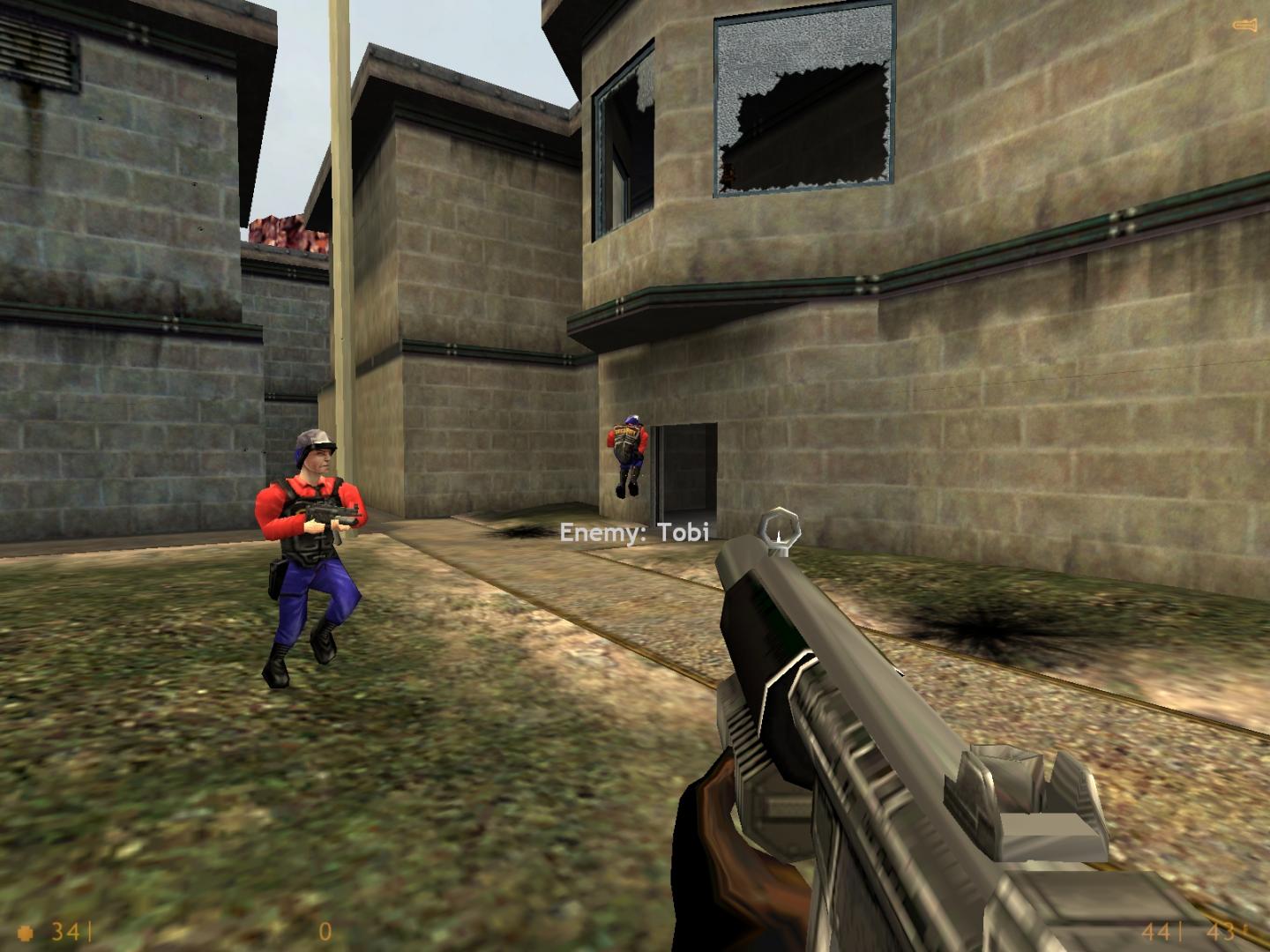
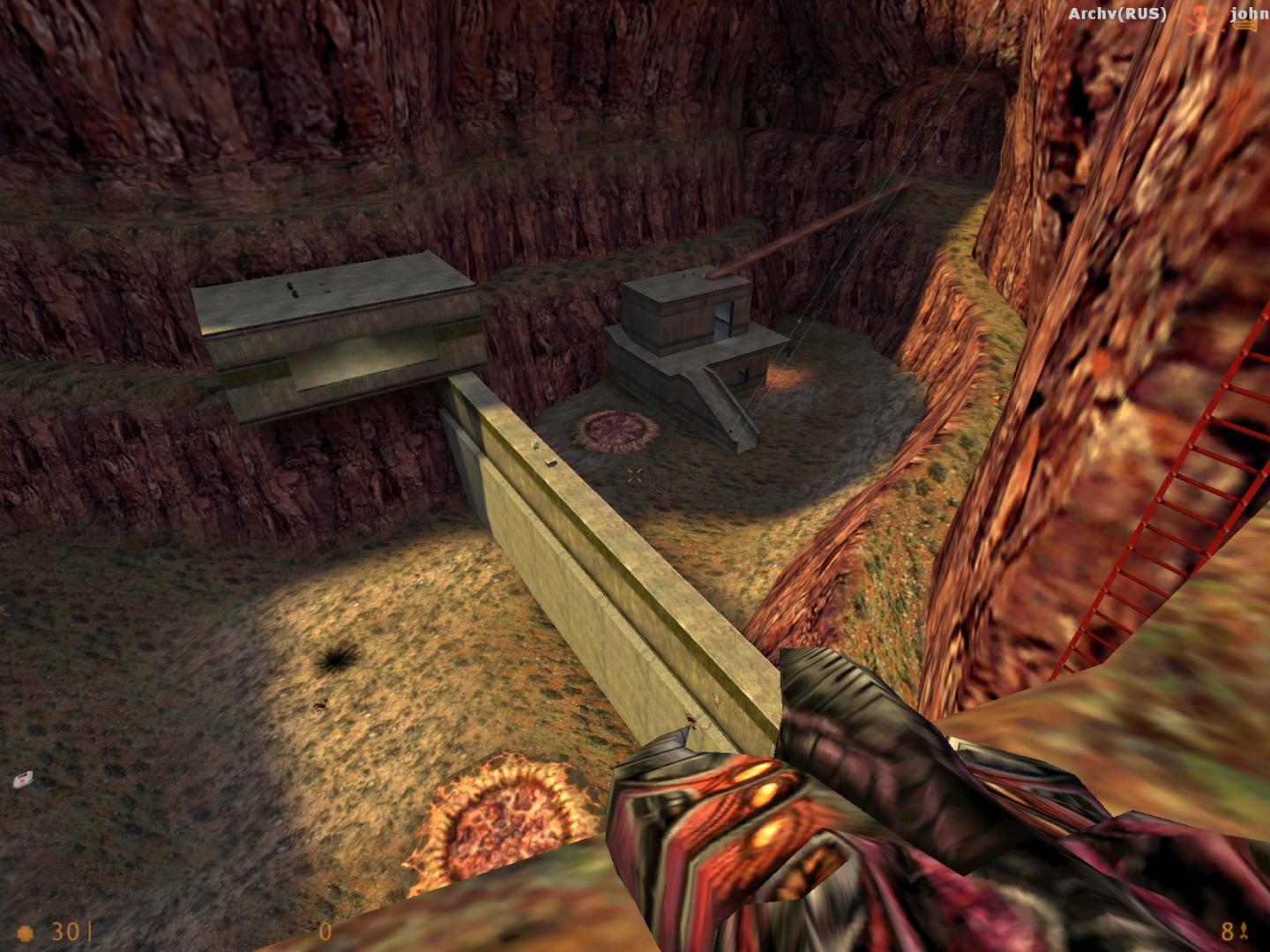
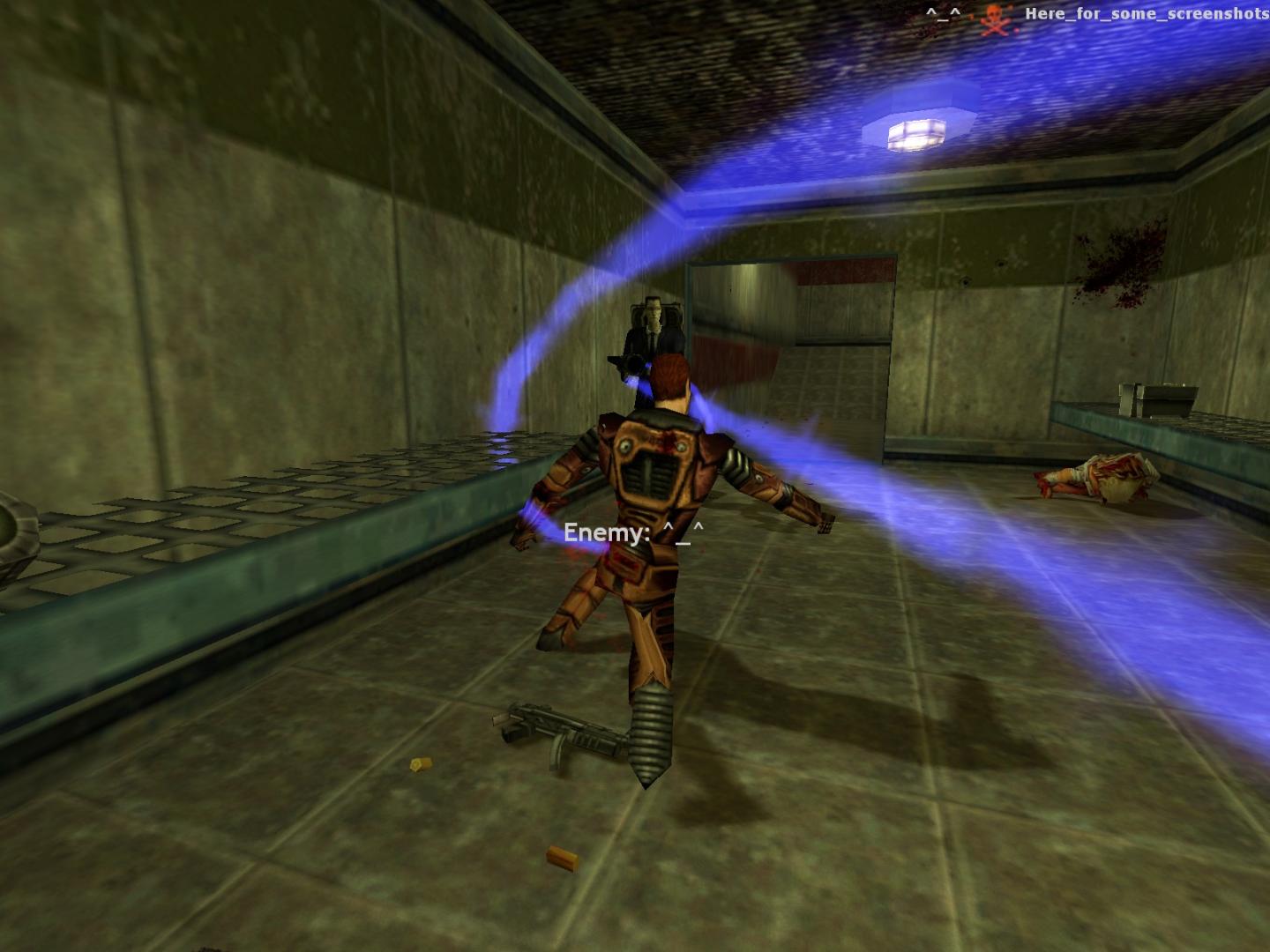
This isn’t about immersion in a story or mastery of systems. It’s about presence: the feeling of being in the Half-Life universe—not as Gordon, not as a hero, but as one more flicker of consciousness caught in the resonance cascade’s aftershock. The official description calls it a “recreation,” but what it recreates isn’t fidelity—it’s texture. The maps aren’t just geometry; they’re pressure chambers built from rusted metal, flickering fluorescents, and emergency lights that hum like dying insects. You don’t strategize—you react. You don’t aim—you track. And when your ping spikes and your avatar teleports three feet sideways mid-jump? That’s not a bug—it’s the game whispering: this world doesn’t care if you’re ready. It’s unstable, urgent, and weirdly alive in its imperfection—like watching a VHS tape of a riot filmed through a cracked lens.
That unstable urgency is why Malevolent Spirits: Mononogatari hits so hard. Its Body Horror & Occult dimension isn’t about gore—it’s about violation of form, the way limbs twist mid-sentence or shadows peel off walls like wet paper. Just like Half-Life Deathmatch: Source, it trades polish for pulse: characters speak in spirals while their bodies glitch between human and something older, something leaking. The Action Spectacle isn’t choreographed—it’s jagged, dissonant, and often absurdly fast, mirroring how a 200-ping duel collapses time into stuttering bursts of movement and misfire. Both reject smoothness to make you feel the strain of existing inside a broken system.
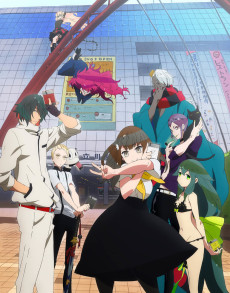
Then there’s Gintama.: Slip Arc, where Sci-Fi & Space collides with slapstick and sudden, brutal violence—and where every fight scene breathes like a live-wire circuit. The Body Horror & Occult here isn’t supernatural dread, but bodily betrayal: limbs stretch too far, eyes bulge mid-punch, gravity forgets its job. That’s the same physics-defying looseness you get when your ragdoll flips end-over-end after a crowbar hit in Half-Life Deathmatch: Source, or when two players clip through a vent and reappear mid-air, firing blindly. It’s not realism—it’s elastic tension, where rules bend just enough to keep you off-balance, laughing, and leaning in.
And Hikaru no Go, at first glance, seems miles away—until you read its shared dimension: Competitive Spirit. Not winning. Not ranking. But the white-hot focus of two minds locking in real time, where every decision echoes in silence before the next move drops. That’s the quiet intensity beneath the chaos of Half-Life Deathmatch: Source: the split-second read of an opponent’s jump arc, the instinctive flick to the grenade launcher when you hear footsteps echo just right down a pipe, the way your heart hammers not from fear—but from recognition. Like Hikaru sensing the board’s breath before placing his stone, you’re not reacting to pixels—you’re reading intent, in the lag, the reload sound, the way someone pauses too long before turning the corner.
These pairings aren’t for people who want clean arcs or flawless execution. They’re for the ones who love the grit under the fingernail: the player grinding after a CS:GO losing streak, the anime watcher who rewinds Mononogatari’s mouth-stretching close-ups just to feel that wrongness again, the person who laughs when their character clips through the floor in Gintama because it’s honest. They’re for those who find beauty in instability—in the way a 200-ping duel becomes poetry of miscommunication, or how a single Go move can vibrate with decades of unspoken history. They’re for people who don’t need the world to hold still—to make sense—to be good. They just need it to be real. And alive. And unpredictably, fiercely, beautifully broken.
→91 Anime That Match the Vibe

The body as a site of transformation and terror — both push physical boundaries.
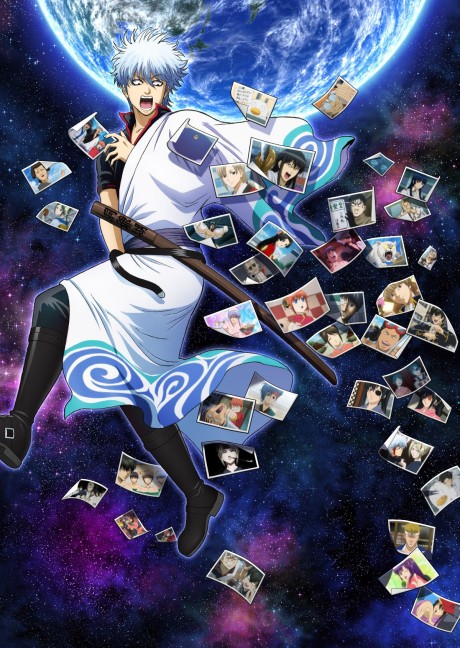
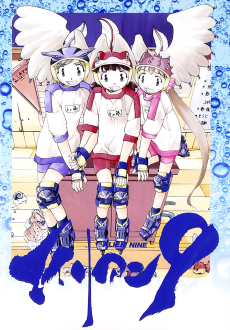
Porori’s watery onomatopoeia echoes the grotesque *body horror & occult* of Black Mesa’s mutated scientists—both revel in visceral, squelching transformation. Unlike most sci-fi action, *Slip Arc*’s recycled manga chapters and *Half-Life Deathmatch: Source*’s engine-upgraded maps share a self-aware, tactile reanimation of abandoned material. That friction—between decay and rebirth, between analog grit and digital polish—makes their resonance startlingly coherent.

Fujiwara-no-Sai’s translucent, flickering form—trapped in wood grain yet radiating fierce competitive will—mirrors the uncanny body horror of Headcrabs latching onto human hosts in *Half-Life Deathmatch: Source*. Where Sai’s ghostly presence heightens Go’s psychological intensity, the game’s claustrophobic map layouts and weapon recoil turn every firefight into a visceral, occult-tinged duel. This shared **Competitive Spirit**, rooted in physical and metaphysical stakes, makes their resonance startlingly coherent—not despite but *because* one unfolds on a 10x10 board and the other in Black Mesa’s rusted corridors.
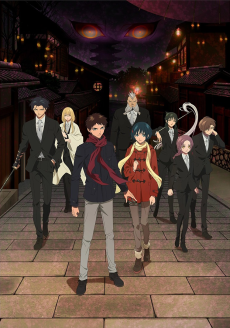
A shattered Combine soldier’s twitching, biomechanical corpse—limbs bent impossibly—echoes Hyoma’s first visceral confrontation with a tsukumogami that *unfurls* from a teacup, its porcelain skin cracking to reveal writhing void-flesh. Unlike most action media that sanitizes the supernatural, both commit unflinchingly to 👻 Body Horror & Occult: Source’s grime-caked labs and Mononogatari’s shrine-borne curses treat corruption as tactile, intimate, and inescapable. That shared dread—of technology and tradition alike birthing sentient rot—is what makes their dark synergy so jarringly precise.
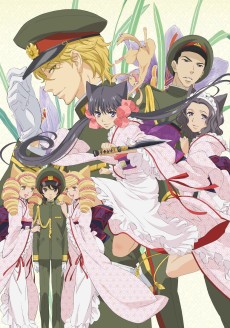
The body as a site of transformation and terror — both push physical boundaries.
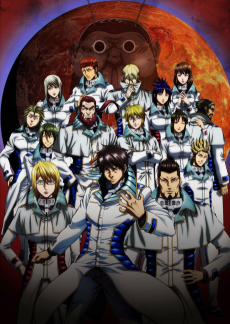
A cockroach’s chitinous leg splintering under a crowbar swing in *Terra Formars*’ Mars base echoes the visceral crunch of headshots in *Half-Life Deathmatch: Source*’s “crossfire” map—both weaponize **Body Horror & Occult** through biomechanical violation. Where *Terra Formars*’ mutated humans warp flesh into alien weaponry, the game’s crowbar and pulse rifle turn physics into grotesque choreography. This isn’t just sci-fi spectacle—it’s dark, tactile dread rooted in violated corporeality, making their resonance startlingly physical, not just thematic.

The body as a site of transformation and terror — both push physical boundaries.

The body as a site of transformation and terror — both push physical boundaries.
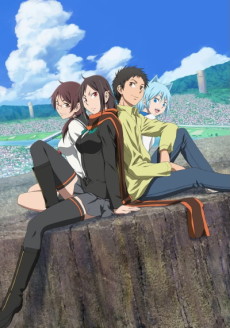
The body as a site of transformation and terror — both push physical boundaries.
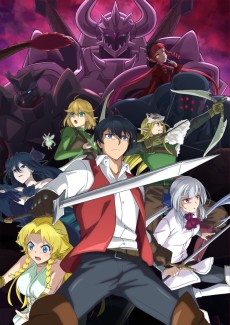
The body as a site of transformation and terror — both push physical boundaries.

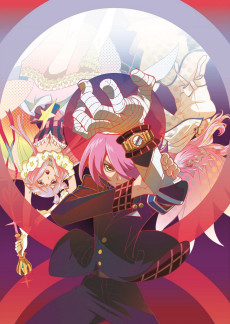

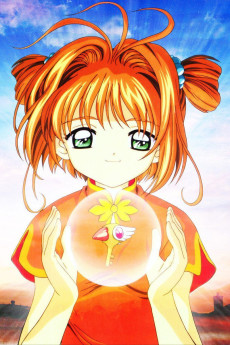
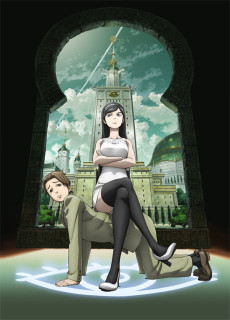


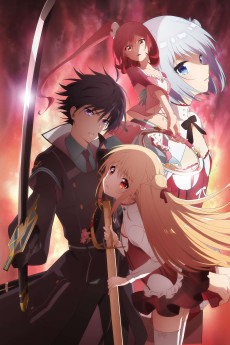

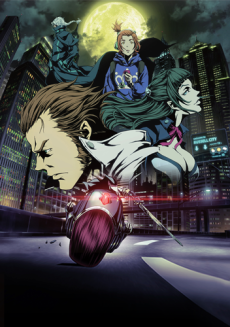

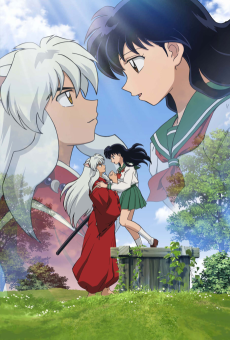


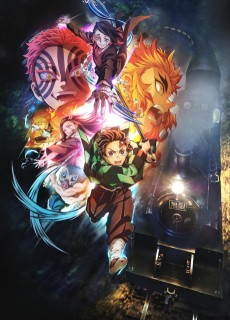
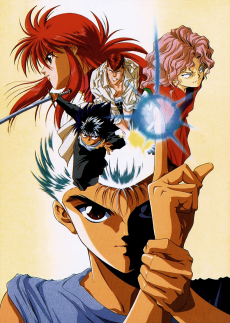
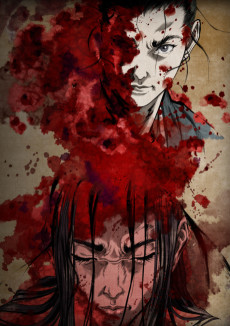

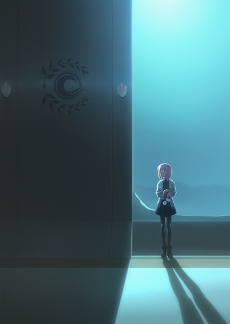
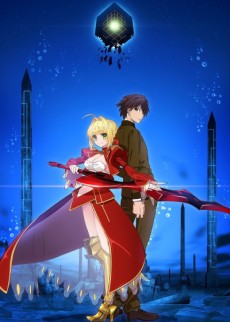
![Fate/stay night [Heaven’s Feel] III. spring song](https://s4.anilist.co/file/anilistcdn/media/anime/cover/large/bx21719-MSdTlkno0Z0u.jpg)


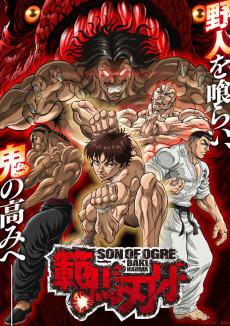
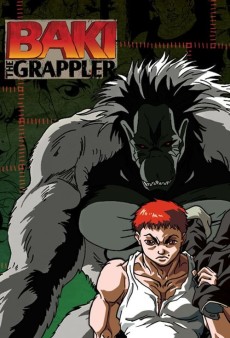







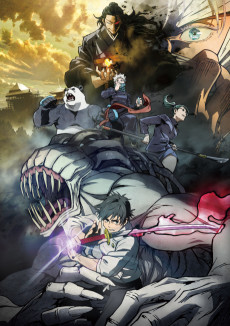





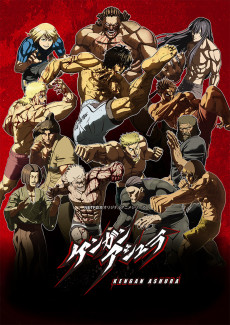

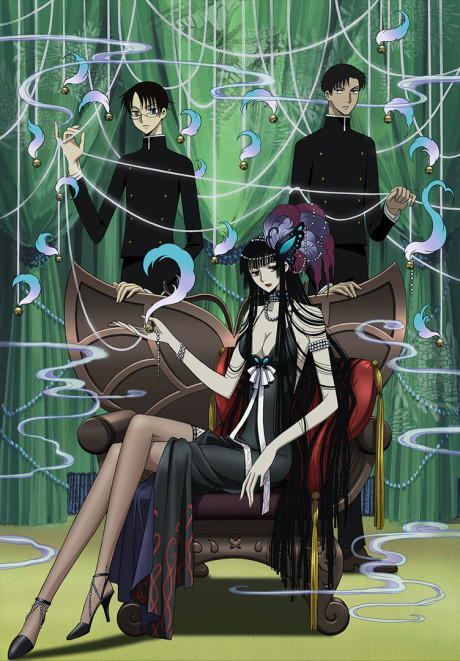












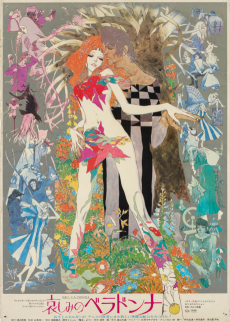
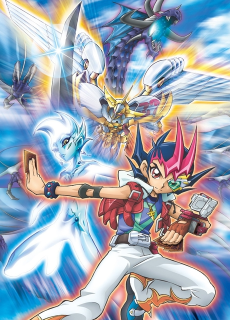
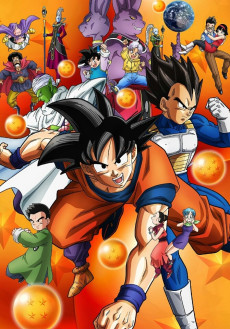

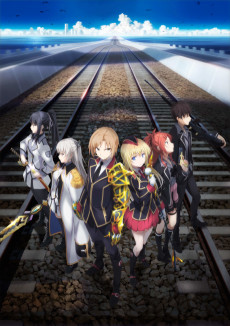

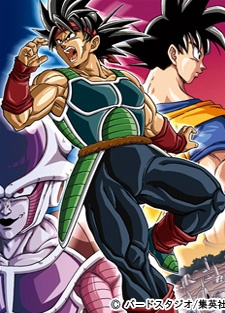


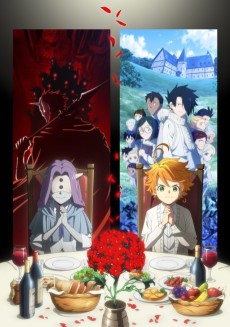
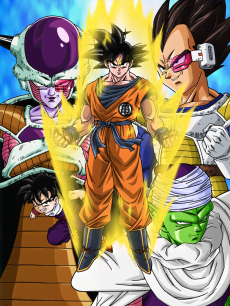

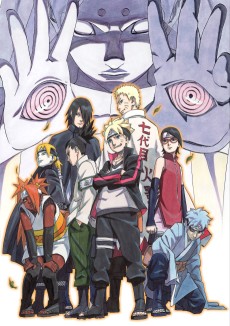

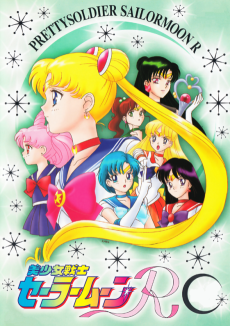
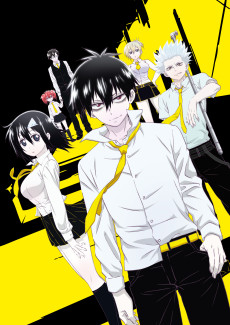
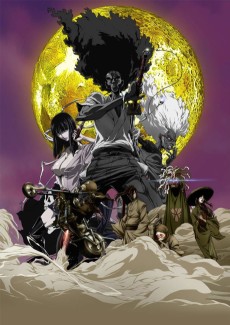
Match Dimensions Explained
❓Frequently Asked Questions
Why does Malevolent Spirits: Mononogatari match Half-Life Deathmatch: Source despite having no guns or maps?
Because both thrive on sudden, visceral chaos—like when Nadeko's serpent form erupts mid-conversation in episode 12, mirroring HLDM's frantic map rotations and surprise flank kills. The match isn't about weapons or geometry; it's the shared 'Body Horror & Occult' intensity and 'Action Spectacle' pacing that makes them vibe-match, especially during high-stakes, close-quarters confrontations.
Is there an anime adaptation of Half-Life Deathmatch: Source?
No—there’s never been an official anime adaptation of HLDM: Source (or any Half-Life multiplayer title). Valve hasn’t licensed one, and none appear in the match list. But if you love its fast-load, chaotic PvP energy, Gintama.: Slip Arc delivers that same irreverent, high-velocity mayhem—like when Gintoki and Takasugi brawl across collapsing space stations in ep 203, complete with ragdoll physics and zero cooldowns.
How does Terra Formars compare to Heaven Official's Blessing Season 2 for Half-Life Deathmatch: Source fans?
Terra Formars hits harder on raw, gory spectacle—think the Mars base massacre in episode 8, where mutated limbs snap and blood sprays like HLDM’s shotgun recoil—while HOB S2 leans into elegant, lightning-fast spiritual duels (e.g., Xie Lian vs. the Ghost King in ep 17) that mirror HLDM’s precise movement and map-control tension. Both score high on 'Body Horror & Occult' and 'Action Spectacle', but Terra Formars is grittier, HOB more balletic.
What’s the best anime like Half-Life Deathmatch: Source if I want that same 'chaotic 200-ping fun' feeling?
Gintama.: Slip Arc—it’s the perfect analog. Like playing HLDM with a friend at 200 ping (per that glowing player review), Gintama thrives on gloriously messy, unpredictable brawls: characters trip mid-swing, attacks misfire, and entire episodes collapse into absurd, physics-defying scrambles (ep 205’s bar fight is basically HLDM’s 'crossfire' map in shonen form). It’s fast, forgiving, and joyfully unbalanced—just like HLDM’s 'super chaotic and very fun' multiplayer.