
Terra Formars
During the 21st century, humanity attempted to colonize Mars by sending two species which could endure the harsh environment of the planet to terraform it—algae and cockroaches. However, they did not anticipate the species' remarkable ability to adapt. Now in the 26th century, a lethal disease known as the Alien Engine Virus has arrived on Earth, and the cure is suspected to be found only on Mars. The problem is, Mars in the present is overrun by creatures known as "Terraformars," incredibly powerful and intelligent humanoid cockroaches that mutated from those originally sent to the planet.
The Annex I team, consisting of a hundred men and women genetically enhanced with characteristics of powerful organisms from earth, has been sent to Mars on a mission to find the cause of the Alien Engine Virus and to help cure humanity—signalling the start of the crew's fight for survival.
📺Anime Details
📝Editorial Analysis
The airlock hisses open—not with relief, but with the wet shuck of chitin splitting under human muscle. A Terraformar’s forearm punches through a teammate’s ribcage before he even registers the sound; blood sprays in slow, viscous arcs against the red dust outside the habitat dome. No music swells. No heroic pause. Just the crunch of carapace grinding on bone, and the sudden, animal silence that follows when the last breath leaves a man who trained for ten years to survive Mars—and didn’t.

That silence is the soul of Terra Formars. Not the gore itself, but what it withholds: no catharsis, no moral clarity, no triumphant evolution—only the brutal arithmetic of adaptation. It makes you feel small, not because the monsters are huge, but because humanity’s arrogance is so fragile. You think about legacy—not as glory or progress, but as contamination. The algae and cockroaches weren’t defeated; they learned. And in learning, they erased the line between pest and predator, between experiment and executioner. This isn’t body horror as spectacle—it’s body horror as consequence. Every henshin sequence feels less like empowerment and more like surrender to biology’s cold verdict.
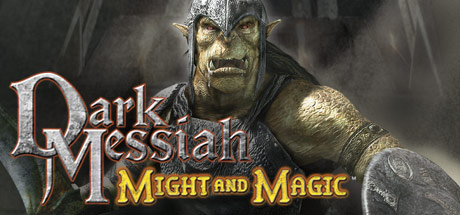
Dark Messiah of Might & Magic shares that same weight in motion—the way combat doesn’t reward flash, but commitment. Its description calls it “ferocious combat,” and the player review nails it: “a fantastic melee combat game that still holds up.” That durability mirrors Terra Formars’ refusal to soften its blows. Both weaponize physicality: swords bite, limbs break, spells warp flesh—not for flair, but because impact matters. When Geralt stabs a ghoul in the throat in The Witcher 3, it’s clinical. When a Terraformar tears a soldier’s jaw off, it’s biological. But both make violence feel earned, not indulgent—and both anchor their emotional narratives in bodies that remember every wound.
Then there’s DOOM + DOOM II, where the description names the core truth: “Sci-Fi & Space” fused with “Body Horror & Occult.” Not metaphorical horror—literal reassembly. Demons aren’t summoned; they’re unmade and remade from human matter, just as Terraformars are cockroaches reconfigured into something that wears faces like ill-fitting masks. The player review—“This game was the reason my dad and I built our first computer”—hints at something deeper: this isn’t nostalgia for graphics, but for urgency. That 1993 adrenaline, that unrelenting forward push against impossible anatomy—that’s the same pulse driving the Mars expedition’s final descent. No cover system. No respawn. Just you, your weapon, and the horrifying realization that the enemy grew here, and you did not.
Even Quake III Arena, with its “ancient alien race” staging war as sport, echoes Terra Formars’ existential dread—not in story, but in scale. Its description frames combat as spectacle for uncaring gods; Terra Formars frames humanity’s entire terraforming project as an unwitting audition for extinction. The player review says “smush in ioquake3 and your good to go”—a casual phrase masking something profound: the game’s engine endures, stripped down to pure velocity and collision. Like the anime’s pacing, it refuses to linger on grief. You die. You respawn. You move. The horror isn’t in the fall—it’s in how quickly the next jump must happen.
Who loves these pairings? Not the viewer who wants clean victories or the player who craves narrative hand-holding. It’s the one who watches a Terraformar’s mandibles flex just before it strikes—and feels their own jaw tighten in reflex. It’s the player who reloads DOOM not to win, but to test the edge of endurance, who replays The Witcher 3’s Bloody Baron quest not for answers, but because the silence after the last line hits deeper than any battle cry. These are people who don’t flinch at tragedy—they lean in, because in the wreckage, they recognize something honest: that survival isn’t noble. It’s noisy, messy, and often, too late. And somehow, that makes it real.
🎮240 Games That Match the Vibe




















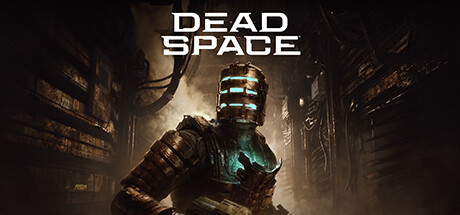
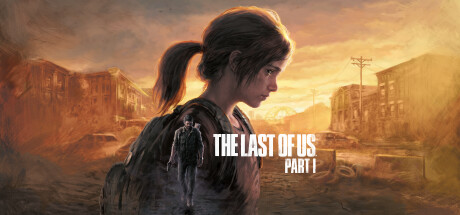

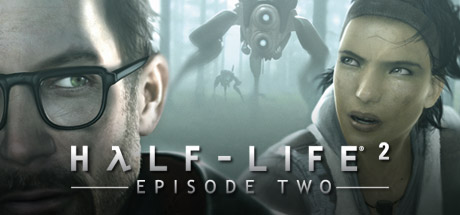

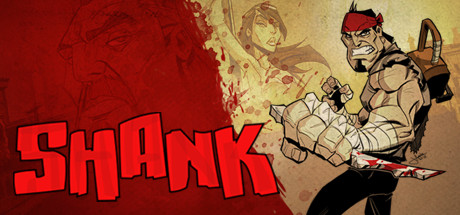

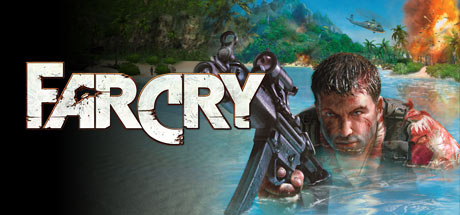

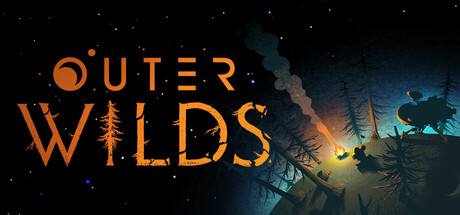
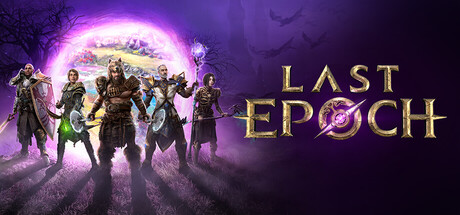
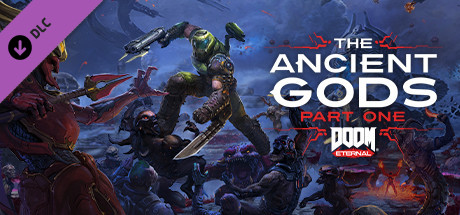



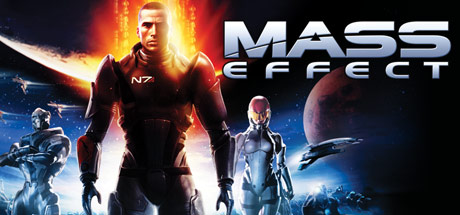
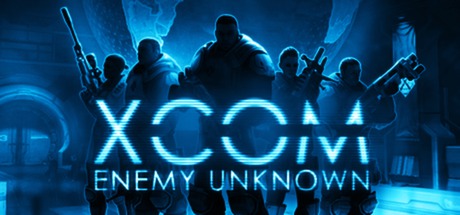

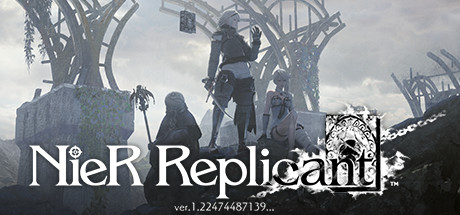




































































Match Dimensions Explained
❓Frequently Asked Questions
Why does Terra Formars feel so different from The Witcher 3 despite both having dark, emotional stories?
Great question — it’s all about *how* the darkness lands. Terra Formars leans hard into body horror and sci-fi grotesquerie (think mutated cockroach-human hybrids tearing through pressurized Mars domes), while The Witcher 3 wraps its emotional gut-punches in adult seinen nuance — Geralt’s quiet grief over Yennefer or Ciri’s trauma hits like a slow-burn novel, not a visceral mutation sequence. Both score 75–76 and share 'Emotional Narrative' and 'Dark Fantasy' or 'Adult & Dark Seinen' dimensions, but Witcher trades surgical horror for moral ambiguity and lived-in worldbuilding.
Is there an official Terra Formars video game adaptation?
No — and that’s why fans lean into matches like Quake III Arena and DOOM + DOOM II. They scratch the same itch: fast, brutal, alien-vs-humanoid combat with heavy body horror vibes (Quake III’s shapeshifting gladiators and DOOM’s zombified marines literally melting into flesh-metal hybrids). Neither is *about* Terra Formars, but both nail the 'sci-fi arena slaughter' energy — especially when you’re dodging plasma bolts while surrounded by biomechanical monstrosities.
How does Dark Messiah of Might & Magic compare to DOOM + DOOM II for melee-heavy sci-fi action?
Totally different flavors — DOOM is pure run-and-gun chaos (shotgun blasts, imp demons, Hellish tech-organic gore), while Dark Messiah is grounded, physics-driven melee: think disarming enemies, kicking them into spikes, or stabbing through armor with satisfying crunch. Both hit 76 and share 'Action Spectacle' and 'Body Horror & Occult', but Dark Messiah’s 'Dark Fantasy' setting (gore-soaked castles, cursed blades) swaps DOOM’s Mars bases and cyber-demons for grimy, human-scale brutality — no guns, just blood, bone, and bad decisions.
What’s the best game like Terra Formars if I want that tense, isolated sci-fi survival vibe — not just action?
Go straight to Chains — yes, really. Don’t let the 'match-3' label fool you: its 'Survival & Crafting' and 'Sci-Fi & Space' dimensions pair with slow-building tension as physics-driven bubble chains collapse unpredictably (like failing life-support systems on a derelict station), and its 'Emotional Narrative' layer sneaks in through minimalist storytelling — think silent alarms, flickering HUDs, and escalating pressure. It’s the only match that trades Terra Formars’ gore for existential quiet, but nails the *weight* of being alone in deep space.