Quake II
You are humanity’s last hope to stop the Strogg, a hostile alien race waging war against Earth. Play this military sci-fi FPS, now upgraded for modern platforms with improved visuals, new campaign content, online multiplayer/co-op, and more.
🎮Game Details
💬What Players Say
"The best way to experience Quake II. All expansions + new improvements, fantastic gameplay, music and atmosphere. When John Carmack saw this, the clouds stopped raining acid on Belarus for a second."
"This is all I need. Which is funny, because I couldn't get into Ready or Not because the unrealistic AI would lazer beam me through walls, but when it happens in this game it's like, ♥♥♥♥ yeah!! Call of the Machine is soo ♥♥♥♥♥♥♥ good, I can only hope one day indie devs finally get over their love affair with pixellated looking build engine games and start putting out decent shooters like this, one can only hope......"
"the campaign is great and the deathmatch is even better"
📝Editorial Analysis
The acid rain stops—not for peace, but because something worse just breached the perimeter. You’re sprinting down a steel corridor lit by flickering emergency strips, boots echoing like gunshots in your own skull, and then—thud—a Strogg drops from the ceiling vent, half-machine, half-meat, its arm already unwinding into a rotary cannon. No warning. No cover. Just that raw, electric yes—the one player review calls “♥♥♥♥ yeah!! Call…”—as you pivot, fire, and watch its torso split open to reveal pulsing bio-circuitry beneath corroded plating. That’s Quake II: not survival horror, not tactical realism, but cathartic rupture—a world where body horror isn’t tragic; it’s fuel, where every explosion is punctuation, and every death is a drum hit.
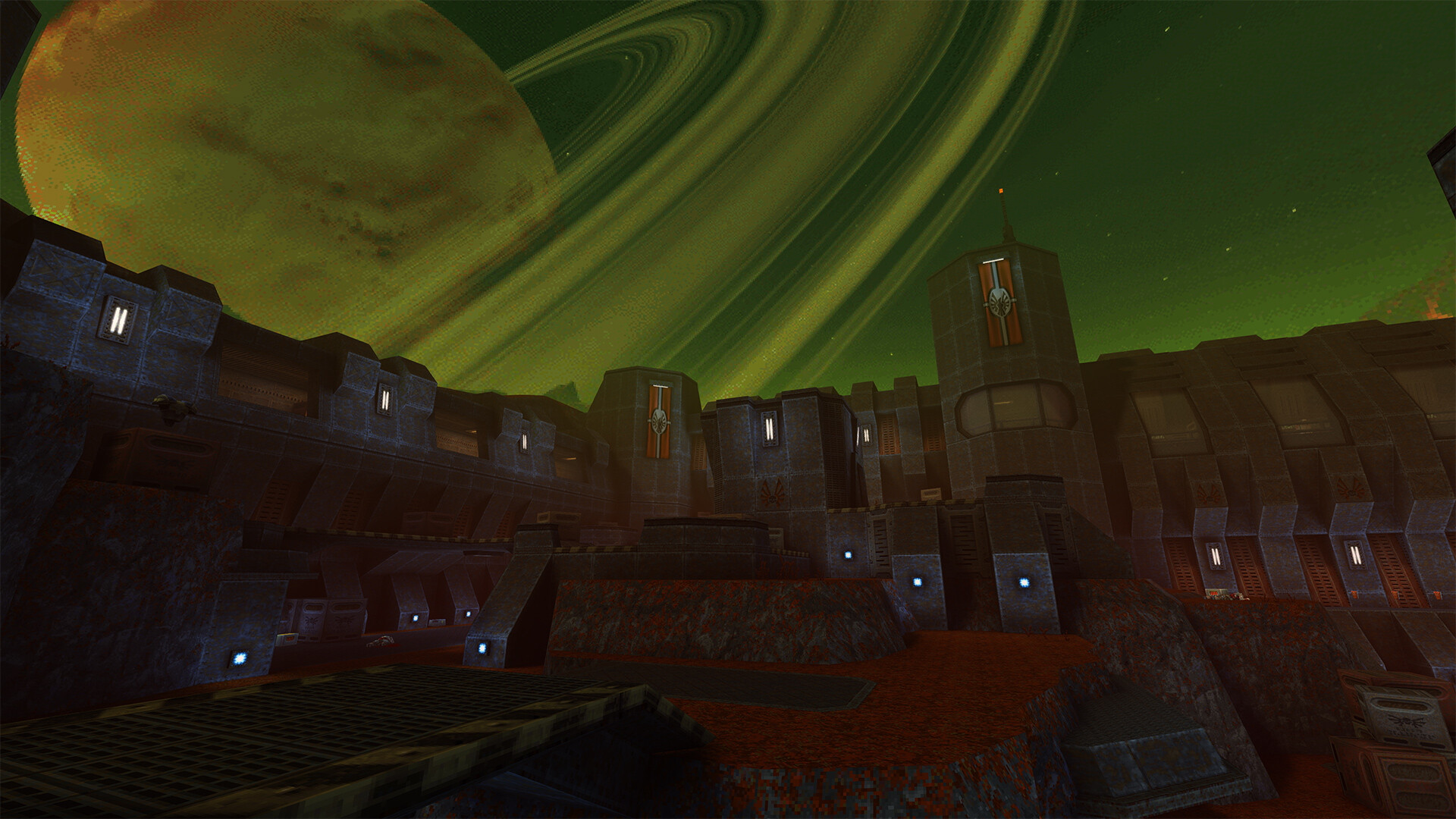
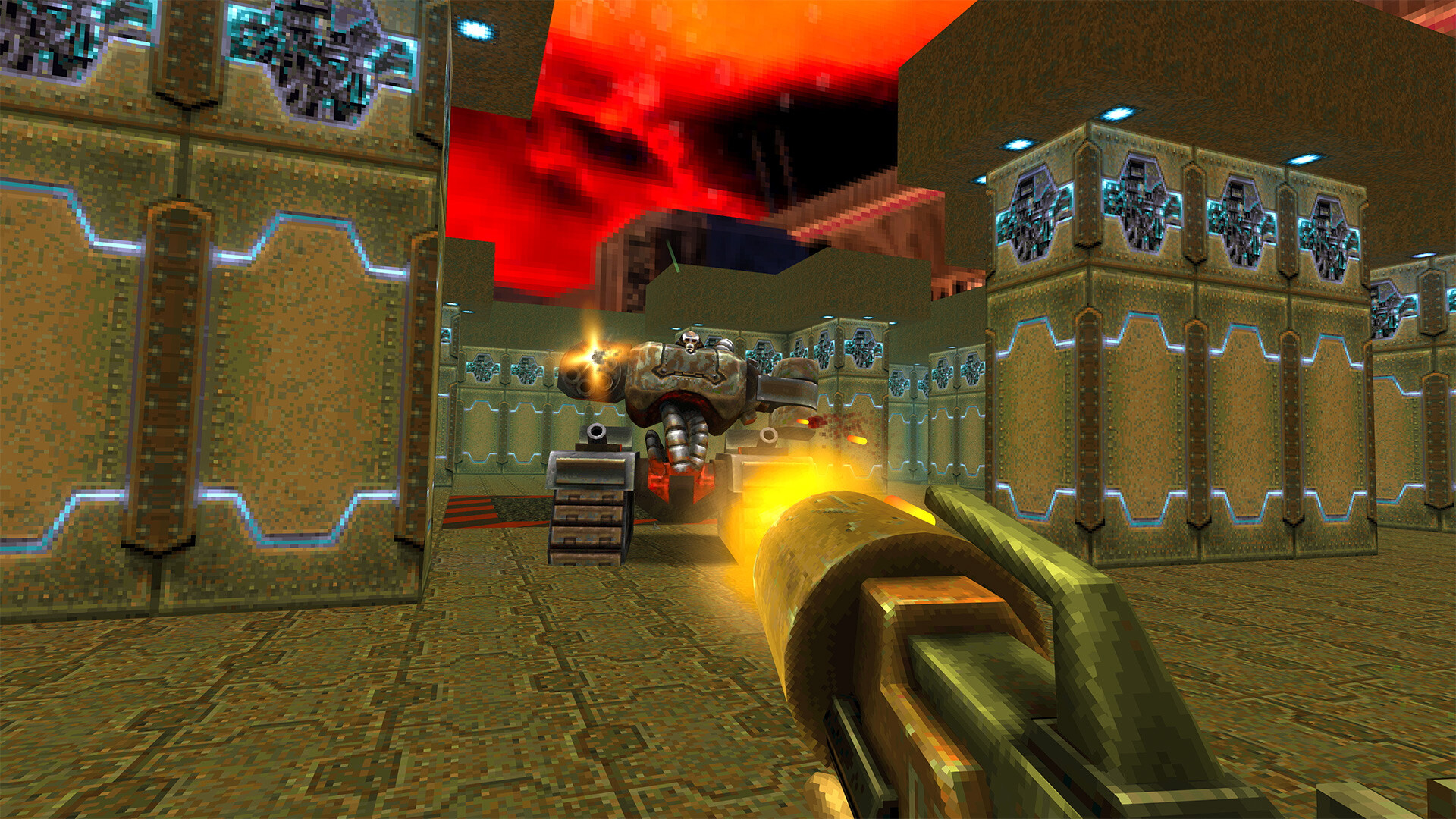
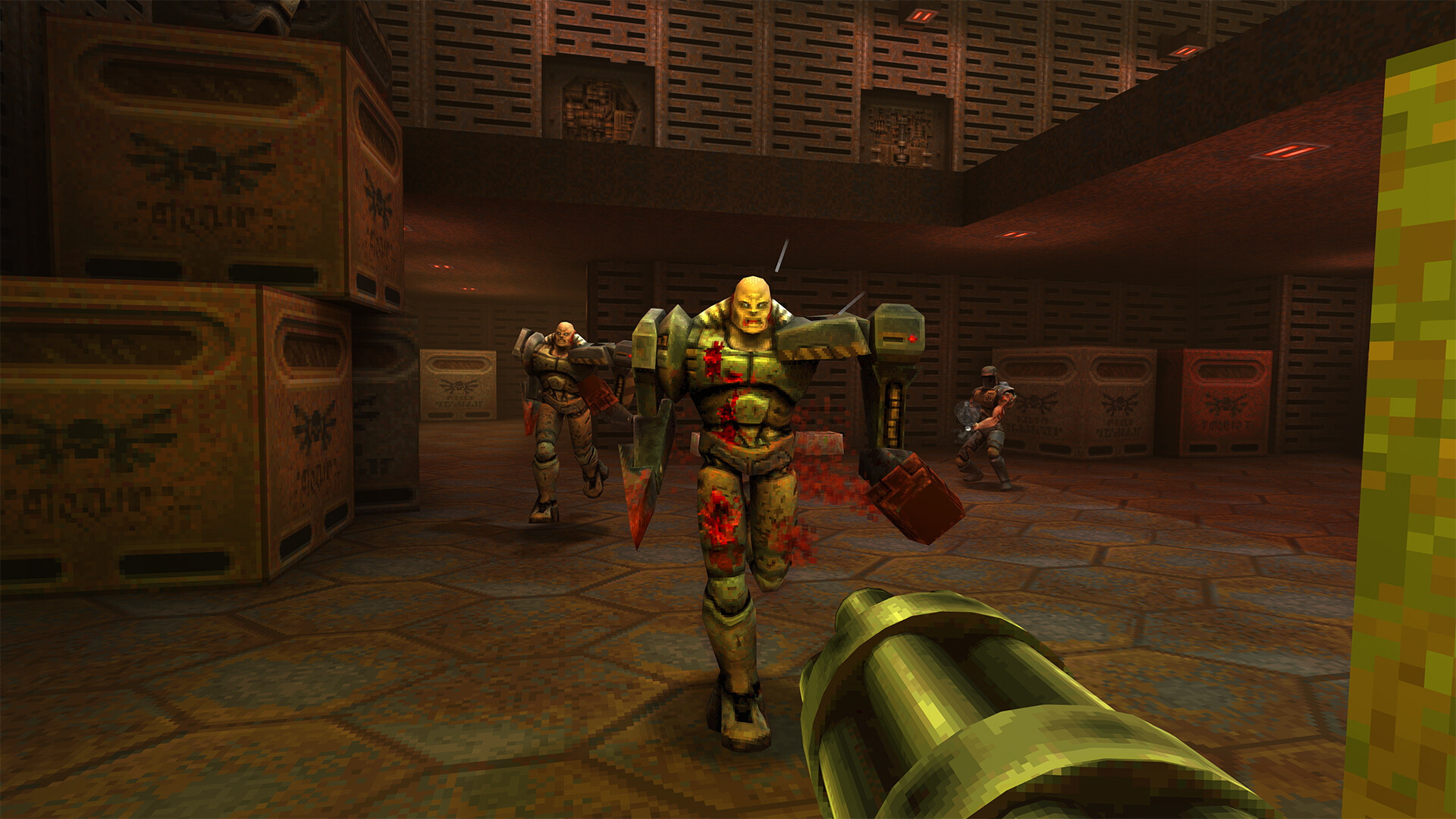
What makes this atmosphere singular isn’t its military sci-fi label—it’s how it weaponizes dissonance. The official description calls it “humanity’s last hope,” but the game never lets you feel heroic. You’re not a soldier—you’re a trigger, calibrated to chaos. The music doesn’t swell with hope; it throbs with industrial dread, then cuts to silence before a grenade detonates. Player reviews praise the “fantastic gameplay, music and atmosphere”—not story, not lore, but texture: the weight of the shotgun kick, the hiss of steam vents masking enemy footsteps, the way the Strogg don’t speak—they reconfigure. Their bodies aren’t violated; they’re upgraded, grotesquely efficient. It makes you feel small, yes—but also sharpened, like a blade drawn across stone. You don’t think about ethics or consequences. You think: Where’s the next chokepoint? What’s behind that door? How fast can I reload before the wall explodes? It’s visceral, immediate, and unapologetically physical—a world where meaning lives in muscle memory, not monologue.
That same frequency hums through Gintama.: Slip Arc, where Edo’s streets buckle under biomechanical abominations fused from samurai steel and alien flesh—the Strogg’s spiritual cousins, just draped in satire and saké breath. Both treat body horror as style, not shock: limbs detach, organs whirr, spines twist—and instead of recoiling, characters crack jokes mid-limb-replacement. The Action Spectacle isn’t choreographed grace; it’s frantic, clanging, over-the-top physics—just like Quake II’s rocket-jump chaos or that infamous laser-beam-through-walls moment players celebrate, not complain about. Then there’s Heaven Official's Blessing Season 2, where Xie Lian’s shattered armor and bleeding sigils mirror the Strogg’s exposed wiring—not as decay, but as exposed architecture of will. The battles aren’t clean; they’re collisions of sacred geometry and screaming flesh, each strike vibrating with the same physical finality as a well-placed railgun shot. And Bleach, especially its Hollowfication arcs, shares that exact alchemy: bone masks cracking to reveal snarling mouths, zanpakutō dissolving into organic blades, enemies reforming mid-combat—not as magic, but as biological inevitability, like a Strogg regrowing an arm mid-leap. All three anchor their Body Horror & Occult not in despair, but in intensity—a shared refusal to look away from the grotesque, because the grotesque moves faster, hits harder, and means more when it’s alive.
This pairing isn’t for lore-hunters or narrative deep divers. It’s for the person who pauses a cutscene to admire the sound design of a collapsing ceiling. For the viewer who rewatches Mugen Train’s demon-slaying not for the tragedy, but for the crunch of Nichirin steel biting through scaled hide—and the way Tanjiro’s breath hitches exactly like your own does before a Quake II boss door opens. It’s for the player who loads up deathmatch not for rank, but for the symphony of chaos: the ping of bullets on metal, the wet thump of a plasma bolt hitting flesh, the sudden, beautiful silence right before the map resets. They don’t want realism—they want resonance. They want the Strogg’s scream and Xie Lian’s laugh to vibrate in the same frequency band. They want to feel small, sharp, and utterly, fiercely present—because in that narrow corridor between panic and power, between flesh and machine, between human and horror—that’s where the truth lives. Not in answers. In impact.
→54 Anime That Match the Vibe

The body as a site of transformation and terror — both push physical boundaries.
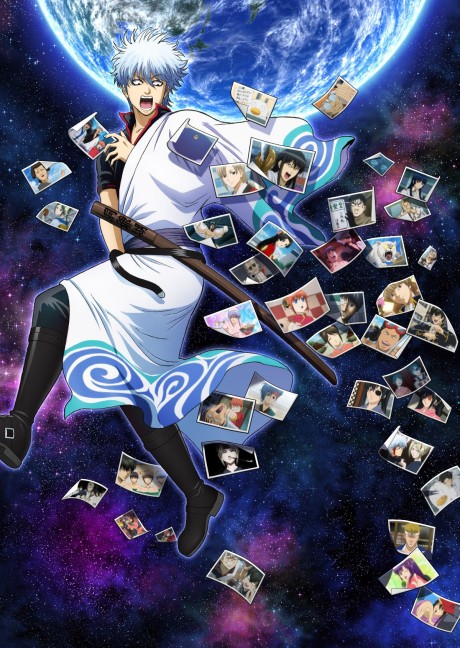
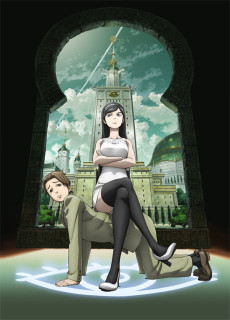
Porori’s watery onomatopoeia echoes the Strogg’s grotesque biomechanical assimilation—body horror made audible. Where Quake II renders alien invasion through claustrophobic industrial corridors and visceral dismemberment, *Gintama.: Slip Arc* fractures that same dread with slapstick timing and porous genre boundaries. This isn’t sci-fi as spectacle alone: both weaponize absurdity to expose how bodies become battlegrounds—💥 Action Spectacle fused with 👻 Body Horror & Occult in ways that feel eerily, darkly symbiotic.

The body as a site of transformation and terror — both push physical boundaries.

The body as a site of transformation and terror — both push physical boundaries.
The body as a site of transformation and terror — both push physical boundaries.
The body as a site of transformation and terror — both push physical boundaries.

The body as a site of transformation and terror — both push physical boundaries.

The body as a site of transformation and terror — both push physical boundaries.

The body as a site of transformation and terror — both push physical boundaries.
The body as a site of transformation and terror — both push physical boundaries.









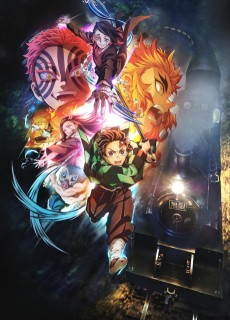
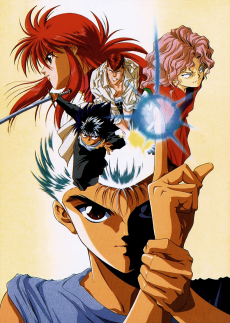


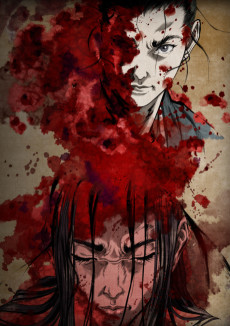

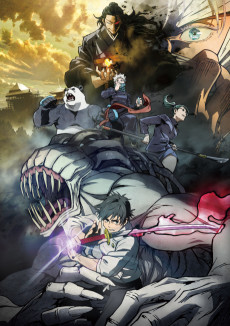


![Fate/stay night [Heaven’s Feel] III. spring song](https://s4.anilist.co/file/anilistcdn/media/anime/cover/large/bx21719-MSdTlkno0Z0u.jpg)








Match Dimensions Explained
❓Frequently Asked Questions
Why does Gintama. Slip Arc match Quake II so well despite the comedy?
Because both lean hard into visceral body horror and over-the-top action spectacle—like when Gintama’s Kagura gets her arm ripped off by a Strogg-like biomech enemy (Episode 212), then reattaches it with zero downtime, mirroring Quake II’s ‘stomp, reload, keep moving’ combat rhythm. The Slip Arc’s alien invasion arc even features grotesque, cyber-organic Strogg analogues called the Kiheitai cyborgs, complete with acid-dripping limbs and brutal close-quarters dismemberment.
Is there an anime adaptation of Quake II?
No official anime adaptation exists—but Heaven Official's Blessing Season 2 hits that same vibe: elite soldiers (the Qingming Guard) fighting biomechanical, occult-corrupted entities in claustrophobic, high-stakes corridors (e.g., the Blood Pool Hell siege in Ep 14), where every slash and blast feels weighty and spatially grounded, just like Quake II’s tight level design and hit registration.
How does Bleach compare to Quake II in terms of combat pacing and stakes?
Bleach’s Soul Society arc (especially the fight between Ichigo and Byakuya) mirrors Quake II’s relentless escalation: tight arenas, instant-death mechanics (Bankai’s ‘Senbonzakura Kageyoshi’ barrage = rocket-jump spam + railgun precision), and zero hand-holding—just like when you’re cornered by a Strogg Hunter in the reactor core and have to use strafe-jumping, grenade bounces, and timing to survive.
What’s the best anime like Quake II if I want that gritty, no-nonsense military sci-fi adrenaline rush?
Hell’s Paradise Season 2—it’s your pick. Think of Gabimaru’s brutal efficiency in the Shinsenkyo labyrinth: no flashy monologues, just rapid-fire swordplay, environmental traps, and enemies that mutate mid-fight (like the Strogg’s flesh-to-metal transformations). The sound design alone—clanging metal, wet impacts, sudden silence before a kill—feels ripped straight from Quake II’s iconic audio engine.