
Heaven Official's Blessing Season 2
The second season of Tian Guan Ci Fu.
📺Anime Details
📝Editorial Analysis
The lanterns float—not upward, but sideways, caught in a breathless, silent wind that doesn’t rustle cloth or stir hair, only lifts light into the hollow between life and memory. That’s the moment: Xie Lian standing on the crumbling edge of the Ghost City’s shattered bridge, rain falling around him like glass beads suspended mid-air, while the ghostly glow of a thousand paper lamps drifts past his shoulder—not toward heaven, not toward earth, but elsewhere, carrying names no one speaks aloud anymore.
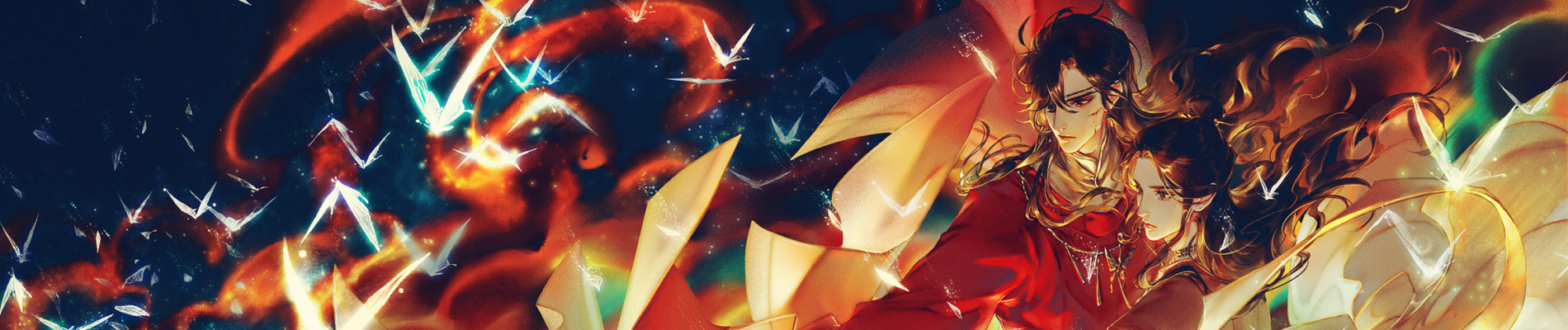
That’s the feeling Heaven Official's Blessing Season 2 lives inside: grief with grace, power without pride, love that remembers even when the world forgets. It’s not wuxia as spectacle—it’s wuxia as sigh. Not cultivation as conquest, but as quiet endurance. The gods aren’t aloof; they’re exhausted. The ghosts aren’t threats—they’re echoes wearing familiar faces. Every fight is laced with sorrow, every reunion thick with unspoken years, every glance weighted with the knowledge that devotion can outlive death—and still be punished for it. You don’t watch it to win. You watch it to witness: how dignity holds when everything else has cracked open.
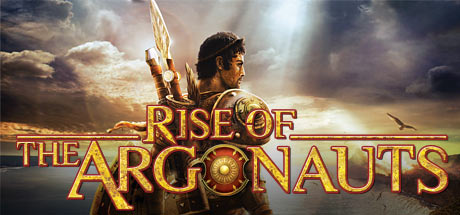
Which makes the resonance with certain games startling—not because they’re similar in plot or mechanics, but because they share that same emotional gravity, that same reverence for myth as vessel, not backdrop. Take Rise of the Argonauts: its description says Jason vows “to do anything to restore her life” after his fiancée is killed on their wedding day. That vow—raw, singular, world-breaking—is Xie Lian’s entire arc distilled into one line. And the player review? “If you love games based on ancient history this one does it right…” — yes, but more than history: it treats myth as moral architecture, where gods test mortals not with riddles, but with consequences. Like Xie Lian’s repeated falls from grace—not for hubris, but for caring too much, for choosing mercy over mandate. That shared pulse—myth as emotional logic, not lore dump—is unmistakable.
Then there’s Legendary, where “all creatures of ancient myth, legend and lore are real—they’ve just been sealed away… waiting.” That sealing isn’t prison—it’s suspension, a limbo between eras, identities, truths. Sound familiar? The Ghost City isn’t haunted by monsters—it’s haunted by unresolved stories, by deities stripped of worship, by souls who linger because no one named them into peace. The game’s player review praises “incredible animations” and admits “some jank”—and that duality mirrors the anime’s aesthetic perfectly: breathtaking, fluid, emotionally precise movement (Xie Lian’s ribbon-wrapped swordplay, Hua Cheng’s slow, deliberate steps through flame), yet never polished to sterility—there’s jank in the sincerity, in the way emotions stutter before breaking loose, in how love persists despite glitchy, illogical, heartbreaking systems.
Even DOOM + DOOM II, at first glance pure carnage, shares something deeper: its description calls it “the definitive, newly enhanced versions”—a restoration, not reinvention. And the player review? “This game was the reason my dad and I built our first computer.” That generational weight—the act of rebuilding, of preserving something vital across time, across hardware, across loss—that’s Xie Lian remaking himself, again and again, not to erase his past, but to carry it forward, intact. The body horror in DOOM isn’t just gore—it’s violation of form, of self—echoing how Xie Lian’s very divinity is weaponized against him, how Hua Cheng wears his scars like scripture. Both understand that horror isn’t always monstrous—it’s what happens when love becomes taboo, when loyalty becomes heresy, when your own body is the last frontier you’re forbidden to reclaim.
This pairing isn’t for fans of “epic battles” or “cool powers.” It’s for the person who replays the scene where Xie Lian kneels—not in submission, but in recognition—and feels their throat tighten. It’s for the player who pauses mid-gameplay in Rise of the Argonauts, not to strategize, but to stare at Jason’s empty throne room, remembering how silence sounds after vows shatter. It’s for those who replay Legendary’s cutscenes not for lore dumps, but for the way Deckard’s hands tremble—not from fear, but from the unbearable weight of being the only one left who remembers the name. These are stories for people who know that the most devastating fights aren’t won with swords or shotguns—but with a single, steady hand reaching across centuries of silence, holding on—not to change the past, but to witness it, fully, tenderly, without looking away.
🎮32 Games That Match the Vibe



Match Dimensions Explained
❓Frequently Asked Questions
Why does Rise of the Argonauts keep coming up in 'Games Like Heaven Official's Blessing Season 2' lists?
Because its tragic romance core—Jason’s desperate quest to resurrect his murdered fiancée Medea—mirrors the soul-deep devotion and grief-driven stakes of Xie Lian and Hua Cheng’s story. The mythic worldbuilding, emotional weight in cutscenes (like Jason kneeling at her funeral pyre), and action-spectacle combat all hit that same blend of grandeur and intimacy fans love.
Is there a Heaven Official's Blessing game adaptation?
No official HOBB game exists yet—no licensed RPG, visual novel, or action-adventure based on the novel or anime. That’s why fans turn to thematic stand-ins like Legendary (with its occult mystery and morally grey antiheroes) or Loki (for mythic scale and tragic hero arcs), even if they’re not direct adaptations.
Legendary vs. Rise of the Argonauts—which one captures HOBB’s vibe better?
Rise of the Argonauts nails the romantic tragedy and mythic gravitas (think Xie Lian’s fall and redemption arc), while Legendary leans harder into body horror and occult dread—closer to the eerie, unsettling moments with the Ghost King’s domain or the blood-curse scenes. If you want sorrow with splendor, go Argonauts; if you want creeping dread with mythic monsters, Legendary’s your pick.
What’s the best game like Heaven Official’s Blessing Season 2 for that bittersweet, emotionally raw mood?
Rise of the Argonauts—it’s got that exact ache: Jason’s quiet grief after Medea’s death, the way he clutches her locket during quiet camp scenes, and the slow burn of rebuilding trust and hope. Player reviews even call out how it ‘does ancient history right,’ echoing HOBB’s reverence for legacy, sacrifice, and love that persists across lifetimes.