Prototype™
You are the Prototype, Alex Mercer, a man without memory armed with amazing shape-shifting abilities, hunting your way to the heart of the conspiracy which created you; making those responsible pay. Fast & Deadly Shape-Shifting Combat: Reconfigure your body to the situation at hand.
🎮Game Details
💬What Players Say
"It’s sad that I have to do this for a game that I genuinely love. I played this game on console back in 2009 when it first came out, so I had to get it again when I got into PC gaming rather recently. Little did I know, the PC version of this game hates powerful modern PCs with more than 4 cores...."
"The game still stands strong even today, if you download the fix from nexus the game will run just fine, the gameplay is still good, combat it's unique, one of the best older action game."
"Alex Mercer was easily one of the most badass characters in gaming history. They could’ve milked that character for years, but apparently they chose to go with the dumbest ideas possible instead. Don’t even bother playing the second game if you still haven’t."
📝Editorial Analysis
You’re sprinting across the rooftops of Manhattan, not with parkour grace but violence—a jagged, lurching leap that tears asphalt from the roofline as you launch yourself into the air, limbs elongating mid-flight like wet clay stretched by unseen hands. Your body reconfigures: a whip-lash tendril snaps out, impales a soldier through the chest, then retracts—pulling his face into yours so you can absorb his memories in a hot, gory flash. There’s no pause. No breath. Just motion, mutation, and the low, guttural hum of something unmoored—a man who doesn’t remember his name but remembers how to unmake.
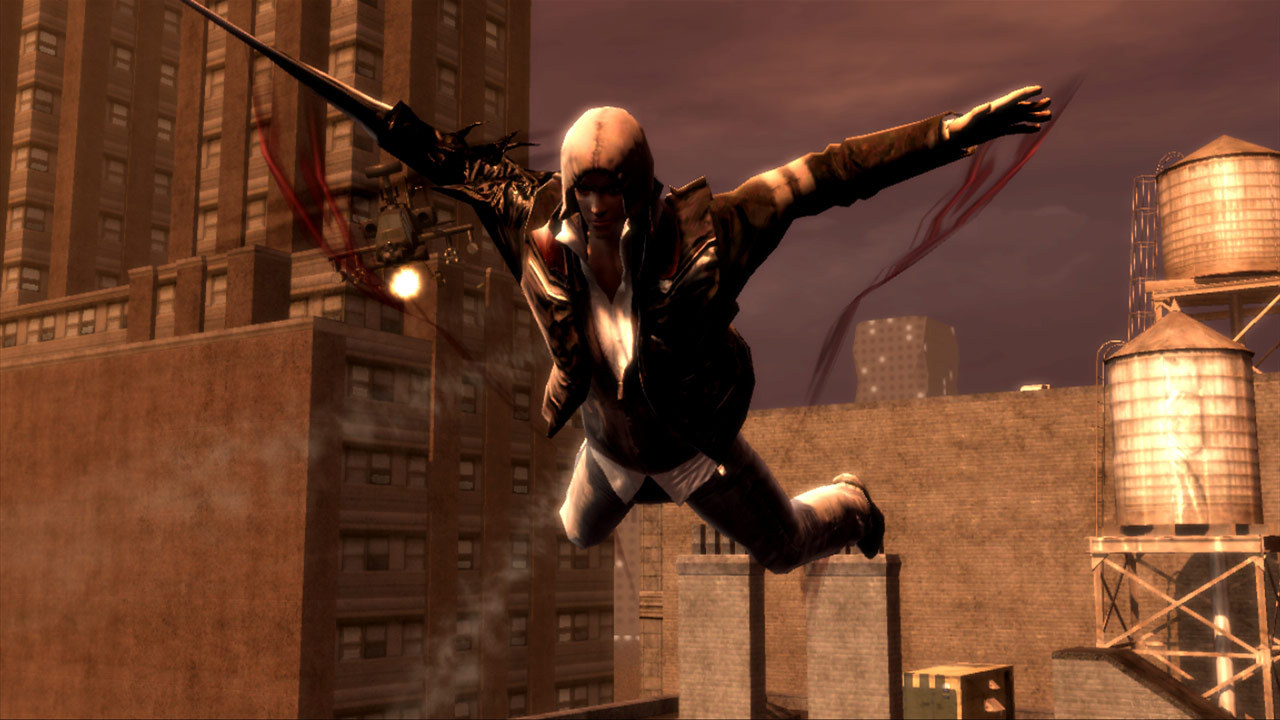
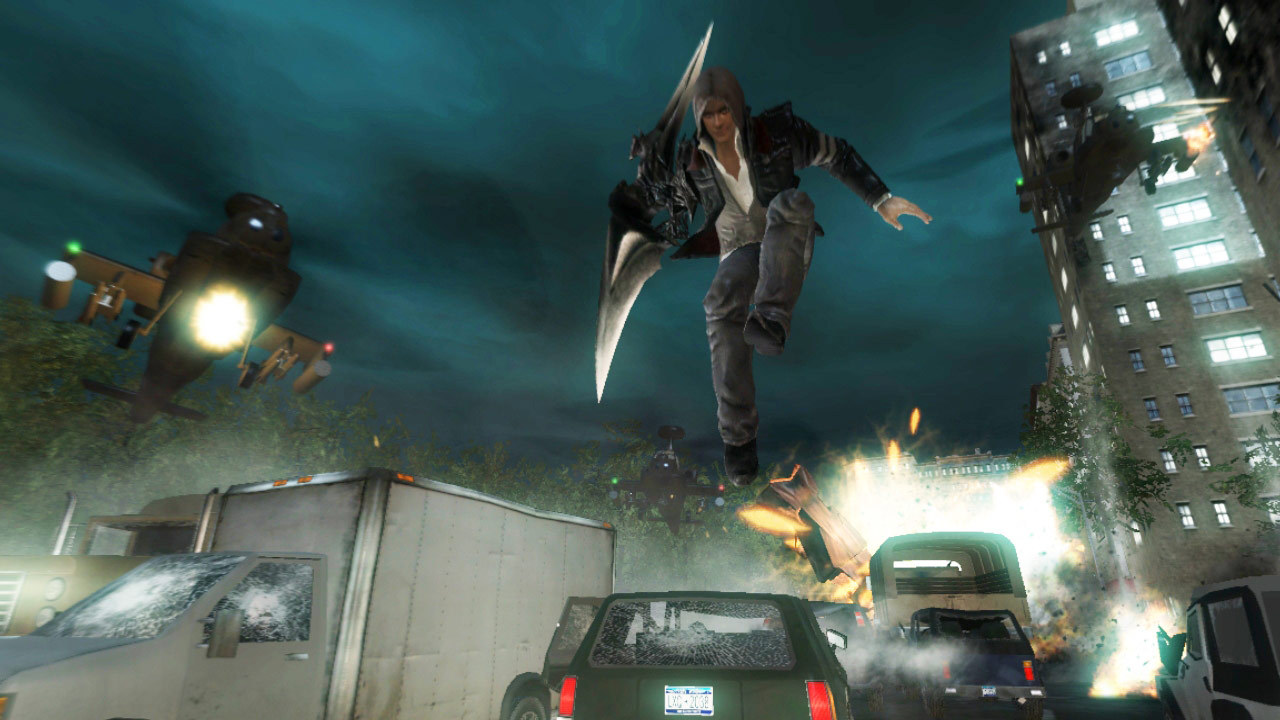
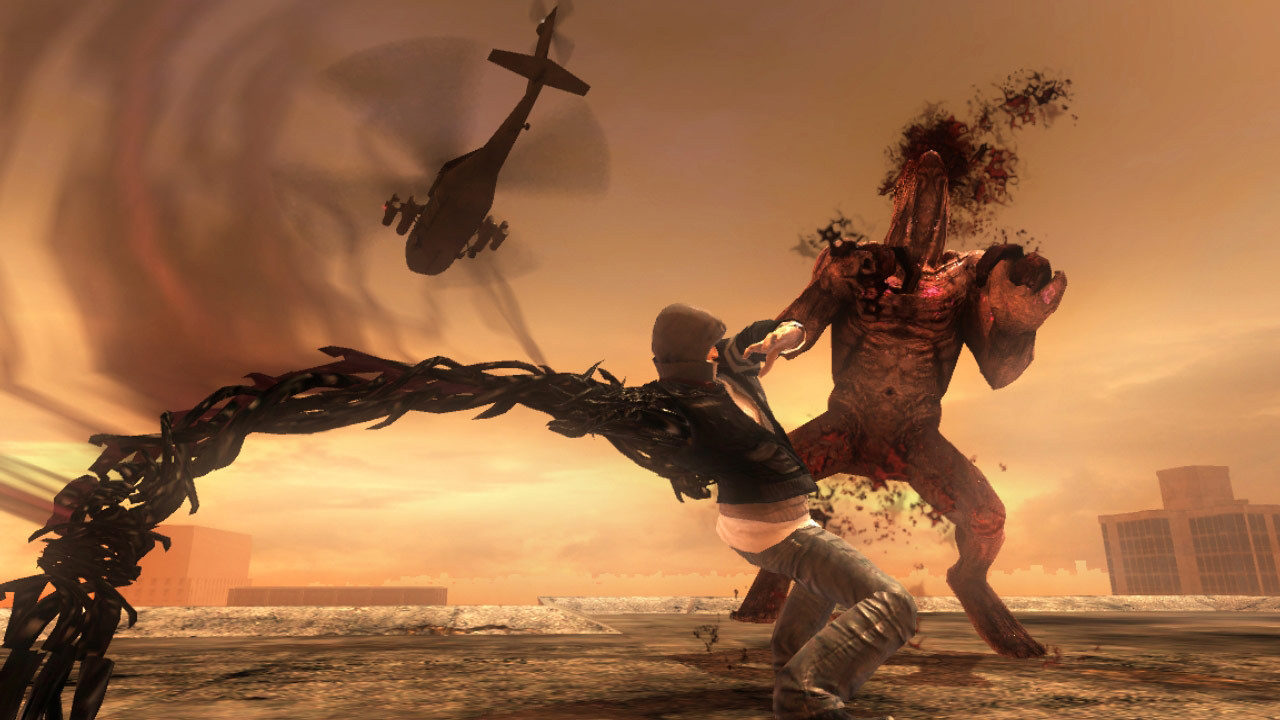
That’s Prototype™—not as genre, but as sensation. It’s the feeling of being both weapon and wound: a body that refuses stability, a mind that’s all reflex and rage, no origin story intact—just consequence, immediate and brutal. The official description nails it: “You are the Prototype, Alex Mercer, a man without memory armed with amazing shape-shifting abilities…” — and the player reviews confirm the lingering ache beneath the spectacle: “It’s sad that I have to do this for a game that I genuinely love”, “Alex Mercer was easily one of the most badass characters in gaming history”. That contradiction is the core—power without peace, agency without identity. You don’t feel heroic. You feel exposed: every combat encounter is visceral, grotesque, deeply physical—not choreographed, but biological. The world isn’t hostile because it’s evil; it’s hostile because it recognizes you as aberration. And you? You don’t seek redemption. You seek recognition—from the conspiracy that made you, yes, but more urgently: from yourself.
What makes this atmosphere singular isn’t the open world or the superpowers—it’s how relentlessly adult and uncomfortable it feels. Not mature in the sense of grimdark tropes, but in its refusal to soothe. There’s no moral scaffolding. No mentor. No voice telling you what you are. Just the city breathing around you—neon-slick, rain-slicked, rotting—and your own body betraying its limits every time you shift: muscle tearing, bone snapping back into place, skin bubbling like hot wax. It’s Neon Noir: not just aesthetics, but mood—glare and grime fused, glamour and gore inseparable. It’s Body Horror & Occult: not ghosts or spells, but the uncanny violation of self—flesh as unstable data, identity as corrupted file. And it’s Dark Seinen: unflinching, unsentimental, built for adults who’ve stopped waiting for permission to feel angry, lost, or terrifyingly capable.
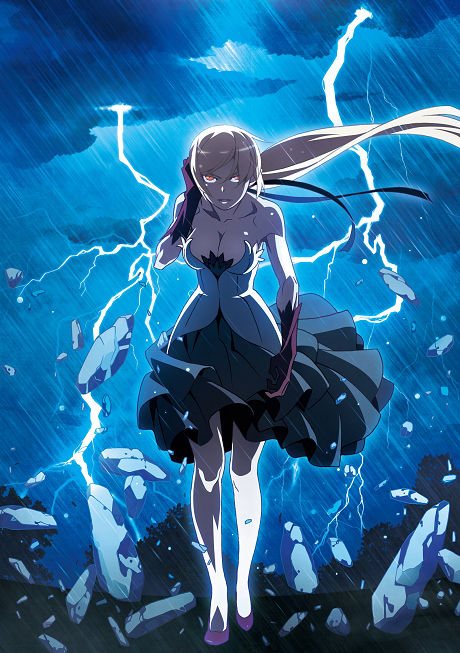
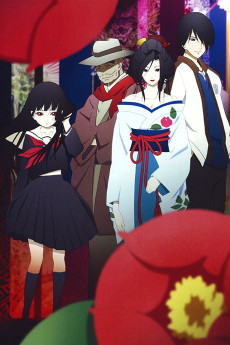
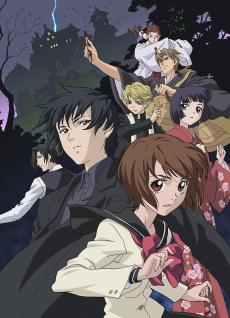
That emotional DNA pulses strongest in Paprika, where dreams dissolve flesh and logic, where the line between psyche and physiology collapses in shimmering, surreal violence—same Neon Noir palette, same Body Horror & Occult dread, same adult refusal to separate trauma from transformation. Then there’s Malevolent Spirits: Mononogatari, where spirits don’t haunt places—they inhabit bodies, warping them from within, demanding ritual, precision, and consequence. Its Action Spectacle isn’t flashy for flashiness’ sake; every slash, every shift, carries weight—the body as battleground, not playground. And AJIN: Demi-Human, with its cold, clinical horror of immortality-as-disease, mirrors Prototype™’s central paradox: to survive is to be hunted, and to evolve is to be erased. Its Neon Noir lighting doesn’t glamorize—it isolates. Its Adult & Dark Seinen tone doesn’t ask you to sympathize with the protagonist; it asks you to witness him—disintegrating, adapting, refusing to stop.
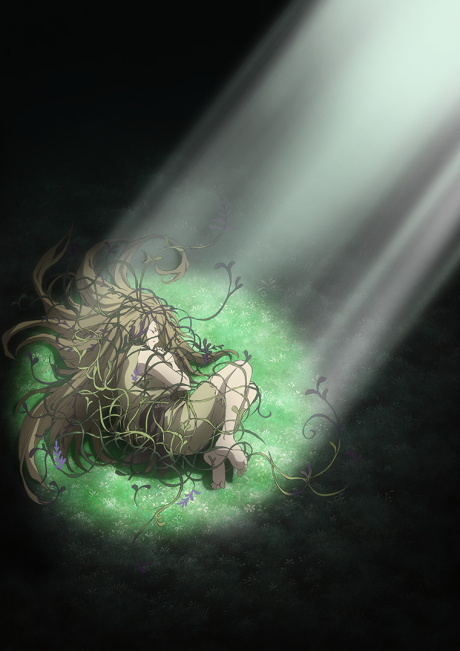
This isn’t for the viewer who wants catharsis on cue or the player who needs a clear moral compass. It’s for the person who watches Kizumonogatari Part 2: Nekketsu and feels the heat of blood before the first drop hits the floor—who plays Prototype™ not to win, but to endure the velocity—who understands that sadness and badassery aren’t opposites, but frequencies vibrating at the same pitch. It’s for those who’ve ever stared at their own reflection and wondered not who they are—but what they’re made of, and whether that matter remembers how to hurt.
→78 Anime That Match the Vibe

The body as a site of transformation and terror — both push physical boundaries.

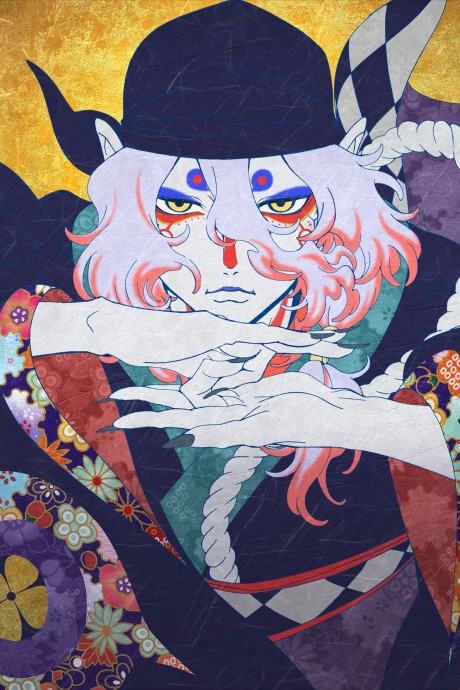
Alex Mercer’s first shapeshift—skin peeling like wet paper to reveal raw muscle beneath—hits with the same visceral dread as Paprika’s parade of melting faces in the dream parade. Where Prototype weaponizes body horror & occult disintegration to expose corporate rot, Paprika’s movie-length descent into collective unconsciousness frames psychological fracture as neon-noir spectacle. This pairing is electrifying: two dark seinen visions where identity isn’t lost—it’s violently unmade, then remade, in service of truth.

The body as a site of transformation and terror — both push physical boundaries.

The body as a site of transformation and terror — both push physical boundaries.

The body as a site of transformation and terror — both push physical boundaries.
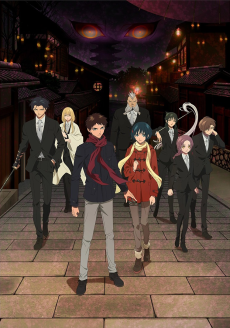
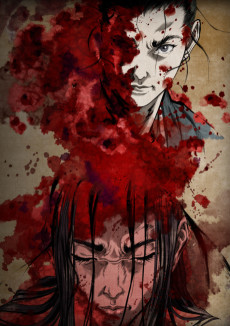
Alex Mercer’s first visceral reshaping—skin splitting like wet paper as bone and muscle reconfigure—hits with the same raw body horror as Hyoma’s hand warping mid-swing when a tsukumogami’s curse surges through him. Unlike most supernatural action, both weaponize transformation not as empowerment but as destabilizing rupture: Mercer’s amnesia mirrors Hyoma’s fractured rage, each fight a desperate negotiation with corrupted flesh. This dark seinen symmetry—where 💥 Action Spectacle *is* the occult ritual—makes their convergence startlingly coherent.

The body as a site of transformation and terror — both push physical boundaries.
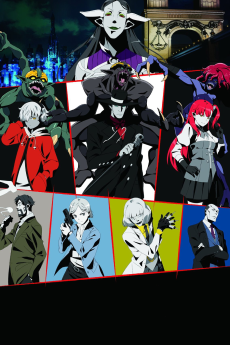
The body as a site of transformation and terror — both push physical boundaries.
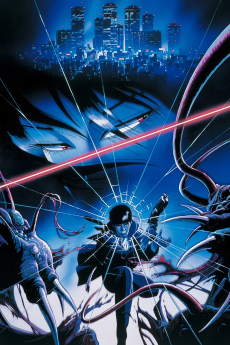
The body as a site of transformation and terror — both push physical boundaries.
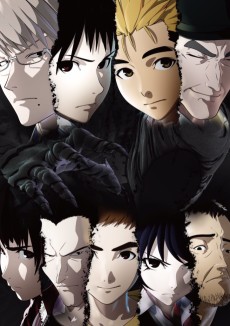
Kei Nagai’s first resurrection—limbs reknitting, skin stitching over shattered bone in cold clinical light—hits with the same visceral dread as Alex Mercer tearing open his own chest to absorb a soldier. Where *Prototype* weaponizes body horror as cathartic vengeance, *AJIN*’s neon-noir Tokyo frames it as existential quarantine: both trap their protagonists in flesh that refuses to stay dead or obedient. This dark seinen symmetry—ghostly biology, urban decay, and the horror of being *too alive*—makes their resonance unnervingly precise.




















![Fate/stay night [Heaven’s Feel] III. spring song](https://s4.anilist.co/file/anilistcdn/media/anime/cover/large/bx21719-MSdTlkno0Z0u.jpg)























Match Dimensions Explained
❓Frequently Asked Questions
Why is Paprika listed as similar to Prototype™ when it’s not an action game?
Great question — it’s not about combat pacing, but that visceral, unsettling *body horror* core: like when Alex Mercer melts and reassembles his limbs mid-fall, Paprika’s dream-world distortions warp faces and liquefy bodies in real time (think the parade scene where identities dissolve into screaming static). Both lean hard into the 'Neon Noir' aesthetic too — think Mercer’s rain-slicked, blood-smeared NYC streets vs. Paprika’s hallucinatory Tokyo lit in sickly pinks and electric blues.
Is there an anime adaptation of Prototype™?
Nope — no official anime adaptation exists, and none is planned. But if you’re craving that same vibe, AJIN: Demi-Human nails the grounded-yet-horrifying take on regenerative powers: Kei Nagai gets shot, dismembered, and *reforms* his own hand in Episode 3 — just like Alex reshaping his arm into a blade or whip mid-chase. It’s the closest thing we’ve got to a Prototype™ anime soulmate.
How does Kizumonogatari Part 2 compare to Malevolent Spirits: Mononogatari for Prototype™ fans?
Both hit the 'Body Horror & Occult' + 'Neon Noir' trifecta, but they deliver it differently: Kizumonogatari Part 2 leans into slow-burn dread — like when Kiss-Shot Acerola-Orion Heart-Under-Blade’s body unravels into crimson mist before reforming, echoing Mercer’s unstable biology. Malevolent Spirits goes full *action spectacle*: watch Episode 5’s rooftop fight where the protagonist tears through yokai with biomechanical claws — that’s Prototype™’s fluid, brutal combat translated into ink-and-blood animation.
What’s the best anime like Prototype™ if I want that ‘cold, vengeful antihero hunting conspirators in a broken city’ vibe?
AJIN: Demi-Human — hands down. Kei Nagai wakes up with no memory, hunted by the government, and slowly uncovers a cover-up involving illegal human experimentation (sound familiar?). His first full transformation — regrowing from a severed head while staring blankly at his own detached jaw — hits with the same chilling, clinical intensity as Alex Mercer’s lab escape in the opening cutscene. It’s dark, tightly plotted, and never flinches from the cost of power.